Car Battery Dead After 2 Years
Discover why your car battery might die after just 2 years and how to prevent it. From extreme weather to parasitic drains, we’ll cover common causes and practical solutions to keep your battery running strong.
In This Article
- 1 Key Takeaways
- 2 📑 Table of Contents
- 3 Why Is My Car Battery Dead After 2 Years?
- 4 Understanding Car Battery Basics
- 5 Top Reasons Your Car Battery Dies After 2 Years
- 6 How to Extend Your Car Battery’s Life
- 7 When to Replace Your Car Battery
- 8 Conclusion
- 9 Frequently Asked Questions
- 9.1 Why did my car battery die after only 2 years?
- 9.2 Can a bad alternator cause a battery to die quickly?
- 9.3 How can I prevent my battery from dying in cold weather?
- 9.4 Is it normal for a car battery to last only 2 years?
- 9.5 Can I revive a dead car battery?
- 9.6 Should I replace my battery before it dies?
Key Takeaways
- Battery lifespan varies: Most car batteries last 3–5 years, but factors like climate and driving habits can shorten that to 2 years or less.
- Extreme temperatures hurt batteries: Both hot and cold weather reduce battery efficiency and accelerate internal wear.
- Short trips drain the battery: Frequent short drives don’t allow the alternator to fully recharge the battery, leading to gradual power loss.
- Parasitic drains are sneaky culprits: Electronics like alarms, infotainment systems, or faulty wiring can slowly drain your battery even when the car is off.
- Corrosion and loose connections matter: Dirty terminals or loose cables prevent proper charging and can cause premature failure.
- Regular maintenance extends life: Cleaning terminals, checking voltage, and testing the charging system can add years to your battery’s life.
- Know when to replace: If your battery is over 2 years old and showing signs of weakness, get it tested before it leaves you stranded.
📑 Table of Contents
Why Is My Car Battery Dead After 2 Years?
You just bought a new car battery two years ago, and now your car won’t start. The dashboard lights flicker, the engine cranks slowly, or worse—nothing happens at all. You’re left wondering: “Why is my car battery dead after 2 years?” It’s frustrating, inconvenient, and expensive. But before you blame bad luck or a defective product, know this: most early battery failures are preventable.
Car batteries aren’t designed to last forever. In fact, the average lifespan is between three and five years. But when a battery dies after just two years, it’s usually a sign that something in your driving habits, environment, or vehicle maintenance is working against it. Understanding the root causes can help you avoid repeat failures and save money in the long run.
This guide will walk you through the most common reasons your car battery might die prematurely, how to spot the warning signs, and what you can do to extend its life. Whether you’re a daily commuter, weekend driver, or just someone who wants to avoid being stranded, this information could save you time, stress, and a tow truck bill.
Understanding Car Battery Basics
Visual guide about Car Battery Dead After 2 Years
Image source: mechanicplace.com
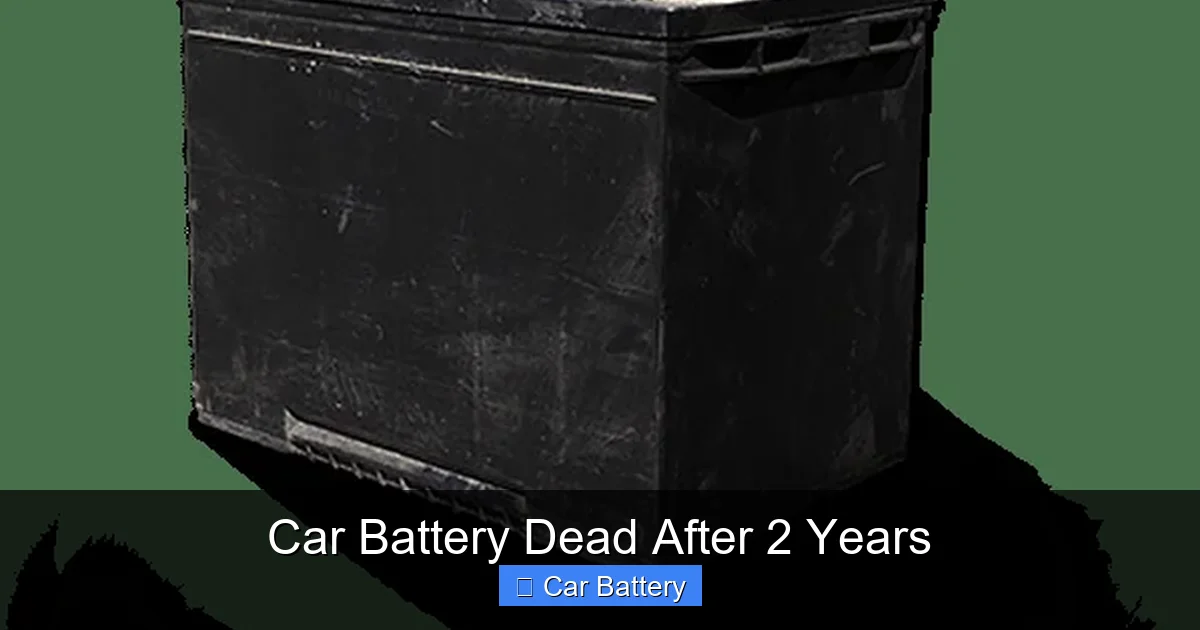
Before diving into why batteries fail early, it helps to understand how they work. A car battery is a rechargeable device that stores electrical energy and delivers it to start your engine. Once the engine is running, the alternator takes over, recharging the battery and powering the car’s electrical systems.
Most modern cars use lead-acid batteries, which contain lead plates submerged in a sulfuric acid solution. When you turn the key, a chemical reaction produces electricity. Over time, this reaction degrades the plates and reduces the battery’s ability to hold a charge.
How Long Should a Car Battery Last?
The general rule of thumb is that a car battery lasts 3 to 5 years. But this is just an average. Some batteries last longer, especially in mild climates and with proper care. Others fail in under two years due to poor maintenance or harsh conditions.
Several factors influence battery life:
– Climate (hot or cold)
– Driving patterns (short vs. long trips)
– Vehicle electronics (parasitic loads)
– Battery quality and age
– Maintenance habits
If your battery dies after 2 years, it doesn’t automatically mean it was defective. More often, it’s a combination of external stressors and lack of upkeep.
Signs Your Battery Is Failing
Catching battery problems early can prevent a dead battery surprise. Watch for these warning signs:
– Slow engine crank (takes longer to start)
– Dim headlights or interior lights
– Electrical issues (radio resets, power windows slow)
– Check engine or battery warning light on dashboard
– Swollen or bloated battery case (a sign of overheating)
If you notice any of these, it’s time to test your battery. Many auto parts stores offer free battery testing, or you can use a multimeter at home.
Top Reasons Your Car Battery Dies After 2 Years
Visual guide about Car Battery Dead After 2 Years
Image source: mechanicplace.com
Now let’s get to the heart of the matter: why your battery might be dead after just two years. While every situation is unique, most early failures fall into a few common categories. Understanding these can help you take action before it’s too late.
1. Extreme Temperatures
Weather plays a huge role in battery health. Both extreme heat and cold are tough on batteries, but for different reasons.
In hot climates, high temperatures accelerate chemical reactions inside the battery. This might sound good, but it actually causes the battery to degrade faster. The heat can evaporate the electrolyte fluid, corrode internal components, and warp the plates. In fact, studies show that a battery in a hot climate like Arizona or Texas may lose up to 35% of its lifespan compared to one in a cooler region.
Cold weather, on the other hand, slows down the chemical reactions. This reduces the battery’s ability to deliver power when you need it most—like on a freezing winter morning. A battery that works fine in summer might struggle to start your car in sub-zero temperatures.
Even if you live in a moderate climate, seasonal changes can still affect your battery. For example, a battery that performs well in spring might weaken by winter if it’s already aging.
2. Short Driving Habits
Do you mostly drive short distances—like to the grocery store, school, or office and back? If so, your battery might not be getting fully recharged.
Here’s why: when you start your car, the battery delivers a big burst of power to crank the engine. After that, the alternator takes over to recharge the battery. But if your trips are short—say, less than 15 minutes—the alternator doesn’t have enough time to restore the energy used during startup.
Over time, this creates a “charge deficit.” The battery slowly loses capacity and may eventually fail to start the car, even if it’s only two years old.
This is especially common in city driving, where stop-and-go traffic and frequent short trips prevent full recharging. If you’re guilty of this, consider taking longer drives occasionally or using a battery maintainer when the car sits for days.
3. Parasitic Battery Drain
Even when your car is off, some electronics continue to draw power. This is called parasitic drain. Normal drains include the clock, security system, and memory settings for your radio. But if something is drawing too much power, it can kill your battery over time.
Common culprits include:
– Faulty alternator diodes
– Aftermarket accessories (dash cams, alarms, GPS trackers)
– Stuck relays or switches
– Interior lights that stay on
– Malfunctioning infotainment systems
A small drain of 50 milliamps is normal. But if it’s over 100 mA, it can drain a fully charged battery in a few days. For example, a trunk light that stays on because the switch is broken can slowly kill your battery, especially if you don’t drive often.
To check for parasitic drain, you’ll need a multimeter and some basic knowledge. Or take your car to a mechanic for a professional test.
4. Corrosion and Loose Connections
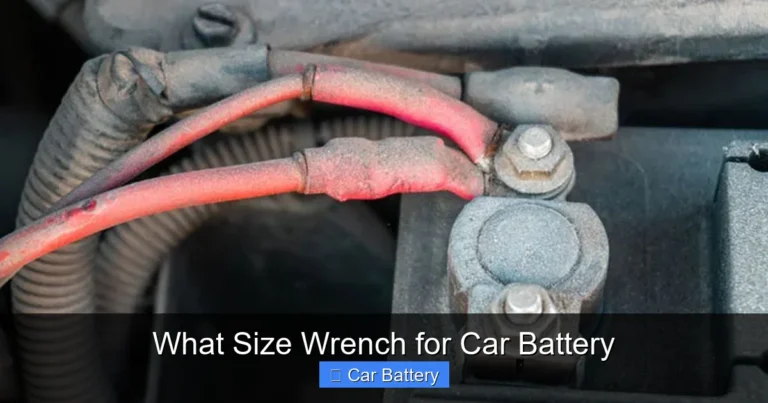
Battery terminals can corrode over time, forming a white, powdery substance around the posts. This corrosion acts as an insulator, preventing proper electrical contact. Even a small amount can reduce charging efficiency and cause starting problems.
Loose or dirty connections also create resistance, which means the battery can’t deliver full power to the starter. You might notice intermittent starting issues or flickering lights.
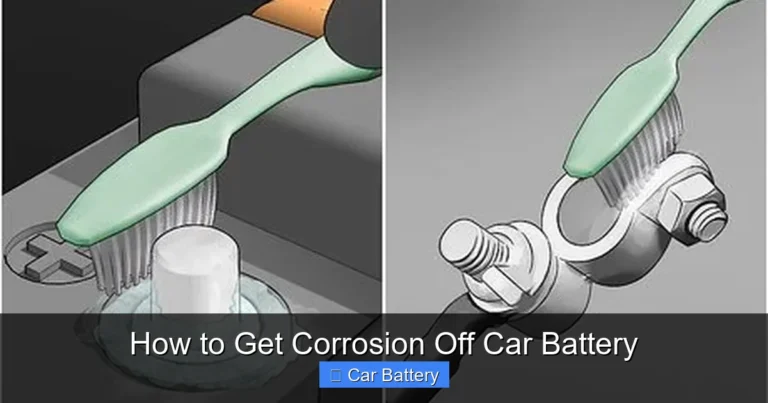
Cleaning the terminals regularly can prevent this. Use a mixture of baking soda and water to neutralize acid, then scrub with a wire brush. Apply a thin layer of petroleum jelly or terminal protector spray to prevent future corrosion.
Also, make sure the battery is securely mounted. Vibration from driving can loosen connections and damage internal components.
5. Old or Low-Quality Battery
Not all batteries are created equal. Some cheaper batteries use lower-grade materials and may not last as long, even under ideal conditions. If you bought a budget battery or one that was already sitting on a shelf for a year, it might fail sooner than expected.
Check the manufacture date on the battery. Most have a code like “A123” where the letter represents the month (A=January, B=February, etc.) and the number is the year. A battery made in 2022 should last until at least 2025–2027, but if it’s already two years old when you buy it, you’re starting with less life.
Investing in a high-quality battery from a reputable brand can pay off in the long run. Look for warranties of 3–5 years and features like enhanced durability or cold-cranking amps (CCA) suited to your climate.
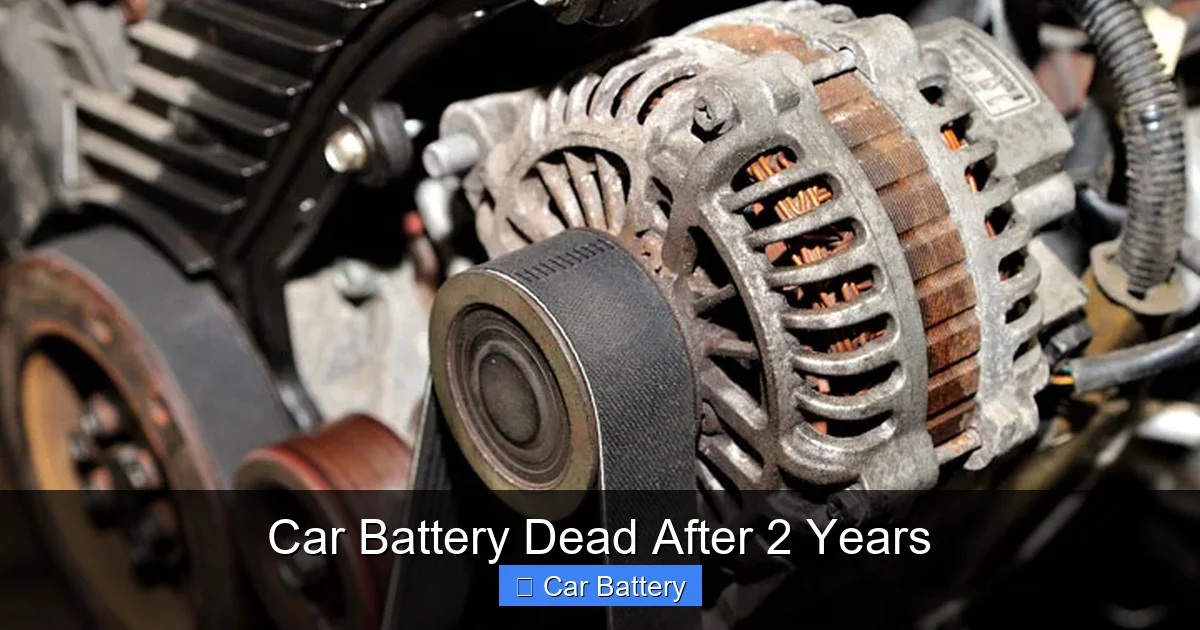
6. Alternator Problems
The alternator is responsible for recharging your battery while the engine runs. If it’s failing, your battery won’t get the power it needs, even on long drives.
Signs of a bad alternator include:
– Battery warning light on the dashboard
– Dim or flickering lights
– Electrical failures (power windows, radio)
– A burning smell or unusual noise
A failing alternator can drain your battery quickly, making it seem like the battery is the problem when it’s actually the charging system. If your battery dies repeatedly, have the alternator tested.
How to Extend Your Car Battery’s Life
Visual guide about Car Battery Dead After 2 Years
Image source: youramazingcar.com
Now that you know why batteries die early, let’s talk about how to prevent it. With a few simple habits, you can add years to your battery’s life and avoid the hassle of a dead car.
Drive Longer Distances Regularly
If you mostly take short trips, try to take a longer drive at least once a week. A 20–30 minute highway drive gives the alternator enough time to fully recharge the battery. This is especially important in winter when cold weather reduces battery efficiency.
If you can’t drive long distances, consider using a battery maintainer or trickle charger. These devices plug into a wall outlet and keep your battery topped up when the car is parked for days or weeks.
Keep the Battery Clean and Secure
Inspect your battery every few months. Look for corrosion, loose cables, or cracks in the case. Clean the terminals with a baking soda solution and a wire brush. Tighten any loose connections and ensure the battery is firmly mounted.
If you live in a humid or salty environment (like near the ocean), corrosion can happen faster. Check more often and consider using terminal protectors.
Minimize Electrical Load When Idle
Avoid using electronics when the engine is off. Things like the radio, lights, or phone chargers can drain the battery if left on for too long. If you’re parked and waiting, turn off everything you don’t need.
Also, be cautious with aftermarket accessories. Dash cams, GPS units, and security systems can draw power even when the car is off. Make sure they’re wired properly and don’t cause parasitic drain.
Protect Your Battery from Extreme Temperatures
In hot climates, park in the shade or use a car cover to reduce heat buildup. In cold climates, consider a battery blanket or engine block heater to keep things warm.
If you live in an area with harsh winters, choose a battery with a high cold-cranking amp (CCA) rating. This measures how well the battery can start the engine in cold weather.
Test Your Battery Annually
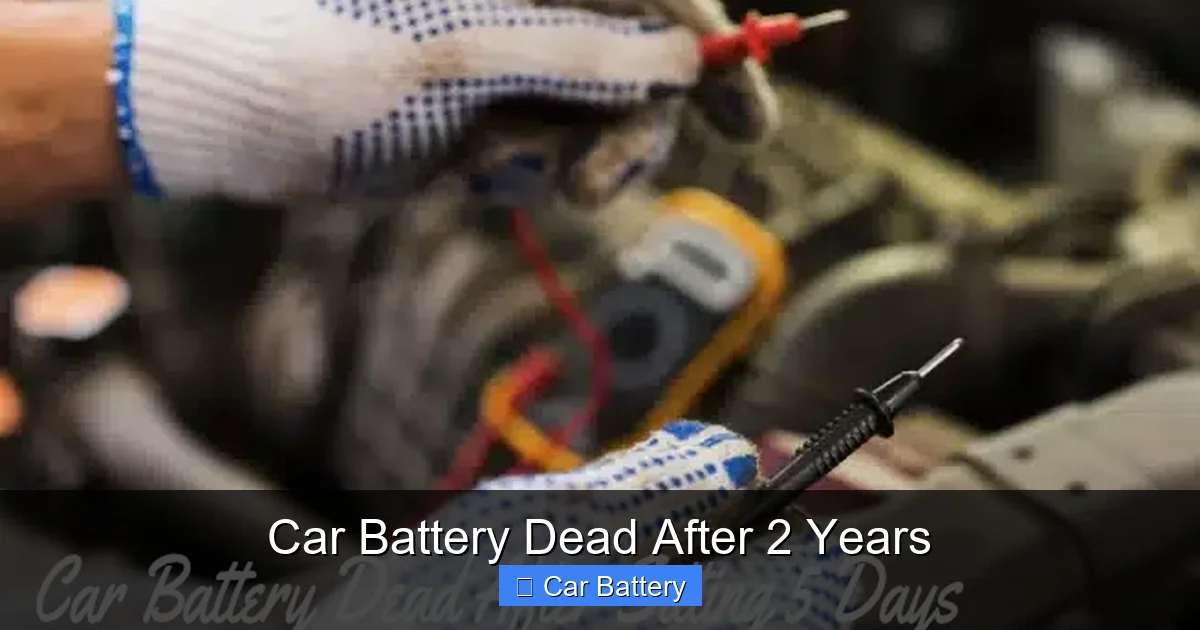
Don’t wait until your car won’t start. Have your battery tested once a year, especially as it approaches the 2–3 year mark. Most auto parts stores offer free testing, or you can buy a multimeter for around $20.
A healthy battery should read around 12.6 volts when the car is off and 13.7–14.7 volts when the engine is running. If it’s lower, it may need charging or replacement.
When to Replace Your Car Battery
Even with the best care, batteries don’t last forever. Knowing when to replace yours can prevent a breakdown.
Age Is a Factor
If your battery is over three years old, start monitoring it closely. By year four, replacement is often recommended, even if it still works. Batteries lose capacity over time, and a weak battery is more likely to fail in extreme weather.
Performance Matters More Than Age
Don’t rely solely on age. If your car is hard to start, especially in cold weather, it’s time to test the battery. A slow crank or dim lights are red flags.
Also, if you’ve had to jump-start your car more than once, the battery may be nearing the end of its life.
Warranty Considerations
Most batteries come with a pro-rated warranty. For example, a 3-year warranty might cover 100% in the first year, 70% in the second, and 50% in the third. If your battery dies after 2 years, you might still get a partial refund or replacement.
Check your warranty terms and keep your receipt. Some stores require proof of purchase and regular maintenance records.
Conclusion
Finding your car battery dead after 2 years is frustrating, but it’s rarely just bad luck. Extreme temperatures, short driving habits, parasitic drains, and poor maintenance are often to blame. By understanding these factors and taking proactive steps, you can extend your battery’s life and avoid future surprises.
Regular inspections, longer drives, and keeping terminals clean are simple habits that make a big difference. And when the time comes, investing in a quality replacement battery can save you money and stress down the road.
Don’t wait until you’re stranded. Test your battery, know the signs of failure, and take action early. A little care today can keep your car starting reliably for years to come.
Frequently Asked Questions
Why did my car battery die after only 2 years?
Your battery may have died early due to extreme weather, short driving trips, parasitic drain, or poor maintenance. These factors can reduce battery life even if it’s relatively new.
Can a bad alternator cause a battery to die quickly?
Yes, a failing alternator won’t recharge the battery properly, leading to repeated drain and early failure. Have both the battery and alternator tested if you’re having starting issues.
How can I prevent my battery from dying in cold weather?
Use a battery with a high cold-cranking amp (CCA) rating, park in a garage when possible, and consider a battery blanket. Avoid short trips and keep the battery terminals clean.
Is it normal for a car battery to last only 2 years?
While 3–5 years is typical, some batteries fail earlier due to environmental or usage factors. If your battery dies at 2 years, investigate driving habits and maintenance.
Can I revive a dead car battery?
You can sometimes jump-start a dead battery, but if it won’t hold a charge, it likely needs replacement. Repeated jump-starts are a sign the battery is failing.
Should I replace my battery before it dies?
Yes, if your battery is over 3 years old or showing signs of weakness, consider replacing it proactively to avoid being stranded. Regular testing helps you decide.