
Can You Use Clorox Wipes on a Car Interior?

Using Clorox Wipes on a car interior may seem convenient, but it can damage surfaces like leather, vinyl, and touchscreens. While effective against germs, the harsh chemicals in disinfecting wipes can strip finishes, cause discoloration, and degrade materials over time. Safer, car-specific cleaners are recommended for long-term care.
Key Takeaways
- Clorox Wipes contain harsh chemicals: Ingredients like quaternary ammonium compounds and bleach can degrade car interior materials such as leather, vinyl, and plastic.
- Risk of discoloration and cracking: Frequent use may cause fading, drying, and premature aging of dashboard and seat surfaces.
- Touchscreens and electronics are vulnerable: Moisture and alcohol-based cleaners can damage sensitive screens and buttons.
- Not all Clorox products are equal: Some wipes are less abrasive than others—check labels for “gentle” or “multi-surface” formulas.
- Safer alternatives exist: Use automotive-specific cleaners or diluted isopropyl alcohol with microfiber cloths for effective, gentle cleaning.
- Spot test first: Always test any cleaner on a small, hidden area before full application.
- Regular maintenance prevents buildup: Weekly light cleaning reduces the need for harsh disinfectants.
📑 Table of Contents
Can You Use Clorox Wipes on a Car Interior?
We’ve all been there—spilled coffee, muddy fingerprints, or just the general grime that accumulates inside a car over time. It’s tempting to reach for a Clorox Wipe, especially during cold and flu season or after a long road trip. After all, they’re quick, convenient, and promise to kill 99.9% of germs. But before you start wiping down your dashboard, seats, and gear shift, it’s important to ask: *Can you use Clorox Wipes on a car interior?*
The short answer? It’s not recommended—especially not regularly. While Clorox Wipes are excellent for disinfecting hard, non-porous surfaces like kitchen counters or bathroom sinks, car interiors are made of a mix of delicate materials that react poorly to harsh chemicals. From leather seats to plastic trim and electronic touchscreens, your car’s cabin requires a gentler touch.
In this guide, we’ll dive deep into why Clorox Wipes can be problematic for car interiors, what damage they might cause, and what safer alternatives you can use instead. Whether you’re a daily commuter, a rideshare driver, or just someone who likes to keep their vehicle spotless, this information will help you clean smarter—not harder.
What’s in Clorox Wipes?
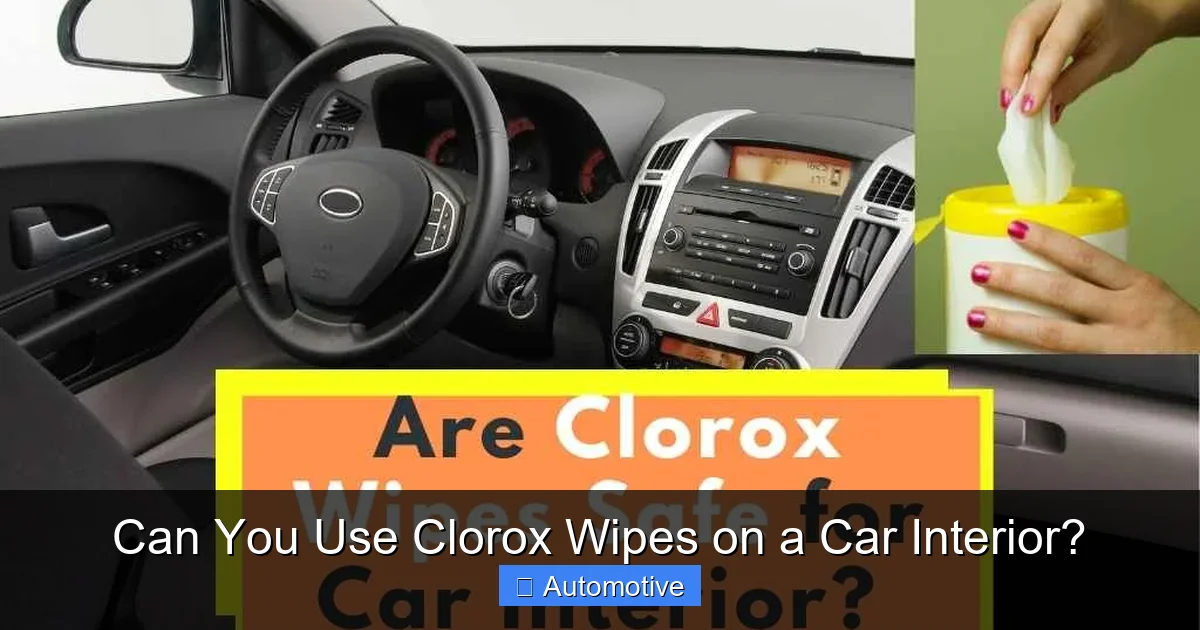
Visual guide about Can You Use Clorox Wipes on a Car Interior?
Image source: rvandplaya.com
To understand why Clorox Wipes might not be ideal for your car, let’s first look at what’s inside them. Most Clorox Disinfecting Wipes contain a blend of cleaning and antimicrobial agents designed to eliminate bacteria, viruses, and fungi. The active ingredients typically include:
– **Quaternary ammonium compounds (quats):** These are common disinfectants that disrupt cell membranes in microbes. While effective, they can be harsh on certain materials.
– **Sodium hypochlorite (bleach):** Found in some Clorox formulas, bleach is a powerful oxidizer that kills germs but can also degrade dyes and finishes.
– **Alcohol (ethanol or isopropyl alcohol):** Helps evaporate quickly and enhances disinfection, but can dry out and crack materials over time.
– **Surfactants and solvents:** These help the solution spread and penetrate dirt, but may leave residues or strip protective coatings.
These ingredients are formulated for hard, non-porous surfaces like stainless steel, tile, or Formica. Car interiors, on the other hand, are a patchwork of materials—leather, vinyl, plastic, fabric, rubber, and electronic components—each with different sensitivities.
For example, the dashboard in your car is often made of soft-touch plastic or vinyl coated with a protective layer. Repeated exposure to alcohol or bleach can break down this coating, leading to a sticky or faded surface. Similarly, leather seats treated with conditioners can dry out and crack if exposed to harsh chemicals.
The Risks of Using Clorox Wipes on Car Interiors
Visual guide about Can You Use Clorox Wipes on a Car Interior?
Image source: marble.com
Now that we know what’s in Clorox Wipes, let’s explore the specific risks they pose to your car’s interior.
1. Damage to Leather and Vinyl Surfaces
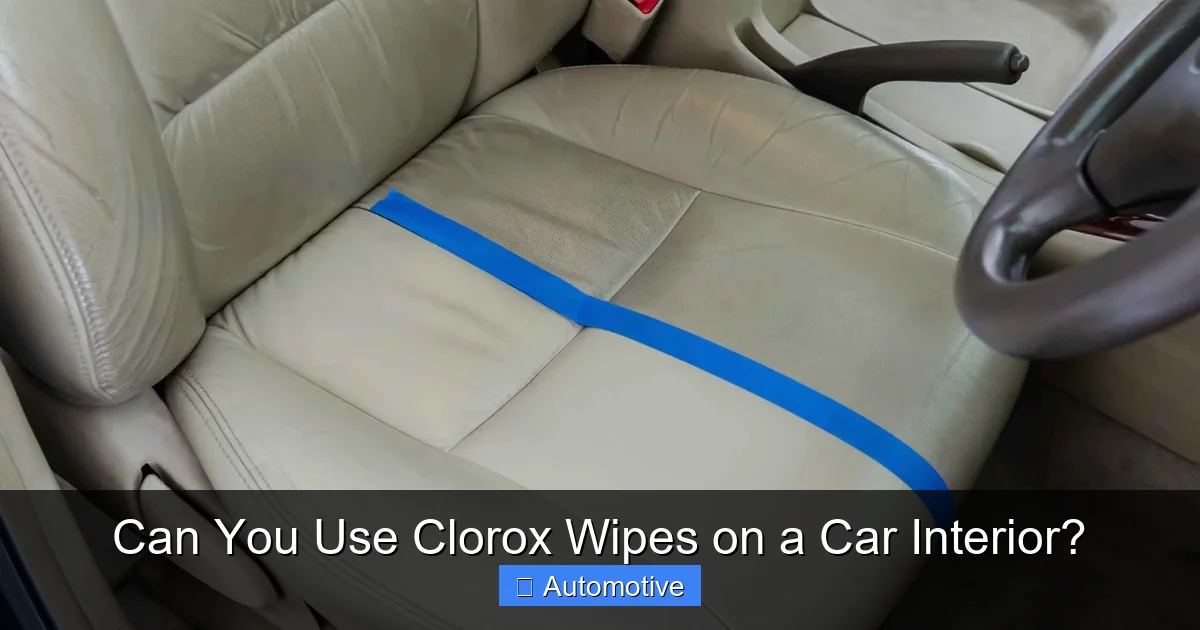
Leather seats and vinyl dashboards are common in most vehicles, and both are vulnerable to chemical damage. Clorox Wipes can strip away the natural oils and protective finishes that keep these materials supple and shiny.
Over time, this leads to:
– **Drying and cracking:** Without moisture, leather becomes brittle and may develop fine cracks, especially in hot or sunny climates.
– **Discoloration:** Bleach and alcohol can fade dyes, causing uneven patches or a dull, washed-out appearance.
– **Loss of texture:** Vinyl may become sticky or develop a powdery residue as the surface degrades.
Imagine spending hundreds of dollars on leather seat covers only to ruin them with a quick wipe-down. That’s exactly what can happen if you use Clorox Wipes regularly.
2. Harm to Plastic and Trim
Modern cars use a variety of plastics for dashboards, door panels, and center consoles. These plastics are often treated with UV inhibitors and soft-touch coatings to improve durability and feel. Clorox Wipes can compromise these treatments.
Common issues include:
– **Clouding or hazing:** Alcohol can cloud clear plastic components like instrument clusters or touchscreen covers.
– **Brittleness:** Repeated exposure weakens plastic, making it more prone to cracking under pressure.
– **Sticky residue:** Some wipes leave behind a film that attracts dust and dirt, making surfaces harder to clean.
Even if your car looks fine after one use, cumulative damage builds up over time. What starts as a minor dull spot can become a major eyesore.
3. Electronics and Touchscreen Vulnerability
Today’s cars are packed with technology—touchscreens, climate controls, infotainment systems, and more. These components are sensitive to moisture and chemicals.
Using Clorox Wipes on screens or buttons can lead to:
– **Screen damage:** Alcohol can degrade anti-glare or oleophobic coatings, making screens harder to read and more prone to fingerprints.
– **Button malfunction:** Liquid can seep into crevices and damage internal circuits, causing buttons to stick or stop working.
– **Short circuits:** Excess moisture increases the risk of electrical issues, especially in humid environments.
Even if you’re careful, it’s easy to oversaturate a wipe or miss a drip. One accidental spill could cost you hundreds in repairs.
4. Fabric and Carpet Concerns
While Clorox Wipes aren’t typically used on fabric seats or floor mats, some people might try them for spot cleaning. This is a mistake.
Fabric absorbs liquids quickly, and the chemicals in Clorox Wipes can:
– **Set stains:** Instead of lifting dirt, they may push it deeper into fibers.
– **Bleach colors:** Dark fabrics can develop light spots, especially if the wipe contains bleach.
– **Leave odors:** Quats and solvents can leave behind a chemical smell that lingers for days.
For fabric interiors, it’s always better to use a dedicated upholstery cleaner or a mixture of mild soap and water.
5. Potential Health and Safety Risks
Beyond material damage, there are health considerations. Clorox Wipes emit fumes, especially in enclosed spaces like a car cabin. Inhaling these vapors can irritate the eyes, nose, and throat—particularly for people with asthma or allergies.
Additionally, if you have pets or children who ride in the car, residual chemicals on surfaces could pose a risk if they touch or mouth the area. While Clorox Wipes are safe when used as directed on household surfaces, a car’s confined space increases exposure.
When Might It Be Okay to Use Clorox Wipes?
Visual guide about Can You Use Clorox Wipes on a Car Interior?
Image source: leatherninja.com
Despite the risks, there may be rare situations where using a Clorox Wipe is acceptable—if done carefully and sparingly.
Emergency Disinfection
If someone in your car is sick with a contagious illness (like the flu or COVID-19), and you need to disinfect high-touch surfaces quickly, a single use of a Clorox Wipe might be justified. In this case:
– Use only on hard, non-porous surfaces like the gear shift, door handles, or cup holders.
– Avoid leather, fabric, and screens.
– Wipe gently and allow the surface to air dry completely.
– Follow up with a damp microfiber cloth to remove any residue.
This should be a one-time exception, not a regular cleaning routine.
Choosing a Milder Formula
Not all Clorox Wipes are created equal. Some newer formulas are labeled “gentle” or “multi-surface” and contain fewer harsh chemicals. For example, Clorox’s “Clean-Up” wipes or “Essentials” line may be less damaging than the classic disinfecting wipes.
Always check the label. If it lists bleach or high concentrations of alcohol, avoid using it in your car. Opt for products specifically designed for electronics or delicate surfaces.
Spot Testing Is Key
If you’re determined to try a Clorox Wipe, always do a spot test first. Choose a small, hidden area—like the back of a door panel or under the seat—and apply a small amount. Wait 24 hours and check for discoloration, stickiness, or texture changes.
If there’s no damage, you might be able to use it sparingly on similar surfaces. But remember: just because it doesn’t show immediate damage doesn’t mean it’s safe for long-term use.
Safer Alternatives to Clorox Wipes
The good news? There are plenty of effective, car-safe cleaning options that won’t harm your interior.
1. Automotive-Specific Cleaners
Products like Meguiar’s, Chemical Guys, or Armor All are formulated specifically for car interiors. They’re pH-balanced, non-abrasive, and safe for leather, vinyl, plastic, and rubber.
Look for:
– **Leather cleaners and conditioners:** These clean while restoring moisture and protection.
– **All-purpose interior cleaners:** Great for dashboards, door panels, and trim.
– **Glass cleaners:** Safe for touchscreens and windows.
These products often come in spray bottles with microfiber cloths, making application easy and controlled.
2. DIY Cleaning Solutions
You don’t need fancy products to keep your car clean. A simple homemade solution can work wonders:
– **For hard surfaces:** Mix 1 part white vinegar with 1 part water. Add a drop of mild dish soap for extra cleaning power. Vinegar is a natural disinfectant and won’t damage most materials.
– **For leather:** Use a mixture of 2 parts water and 1 part white vinegar. Apply with a soft cloth, then follow with a leather conditioner.
– **For glass and screens:** Use 70% isopropyl alcohol diluted with water (50/50). Spray on a cloth—not directly on the screen—and wipe gently.
Always use a microfiber cloth to avoid scratching surfaces.
3. Disinfecting Wipes Designed for Electronics
If you want the convenience of a wipe but need something gentler, try products like:
– **Whoosh! Screen Cleaner Wipes:** Safe for phones, tablets, and car touchscreens.
– **Zeiss Lens Wipes:** Great for glass and plastic surfaces.
– **Baby wipes (alcohol-free):** Surprisingly effective for light cleaning and safe for most materials.
These wipes are designed to clean without leaving residue or causing damage.
4. Steam Cleaning
For deep cleaning without chemicals, consider a handheld steam cleaner. Steam kills bacteria and loosens dirt without the need for harsh cleaners. It’s especially effective on fabric seats, carpets, and hard-to-reach crevices.
Just be careful around electronics and avoid excessive moisture.
Best Practices for Cleaning Your Car Interior
Now that you know what to avoid and what to use instead, here’s how to clean your car interior safely and effectively.
1. Clean Regularly
Prevention is better than cure. A quick weekly wipe-down with a damp microfiber cloth can remove dust and prevent buildup. This reduces the need for harsh cleaners.
2. Work from Top to Bottom
Start with the dashboard, then move to door panels, seats, and finally the floor. This prevents dirt from falling onto already-clean surfaces.
3. Use Separate Cloths
Use one cloth for dusting, one for cleaning, and one for drying. This prevents cross-contamination and ensures a streak-free finish.
4. Vacuum First
Before wiping, vacuum seats, carpets, and crevices to remove loose dirt and debris. This makes the cleaning process more effective.
5. Condition Leather
After cleaning leather seats, apply a conditioner to restore moisture and prevent cracking. Do this every 3–6 months, depending on climate and usage.
6. Protect Surfaces
Use sunshades to protect your dashboard from UV damage, and consider seat covers or floor mats to reduce wear and tear.
Conclusion
So, can you use Clorox Wipes on a car interior? Technically, yes—but it’s not advisable. The harsh chemicals in these wipes can damage leather, vinyl, plastic, and electronics, leading to discoloration, cracking, and malfunctions. While they’re great for kitchen and bathroom surfaces, your car’s interior requires a gentler approach.
Instead, opt for automotive-specific cleaners, DIY solutions, or electronics-safe wipes. These alternatives are just as effective at removing dirt and germs—without the risk of long-term damage. And remember: regular maintenance is the best way to keep your car looking and smelling fresh.
By choosing the right products and following best practices, you can keep your car interior clean, safe, and in great condition for years to come. Your car—and your health—will thank you.
Frequently Asked Questions
Are Clorox Wipes safe for car leather seats?
No, Clorox Wipes are not safe for leather seats. The alcohol and bleach in the wipes can dry out and crack leather over time. Use a dedicated leather cleaner and conditioner instead.
Can I use Clorox Wipes on my car’s touchscreen?
It’s not recommended. Alcohol and moisture can damage anti-glare coatings and internal electronics. Use a screen-safe cleaner or diluted isopropyl alcohol applied to a microfiber cloth.
What should I use to disinfect my car interior?
Use automotive disinfectants or a 70% isopropyl alcohol solution diluted with water. Apply with a microfiber cloth and avoid oversaturating surfaces.
Will Clorox Wipes fade my dashboard?
Yes, frequent use can cause fading and discoloration, especially on dark or colored dashboards. The chemicals break down protective coatings and dyes.
Can I use baby wipes to clean my car interior?
Yes, alcohol-free baby wipes are a gentle option for light cleaning. They’re safe for most surfaces but may not disinfect as effectively as other cleaners.
How often should I clean my car interior?
Aim for a quick wipe-down once a week and a deep clean every 1–2 months. Regular maintenance prevents buildup and reduces the need for harsh chemicals.
