
Can You Put Too Much Oil in Your Car?

Yes, you absolutely can put too much oil in your car—and it’s more dangerous than many drivers realize. Overfilling can lead to foaming, reduced lubrication, engine damage, and even catalytic converter failure if left unchecked.
Key Takeaways
- Overfilling oil harms engine performance: Excess oil can cause foaming, which reduces lubrication and leads to increased wear and overheating.
- Check the dipstick correctly: Always check oil level with the engine off and cooled, and wipe the dipstick clean before reinserting for an accurate reading.
- Symptoms include blue smoke, oil leaks, and warning lights: These signs often indicate overfilled oil or pressure issues that need immediate attention.
- Modern engines are sensitive to oil levels: Even small overfills can trigger sensor alerts or damage seals and gaskets over time.
- Draining excess oil is safer than ignoring it: If you’ve overfilled, carefully remove the extra oil using a hand pump or visit a mechanic to avoid long-term damage.
- Follow manufacturer recommendations: Use the correct oil type and quantity specified in your owner’s manual to prevent overfilling during changes.
- Prevention beats repair: Take your time during oil changes and double-check levels to avoid costly engine problems down the road.
📑 Table of Contents
Can You Put Too Much Oil in Your Car?
We’ve all been there—standing over the engine bay, pouring in fresh oil after a change, feeling proud of doing it ourselves. But then you glance at the dipstick and notice the level is a little higher than expected. Your first thought might be, “Is that okay?” or “Will a little extra hurt?” The short answer? Yes, you can put too much oil in your car—and it’s not as harmless as it seems.
While it’s true that a tiny bit over the “Full” mark might not cause immediate disaster, consistently overfilling your engine oil can lead to serious mechanical problems. Unlike low oil, which is widely known to cause engine damage, overfilled oil is often overlooked—even by experienced drivers. But the truth is, too much oil can be just as dangerous as too little. It can lead to foaming, increased pressure, seal damage, and even catastrophic engine failure if ignored.
In this guide, we’ll walk you through everything you need to know about overfilling your car’s oil—from how it happens, to the warning signs, and what to do if you’ve already made the mistake. Whether you’re a DIY mechanic or just someone who wants to keep their car running smoothly, understanding the risks of too much oil is essential for long-term vehicle health.
How Much Oil Is Too Much?
Visual guide about Can You Put Too Much Oil in Your Car?
Image source: askcarmechanic.com
So, what exactly counts as “too much” oil? Most car manufacturers recommend filling the engine to the “Full” line on the dipstick—no higher. But how much is that in real terms?
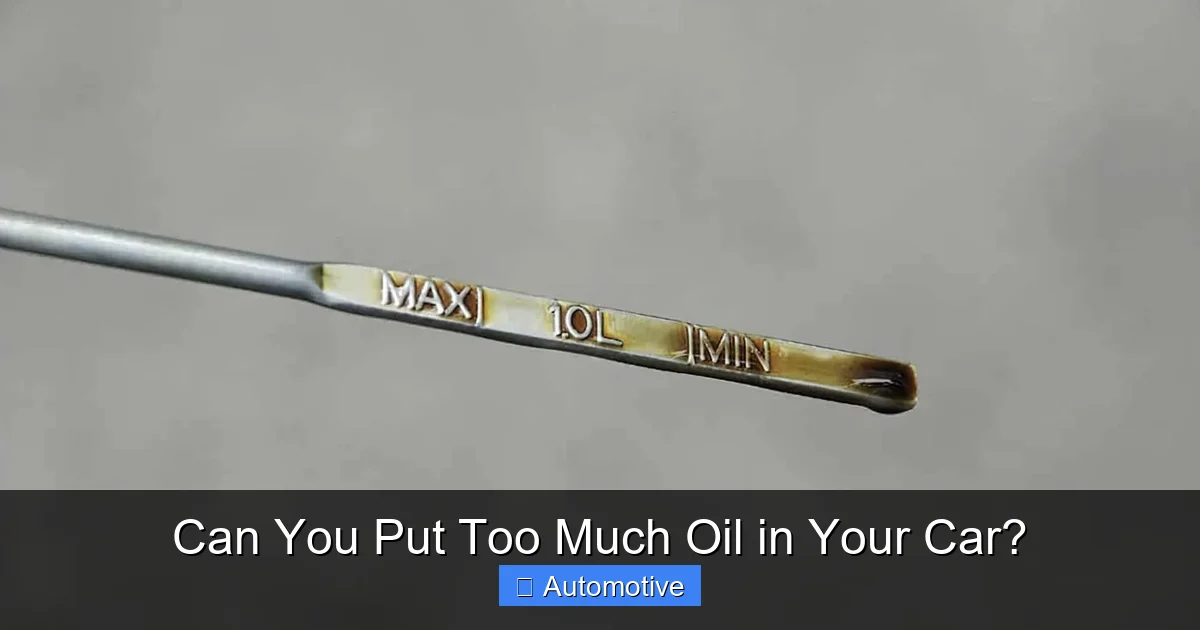
Typically, the difference between the “Add” and “Full” marks on a dipstick represents about one quart (roughly one liter) of oil. That means if your engine holds five quarts when full, adding six quarts would put you one quart over. While that might not sound like a lot, it’s enough to cause problems.
Why Even a Small Overfill Matters
You might think, “It’s just a little extra—how bad could it be?” But even half a quart over can be enough to create issues, especially in modern engines with tight tolerances and high-performance components. Here’s why:
– Increased crankcase pressure: When the oil level is too high, the crankshaft (which rotates inside the engine) can dip into the oil. As it spins at high speeds, it whips the oil into a frothy foam. This process is called “aeration,” and it drastically reduces the oil’s ability to lubricate engine parts.
– Foaming reduces lubrication: Foamy oil doesn’t flow properly through the engine. It can’t create the protective film needed between moving parts, leading to metal-on-metal contact, increased friction, and accelerated wear.
– Sensor and seal damage: Excess pressure from overfilled oil can push past gaskets and seals, causing leaks. It can also trigger oil pressure sensors, leading to false dashboard warnings or even engine shutdown in some vehicles.
For example, if you drive a Honda Civic with a 1.5L engine that holds 3.7 quarts of oil, adding 4.5 quarts might seem minor. But that extra 0.8 quarts can be enough to cause the crankshaft to churn the oil, especially during hard acceleration or high-RPM driving.
Manufacturer Tolerances Vary
It’s also important to note that different car models have different oil capacities and tolerances. Some performance engines, like those in BMW or Porsche vehicles, are especially sensitive to oil levels. A study by the Society of Automotive Engineers (SAE) found that even a 10% overfill in high-revving engines can reduce oil film strength by up to 30%, significantly increasing the risk of engine damage.
Always refer to your owner’s manual for the exact oil capacity and recommended fill level. Don’t rely on memory or guesswork—especially if you’re using a different oil brand or viscosity than usual.
What Happens When You Overfill Your Engine Oil?
Visual guide about Can You Put Too Much Oil in Your Car?
Image source: askcarmechanic.com
Now that we know how little it takes to overfill, let’s look at what actually happens inside your engine when there’s too much oil.
Oil Foaming and Aeration
The most immediate effect of overfilling is oil foaming. As the crankshaft spins, it churns the excess oil, mixing air into it. This creates a bubbly, frothy substance that looks like shaving cream. While it might seem harmless, foamy oil is a major problem.
Why? Because oil needs to be a consistent liquid to do its job. It must coat engine components, absorb heat, and carry away contaminants. When it’s full of air bubbles, it can’t maintain proper pressure or flow. This leads to:
– Inadequate lubrication: Critical parts like pistons, camshafts, and bearings don’t get the protection they need.
– Increased engine temperature: Foamy oil doesn’t transfer heat as efficiently, causing hot spots and potential overheating.
– Reduced oil pressure: The oil pump struggles to move the aerated oil, which can trigger low oil pressure warnings—even though there’s plenty of oil in the pan.
Imagine trying to drink a milkshake through a straw that’s half-filled with air bubbles. The flow is inconsistent, and you don’t get the full benefit. That’s exactly what happens inside your engine.
Increased Crankcase Pressure
Another consequence of overfilling is increased pressure inside the crankcase—the area where the oil sits. Normally, this space is designed to handle a certain amount of pressure, but too much oil pushes beyond those limits.
High crankcase pressure can force oil past seals and gaskets, leading to leaks around the valve cover, oil pan, or rear main seal. These leaks not only create messy drips under your car but can also allow dirt and debris to enter the engine.
In extreme cases, the pressure can damage the PCV (Positive Crankcase Ventilation) valve, which is responsible for recirculating blow-by gases. A faulty PCV valve can cause rough idling, poor fuel economy, and even trigger the check engine light.
Damage to the Catalytic Converter
Here’s a lesser-known but serious risk: overfilled oil can lead to catalytic converter damage. How?
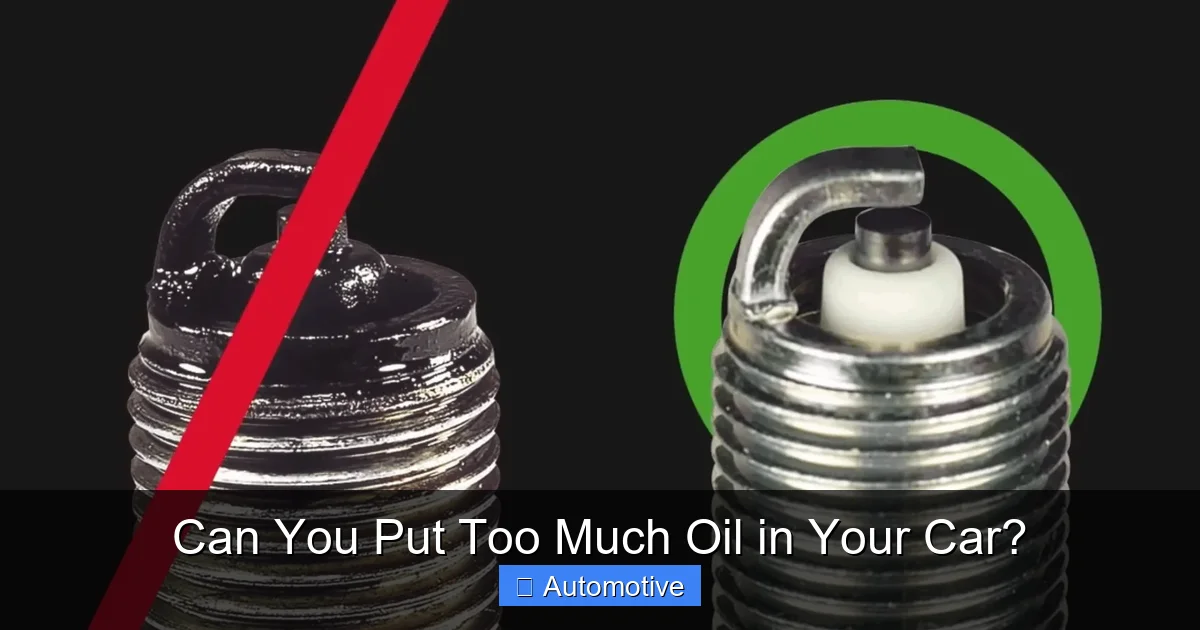
When oil foams and loses its lubricating properties, it can cause engine misfires or incomplete combustion. Unburned fuel and oil particles can enter the exhaust system. If oil droplets make it to the catalytic converter, they can coat the honeycomb structure inside, reducing its efficiency or even clogging it entirely.
A clogged catalytic converter can cause:
– Reduced engine performance
– Poor fuel economy
– Increased emissions
– Expensive repair bills (replacing a catalytic converter can cost $1,000 or more)
This is why even a small overfill shouldn’t be ignored—it can have downstream effects that are costly and hard to diagnose.
Signs and Symptoms of Too Much Oil
Visual guide about Can You Put Too Much Oil in Your Car?
Image source: askcarmechanic.com
So how do you know if you’ve overfilled your oil? The good news is that your car will usually give you warning signs. Here are the most common symptoms to watch for.
Blue or Gray Smoke from the Exhaust
If you notice blue or gray smoke coming from your tailpipe—especially when accelerating—it could be a sign that oil is burning in the combustion chamber. This happens when excess oil seeps past piston rings or valve seals due to high crankcase pressure.
Unlike white smoke (which usually indicates coolant leakage) or black smoke (rich fuel mixture), blue smoke is a clear indicator of oil combustion. If you see it, check your oil level immediately.
Oil Leaks Around the Engine
Overfilled oil increases pressure, which can force oil past seals and gaskets. You might notice oil stains under your car, particularly near the valve cover, oil pan, or front/rear seals.
For example, if you park overnight and see a small puddle of oil on the driveway, it could be due to overfilling—especially if the oil level was recently topped up.
Check Engine Light or Oil Pressure Warning
Modern cars are equipped with sensors that monitor oil pressure and engine performance. If the oil is foaming or pressure is abnormal, the engine control unit (ECU) may trigger a warning light.
You might see the check engine light, oil pressure light, or a message like “Oil Pressure Low” on your dashboard. Don’t ignore these alerts—they’re your car’s way of saying something is wrong.
Rough Idling or Engine Misfires
Foamy oil can lead to inconsistent lubrication, which may cause the engine to run roughly or misfire. You might notice:
– Hesitation during acceleration
– Stuttering at idle
– A drop in fuel efficiency
These symptoms can also be caused by other issues (like spark plugs or fuel injectors), but if they appear shortly after an oil change, overfilling should be suspected.
Bubbling or Foam in the Oil Fill Cap
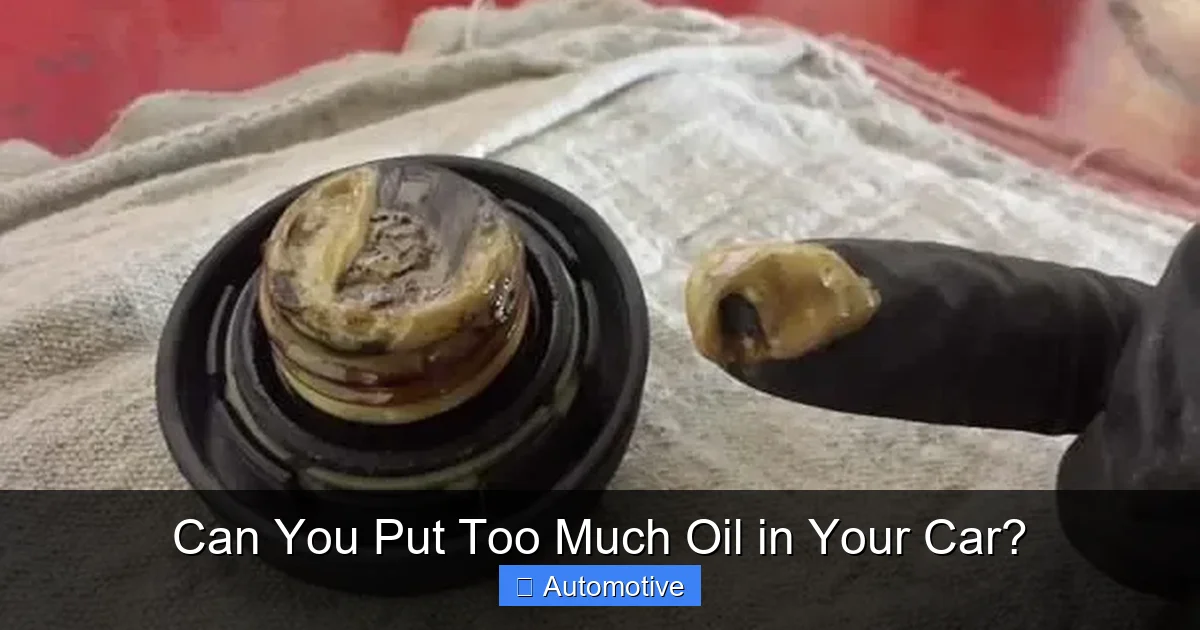
A quick visual check can sometimes reveal overfilled oil. Remove the oil filler cap and look inside. If you see bubbles, foam, or a milky substance, it’s a strong sign that the oil is aerated—likely due to overfilling.
This is especially common in colder weather, when oil is thicker and more prone to foaming.
How to Check Your Oil Level Correctly
One of the best ways to avoid overfilling is to check your oil level the right way. Many drivers make mistakes during this simple task, leading to inaccurate readings.
Step-by-Step Oil Check
Follow these steps to get an accurate oil level reading:
1. Park on level ground: Make sure your car is on a flat surface. If it’s tilted, the oil will pool to one side, giving a false reading.
2. Turn off the engine and wait: Let the engine cool for at least 5–10 minutes. Hot oil expands and can give a higher reading.
3. Pull out the dipstick: Locate the dipstick (usually marked with a yellow or orange handle), pull it out, and wipe it clean with a rag.
4. Reinsert fully and remove again: Push the dipstick all the way back in, then pull it out to read the level.
5. Check the markings: The oil should be between the “Add” and “Full” marks. Ideally, it should be at or just below the “Full” line.
Common Mistakes to Avoid
– Checking oil immediately after driving: Hot oil hasn’t settled, so the level will appear higher than it actually is.
– Not wiping the dipstick clean: Residual oil can give a false high reading.
– Reading the dipstick at an angle: Always hold it straight to get an accurate measurement.
– Ignoring the “Full” mark: Some drivers think “a little over is fine,” but even a small overfill can cause problems.
Use the Right Tools
If your car has a digital oil level monitor (common in newer BMW, Mercedes, and Audi models), use that instead of the dipstick. These systems are more precise and account for temperature and oil condition.
For older cars, consider using a quality dipstick with clear markings. Some aftermarket dipsticks even have color-coded zones for easy reading.
What to Do If You’ve Overfilled Your Oil
So you’ve checked the dipstick and confirmed it—you’ve put too much oil in your car. Don’t panic. Here’s what to do next.
Stop Driving Immediately
If you suspect overfilling, avoid driving the car until the issue is resolved. Continued operation can worsen foaming, increase pressure, and cause engine damage.
Drain the Excess Oil
The safest way to fix overfilled oil is to remove the excess. You have a few options:
– Use a hand pump: Oil extraction pumps are affordable (around $20–$40) and easy to use. Insert the tube into the dipstick tube or oil filler neck, pump out the excess, and recheck the level.
– Drain from the oil pan: If you’re comfortable doing so, you can remove the oil drain plug and let out a small amount of oil. Be careful not to drain too much—just enough to get back to the “Full” mark.
– Visit a mechanic: If you’re unsure or don’t have the tools, take your car to a trusted mechanic. They can safely remove the excess oil and check for any damage.
Monitor for Symptoms
After correcting the oil level, keep an eye on your car’s performance. Watch for:
– Smoke from the exhaust
– Warning lights
– Unusual noises or vibrations
If symptoms persist, there may be underlying damage that requires professional inspection.
Prevent Future Overfills
To avoid repeating the mistake:
– Always use a measuring cup or funnel with markings when adding oil.
– Add oil slowly, checking the level frequently.
– Keep a record of your oil change intervals and quantities.
Prevention Tips for DIY Oil Changes
The best way to deal with overfilled oil is to prevent it from happening in the first place. If you change your own oil, follow these tips to stay safe and accurate.
Know Your Car’s Oil Capacity
Before you start, check your owner’s manual for the exact oil capacity. Don’t rely on memory—different models and engine sizes vary.
For example:
– Toyota Camry (2.5L): 4.4 quarts
– Ford F-150 (3.5L EcoBoost): 6.0 quarts
– Honda Accord (1.5L Turbo): 3.7 quarts
Use the Right Oil
Always use the oil type and viscosity recommended by the manufacturer. Using the wrong oil can affect performance and increase the risk of overfilling (e.g., thicker oil takes up more space).
Add Oil Gradually
Pour in oil slowly, especially near the end. Add a little, check the dipstick, and repeat. It’s better to underfill slightly and top up than to overfill and have to drain.
Double-Check After a Few Miles
After your oil change, drive the car for 10–15 miles, then recheck the oil level. This ensures the oil has circulated and settled properly.
Conclusion
So, can you put too much oil in your car? The answer is a resounding yes. While it’s easy to assume that more oil equals better protection, the reality is that overfilling can cause serious harm to your engine. From oil foaming and increased pressure to catalytic converter damage and oil leaks, the risks are real—and often underestimated.
The good news? Overfilling is completely preventable. By checking your oil level correctly, following manufacturer guidelines, and taking your time during oil changes, you can keep your engine running smoothly and avoid costly repairs.
Remember: when it comes to engine oil, more is not better. The goal is to maintain the right level—neither too low nor too high. Your engine will thank you with reliable performance, better fuel economy, and a longer lifespan.
So the next time you’re under the hood, take a deep breath, go slow, and double-check that dipstick. Your car—and your wallet—will be glad you did.
Frequently Asked Questions
Can a little extra oil hurt my engine?
Even a small amount of extra oil can cause problems, especially in modern engines. It can lead to foaming, reduced lubrication, and increased pressure, which may damage seals and sensors over time.
How do I know if I’ve overfilled my oil?
Check the dipstick after the engine has cooled. If the oil level is above the “Full” mark, or if you see foam, bubbles, or smoke from the exhaust, you may have overfilled.
What should I do if I accidentally overfill my oil?
Stop driving immediately and drain the excess oil using a hand pump or by removing the drain plug. Recheck the level and monitor for any warning signs.
Can overfilled oil cause the check engine light to come on?
Yes, overfilled oil can trigger the check engine light due to abnormal oil pressure, misfires, or PCV valve issues. Have the system scanned to confirm the cause.
Will overfilled oil damage my catalytic converter?
Indirectly, yes. If excess oil causes misfires or oil burning, unburned oil can clog the catalytic converter, leading to reduced performance and expensive repairs.
How often should I check my oil level?
Check your oil level at least once a month, or before long trips. Regular checks help you catch issues like leaks or overfills early, preventing engine damage.
