
Can You Get Sunburned Through a Car Window?

Yes, you can get sunburned through a car window—especially the side windows. While windshields block most UVB rays, side and rear windows often allow harmful UVA radiation to pass through, leading to skin damage over time.
Key Takeaways
- UVA rays penetrate car windows: Unlike UVB, UVA rays can pass through standard glass, causing skin aging and increasing cancer risk.
- Windshields offer better protection: Laminated windshields block over 95% of UVA, but side windows typically do not.
- Sunburn can occur while driving: Prolonged exposure, especially on sunny days, can lead to redness and peeling skin.
- Skin damage is cumulative: Repeated exposure without protection contributes to long-term skin damage and premature aging.
- Window tinting helps: UV-blocking window films can reduce UVA transmission by up to 99%.
- Sunscreen is still essential: Apply broad-spectrum SPF 30+ to exposed skin, even when driving.
- Children are more vulnerable: Kids’ skin is more sensitive, so extra protection is crucial during car rides.
📑 Table of Contents
- Can You Get Sunburned Through a Car Window?
- Understanding UV Radiation and How It Affects Skin
- How Car Windows Block—or Don’t Block—UV Rays
- Real-Life Examples of Sun Damage from Driving
- How to Protect Yourself from UV Exposure While Driving
- The Long-Term Risks of Ignoring UV Exposure in Cars
- Conclusion
Can You Get Sunburned Through a Car Window?
You’re cruising down the highway on a bright, sunny day, sunglasses on, windows up, feeling safe and shielded from the sun. But here’s a surprising truth: just because you’re inside your car doesn’t mean you’re safe from the sun’s harmful rays. In fact, you might be getting more sun exposure than you think—especially on one side of your face and body.
Many people assume that being behind glass protects them from sunburn. After all, we’ve all heard that glass blocks UV rays. But the reality is more complicated. While car windows do block some ultraviolet (UV) radiation, they don’t block all of it—and the type that gets through can still damage your skin. So, can you get sunburned through a car window? The short answer is yes, especially through side windows. And over time, this exposure can lead to serious skin damage, including premature aging and an increased risk of skin cancer.
This isn’t just a theoretical concern. Dermatologists and researchers have documented cases of drivers developing sun damage on the left side of their face and body—the side most exposed to sunlight while driving. This phenomenon, sometimes called “driver’s tan” or “unilateral photoaging,” is a real and growing issue, particularly in countries where people spend a lot of time in vehicles.
In this article, we’ll dive deep into how UV radiation interacts with car windows, which types of glass offer protection, and what you can do to keep your skin safe while on the road. Whether you’re a daily commuter, a road trip enthusiast, or a parent driving kids to school, understanding this risk is the first step toward better protection.
Understanding UV Radiation and How It Affects Skin
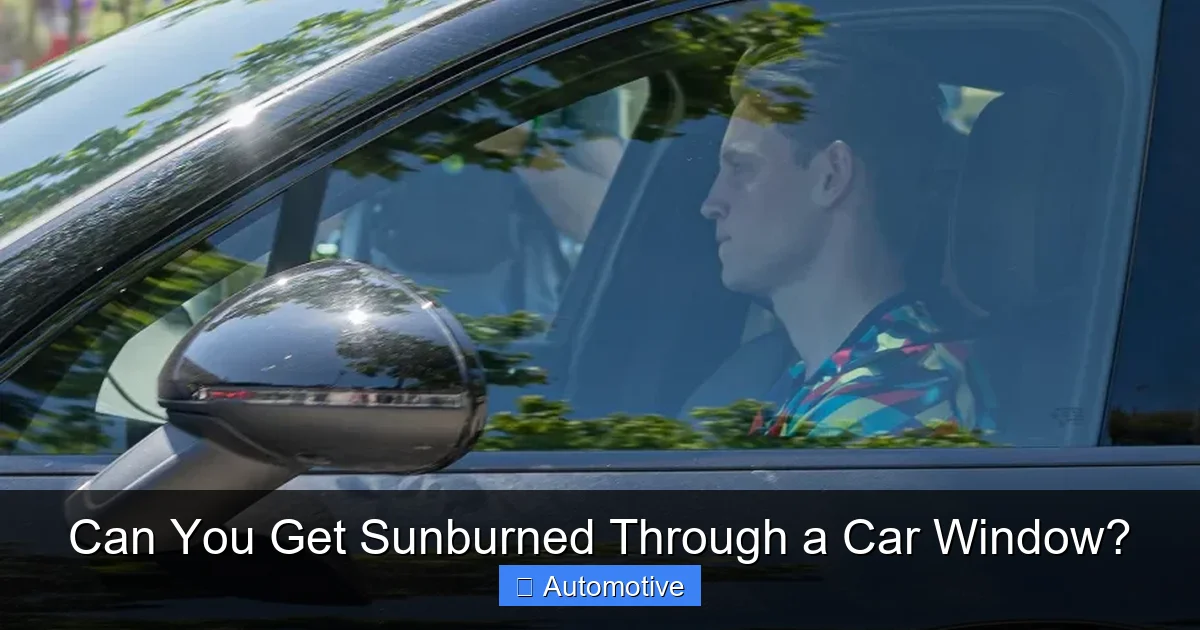
Visual guide about Can You Get Sunburned Through a Car Window?
Image source: motorbiscuit.com
To understand whether you can get sunburned through a car window, it’s important to first understand the different types of ultraviolet (UV) radiation and how they affect your skin.
There are three main types of UV rays: UVA, UVB, and UVC. UVC is mostly absorbed by the Earth’s atmosphere and doesn’t reach the surface, so we don’t need to worry about it. But UVA and UVB are the ones that impact our skin—and they do so in different ways.
UVB rays are primarily responsible for sunburn. They have shorter wavelengths and mostly affect the outer layer of the skin (the epidermis). UVB intensity varies by time of day, season, and location. It’s strongest between 10 a.m. and 4 p.m., especially during summer months. These rays are the ones that cause immediate redness, pain, and peeling after too much sun exposure.
UVA rays, on the other hand, have longer wavelengths and penetrate deeper into the skin—reaching the dermis, where collagen and elastin live. UVA doesn’t cause sunburn in the traditional sense, but it’s a major contributor to skin aging (photoaging), wrinkles, and age spots. More importantly, UVA plays a significant role in the development of skin cancer. Unlike UVB, UVA rays are present all day long, even on cloudy days, and they can pass through glass.
Here’s the key point: while UVB rays are mostly blocked by standard glass, UVA rays can pass through it quite easily. That means even if you don’t get a visible sunburn while driving, your skin is still being exposed to harmful radiation that can cause long-term damage.
For example, imagine you’re driving for two hours every day with your left arm resting near the window. Over months and years, that arm may show signs of aging—darker spots, thinner skin, more wrinkles—compared to the right arm. This is a real phenomenon observed in long-haul truck drivers and frequent commuters.
So, while you might not feel the burn, your skin is still under attack. And because UVA exposure is cumulative, even small amounts over time can add up to significant damage.
How Car Windows Block—or Don’t Block—UV Rays
Visual guide about Can You Get Sunburned Through a Car Window?
Image source: cdn-ds.com
Not all car windows are created equal when it comes to UV protection. The type of glass, its thickness, and whether it’s laminated or treated all affect how much UV radiation gets through.
Let’s start with the windshield. Most modern windshields are made of laminated glass—two layers of glass with a plastic layer (usually polyvinyl butyral, or PVB) sandwiched in between. This design is primarily for safety, to prevent the glass from shattering on impact. But it also has a beneficial side effect: it blocks over 95% of UVA radiation. That means the front windshield offers excellent protection from UV rays.
However, side and rear windows are typically made of tempered glass, which is stronger than regular glass but doesn’t have the same UV-blocking properties. Tempered glass allows a significant amount of UVA rays to pass through—sometimes as much as 60–70%. This means that while you’re protected from the front, your arms, face, and torso on the side closest to the window are still exposed.
To put this into perspective, imagine driving with your left arm resting on the door. On a sunny day, that arm is receiving a steady stream of UVA rays. Over time, this can lead to noticeable differences in skin tone and texture between your left and right sides. In fact, studies have shown that people who drive frequently—like taxi drivers or delivery workers—often have more sun damage on their left side.
Another factor is the angle of the sun. During morning and afternoon drives, the sun is lower in the sky, and its rays hit the side windows more directly. This increases exposure, especially in regions closer to the equator where the sun is stronger year-round.
It’s also worth noting that older cars or vehicles with damaged windows may offer even less protection. Cracks, chips, or worn seals can reduce the effectiveness of the glass, allowing more UV radiation to enter.
So, while the windshield does a good job of blocking UV rays, the side windows are essentially letting in a steady stream of UVA radiation. And because UVA doesn’t cause immediate sunburn, you might not even realize you’re being exposed.
Real-Life Examples of Sun Damage from Driving
Visual guide about Can You Get Sunburned Through a Car Window?
Image source: cdn-ds.com
You might be thinking, “I’ve been driving for years and never got sunburned through the window.” And that’s probably true—most people don’t get a full-blown sunburn while driving. But that doesn’t mean there’s no damage.
Consider the case of a 69-year-old man who visited a dermatologist complaining of uneven skin aging. His left side—the side closest to the driver’s window—showed deep wrinkles, leathery texture, and dark spots, while his right side looked significantly younger. He had been driving a truck for over 30 years, often with the window down or his arm resting near the glass. The doctor diagnosed him with unilateral photoaging, a condition directly linked to chronic UVA exposure through the car window.
This isn’t an isolated case. A well-known study published in the Journal of the American Academy of Dermatology examined the skin of 298 drivers and found that those who spent more time driving had significantly more signs of aging on their left side. The longer they drove, the more pronounced the difference.
Another example comes from Australia, where skin cancer rates are among the highest in the world. Dermatologists there routinely advise drivers to use sun protection, even when behind the wheel. They’ve documented cases of drivers developing basal cell carcinoma (a common type of skin cancer) on the left side of their face and neck—areas consistently exposed to sunlight through the window.
Even children are at risk. Parents often assume that keeping kids in the back seat protects them from the sun. But if the rear windows aren’t treated, UVA rays can still reach them. A child strapped into a car seat by the window may be getting a steady dose of UV radiation during long drives, especially on road trips or school commutes.
These real-life examples show that the risk is not just theoretical. It’s a cumulative effect—small exposures adding up over time. And because UVA damage is invisible at first, many people don’t take it seriously until it’s too late.
How to Protect Yourself from UV Exposure While Driving
Now that we know the risks, the next question is: what can you do about it? The good news is that there are several effective ways to reduce your UV exposure while driving.
Use Broad-Spectrum Sunscreen
One of the simplest and most effective steps is to apply sunscreen before getting in the car. Use a broad-spectrum sunscreen with SPF 30 or higher that protects against both UVA and UVB rays. Focus on exposed areas like your face, neck, arms, and hands. Reapply every two hours, especially on long drives.
Many people forget that sunscreen isn’t just for the beach. Daily use—even when driving—can make a big difference in long-term skin health. Consider keeping a small bottle in your glove compartment for easy access.
Install UV-Blocking Window Film
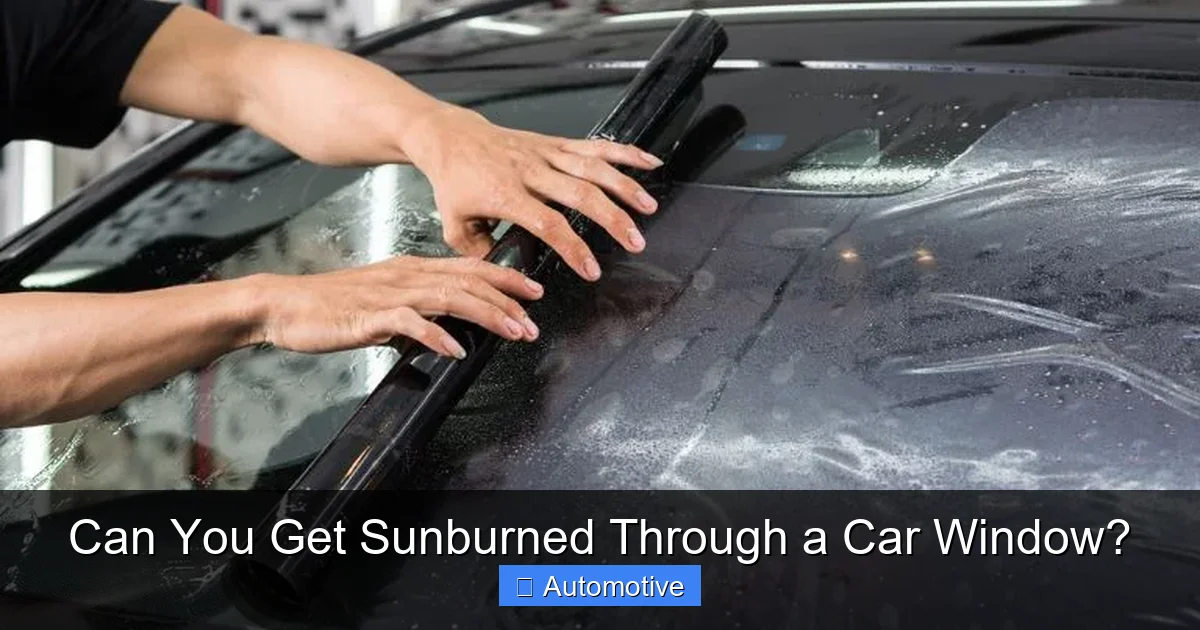
Another powerful solution is to have UV-blocking window film installed on your side and rear windows. These films are designed to block up to 99% of UVA and UVB rays while still allowing visibility. They come in various shades and can be professionally applied to match your car’s tint.
Window films not only protect your skin but can also reduce interior heat, prevent upholstery fading, and improve privacy. Some states have regulations on how dark window tint can be, so be sure to check local laws before installation.
Wear Protective Clothing
Long-sleeved shirts, hats, and sunglasses can provide an extra layer of protection. Look for clothing with UPF (Ultraviolet Protection Factor) ratings—similar to SPF for sunscreen. UPF 50+ fabrics block over 98% of UV radiation.
Even a simple long-sleeve shirt made of tightly woven fabric can make a big difference. And don’t forget sunglasses with UV protection—your eyes are also vulnerable to sun damage.
Use Sunshades and Visors
When parked, use a windshield sunshade to reduce interior heat and UV buildup. While this won’t help while driving, it can prevent the car from becoming a greenhouse that traps heat and radiation.
While driving, use the sun visor to block direct sunlight from your face and eyes. Adjust it to cover the side window if needed.
Choose Cars with Built-In UV Protection
If you’re in the market for a new car, look for models with factory-installed UV-blocking glass. Some luxury vehicles and newer models come with laminated side windows or special coatings that block UV rays. While not standard on all cars, this feature is becoming more common.
Be Extra Cautious with Children
Children’s skin is more sensitive to UV damage, so take extra precautions. Use window shades designed for car windows, dress them in protective clothing, and apply child-safe sunscreen. Never rely solely on the car’s glass for protection.
The Long-Term Risks of Ignoring UV Exposure in Cars
Ignoring UV exposure while driving isn’t just about avoiding a sunburn. The real danger lies in the long-term effects of cumulative UVA exposure.
Over time, repeated exposure to UVA rays can lead to photoaging—premature aging of the skin. This includes wrinkles, sagging, age spots, and a leathery texture. These changes are often more pronounced on the side of the body most exposed to sunlight while driving.
But the risks go beyond cosmetic concerns. UVA radiation is a known carcinogen and contributes to the development of skin cancers, including melanoma, basal cell carcinoma, and squamous cell carcinoma. Even if you don’t burn, the DNA damage caused by UVA can accumulate and increase cancer risk over decades.
Moreover, because the damage is often one-sided, it can be harder to detect early. People may not realize their skin is being damaged until they notice visible changes or develop a suspicious spot.
The bottom line? Just because you’re inside a car doesn’t mean you’re safe from the sun. Taking proactive steps to protect your skin—like using sunscreen, installing window film, and wearing protective clothing—can help reduce your risk and keep your skin healthier for years to come.
Conclusion
So, can you get sunburned through a car window? The answer is yes—especially through side and rear windows that allow UVA rays to pass through. While windshields offer strong protection, the rest of your car’s glass may be letting in harmful radiation that can damage your skin over time.
This isn’t just about avoiding a temporary sunburn. It’s about protecting your skin from long-term damage, premature aging, and even skin cancer. The good news is that simple, practical steps—like applying sunscreen, using window film, and wearing protective clothing—can make a big difference.
Whether you’re a daily commuter, a weekend road tripper, or a parent driving kids around, don’t underestimate the power of the sun—even when you’re behind the wheel. Your skin will thank you.
Frequently Asked Questions
Can you get sunburned through a car window?
Yes, you can get sunburned through a car window, especially side windows. While windshields block most UVB rays, side windows often allow UVA rays to pass through, which can cause skin damage and contribute to sunburn over time.
Do all car windows block UV rays?
No, not all car windows block UV rays equally. Windshields are made of laminated glass and block over 95% of UVA, but side and rear windows are typically made of tempered glass that allows 60–70% of UVA rays to pass through.
Is window tint effective against UV rays?
Yes, UV-blocking window film can be highly effective. High-quality films can block up to 99% of UVA and UVB rays, providing significant protection for your skin and reducing interior heat and fading.
Should I wear sunscreen while driving?
Absolutely. Applying broad-spectrum sunscreen with SPF 30 or higher to exposed skin before driving is one of the best ways to protect against UV damage, especially on long trips or daily commutes.
Can children get sunburned in the car?
Yes, children are especially vulnerable because their skin is more sensitive. Use window shades, protective clothing, and child-safe sunscreen to keep them safe during car rides.
Does the time of day affect UV exposure in the car?
Yes, UV exposure is strongest between 10 a.m. and 4 p.m., and the angle of the sun during morning and afternoon drives can increase exposure through side windows. Always take precautions, regardless of the time.