Can You Get Smoke Smell Out of a Car?

Contents
- 1 Key Takeaways
- 2 📑 Table of Contents
- 3 The Stubborn Truth About Smoke Smell in Cars
- 4 Why Is Smoke Smell So Hard to Eliminate?
- 5 Your DIY Arsenal: How to Tackle Light to Moderate Smoke Odor
- 6 When DIY Isn’t Enough: Professional Solutions
- 7 Prevention: Keeping the Freshness Alive
- 8 The Last Resort: When to Consider Replacement
- 9 Conclusion
- 10 Frequently Asked Questions



Yes, you can effectively remove smoke smell from a car, but it requires a systematic, deep-cleaning approach. The odor penetrates far beyond just the air; it settles into fabrics, plastics, and the ventilation system. Success depends on thoroughness, using the right products, and often combining several methods. While challenging, persistent effort or professional detailing can restore your car’s interior to a neutral, fresh state.
Key Takeaways
- Smoke odor is deeply embedded: Tobacco smoke particles infiltrate every porous surface—upholstery, carpets, headliner, and HVAC systems—making surface cleaning insufficient.
- A multi-step process is essential: Effective removal requires a sequence: thorough vacuuming, fabric and surface cleaning, HVAC treatment, and finally, odor neutralization/absorption.
- DIY can work for mild cases: For light smoke exposure, household items like baking soda, vinegar, and activated charcoal, combined with aggressive vacuuming, can yield good results.
- Professional detailing is for severe cases: Ozone generators and specialized thermal fogging are the industry standards for eliminating heavy, long-term smoke residue and should be handled by experts.
- Prevention is part of the solution: Once clean, maintaining a smoke-free environment with rules, air purifiers, and regular cleaning prevents the smell from returning.
- Patience and repetition are key: Odor removal is not a one-hour task. Expect to repeat certain steps over days or weeks for complete success.
- Assess the car’s value first: For extremely old, heavily smoked-in vehicles with low market value, the cost of professional detailing might exceed the car’s worth, making replacement a practical option.
📑 Table of Contents
The Stubborn Truth About Smoke Smell in Cars
You love your car, but that lingering, stale cigarette smoke smell is a dealbreaker. It clings to everything—the seats, the dashboard, your clothes. It makes driving unpleasant and can seriously hurt your car’s resale value. The big question everyone asks is: can you get smoke smell out of a car? The honest answer is yes, but it’s not easy. Smoke odor is one of the most persistent and invasive smells because it’s not just a scent on the surface; it’s a residue of tar, nicotine, and countless microscopic particles that have worked their way into every nook, cranny, and fiber of your vehicle’s interior.
Think of it like a stain on a white shirt, but instead of just the shirt, the stain is on your skin, your undershirt, and even the washing machine drum. That’s how pervasive smoke is. It gets pulled into the car’s ventilation system, coats the windows, and settles into the foam padding of the seats. So, before we dive into solutions, we need to understand what we’re fighting. The goal is to neutralize and remove this baked-in residue, not just mask it with a pine tree air freshener that disappears in a week.
Why Is Smoke Smell So Hard to Eliminate?
The Science of the Stench
To defeat the enemy, you must know the enemy. Tobacco smoke contains over 7,000 chemicals. Many of these are sticky, oily compounds like tar and nicotine. When someone smokes inside a closed car, these compounds don’t just float away. They condense on every cool surface—the windshield, the windows, the rearview mirror. More importantly, they are absorbed by porous materials. The cloth seats, the carpeted floor mats, the headliner (that fabric roof cover), and even the dust and dirt already trapped in the car all become repositories for these chemicals.
Visual guide about Can You Get Smoke Smell Out of a Car?
Image source: katzkin.com
This is why a simple spray or a vent clip does nothing. The smell is constantly being re-released from these saturated materials, especially when the car heats up in the sun. The heat acts like a catalyst, causing the trapped particles to off-gas, filling the cabin with that familiar ashtray aroma all over again. This cycle is what makes the smell feel permanent.
It’s More Than Just “Smell”
This isn’t just an olfactory issue; it’s a contamination issue. The residue is a sticky film that can attract more dust and dirt, creating a grimy layer on surfaces. It can also affect the electronics and sensors inside the dashboard over a very long period. For non-smokers, the smell is a major irritant and can even trigger allergies or asthma. For anyone, it’s a clear sign of neglect and significantly reduces a car’s perceived value. A potential buyer will walk away the moment they catch a whiff, assuming there are deeper, unseen problems.
Your DIY Arsenal: How to Tackle Light to Moderate Smoke Odor
If the smoke exposure was relatively recent or not extremely heavy, you have a fighting chance with some elbow grease and common household items. The key is to follow a process, not just randomly spraying things. Here is your step-by-step battle plan for a DIY attack.
Visual guide about Can You Get Smoke Smell Out of a Car?
Image source: wikihow.com
Step 1: The Great Vacuuming Crusade
This is the most critical and often underestimated step. You must remove the physical particles that are holding the odor. Rent or borrow a powerful shop vacuum with a crevice tool and upholstery attachment if your home vacuum isn’t up to the task.
- Remove everything: Take out all floor mats, seat covers, trunk liners, and personal items. Take them outside and beat them or vacuum them thoroughly separately.
- Go to town: Using the crevice tool, get into every seam of the seats, between the center console and seats, under the seats, and all vents. Use the upholstery brush attachment on every fabric surface—seats, carpet, headliner. Go over each area multiple times. The goal is to lift as much embedded tar and dust as possible.
- Don’t forget the trunk: The spare tire well and trunk carpet are notorious odor traps.
Step 2: Clean All Hard Surfaces
Now that the loose debris is gone, you need to cut through the oily film on non-fabric surfaces.
- Make a cleaning solution: Mix warm water with a small amount of dish soap (like Dawn) or an all-purpose cleaner. For a fresh scent and extra degreasing power, add a cup of white vinegar to a gallon of water. Vinegar is excellent at neutralizing nicotine residue.
- Wipe everything: Using microfiber cloths, wipe down the dashboard, door panels, steering wheel, shifter, all plastic trim, and even the inside of the windows. Use a soft brush (like a toothbrush) for vents and crevices. Rinse your cloths frequently to avoid spreading grime. For the windshield and windows, finish with a dedicated automotive glass cleaner for a streak-free shine.
Step 3: Treat the Fabrics and Carpets
This is where the real odor lives. You have two main weapons: extraction and absorption.
- Extraction Cleaning (Best Method): If you have access to a carpet extractor or wet/dry vacuum, this is gold. Fill it with the same warm water/vinegar solution or a dedicated automotive upholstery cleaner. Slowly pull the tool over the seats and carpet, allowing the solution to soak in and then sucking it (and the dissolved odor-causing particles) back out. This is the closest you can get at home to a professional shampoo.
- Baking Soda Power: For a simpler, absorbent approach, generously sprinkle baking soda over all fabric surfaces—seats, floor, carpet. Rub it in lightly with a soft brush. Let it sit for at least 4 hours, preferably overnight. Baking soda is a fantastic odor absorber. Then, vacuum it all up thoroughly. You may need to repeat this process 2-3 times over a week.
- Odor-Neutralizing Sprays: Products like Ozium or other enzymatic cleaners (designed for organic odors) can help. Follow the instructions, spraying onto fabrics and into the air. These work by breaking down odor molecules, not just masking them.
Step 4: Attack the HVAC System
The vents are a major odor highway. The smell gets trapped in the air intake, the cabin air filter (if you have one), and the evaporator coils.
- Change the Cabin Air Filter: This is a must. Locate it (usually behind the glovebox or under the hood) and replace it with a new one. A smoked-in filter will stink forever.
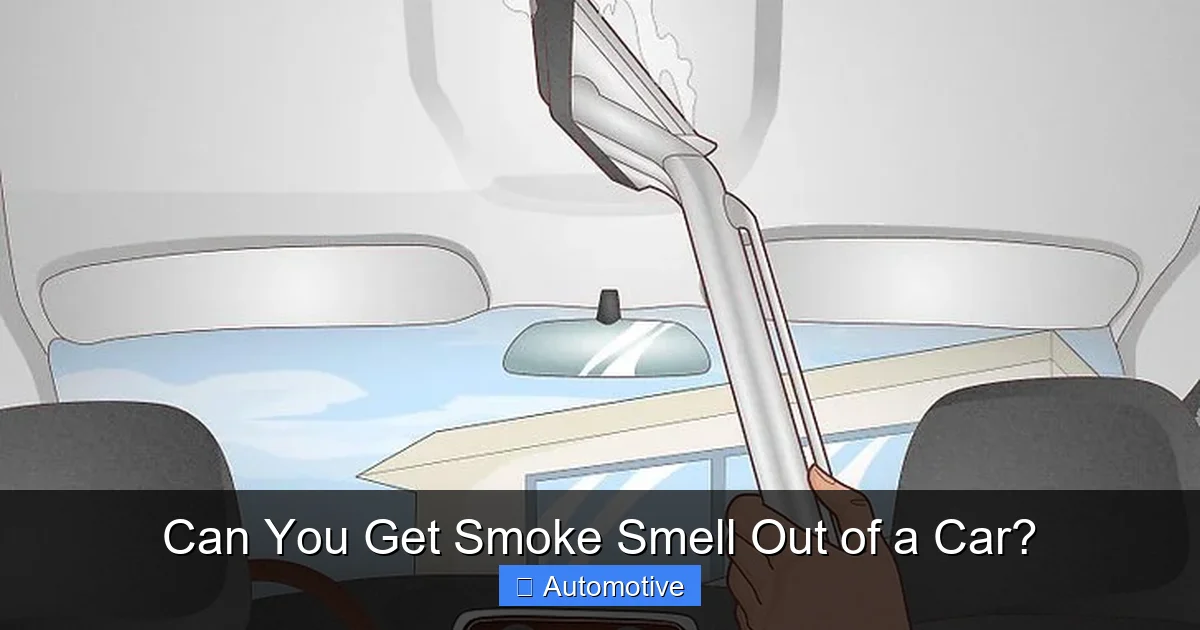
- Duct Treatment: With the fan set to max and the AC on, spray a dedicated HVAC odor eliminator (like a fogger or spray) into the intake vents (usually at the base of the windshield). Let the system run for 10-15 minutes with windows up to circulate the treatment through the entire ductwork.
Step 5: The Final Siege – Absorption and Time
After all cleaning, place open boxes of baking soda or, even better, bags of activated charcoal (available online or at pet/water filter stores) in strategic spots—under seats, in the trunk. These are passive but powerful odor absorbers. Leave them for several days to a week. Finally, park the car in the sun with the windows cracked slightly (if safe) for a day. The heat and ventilation will help expel any last lingering traces.
When DIY Isn’t Enough: Professional Solutions
If you’ve followed the DIY steps religiously and still catch a whiff, especially on hot days, the odor has likely penetrated too deep. At this point, it’s time to call in the pros. There are two primary professional-grade methods.
Visual guide about Can You Get Smoke Smell Out of a Car?
Image source: autocurious.com
Ozone Generator Treatment
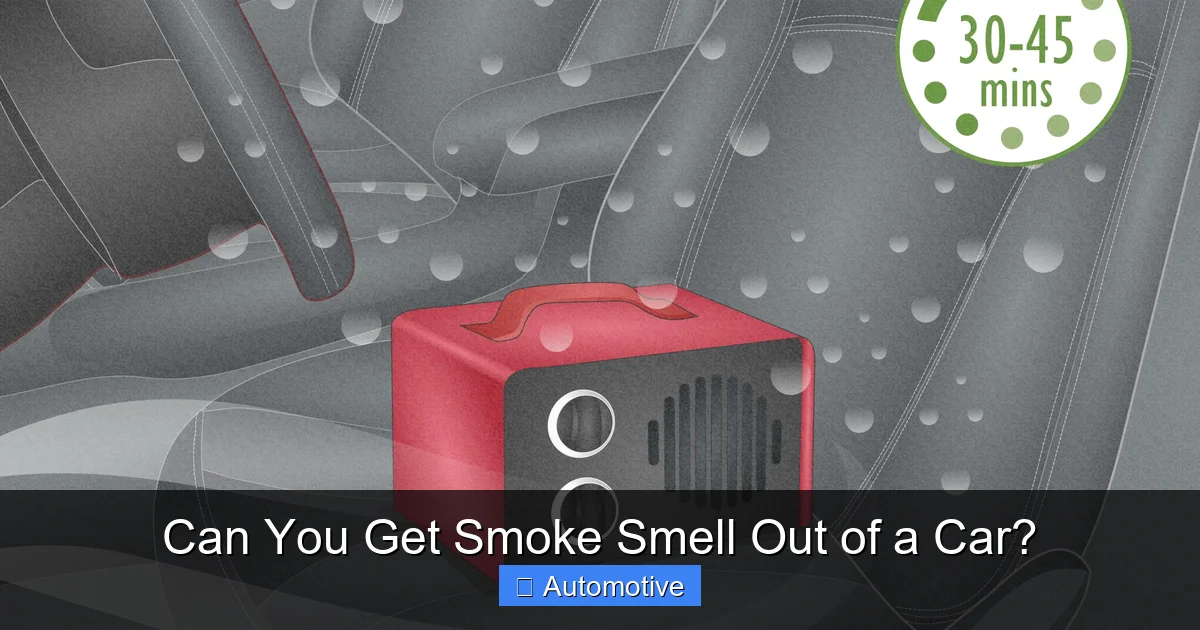
This is the most effective and common professional solution for smoke odor. An ozone generator creates ozone (O3), a highly reactive molecule. The ozone molecules are pumped into the sealed car and they actively seek out and oxidize the odor-causing molecules, breaking them down into harmless compounds. It’s not a fragrance; it’s a chemical reaction that destroys the odor at its source.
- Why you need a pro: Ozone is a lung irritant and dangerous to breathe in. Professionals use industrial-grade units and follow strict safety protocols, evacuating the car for a set period (often 1-3 hours) and then airing it out thoroughly before returning it to you.
- What to expect: The car will smell like ozone (a sharp, clean, electrical smell) for a day or two after treatment. This is normal and dissipates quickly. The smoke smell should be gone or drastically reduced.
Thermal Fogging
This is a more aggressive method, sometimes used for severe fire damage. A specialized machine heats a deodorizing solution into a fine fog that penetrates every crack and crevice, encapsulating odor particles. It’s very effective but can leave a slight residue and is generally more expensive than ozone. It’s less common for standard tobacco odor but an option for the most extreme cases.
Prevention: Keeping the Freshness Alive
Once you’ve won the battle, you must maintain the peace. A clean car is a fresh car, but habits matter.
- Establish a No-Smoking Rule: This is non-negotiable. Enforce it for everyone, including yourself.
- Use the Ventilation System Wisely: When driving, use the outside air setting and keep vents clear of obstructions. Consider using a high-quality cabin air filter designed for odor reduction.
- Maintain a Clean Interior: Regularly vacuum and wipe down surfaces. Dust and dirt trap odors. A quick clean every few weeks prevents buildup.
- Employ Passive Absorbers: Keep a small container of activated charcoal or a few silica gel packs (often found in packaged goods) under a seat. They continuously absorb any new odors from spills, food, or sweat.
- Address Spills Immediately: Any liquid spill, especially sugary or organic ones, can become a new odor source if left to sit and ferment.
The Last Resort: When to Consider Replacement
Sometimes, the battle is lost before it begins. If the car has been a dedicated “smoker’s car” for years, the odor is in every molecule of the foam padding, in the wiring harnesses, and in the very structure of the interior. The cost of multiple professional ozone treatments, full interior removal and cleaning (which involves taking the entire interior apart), and replacement of many components can easily run into the thousands.
You must do a cost-benefit analysis. What is your car’s current market value in a smoke-free condition? If the detailing cost is 50% or more of that value, it’s often not financially sensible. At that point, your best move might be to sell the car as-is for parts or scrap and invest in a cleaner vehicle. For classic or sentimental cars, you might proceed with the expensive restoration anyway, but for a daily driver, practicality should win.
Conclusion
So, can you get smoke smell out of a car? Absolutely. The path is clear: start with a rigorous, systematic deep clean using the DIY methods outlined. If that fails, invest in a professional ozone treatment from a reputable detailer. Understand that for deeply saturated interiors, the effort and cost may be prohibitive, and selling the vehicle might be the smarter choice. The most important step is the first one: committing to the process. Whether you restore your current car to freshness or move on to a new, clean slate, taking action against that pervasive smell will make every drive more enjoyable and protect your investment. Remember, a fresh car isn’t just about smell; it’s about pride of ownership and health.
Frequently Asked Questions
Will baking soda alone get rid of smoke smell in a car?
Baking soda is a great odor absorber and is a crucial part of the process, but it won’t eliminate the sticky residue causing the smell on its own. It must be used after a thorough vacuuming and cleaning to absorb lingering particles. For best results, use it as a final step after cleaning surfaces and fabrics.
Is ozone treatment safe for my car’s interior and electronics?
When performed correctly by a professional using calibrated equipment, ozone treatment is safe for all car materials. The treatment time is controlled to prevent any potential oxidation of rubber or plastics. The key is proper aeration after the treatment to remove any residual ozone gas before re-entering the vehicle.
How long does it typically take to completely remove a smoke smell?
There’s no instant fix. A thorough DIY process can take a full weekend of work, followed by several days of passive absorption (like leaving charcoal in the car). Professional ozone treatment usually takes about 3-4 hours for the service, plus 1-2 hours of airing out afterward. You should notice a significant improvement immediately after a proper ozone treatment.
What is the single most important step in removing smoke odor?
Without a doubt, the most critical step is thorough, deep vacuuming before any wet cleaning. Removing the bulk of the loose tar, ash, and dust particles that are saturated with odor is the foundation. Skipping or rushing this step means you’re just cleaning over the top of the problem, not addressing its source.
Can I use Febreze or other air fresheners to get rid of the smell?
No. Products like Febreze are odor maskers. They temporarily cover the smell with a stronger, different fragrance. The underlying smoke odor remains and will re-emerge once the masking scent fades, often creating a worse, mixed smell. You must use odor neutralizers or absorbers that destroy or trap the odor molecules.
If I sell my smoke-smelling car, do I have to disclose it?
Ethically and often legally, yes. Most states have consumer protection laws that require sellers to disclose known defects that materially affect the value or desirability of the vehicle. A pervasive smoke odor is a material flaw. Failing to disclose it can lead to the sale being rescinded or legal action. It’s better to be upfront, price the car accordingly, or fix the problem first.