
Can You Get a Car Wash in the Winter?

You absolutely can—and should—get a car wash in the winter. Cold weather, road salt, and grime can damage your car’s paint and undercarriage if left unchecked. Regular washing helps prevent rust, corrosion, and long-term wear, keeping your vehicle in top shape all season long.
Key Takeaways
- Winter car washes prevent rust and corrosion: Road salt and de-icing chemicals accelerate metal deterioration, making regular washing essential.
- Choose the right type of car wash: Touchless or automatic washes are safer in cold weather than hand washing, which can freeze.
- Timing matters: Wash your car during the warmest part of the day to avoid water freezing on surfaces.
- Focus on the undercarriage: Salt and grime accumulate underneath your car, so undercarriage cleaning is critical.
- Protect your paint with wax: A good wax coat adds a protective barrier against moisture and salt.
- Interior cleaning is just as important: Wet boots and snow melt can lead to mold and odors if not cleaned regularly.
- DIY vs. professional washes: Professional washes often have better drainage and heated bays, reducing freeze risk.
📑 Table of Contents
Can You Get a Car Wash in the Winter?
Winter brings snow, ice, and freezing temperatures—but that doesn’t mean your car care routine should go on hiatus. In fact, winter might be the most important time to keep your vehicle clean. Many drivers assume that washing a car in cold weather is pointless or even harmful, but the truth is quite the opposite. Getting a car wash in the winter isn’t just possible—it’s highly recommended.
Cold weather doesn’t stop dirt, salt, and grime from building up on your vehicle. In many regions, road crews use salt and chemical de-icers to keep roads safe, but these substances are harsh on your car’s exterior and undercarriage. Without regular cleaning, salt can eat through paint, cause rust, and damage metal components. Plus, snow and slush tracked into your car can soak into carpets and floor mats, leading to mold, mildew, and unpleasant odors.
So, can you get a car wash in the winter? Absolutely. With the right approach, winter car washing can actually be more beneficial than during warmer months. It helps preserve your car’s appearance, protects its value, and prevents costly repairs down the road. The key is knowing how to do it safely and effectively, whether you’re using a professional service or washing at home.
Why Winter Car Washing Is Essential
Visual guide about Can You Get a Car Wash in the Winter?
Image source: inoutcarwash.com
You might think that because it’s cold and snowy, your car doesn’t need washing as often. But winter conditions are actually harsher on your vehicle than summer heat or rain. The combination of moisture, salt, and road debris creates a perfect storm for damage.
One of the biggest threats in winter is road salt. Municipalities spread salt to melt ice and snow, but it’s highly corrosive. When salt mixes with moisture, it forms a conductive solution that accelerates rust formation on metal parts. This doesn’t just affect the visible parts of your car—like the doors and fenders—but also the undercarriage, wheel wells, and brake lines. Over time, untreated salt buildup can lead to structural damage and expensive repairs.
Another issue is grime and slush. As snow melts and refreezes, it picks up dirt, oil, and debris from the road. This sticky mixture clings to your car’s surface and underside, creating a protective layer for salt and moisture. Without washing, this sludge can trap moisture against the metal, increasing the risk of corrosion.
Even your car’s paint isn’t safe. Salt and acidic de-icing chemicals can degrade clear coats and paint finishes. Over time, this leads to fading, peeling, and dullness. Regular washing removes these contaminants before they can cause permanent damage.
The Hidden Dangers of Neglect
Ignoring your car during winter can lead to problems you might not notice until spring. For example, rust spots may start small but can spread quickly once the weather warms up. Once rust takes hold, it’s much harder and more expensive to repair. Similarly, moisture trapped in door seals or under trim can freeze and expand, causing cracks or warping.
Another hidden danger is brake and suspension damage. The undercarriage is especially vulnerable to salt and moisture. Components like brake lines, shocks, and exhaust systems can corrode if not cleaned regularly. This not only affects performance but can also compromise safety.
Even your car’s resale value can suffer. A well-maintained exterior and undercarriage signal to buyers that the vehicle has been cared for. A rusty, salt-stained car, on the other hand, raises red flags and lowers its market value.
Benefits of Regular Winter Washing
So, what are the benefits of washing your car in winter? First and foremost, it protects your investment. Regular cleaning removes harmful substances before they can cause damage. It also helps maintain your car’s appearance, keeping it looking newer for longer.
Washing also improves safety. A clean windshield, windows, and lights ensure better visibility in snowy or foggy conditions. Salt and grime can reduce the effectiveness of wipers and headlights, making driving more hazardous.
Finally, winter washing can save you money. Preventing rust and corrosion now means fewer repairs later. It also extends the life of your paint, undercarriage, and interior components. In the long run, a little time and effort spent washing your car can pay off in lower maintenance costs and higher resale value.
Best Practices for Winter Car Washing
Visual guide about Can You Get a Car Wash in the Winter?
Image source: thumbs.dreamstime.com
Now that you know why winter car washing is important, let’s talk about how to do it right. Cold weather introduces unique challenges, but with a few smart strategies, you can wash your car safely and effectively.
One of the most important things to remember is timing. Wash your car during the warmest part of the day, ideally when temperatures are above freezing. This reduces the risk of water freezing on your car’s surface. Early afternoon is usually the best window, especially on sunny days.
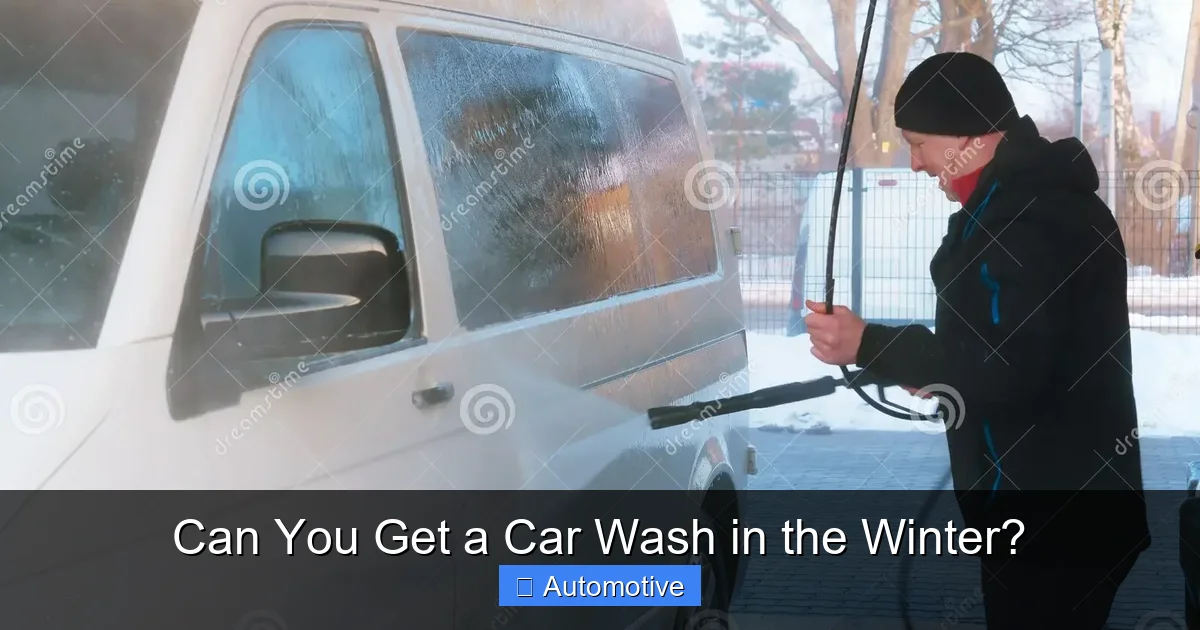
Another key tip is to avoid hand washing in extreme cold. While it might seem like a good way to save money, washing your car with a hose and bucket in freezing temperatures can lead to icy surfaces, frozen doors, and even damage to your paint if water seeps into cracks and freezes. If you do choose to wash at home, use a spray nozzle with a shut-off valve to minimize water exposure and dry your car thoroughly with microfiber towels.
Choose the Right Car Wash Method
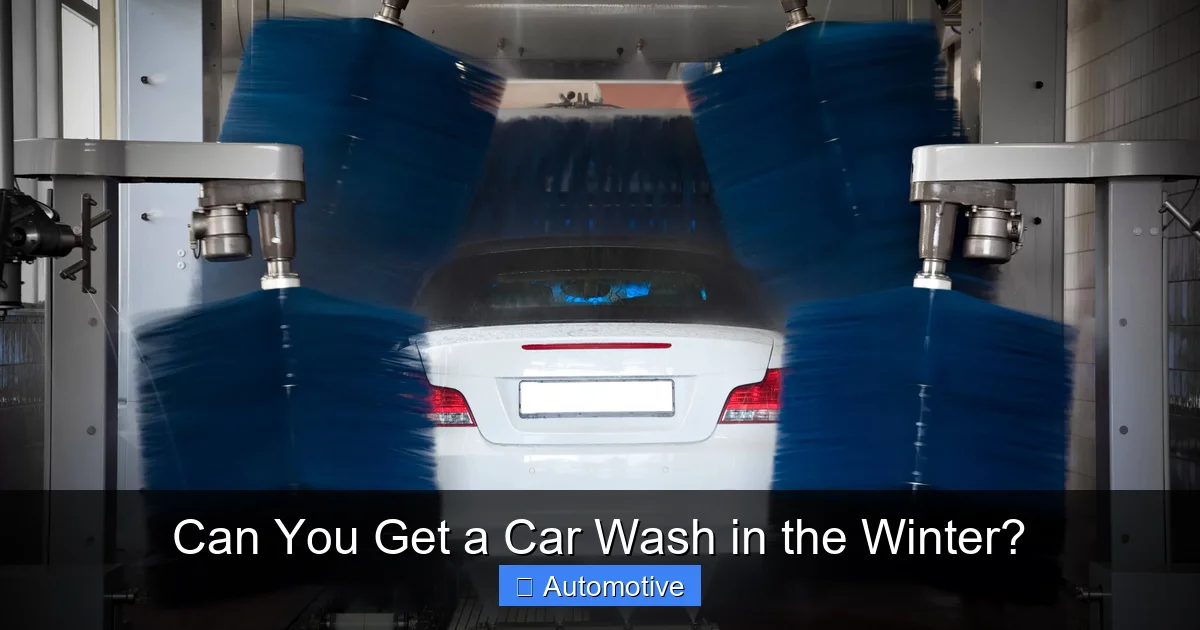
Not all car washes are created equal, especially in winter. The safest and most effective options are automatic or touchless car washes. These systems use high-pressure water and specialized detergents to clean your car without physical contact, reducing the risk of scratches or damage.
Touchless washes are particularly good for winter because they use powerful jets to remove salt and grime without brushes that could trap ice or debris. Many also offer undercarriage wash options, which are crucial for removing salt buildup from hard-to-reach areas.
If you prefer a more thorough clean, consider a full-service car wash. These often include hand drying, interior vacuuming, and undercarriage rinsing. Some even have heated bays, which help prevent water from freezing on your car as it’s being dried.
Don’t Skip the Undercarriage
One of the most overlooked aspects of winter car washing is the undercarriage. This is where salt and grime accumulate the most, and it’s also the most vulnerable to rust and corrosion. Unfortunately, many DIY washes and even some automatic systems don’t clean the undercarriage effectively.
When choosing a car wash, look for one that offers an undercarriage rinse or spray. Some facilities have special nozzles that target the underside of your vehicle. If you’re washing at home, use a pressure washer with an undercarriage attachment, but be careful not to spray directly at electrical components or sensitive parts.
Protect Your Paint with Wax
After washing, consider applying a coat of wax. Wax creates a protective barrier that repels water, salt, and dirt. It also makes future washes easier and helps maintain your car’s shine. In winter, a good wax job can be your first line of defense against the elements.
Look for a wax specifically formulated for cold weather or long-lasting protection. Spray waxes are quick and easy to apply, even in chilly conditions, and can provide several weeks of coverage. For longer protection, consider a ceramic coating, which can last months and offer superior resistance to salt and UV damage.
DIY vs. Professional Winter Car Washes

Visual guide about Can You Get a Car Wash in the Winter?
Image source: cdn.free-printable-signs.com
One of the biggest decisions you’ll face is whether to wash your car yourself or go to a professional. Both options have pros and cons, especially in winter.
DIY Winter Car Washing
Washing your car at home can save money and give you more control over the process. You can focus on problem areas, use your preferred products, and take your time. However, winter conditions make DIY washing more challenging.
The main issue is freezing. Water left on your car can freeze, especially overnight. This can cause doors to stick, windows to freeze shut, and even damage seals. To avoid this, wash your car when it’s warm, dry it thoroughly, and park in a garage if possible.
Another challenge is water drainage. If you’re using a hose, make sure the water can drain away from your driveway and sidewalks to prevent icy patches. Some people use a bucket and sponge method to minimize water use, but this can be time-consuming and less effective at removing salt.
If you do wash at home, use a winter-specific car shampoo. These formulas are designed to cut through salt and grime without stripping wax or damaging paint. Avoid household cleaners like dish soap, which can be too harsh and remove protective coatings.
Professional Winter Car Washes
Professional car washes are often the better choice in winter. They have the equipment, expertise, and infrastructure to handle cold-weather challenges. Many use heated bays, high-powered dryers, and specialized detergents that work effectively in low temperatures.
Another advantage is undercarriage cleaning. Most professional washes offer this service, which is essential for removing salt and preventing rust. Some even have rust-proofing treatments available, which can provide long-term protection.
Additionally, professional washes are faster and more convenient. You don’t have to worry about freezing, drying, or cleanup. Many offer monthly memberships or discounts for regular customers, making them cost-effective over time.
Choosing the Right Car Wash Service
Not all car washes are equipped for winter. When choosing a service, look for one that offers:
– Touchless or automatic washing
– Undercarriage rinse
– Heated drying bays
– Winter-safe detergents
– Positive customer reviews
Ask about their winter procedures and whether they recommend any additional treatments. Some shops offer pre-wash salt removal or undercoating services, which can be worth the investment.
Interior Cleaning in Winter
While the exterior gets most of the attention, your car’s interior also needs care in winter. Snow, slush, and wet boots can quickly turn your cabin into a muddy, smelly mess.
Protect Your Floors
Start by using all-weather floor mats. These are designed to trap water, salt, and dirt, protecting your carpet from stains and mold. Rubber or thermoplastic mats are easy to clean and can be hosed off or wiped down.
If you don’t have all-weather mats, consider investing in them. They’re relatively inexpensive and can save you hundreds in carpet cleaning or replacement costs. For extra protection, use carpet liners or waterproof seat covers.
Regular Vacuuming and Wiping
Wet conditions mean more dirt and moisture inside your car. Vacuum your carpets and seats weekly to remove salt, sand, and debris. Pay special attention to the footwells and under the seats, where moisture can accumulate.
Use a damp cloth to wipe down hard surfaces like the dashboard, door panels, and center console. This prevents salt residue from building up and reduces the risk of mold. For leather seats, use a conditioner to prevent cracking in dry, cold air.
Dealing with Odors and Mold
Moisture trapped in carpets or upholstery can lead to mold and mildew, which cause unpleasant odors and health issues. If you notice a musty smell, act quickly.
Use a carpet cleaner or enzymatic cleaner to treat affected areas. For severe cases, you may need to remove the mats and dry the carpet thoroughly. A dehumidifier or moisture absorber can help reduce humidity inside the car.
Prevention is key. Always dry off wet items before placing them in the car, and avoid leaving damp clothes or gear inside. Crack a window slightly when parked to improve airflow and reduce condensation.
Common Myths About Winter Car Washing
Despite the clear benefits, many myths persist about washing cars in winter. Let’s clear up some of the most common misconceptions.
Myth 1: “It’s Too Cold to Wash Your Car”
This is one of the biggest myths. While it’s true that washing in extreme cold can be risky, it’s not impossible. As long as you wash during the warmest part of the day and dry your car thoroughly, you can safely clean your vehicle. Professional washes with heated bays make it even easier.
Myth 2: “The Snow Will Wash It Off Anyway”
Snow might cover your car, but it doesn’t clean it. In fact, snow can trap salt and grime, making the problem worse. Melting snow can also refreeze, creating ice that’s harder to remove. Relying on snow to clean your car is not a substitute for proper washing.
Myth 3: “Washing in Winter Causes More Rust”
This myth suggests that washing introduces more moisture, which leads to rust. But the opposite is true. Salt and grime hold moisture against the metal, which is what causes rust. Washing removes these contaminants and reduces the risk. The key is to dry your car properly afterward.
Myth 4: “You Don’t Need to Wash as Often in Winter”
Winter conditions are actually more damaging than summer, so you may need to wash more frequently. Salt, sand, and de-icing chemicals build up quickly, especially in snowy regions. Experts recommend washing your car every 1–2 weeks in winter, or after heavy snow or salt exposure.
Myth 5: “Hand Washing Is Always Better”
While hand washing gives you more control, it’s not always the best option in winter. Cold water, frozen surfaces, and drying challenges make it less effective and more risky. Automatic or touchless washes are often safer and more thorough, especially for undercarriage cleaning.
Conclusion
So, can you get a car wash in the winter? The answer is a resounding yes—and you should. Winter may bring cold temperatures and snow, but it also brings salt, grime, and moisture that can seriously damage your vehicle. Regular washing is one of the simplest and most effective ways to protect your car’s paint, undercarriage, and interior.
By choosing the right method, timing your washes wisely, and focusing on undercarriage cleaning, you can keep your car in excellent condition all season long. Whether you go with a professional service or tackle it yourself, the effort pays off in the form of fewer repairs, better performance, and a higher resale value.
Don’t let winter weather stop you from caring for your car. With the right approach, a winter car wash isn’t just possible—it’s essential. So grab your microfiber towels, find a warm afternoon, and give your car the care it deserves. Your vehicle—and your wallet—will thank you.
Frequently Asked Questions
Is it safe to wash my car in freezing temperatures?
Yes, as long as you wash during the warmest part of the day and dry your car thoroughly. Avoid washing when temperatures are below 35°F (2°C) to prevent water from freezing on surfaces.
Can I use a pressure washer in winter?
Yes, but be cautious. Use a low-pressure setting and avoid spraying directly at seals, electrical components, or undercarriage parts that could be damaged by high-pressure water.
How often should I wash my car in winter?
Experts recommend washing your car every 1–2 weeks during winter, or after exposure to heavy snow, salt, or slush. More frequent washing may be needed in harsh climates.
Will washing my car in winter cause rust?
No, washing actually prevents rust by removing salt and moisture. The key is to dry your car completely after washing to avoid water pooling in crevices.
Can I wax my car in cold weather?
Yes, but choose a spray wax or winter-safe formula. Apply it in a garage or sheltered area where temperatures are above freezing, and avoid waxing in direct sunlight or wind.
What’s the best type of car wash for winter?
Touchless or automatic car washes with undercarriage rinsing and heated drying bays are ideal. They minimize contact, reduce freeze risk, and clean hard-to-reach areas effectively.