
Can You Gate-check a Car Seat?

Yes, you can gate-check a car seat—and it’s often the safest and most convenient option when traveling with young children. Most airlines allow free gate-checking of car seats, letting you use them up to the aircraft door and ensuring they’re handled with care. This guide covers everything you need to know to do it right.
Key Takeaways
- Gate-checking is free: Most major airlines allow you to gate-check a car seat at no extra cost, even on basic economy fares.
- It’s safer than cargo: Gate-checked car seats are stored in the cabin’s pressurized, temperature-controlled baggage compartment, reducing damage risk.
- Use it until boarding: You can keep your child in the car seat all the way to the gate, making travel smoother and less stressful.
- Label your car seat: Clearly mark your car seat with your name, flight info, and contact details to prevent loss or mix-ups.
- Check airline policies: While most allow gate-checking, rules vary slightly—always confirm with your airline before flying.
- Consider a travel bag: A padded car seat travel bag protects your seat from dirt, scratches, and wear during handling.
- Know your rights: Under U.S. DOT guidelines, airlines must allow one car seat per child under 2, either used onboard or gate-checked.
📑 Table of Contents
- Can You Gate-Check a Car Seat? The Short Answer
- Why Gate-Checking a Car Seat Makes Sense
- How to Gate-Check a Car Seat: Step-by-Step
- What Airlines Say About Gate-Checking Car Seats
- Tips for Protecting Your Car Seat During Travel
- Alternatives to Gate-Checking
- Common Mistakes to Avoid
- Final Thoughts: Travel Smart, Travel Safe
Can You Gate-Check a Car Seat? The Short Answer
If you’re traveling with a toddler or infant, one of the first questions that pops into your mind is: Can I gate-check a car seat? The good news is—yes, you absolutely can. In fact, gate-checking a car seat is not only allowed by most airlines, but it’s also encouraged as a safe and practical way to transport your child’s safety seat.
Gate-checking means you can use the car seat right up until you board the plane. Instead of checking it at the ticket counter (where it might get tossed into the main cargo hold), you hand it over at the gate. The airline then stores it in the aircraft’s forward baggage compartment—usually a cleaner, more controlled environment. This reduces the risk of damage, loss, or exposure to extreme temperatures.
But while the concept is simple, there’s more to it than just handing over the seat. From labeling to airline policies to choosing the right travel bag, there are important steps to ensure your car seat arrives safely and is ready to use at your destination. This guide will walk you through everything you need to know about gate-checking a car seat—so you can travel with peace of mind.
Why Gate-Checking a Car Seat Makes Sense
Visual guide about Can You Gate-check a Car Seat?
Image source: i.pinimg.com
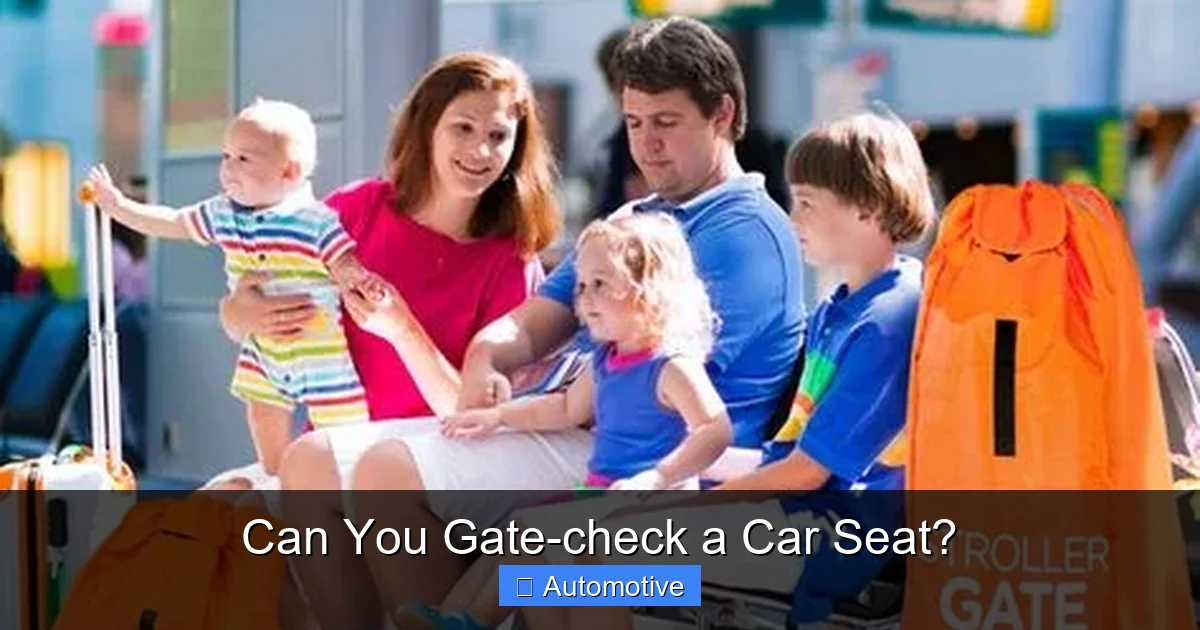
Traveling with young children is already a logistical challenge. Adding a car seat to the mix can feel overwhelming—especially when you’re juggling strollers, diaper bags, and tired little ones. That’s why gate-checking is such a game-changer. It offers a smart middle ground between using the car seat on the plane and checking it at the counter.
Convenience and Comfort
One of the biggest perks of gate-checking is that you can keep your child in their car seat all the way to the gate. This means no struggling with a fussy toddler in a stroller or trying to soothe them in a crowded terminal. If your child is used to their car seat, they’ll feel more secure and comfortable during the journey to the plane.
Plus, many parents find it easier to manage their child’s routine—naps, snacks, screen time—while they’re safely buckled in. You can even use the car seat as a makeshift high chair in the airport if needed. When it’s time to board, you simply unbuckle your child, fold up the stroller, and hand the car seat to the gate agent.
Safety Over the Cargo Hold
When you check a car seat at the ticket counter, it goes into the main cargo hold with all the other luggage. This area is pressurized and temperature-controlled, but it’s also subject to rough handling, heavy stacking, and potential exposure to moisture or extreme cold during winter flights.
Gate-checked items, on the other hand, are typically loaded last and unloaded first. They’re stored in a separate, often more protected section of the cargo hold. Flight attendants and ground crew know these items belong to passengers boarding the plane, so they’re generally handled with more care.
Additionally, if your flight is full, there’s a chance your car seat might not make it on board if you try to use it as a seat. Airlines prioritize paying passengers, and car seats can only be used in certain seats (usually window seats) and only if the child meets weight and height requirements. By gate-checking, you avoid the stress of potentially being told at the last minute that your seat can’t be used.
Cost-Effective and Often Free
Here’s another big advantage: gate-checking a car seat is usually free. Most major U.S. airlines—including Delta, American, United, Southwest, and Alaska—allow one car seat per child under 2 to be checked at no extra charge, whether at the counter or at the gate. This applies even if you’re flying basic economy.
Some international carriers may charge fees, so it’s always wise to check the airline’s policy in advance. But for domestic travel, you’re almost always in the clear. This makes gate-checking a budget-friendly option compared to renting a car seat at your destination, which can cost $10–$15 per day and may not meet U.S. safety standards.
How to Gate-Check a Car Seat: Step-by-Step
Visual guide about Can You Gate-check a Car Seat?
Image source: automotiveplanner.com
Now that you know why gate-checking is a great idea, let’s walk through exactly how to do it. The process is simple, but a few key steps can make all the difference in ensuring your car seat arrives in one piece.
1. Confirm Airline Policy
Before you leave for the airport, visit your airline’s website or call customer service to confirm their car seat policy. While most allow free gate-checking, some have specific rules—like requiring a travel bag or limiting the number of car seats per family.
For example, Southwest allows one car seat per child under 2 to be checked for free, either at the gate or counter. Delta follows a similar policy, but recommends using a travel bag for protection. United allows gate-checking but advises arriving early to avoid delays.
2. Prepare Your Car Seat
Clean your car seat before travel. Remove any loose toys, snacks, or debris that could fall out during handling. Check the harness straps to make sure they’re not twisted, and ensure the buckle is functioning properly.
If your car seat has removable parts—like a cup holder or sunshade—consider removing them and packing them in your carry-on to prevent loss.
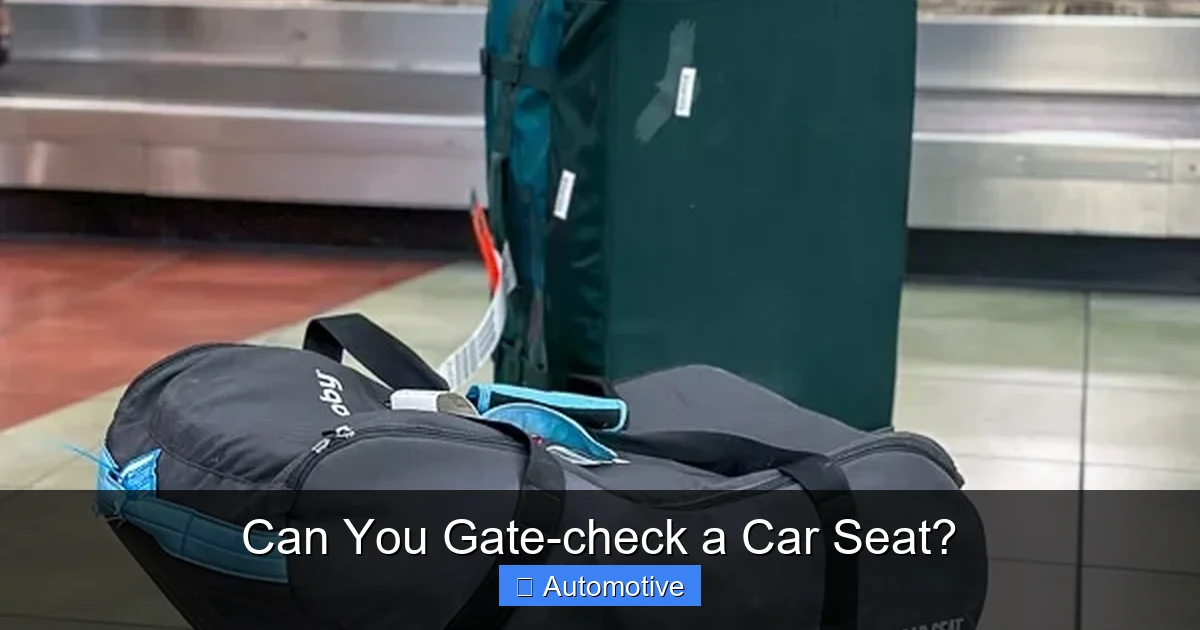
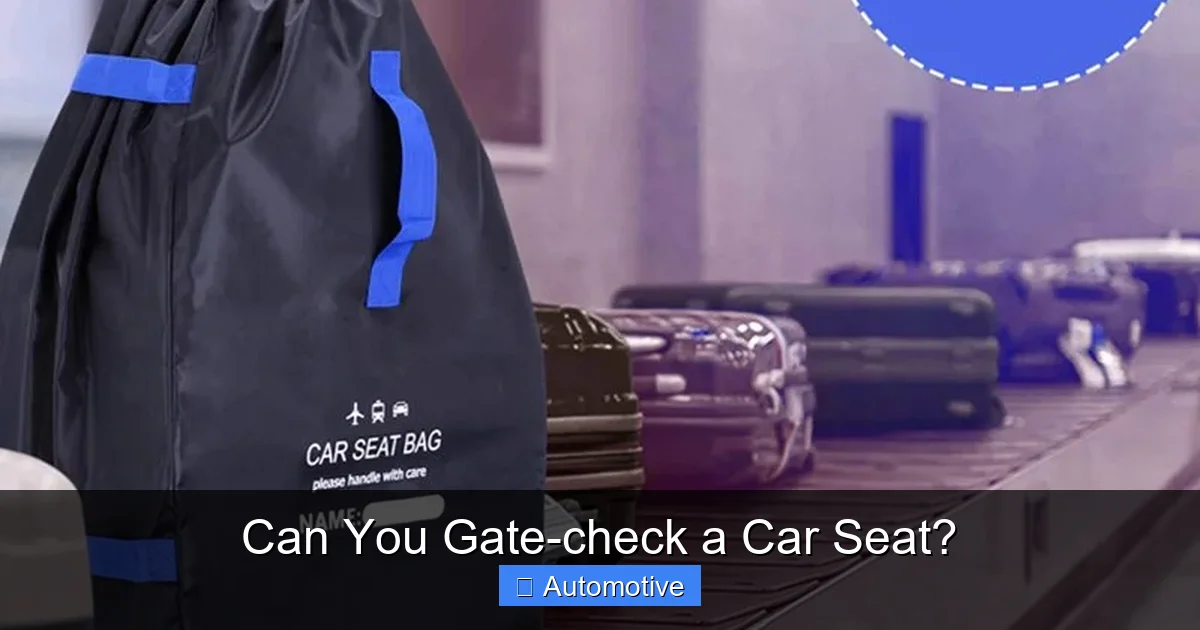
3. Use a Car Seat Travel Bag
While not always required, a padded travel bag is highly recommended. It protects your car seat from dirt, scratches, and moisture. Look for a bag with shoulder straps for easy carrying, a clear ID window, and durable zippers.
Popular options include the J.L. Childress Ultimate Car Seat Travel Bag, the Diono Car Seat Travel Bag, and the Skip Hop Car Seat Travel Bag. Some bags even convert into a backpack, making it easier to navigate the airport.
4. Label Your Car Seat
This step is crucial. Clearly label your car seat with your name, flight number, destination, and a phone number. Use a permanent marker on the travel bag or attach a luggage tag. Some parents also include a small note saying “Fragile – Child Safety Seat” to encourage careful handling.
If your car seat has a manufacturer label, don’t cover it—airline staff may need to verify it meets FAA standards.
5. Arrive Early and Inform the Gate Agent
Arrive at the gate at least 30–45 minutes before boarding. When you approach the gate agent, let them know you’d like to gate-check your car seat. They’ll usually provide a tag to attach to the seat or bag.
Some agents may ask if you’re using the seat on board. If not, confirm that you’re gate-checking it. They’ll note it in the system so it’s ready when you deplane.
6. Retrieve Your Car Seat at the Gate
After landing, wait until most passengers have deplaned. The gate agent will usually bring gate-checked items to the jet bridge or baggage claim area. Have your boarding pass ready to verify ownership.
Inspect your car seat for damage before leaving the airport. If you notice any issues—like a cracked shell or broken buckle—report it immediately to the airline’s baggage service office.
What Airlines Say About Gate-Checking Car Seats
Visual guide about Can You Gate-check a Car Seat?
Image source: images.nexusapp.co
Airline policies can vary slightly, so it’s important to know what to expect. Here’s a quick rundown of what major U.S. carriers allow:
Delta Air Lines
Delta allows one car seat per child under 2 to be checked for free, either at the counter or at the gate. They recommend using a travel bag and labeling the seat clearly. Gate-checked car seats are stored in the forward cargo hold.
American Airlines
American allows free gate-checking of one car seat per child under 2. They encourage passengers to use a travel bag and arrive early. Car seats must meet FAA standards if used on board.
United Airlines
United permits gate-checking of car seats at no charge. They advise passengers to check in online and inform the gate agent upon arrival. Car seats are stored in the aircraft’s pressurized cargo area.
Southwest Airlines
Southwest allows one car seat per child under 2 to be checked for free. They don’t require a travel bag, but strongly recommend one. Gate-checked items are returned at the jet bridge.
Alaska Airlines
Alaska allows free gate-checking of car seats. They recommend using a travel bag and labeling the seat. Car seats are stored in the forward baggage compartment.
JetBlue
JetBlue permits gate-checking of one car seat per child under 2 at no extra cost. They encourage the use of a travel bag and early arrival at the gate.
International Flights
Policies may differ on international carriers. For example, British Airways allows one car seat per child under 2 to be checked for free, but charges may apply on some routes. Always check the airline’s website or contact customer service before flying internationally.
Tips for Protecting Your Car Seat During Travel
Even with gate-checking, car seats can take a beating during travel. Here are some pro tips to keep yours in top condition:
Use a High-Quality Travel Bag
Invest in a durable, padded travel bag with reinforced stitching and water-resistant material. Look for features like padded shoulder straps, a clear ID window, and a zippered front pocket for small items.
Avoid using garbage bags or makeshift covers—they offer little protection and can tear easily.
Pack Smart
If your car seat has removable parts, pack them in your carry-on. This includes cup holders, sunshades, and extra harness covers. You can also use the travel bag’s front pocket for small essentials like wipes or a change of clothes.
Take Photos Before Travel
Snap a few pictures of your car seat before you leave home. This can help prove its condition if you need to file a damage claim later.
Check for Damage Upon Arrival
Inspect your car seat as soon as you receive it. Look for cracks, loose parts, or signs of water damage. If anything seems off, report it to the airline immediately.
Know Your Rights
Under U.S. Department of Transportation (DOT) guidelines, airlines must allow one car seat per child under 2, either used on board or checked for free. If an airline refuses to gate-check your seat or charges a fee, you can file a complaint with the DOT.
Alternatives to Gate-Checking
While gate-checking is often the best option, it’s not the only one. Here are a few alternatives to consider:
Using the Car Seat On Board
If your child is under 40 pounds and the car seat is FAA-approved, you can use it on the plane. It must fit in a window seat and not block emergency exits. You’ll need to purchase a separate seat for your child, but this ensures they’re safely restrained during the flight.
Checking at the Counter
You can check your car seat at the ticket counter, but this increases the risk of damage or loss. It’s best reserved for situations where gate-checking isn’t available or practical.
Renting a Car Seat
Some hotels, resorts, and car rental companies offer car seat rentals. While convenient, these seats may not meet U.S. safety standards or be properly cleaned. Always inspect a rental seat before use.
Shipping Your Car Seat
For long trips or international travel, you can ship your car seat ahead of time using a service like UPS or FedEx. This avoids the hassle of carrying it through the airport but comes at a cost and requires planning.
Common Mistakes to Avoid
Even experienced travelers make mistakes when it comes to car seats. Here are a few to watch out for:
Not Labeling the Seat
A missing or unclear label is the #1 reason car seats get lost or misplaced. Always include your name, flight info, and contact details.
Using a Damaged Car Seat
Never travel with a car seat that’s been in an accident, is expired, or has visible damage. Airlines may refuse to accept it, and it won’t provide proper protection.
Forgetting to Check Airline Policies
Assuming all airlines have the same rules can lead to surprises at the gate. Always verify policies in advance.
Overpacking the Travel Bag
Stuffing too much into the travel bag can strain zippers and reduce protection. Pack only what’s necessary.
Not Inspecting Upon Return
Failing to check your car seat after travel can mean missing damage that compromises safety. Always inspect it before leaving the airport.
Final Thoughts: Travel Smart, Travel Safe
So, can you gate-check a car seat? Absolutely—and you should. It’s a safe, convenient, and cost-effective way to travel with young children. By following airline policies, using a travel bag, and labeling your seat, you can protect your investment and ensure your child’s safety at your destination.
Gate-checking isn’t just about logistics—it’s about peace of mind. Knowing your child’s car seat has been handled with care allows you to focus on what really matters: enjoying your trip. Whether you’re visiting family, going on vacation, or relocating, gate-checking your car seat is a smart move that makes travel easier for everyone.
Remember: preparation is key. Arrive early, pack smart, and don’t hesitate to ask airline staff for help. With the right approach, traveling with a car seat doesn’t have to be stressful. It can be just another part of your adventure.
Frequently Asked Questions
Can I gate-check a car seat for free?
Yes, most major U.S. airlines allow one car seat per child under 2 to be gate-checked at no extra charge. This includes Delta, American, United, Southwest, and Alaska.
Do I need a travel bag to gate-check a car seat?
While not always required, a padded travel bag is highly recommended to protect your car seat from damage, dirt, and moisture during handling.
Can I use my car seat on the plane instead of gate-checking?
Yes, if your child is under 40 pounds and the seat is FAA-approved, you can use it on board—but you must purchase a separate ticket for your child.
What happens to my gate-checked car seat during the flight?
Gate-checked car seats are stored in the aircraft’s forward baggage compartment, which is pressurized and temperature-controlled, reducing the risk of damage.
How do I retrieve my gate-checked car seat after landing?
After deplaning, wait near the jet bridge or baggage claim area. The gate agent will usually bring gate-checked items to you before you exit the secure area.
What should I do if my car seat is damaged after gate-checking?
Inspect your car seat immediately upon retrieval. If you notice damage, report it to the airline’s baggage service office before leaving the airport to file a claim.