
Can You Charge an Electric Car at Home?

Yes, you can charge an electric car at home—and it’s easier than you think. Most EV owners charge overnight using a standard outlet or a dedicated home charger, saving time and money compared to public stations. With the right setup, home charging becomes the most convenient and cost-effective way to keep your EV ready to go.
Key Takeaways
- Home charging is the most common and convenient way to power your EV: Over 80% of electric vehicle owners charge at home, making it the preferred method for daily use.
- You can charge using a standard 120V outlet (Level 1) or upgrade to a 240V charger (Level 2): Level 1 is slow but requires no installation; Level 2 offers faster charging and is ideal for daily drivers.
- Installing a home EV charger typically costs between $500 and $2,000: Costs vary based on electrical upgrades, charger type, and labor, but incentives and rebates can reduce expenses.
- Charging at home saves money compared to public charging stations: Home electricity rates are often lower than public fast-charging fees, especially during off-peak hours.
- Smart chargers offer scheduling, energy monitoring, and app control: These features help optimize charging times, reduce energy costs, and integrate with solar panels or home energy systems.
- Home charging is safe when installed correctly by a licensed electrician: Proper wiring, grounding, and circuit protection ensure safe and reliable operation.
- Planning ahead ensures your home is EV-ready: Assess your electrical panel, parking setup, and daily driving needs before purchasing an EV or charger.
📑 Table of Contents
- Can You Charge an Electric Car at Home?
- Why Home Charging Makes Sense for EV Owners
- Types of Home EV Chargers: Level 1 vs. Level 2
- How to Install a Home EV Charger
- Cost of Charging an Electric Car at Home
- Smart Features and Future-Proofing Your Home Charging
- Safety and Maintenance of Home EV Chargers
- Conclusion: Home Charging Is the Smart Choice
Can You Charge an Electric Car at Home?
If you’re considering buying an electric car—or you’ve already made the switch—you’re probably wondering: Can you charge an electric car at home? The short answer is a resounding yes. In fact, home charging is not only possible, but it’s also the most common and convenient way to keep your EV powered up and ready to go.
Unlike gas-powered cars that require frequent trips to the pump, electric vehicles thrive on routine. Most EV owners plug in overnight, just like their phones or laptops. By morning, their car is fully charged and ready for the day’s commute, errands, or weekend adventures. This daily habit eliminates range anxiety and reduces reliance on public charging stations, which can be unpredictable or expensive.
But how exactly does home charging work? What do you need? And is it affordable? In this guide, we’ll walk you through everything you need to know about charging your electric car at home—from the types of chargers available to installation tips, cost breakdowns, and smart features that make the experience even better. Whether you’re a new EV owner or just exploring your options, this article will help you understand why home charging is the smart choice for most drivers.
Why Home Charging Makes Sense for EV Owners
Visual guide about Can You Charge an Electric Car at Home?
Image source: hertz.com
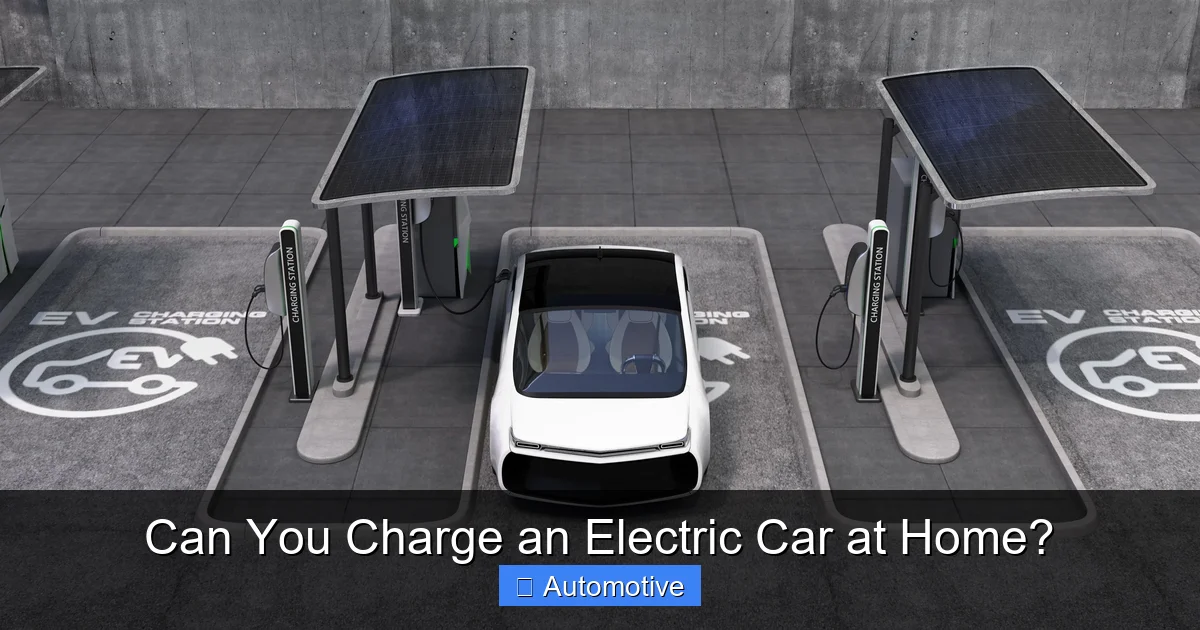
Home charging isn’t just convenient—it’s a game-changer for electric vehicle ownership. Think about it: instead of planning your day around gas stations or public chargers, you simply plug in when you get home. No lines, no waiting, no surprises. Your car charges while you sleep, eat, or relax, and by morning, it’s ready to roll.
One of the biggest advantages of home charging is consistency. Public charging networks are growing, but they’re still inconsistent in terms of availability, reliability, and cost. A charger at a shopping center might be broken, or a fast charger might cost twice as much per kilowatt-hour as your home electricity rate. With home charging, you control the experience. You know exactly where your car will be charged, how long it will take, and how much it will cost.
Another major benefit is cost savings. Electricity is generally cheaper than gasoline, and charging at home—especially during off-peak hours—can be significantly more affordable than using public fast chargers. Many utility companies offer special EV rate plans that provide discounted electricity overnight, further reducing your charging costs.
Home charging also supports sustainable living. If you have solar panels on your roof, you can charge your EV with clean, renewable energy generated right at home. This reduces your carbon footprint and maximizes the environmental benefits of driving electric.
Finally, home charging adds value to your property. As EVs become more popular, homes with EV charging infrastructure are increasingly attractive to buyers. Installing a home charger now could pay off in the long run, both in convenience and resale value.
Types of Home EV Chargers: Level 1 vs. Level 2
Visual guide about Can You Charge an Electric Car at Home?
Image source: bikedenver.org
When it comes to charging your electric car at home, you have two main options: Level 1 and Level 2 charging. Understanding the difference between them is key to choosing the right setup for your lifestyle.
Level 1 Charging: The Basics
Level 1 charging uses a standard 120-volt household outlet—the same kind you plug your lamp or TV into. It’s the simplest and most accessible way to charge an EV at home. Most electric cars come with a portable Level 1 charging cord that you can plug directly into any grounded outlet.
The downside? Level 1 charging is slow. On average, it adds about 3 to 5 miles of range per hour. That means a full charge could take 20 to 40 hours, depending on your car’s battery size. For example, if you drive a Nissan Leaf with a 40-kWh battery and you’re down to 20% charge, it could take over 24 hours to fully recharge using Level 1.
So, is Level 1 charging practical? It can be—if your daily driving is light. If you only drive 20 or 30 miles a day, Level 1 might be enough to top off your battery overnight. But for most drivers, especially those with longer commutes or multiple daily trips, Level 1 simply isn’t fast enough.
Level 2 Charging: The Smart Upgrade
Level 2 charging uses a 240-volt circuit—similar to what powers your dryer or oven—and requires a dedicated charging station, often called an Electric Vehicle Supply Equipment (EVSE). These chargers are much faster, adding about 25 to 30 miles of range per hour. That means most EVs can go from empty to full in 4 to 8 hours.
For example, a Tesla Model 3 with a 75-kWh battery could recharge from 10% to 90% in about 6 hours using a Level 2 charger. That’s more than enough for daily use, even with a long commute.
Level 2 chargers come in different power outputs, typically ranging from 16 amps to 48 amps. A 32-amp charger is a popular choice for home use, offering a good balance of speed and cost. Higher-output chargers (like 48-amp models) require a 60-amp circuit and may need electrical upgrades, but they charge even faster.
Most Level 2 chargers are wall-mounted and hardwired into your home’s electrical system, though some plug into a 240-volt outlet (like a NEMA 14-50). They often include smart features like Wi-Fi connectivity, app control, and scheduling—more on that later.
Which One Should You Choose?
So, should you stick with Level 1 or upgrade to Level 2? It depends on your driving habits, budget, and home setup.
If you drive less than 30 miles a day and have a short overnight window, Level 1 might work. But for most people, Level 2 is the better long-term solution. It’s faster, more reliable, and future-proofs your home for higher-capacity EVs.
Many EV owners start with Level 1 and upgrade to Level 2 after a few months. If you’re buying a new EV, it’s worth considering a Level 2 charger from the start—especially if you plan to keep the car for several years.
How to Install a Home EV Charger
Visual guide about Can You Charge an Electric Car at Home?
Image source: hertz.com
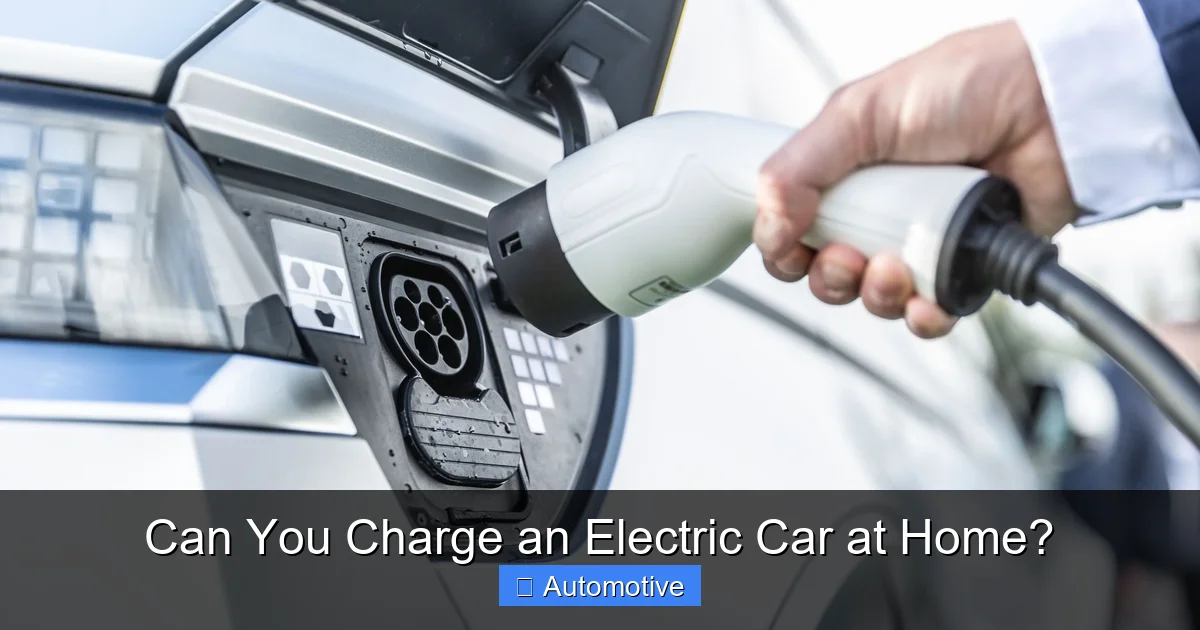
Installing a home EV charger might sound complicated, but with the right planning and professional help, it’s a straightforward process. Here’s what you need to know.
Assess Your Electrical Panel
Before you buy a charger, check your home’s electrical panel. A Level 2 charger typically requires a 40-amp or 50-amp dedicated circuit. Your panel needs to have enough capacity to support this without overloading.
If your panel is old or near full capacity, you may need an upgrade. This could involve adding a new breaker, upgrading the main service, or even installing a subpanel. A licensed electrician can evaluate your system and recommend the best solution.
Choose the Right Location
Where you install your charger matters. Ideally, it should be close to where you park your car—like in a garage or carport. The charging cable should reach your car’s charge port without stretching or creating a tripping hazard.
Consider weather protection if you’re installing outdoors. Many chargers are rated for outdoor use (look for NEMA 3R or 4 ratings), but a covered area will extend their lifespan.
Hire a Licensed Electrician
Never attempt to install an EV charger yourself unless you’re a qualified electrician. Improper wiring can cause fires, damage your car, or void your home insurance. A licensed professional will ensure the installation meets local codes and safety standards.
The electrician will run the wiring from your panel to the charger location, install the circuit breaker, and mount the charging unit. They’ll also test the system to make sure it’s working safely and efficiently.
Permits and Inspections
In most areas, installing a Level 2 charger requires a permit and inspection. This ensures the work complies with the National Electrical Code (NEC) and local regulations. Your electrician should handle the permitting process, but it’s good to confirm.
Cost of Installation
The total cost of installing a home EV charger includes the charger itself, labor, and any electrical upgrades. Here’s a rough breakdown:
– Level 2 charger: $500–$1,200 (depending on brand and features)
– Installation labor: $300–$800
– Electrical upgrades (if needed): $500–$2,000+
So, the total cost typically ranges from $800 to $2,000. However, many utility companies and government programs offer rebates or tax credits that can reduce your out-of-pocket expense. For example, the U.S. federal tax credit covers 30% of the cost (up to $1,000) for qualifying chargers and installations.
Cost of Charging an Electric Car at Home
One of the biggest advantages of owning an EV is lower fuel costs. But how much does it actually cost to charge an electric car at home?
Calculating Your Charging Cost
To estimate your home charging cost, you’ll need three pieces of information:
1. Your car’s battery capacity (in kilowatt-hours, or kWh)
2. Your local electricity rate (in cents per kWh)
3. How often you charge
Let’s say you drive a Chevrolet Bolt with a 65-kWh battery and your electricity rate is $0.15 per kWh. A full charge would cost:
65 kWh × $0.15 = $9.75
That’s the cost to go from empty to full. But most drivers don’t fully drain their battery. If you charge from 20% to 80%, you’re using about 60% of the battery:
65 kWh × 0.6 = 39 kWh
39 kWh × $0.15 = $5.85
So, a typical partial charge might cost around $6.
Compare that to a gas car. If you drive 1,000 miles per month and your car gets 30 miles per gallon, you’d need about 33 gallons of gas. At $3.50 per gallon, that’s $115.50 per month. The same 1,000 miles in an EV might cost $50–$70 in electricity—depending on your rate and efficiency.
Off-Peak Charging Saves Money
Many utility companies offer time-of-use (TOU) rates, which charge less for electricity used during off-peak hours—usually overnight. If you charge your EV between 10 p.m. and 6 a.m., you could pay half the standard rate.
For example, if your off-peak rate is $0.08 per kWh, that same 39-kWh charge would cost only $3.12 instead of $5.85. Over a year, that adds up to significant savings.
Some smart chargers can automatically schedule charging during off-peak hours, so you don’t have to think about it.
Public Charging vs. Home Charging
Public charging stations, especially fast chargers, are often more expensive than home electricity. A typical DC fast charger might cost $0.40 to $0.60 per kWh—nearly four times the off-peak home rate.
While public charging is useful for long trips or emergencies, relying on it regularly can get expensive. Home charging keeps costs low and gives you control over your energy use.
Smart Features and Future-Proofing Your Home Charging
Modern home EV chargers aren’t just about plugging in and waiting. Many come with smart features that make charging more convenient, efficient, and integrated with your lifestyle.
App Control and Scheduling
Most smart chargers connect to your home Wi-Fi and come with a mobile app. You can start or stop charging, check battery status, and view energy usage—all from your phone. You can also schedule charging for specific times, like overnight during off-peak hours.
For example, you might set your charger to begin at 11 p.m. and stop at 6 a.m., ensuring your car is full by morning without paying peak rates.
Energy Monitoring and Reporting
Smart chargers track how much energy your car uses and how much it costs. This helps you understand your driving habits and identify ways to save money. Some apps even show your carbon savings compared to a gas car.
Integration with Solar Panels
If you have solar panels, a smart charger can prioritize using solar energy to charge your EV. Some systems can even divert excess solar power to your car instead of sending it back to the grid. This maximizes your renewable energy use and reduces reliance on the utility.
Load Management
If your home has limited electrical capacity, some chargers offer load management. This feature monitors your home’s total power usage and reduces the charger’s output if other high-demand appliances (like an air conditioner or oven) are running. This prevents circuit overloads without requiring a panel upgrade.
Future-Proofing for New EVs
As battery technology improves, newer EVs will have larger batteries and faster charging capabilities. Installing a higher-capacity charger (like a 48-amp model) now ensures your home is ready for future vehicles. It’s a smart investment that adds long-term value.
Safety and Maintenance of Home EV Chargers
Safety is a top priority when charging an electric car at home. The good news? Home EV charging is very safe when installed and used correctly.
Built-In Safety Features
Modern EV chargers include multiple safety mechanisms. They automatically stop charging if they detect a fault, overheating, or a ground issue. Most are also weather-resistant and designed to withstand outdoor conditions.
Your car’s onboard charger also plays a role. It communicates with the charging station to ensure the correct voltage and current are delivered. If something goes wrong, the car can stop charging instantly.
Regular Maintenance Tips
While EV chargers require little maintenance, a few simple steps can keep them running smoothly:
– Keep the charging port and cable clean and dry.
– Inspect the cable for wear or damage regularly.
– Avoid wrapping the cable too tightly, which can cause internal damage.
– Check the charger’s display or app for error messages.
If you notice any issues—like slow charging, error lights, or strange noises—contact the manufacturer or your installer.
Insurance and Warranty
Most home EV chargers come with a 3- to 5-year warranty. Keep your receipt and registration to ensure coverage. Also, check your homeowner’s insurance policy—some insurers offer discounts for EV owners or require notification of charging equipment.
Conclusion: Home Charging Is the Smart Choice
So, can you charge an electric car at home? Absolutely—and for most EV owners, it’s the best way to go. Home charging is convenient, cost-effective, and environmentally friendly. Whether you start with a simple Level 1 setup or invest in a fast Level 2 charger, you’ll enjoy the freedom of waking up to a fully charged car every morning.
With the right planning, installation, and smart features, home charging becomes a seamless part of your daily routine. It saves you money, reduces stress, and supports a cleaner future. As electric vehicles continue to grow in popularity, home charging will remain the cornerstone of EV ownership.
If you’re thinking about going electric, don’t let charging concerns hold you back. With today’s technology and support, charging at home has never been easier—or smarter.
Frequently Asked Questions
Can I charge my electric car using a regular outlet?
Yes, you can charge your EV using a standard 120V household outlet with a Level 1 charger. However, it’s slow—adding only 3 to 5 miles of range per hour—so it’s best for light daily driving or as a backup option.
How much does it cost to install a home EV charger?
Installation typically costs between $800 and $2,000, including the charger, labor, and any electrical upgrades. Rebates and tax credits can reduce this cost significantly.
Is it safe to charge an electric car at home?
Yes, home EV charging is safe when installed by a licensed electrician and used according to manufacturer guidelines. Modern chargers include multiple safety features to prevent overheating, overloading, and electrical faults.
Can I charge my EV at home if I live in an apartment?
It depends on your building’s policies and electrical setup. Some apartments offer shared charging stations, while others allow tenants to install personal chargers with landlord approval. Check with your property manager.
Do I need a special electrical panel to charge an EV at home?
Not necessarily, but your panel must have enough capacity for a 40-amp or 50-amp circuit. An electrician can assess your system and recommend upgrades if needed.
Can I use solar panels to charge my electric car at home?
Yes! If you have solar panels, you can use the electricity they generate to charge your EV. Some smart chargers can prioritize solar energy, reducing your grid dependence and carbon footprint.
