Can You Charge a Dead Car Battery?

Contents
- 1 Key Takeaways
- 2 📑 Table of Contents
- 3 Can You Charge a Dead Car Battery?
- 4 What Does “Dead” Really Mean?
- 5 Can You Charge a Dead Car Battery? The Short Answer
- 6 How to Safely Charge a Dead Car Battery
- 7 Safety Tips When Charging a Car Battery
- 8 How to Prevent a Dead Car Battery
- 9 When to Replace Instead of Charge
- 10 Conclusion
- 11 Frequently Asked Questions



Yes, you can often charge a dead car battery—but success depends on the cause and condition of the battery. Using a quality charger, jumper cables, or a portable jump starter can bring it back to life, but severe damage or age may require replacement.
Key Takeaways
- Most dead batteries can be recharged: If the battery is simply discharged (not damaged), charging it with a proper charger can restore functionality.
- Jump-starting is a temporary fix: Jump-starting gives you enough power to start the engine, but the battery still needs a full charge afterward.
- Age and damage matter: Batteries older than 3–5 years or those with physical damage, leaks, or sulfation may not hold a charge.
- Use the right equipment: Smart chargers are safer and more effective than older trickle chargers, especially for deeply discharged batteries.
- Safety first: Always wear protective gear, work in a ventilated area, and follow manufacturer instructions to avoid sparks, explosions, or injury.
- Prevention is key: Regular maintenance, avoiding short trips, and using a battery maintainer can prevent future dead battery issues.
- Know when to replace: If a battery repeatedly dies or fails a load test, it’s time for a new one—don’t risk being stranded.
📑 Table of Contents
Can You Charge a Dead Car Battery?
We’ve all been there—you turn the key, and instead of the familiar engine roar, you’re met with silence or a weak, clicking sound. Your car won’t start, and you suspect the battery is dead. It’s frustrating, especially when you’re running late or stuck in a parking lot. But here’s the good news: in many cases, you *can* charge a dead car battery and get back on the road.
But not all dead batteries are created equal. Some are simply drained from leaving lights on or a long period of inactivity. Others may be damaged, old, or suffering from internal issues like sulfation or shorted cells. Understanding the difference is crucial. Charging a healthy but discharged battery is usually successful. Trying to revive a severely damaged one? That’s a different story—and could even be dangerous.
In this guide, we’ll walk you through everything you need to know about charging a dead car battery. From identifying the cause of the failure to choosing the right charging method, safety tips, and knowing when it’s time to replace the battery, we’ve got you covered. Whether you’re a seasoned DIYer or a first-time driver, this information will help you handle a dead battery with confidence.
What Does “Dead” Really Mean?
Visual guide about Can You Charge a Dead Car Battery?
Image source: i.ytimg.com
Before you grab a charger or call for help, it’s important to understand what “dead” actually means when it comes to car batteries. The term is often used loosely, but not all dead batteries are beyond saving.
A truly dead battery is one that has lost its ability to hold a charge due to age, damage, or internal failure. These batteries typically won’t respond to charging and need to be replaced. On the other hand, a battery that’s just *discharged*—meaning it’s low on power but still structurally sound—can often be recharged and restored to full function.
For example, if you accidentally left your headlights on overnight, your battery might be deeply discharged but not permanently damaged. In this case, charging it properly can bring it back to life. However, if your battery is five years old and has been repeatedly drained, it may have developed sulfation—a buildup of lead sulfate crystals on the plates—that reduces its capacity and prevents it from accepting a charge.
So how can you tell the difference? Start by checking the battery’s age. Most car batteries last between three and five years. If yours is older, it’s more likely to be truly dead. You can also inspect the battery for physical signs of damage: cracks, leaks, bulging, or corrosion around the terminals. These are red flags that the battery may be beyond repair.
Another clue is how the car behaves when you try to start it. A weak crank, dim lights, or a slow engine turnover usually points to a discharged battery. No sound at all—just a click or silence—could indicate a completely dead battery or an electrical issue like a bad starter or alternator.
Common Causes of a Dead Car Battery
Understanding why your battery died in the first place can help you avoid the same problem in the future. Here are the most common culprits:
- Leaving lights or accessories on: Interior lights, headlights, or infotainment systems left on overnight can drain the battery completely.
- Short driving trips: Frequent short trips don’t give the alternator enough time to fully recharge the battery, leading to gradual discharge.
- Extreme temperatures: Both extreme cold and heat can reduce battery performance and lifespan. Cold weather slows chemical reactions, while heat accelerates corrosion.
- Parasitic drain: Some electrical components, like alarms or clocks, draw small amounts of power even when the car is off. Over time, this can drain the battery.
- Aging battery: As batteries age, their internal components degrade, reducing their ability to hold a charge.
- Faulty charging system: A bad alternator or voltage regulator can fail to recharge the battery while driving, leading to a dead battery over time.
By identifying the root cause, you can take steps to prevent future issues. For instance, if you frequently take short trips, consider using a battery maintainer or trickle charger to keep the battery topped up.
Can You Charge a Dead Car Battery? The Short Answer
Visual guide about Can You Charge a Dead Car Battery?
Image source: i.ytimg.com
Yes, you can often charge a dead car battery—but with important caveats. If the battery is simply discharged and not damaged, charging it with a proper charger can restore it to working condition. However, if the battery is old, physically damaged, or has internal faults, charging may not work—and could even be unsafe.
The key is determining whether the battery is *recoverable*. A healthy battery that’s just low on charge can usually be revived. But a battery with sulfation, shorted cells, or internal corrosion may not accept a charge, no matter how long you try.
For example, let’s say your car sat in the garage for two months without being driven. The battery is now dead, but it’s only two years old and shows no signs of damage. In this case, charging it with a smart charger has a high chance of success. The charger will slowly restore the charge, and the battery should return to normal function.
On the other hand, if your battery is six years old, has a bulging case, and won’t hold a charge even after multiple attempts, it’s likely time for a replacement. Trying to force a charge on such a battery could lead to overheating, leakage, or even explosion.
So while the answer to “Can you charge a dead car battery?” is generally yes, it’s not always the best or safest option. Always assess the battery’s condition before attempting to charge it.
When Charging Might Not Work
There are several situations where charging a dead battery is unlikely to succeed:
- Severe sulfation: Over time, lead sulfate crystals can build up on the battery plates, especially if the battery is frequently discharged. This reduces its capacity and can prevent it from accepting a charge.
- Internal short circuit: If the plates inside the battery touch, it can cause a short, leading to rapid discharge and inability to hold a charge.
- Physical damage: Cracks, leaks, or bulging indicate structural failure. These batteries are unsafe to charge and should be replaced immediately.
- Freezing: If a battery freezes (common in cold climates when the charge is low), the internal components can be damaged. Charging a frozen battery can cause it to explode.
- Repeated deep discharges: Batteries that are frequently drained below 50% charge lose capacity over time and may eventually fail to recharge.
If you suspect any of these issues, it’s best to have the battery tested by a professional or replace it outright.
How to Safely Charge a Dead Car Battery
Visual guide about Can You Charge a Dead Car Battery?
Image source: youcanic.com
If your battery is recoverable, charging it safely is the next step. There are several methods to choose from, each with its own pros and cons. The best approach depends on your situation, tools, and level of experience.
Using a Battery Charger (Best Option)
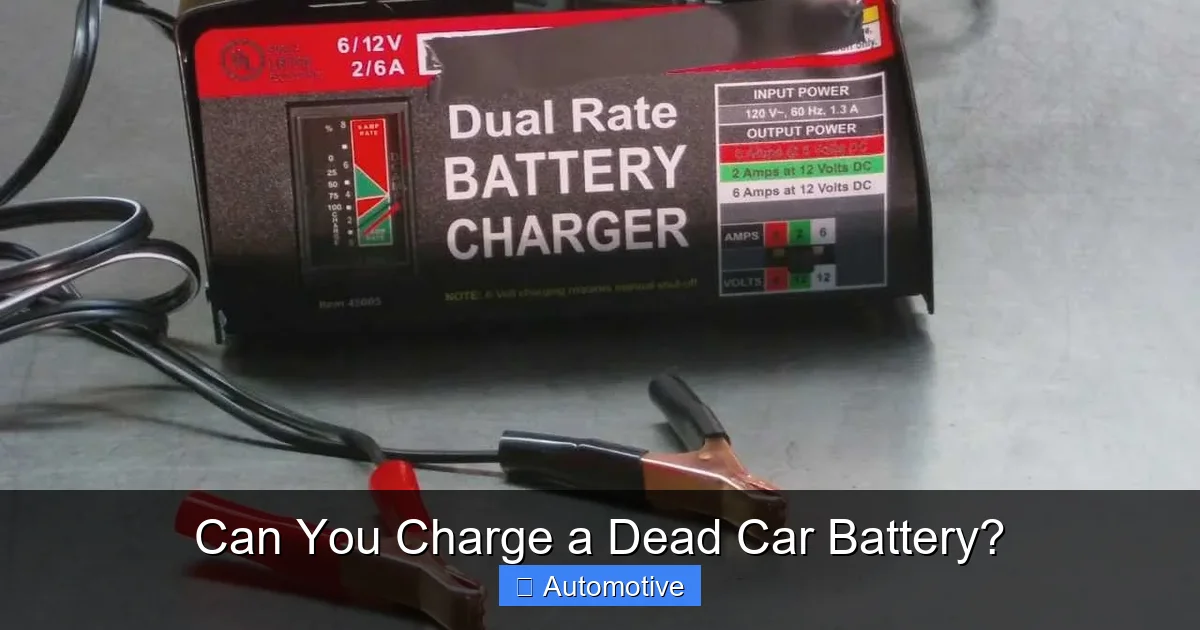
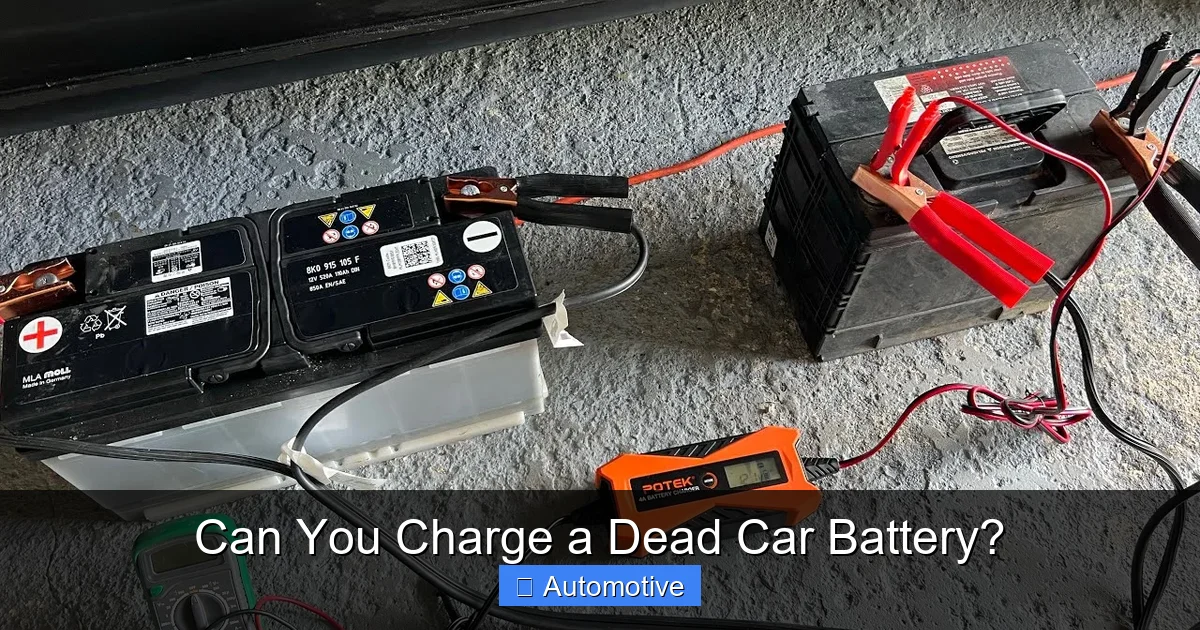
A dedicated battery charger is the safest and most effective way to charge a dead car battery. Unlike jump-starting, which only gives a quick burst of power, a charger replenishes the battery slowly and fully, which is better for its long-term health.
There are two main types of chargers: trickle chargers and smart chargers.
- Trickle chargers: These deliver a low, constant current over a long period. They’re inexpensive and good for maintaining a battery, but they can overcharge if left unattended.
- Smart chargers: These are more advanced and automatically adjust the charging rate based on the battery’s condition. They can detect when the battery is full and switch to maintenance mode, preventing overcharging. Many also have settings for different battery types (lead-acid, AGM, etc.) and can even attempt to desulfate old batteries.
To use a charger:
- Turn off the engine and remove the key.
- Disconnect the battery cables (negative first, then positive).
- Clean the terminals with a wire brush if there’s corrosion.
- Connect the charger: red clamp to positive (+), black clamp to negative (–).
- Set the charger to the appropriate voltage (usually 12V) and charging mode.
- Plug in the charger and let it run. Charging can take several hours, depending on the battery’s state.
- Once charged, disconnect the charger (negative first, then positive) and reconnect the battery cables (positive first, then negative).
Always follow the manufacturer’s instructions and work in a well-ventilated area. Never charge a battery near open flames or sparks.
Jump-Starting the Battery (Temporary Fix)
Jump-starting is a quick way to get your car running again, but it’s not a permanent solution. It uses another vehicle’s battery or a portable jump starter to provide enough power to start the engine. Once the engine is running, the alternator begins recharging the battery—but only partially.
To jump-start a car:
- Position the working vehicle close to the dead one, but don’t let them touch.
- Turn off both engines and engage the parking brakes.
- Connect the jumper cables: red to dead battery’s positive (+), red to good battery’s positive (+), black to good battery’s negative (–), black to an unpainted metal surface on the dead car (ground).
- Start the working vehicle and let it run for a few minutes.
- Try starting the dead car. If it starts, let it run for at least 15–20 minutes to allow the alternator to recharge the battery.
- Disconnect the cables in reverse order.
Never connect the black clamp directly to the dead battery’s negative terminal—this can cause sparks and risk explosion. Always use a grounding point on the engine block or frame.
After jump-starting, drive the car for at least 30 minutes or use a charger to fully recharge the battery. If the battery dies again soon after, it may be failing and need replacement.
Using a Portable Jump Starter
A portable jump starter is a compact, battery-powered device that can jump-start your car without another vehicle. It’s a great tool to keep in your trunk for emergencies.
To use one:
- Turn off the engine and remove the key.
- Connect the jump starter’s clamps to the battery (red to +, black to – or ground).
- Turn on the jump starter and wait a few seconds.
- Start the car. If it doesn’t start, wait a minute and try again.
- Once the engine is running, disconnect the jump starter.
Portable jump starters are convenient, but they have limited capacity. Make sure yours is fully charged before use, and choose a model with enough cranking amps for your vehicle.
Safety Tips When Charging a Car Battery
Charging a car battery involves electricity, chemicals, and potential hazards. Safety should always be your top priority.
Wear Protective Gear
Always wear safety glasses and gloves when working with batteries. Battery acid is corrosive and can cause serious burns. If acid gets on your skin, rinse it immediately with plenty of water.
Work in a Ventilated Area
Car batteries can release hydrogen gas, especially when charging. This gas is highly flammable and can explode if ignited by a spark. Always charge batteries in a well-ventilated area, away from open flames, cigarettes, or electrical equipment.
Check for Damage First
Never attempt to charge a battery that is cracked, leaking, bulging, or frozen. These are signs of serious damage and charging could be dangerous. If the battery is frozen, let it thaw completely in a warm area before handling—but don’t charge it until it’s fully thawed and inspected.
Follow Proper Connection Order
When connecting or disconnecting cables, always follow the correct sequence:
- Connecting: Positive first, then negative.
- Disconnecting: Negative first, then positive.
This reduces the risk of sparks near the battery, which could ignite hydrogen gas.
Use the Right Charger
Make sure your charger is compatible with your battery type (e.g., standard lead-acid, AGM, gel). Using the wrong charger can damage the battery or create safety risks.
Don’t Overcharge
Overcharging can cause the battery to overheat, leak, or even explode. Smart chargers help prevent this by automatically shutting off or switching to maintenance mode. If using a trickle charger, monitor it closely and disconnect once the battery is fully charged.
How to Prevent a Dead Car Battery
The best way to deal with a dead battery is to avoid it altogether. With a few simple habits, you can extend your battery’s life and reduce the chances of being stranded.
Drive Regularly
Frequent driving helps keep the battery charged. If you only take short trips, the alternator doesn’t have enough time to fully recharge the battery. Try to take longer drives occasionally, or use a battery maintainer if the car will be parked for weeks.
Turn Off Accessories
Always double-check that lights, radio, and other accessories are off when you exit the car. Even small drains can add up over time.
Use a Battery Maintainer
If you have a classic car, RV, or vehicle that sits unused for long periods, a battery maintainer (also called a trickle charger or float charger) can keep the battery topped up without overcharging.
Check the Charging System
Have your alternator and voltage regulator checked during routine maintenance. A faulty charging system can slowly drain your battery even while driving.
Clean the Terminals
Corrosion on the battery terminals can interfere with charging. Clean them regularly with a mixture of baking soda and water, followed by a wire brush.
Replace Old Batteries
Don’t wait for a complete failure. Replace your battery every 3–5 years, or sooner if you notice signs of weakness like slow cranking or dim lights.
When to Replace Instead of Charge
Sometimes, charging just isn’t enough. If your battery repeatedly dies, fails to hold a charge, or shows signs of damage, it’s time to replace it.
Signs it’s time for a new battery:
- The battery is more than 5 years old.
- It fails a load test at an auto parts store.
- It swells, leaks, or has a rotten egg smell (sulfur).
- The car struggles to start, even after charging.
- You’ve had to jump-start it multiple times in a short period.
Replacing a battery is a straightforward job for most cars, but if you’re unsure, have a professional do it. They can also properly dispose of the old battery, which contains hazardous materials.
Conclusion
So, can you charge a dead car battery? The answer is usually yes—if the battery is simply discharged and not damaged. With the right tools and precautions, you can often revive a dead battery and get back on the road. However, if the battery is old, damaged, or repeatedly fails, replacement is the safer and more reliable option.
Charging a battery safely requires understanding the cause of the failure, using the correct equipment, and following safety guidelines. Whether you use a smart charger, jump-start the car, or rely on a portable jump starter, always prioritize safety and proper technique.
And remember: prevention is the best medicine. Regular maintenance, mindful driving habits, and timely replacements can save you from the frustration of a dead battery in the future. Keep a charger or jump starter in your car, know the signs of a failing battery, and you’ll be prepared for whatever the road throws your way.
Frequently Asked Questions
Can you charge a completely dead car battery?
Yes, if the battery is just discharged and not damaged. A smart charger can often restore it. However, if the battery is old, cracked, or has internal damage, charging may not work and could be unsafe.
How long does it take to charge a dead car battery?
It depends on the charger and battery condition. A smart charger may take 4–12 hours to fully recharge a dead battery. Trickle chargers can take 24 hours or more. Always follow the manufacturer’s guidelines.
Is it safe to jump-start a dead battery?
Yes, if done correctly. Always connect the cables in the right order, use a grounding point instead of the negative terminal, and avoid sparks. Never jump-start a frozen or damaged battery.
Can a car battery recharge itself while driving?
Yes, but only partially. The alternator recharges the battery while the engine runs, but short trips may not provide enough time for a full recharge. For deeply discharged batteries, use a charger.
What should I do if my battery keeps dying?
Check for parasitic drains, test the alternator, and inspect the battery for damage. If the battery is old or repeatedly fails, replace it. Also, ensure you’re not leaving accessories on when the car is off.
Can I charge a car battery without removing it?
Yes, you can charge a battery while it’s still in the car, but it’s safer to remove it first. If charging in place, ensure the area is well-ventilated and disconnect the negative terminal to reduce risk.