
Can You Buy a Car from a Junkyard?

Yes, you can buy a car from a junkyard—but it’s not as simple as picking one up off the lot. These vehicles are typically sold for parts or restoration, often with salvage titles and significant damage. With careful inspection, research, and realistic expectations, you might find a hidden gem at a fraction of retail price.
Key Takeaways
- Junkyards sell cars for parts or rebuilding: Most vehicles are not road-ready and require extensive repairs or are used for spare components.
- Salvage titles are common: A junkyard car usually has a salvage or rebuilt title, which affects insurance, resale, and registration.
- Inspection is critical: Always inspect the vehicle in person or hire a mechanic to assess damage, rust, and mechanical condition.
- Legal and registration hurdles exist: Some states have strict rules about registering and insuring rebuilt vehicles.
- Great for DIYers and mechanics: Ideal for those with repair skills, time, and tools to restore or part out the vehicle.
- Research the vehicle history: Use VIN checks to uncover accidents, flood damage, or prior issues before buying.
- Negotiation is expected: Prices are often flexible, especially if the car needs towing or has missing parts.
📑 Table of Contents
Can You Buy a Car from a Junkyard?
Have you ever driven past a junkyard and wondered if any of those rusting, forgotten vehicles could still have life left in them? Maybe you’ve seen a classic car tucked away in the corner, or a modern sedan with a smashed front end that looks repairable. The idea of buying a car from a junkyard might seem like a bargain hunter’s dream—low prices, rare finds, and the thrill of restoration. But is it really possible? And more importantly, is it a smart move?
The short answer is yes, you can buy a car from a junkyard. But it’s not the same as walking into a dealership and driving off in a shiny new sedan. Junkyards—also known as salvage yards, auto recyclers, or scrap yards—typically sell vehicles that have been declared total losses by insurance companies, abandoned, or simply too damaged to be worth repairing. These cars are often sold “as-is,” with no warranty, and usually require significant work before they’re roadworthy.
So why would anyone want to buy a car from a junkyard? For some, it’s about saving money. A car that’s been in an accident might cost a fraction of its original value, even if it’s repairable. For others, it’s a passion project—restoring a vintage muscle car or reviving a rare import. And for mechanics or DIY enthusiasts, junkyard cars can be a goldmine of usable parts or a fun challenge.
But before you grab your toolbox and head to the nearest salvage yard, it’s important to understand what you’re getting into. Buying a junkyard car isn’t just about finding a good deal—it’s about knowing how to evaluate the vehicle, navigate legal requirements, and avoid costly mistakes. In this guide, we’ll walk you through everything you need to know about buying a car from a junkyard, from the benefits and risks to practical tips and real-world examples.
What Is a Junkyard Car?
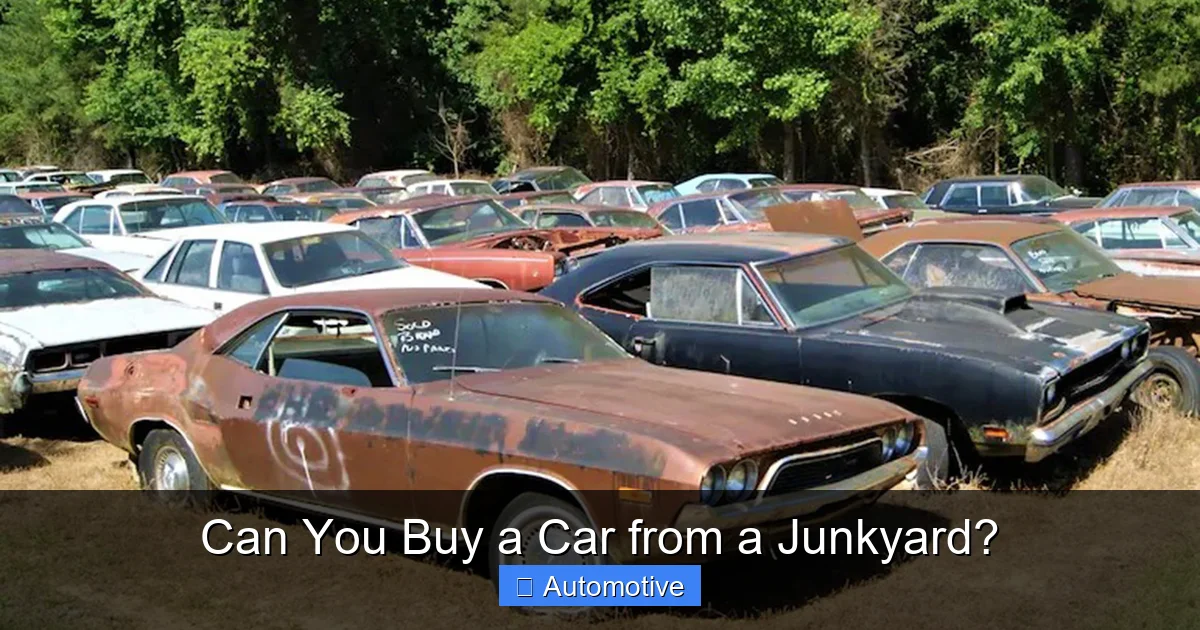
Visual guide about Can You Buy a Car from a Junkyard?
Image source: motortrend.com
To understand whether you can buy a car from a junkyard, it helps to first define what a “junkyard car” actually is. These vehicles come from a variety of sources and situations, and their condition can vary widely.
How Do Cars End Up in Junkyards?
Most cars in junkyards are there because they’ve been deemed a total loss by an insurance company. This usually happens after a serious accident, flood, fire, or other catastrophic event. Even if the car could technically be repaired, the cost of repairs exceeds a certain percentage of the vehicle’s value—often 70% to 80%—so the insurer writes it off.
Other cars end up in junkyards because they’ve been abandoned, repossessed, or simply too old and worn out to be worth fixing. Some are donated, while others are purchased directly by the salvage yard from individuals or auctions.
Types of Junkyard Vehicles
Not all junkyard cars are created equal. Here are the most common categories you’ll find:
- Salvage vehicles: These have been damaged but may be repairable. They often have salvage titles, which indicate they were declared a total loss.
- Parts-only cars: These are sold specifically for their usable components—engines, transmissions, doors, lights, etc.—and are not intended to be driven.
- Rebuildable vehicles: Some salvage cars can be restored to roadworthy condition with enough time, money, and skill. These are popular among restorers and hobbyists.
- Flood-damaged cars: Vehicles that have been submerged in water often end up in junkyards. Even if they look okay, water can cause long-term electrical and mechanical issues.
- Classic and vintage cars: Believe it or not, some junkyards hold hidden treasures—old muscle cars, rare imports, or discontinued models that are now valuable to collectors.
Salvage Titles vs. Rebuilt Titles
One of the most important things to understand when buying a junkyard car is the difference between a salvage title and a rebuilt title.
A salvage title means the car was declared a total loss by an insurance company. It cannot be legally driven until it’s repaired and passes a state inspection. Once it’s fixed and inspected, it may be issued a rebuilt title, which allows it to be registered and driven again.
The key takeaway? A car with a salvage title isn’t road-legal until it’s rebuilt and inspected. And even then, some states have restrictions on rebuilt vehicles, including higher insurance premiums and difficulty reselling.
Pros and Cons of Buying a Junkyard Car
Visual guide about Can You Buy a Car from a Junkyard?
Image source: filmthreat.com
Like any major purchase, buying a car from a junkyard comes with both advantages and risks. Let’s break them down so you can make an informed decision.
Advantages of Buying from a Junkyard
1. Lower Purchase Price
This is the biggest draw. Junkyard cars can cost as little as a few hundred dollars, especially if they’re sold for parts. Even rebuildable vehicles are often priced well below market value.
2. Great for DIY Projects
If you enjoy working on cars, a junkyard purchase can be a rewarding project. You can learn new skills, customize the vehicle, and take pride in bringing it back to life.
3. Access to Rare or Discontinued Models
Junkyards sometimes hold vehicles that are no longer in production. If you’re looking for a specific part or want to restore a classic car, a junkyard might be your best bet.
4. Eco-Friendly Option
Buying and reusing a car—or its parts—keeps it out of landfills and reduces the demand for new manufacturing. It’s a sustainable choice for environmentally conscious buyers.
5. Potential for Profit
Skilled mechanics or resellers can buy a junkyard car, repair it, and sell it for a profit. Some people even specialize in flipping salvage vehicles.
Disadvantages and Risks
1. Unknown History and Hidden Damage
Even if a car looks okay on the outside, it could have serious internal damage—especially if it was in a flood or fire. Rust, electrical issues, and frame damage are common and costly to fix.
2. No Warranty or Return Policy
Junkyard cars are sold “as-is.” There’s no warranty, no return policy, and no guarantee that it will run. You’re taking on all the risk.
3. Legal and Registration Challenges
Getting a salvage car registered and insured can be difficult. Some states require extensive inspections, and not all insurance companies will cover rebuilt vehicles.
4. High Repair Costs
While the initial price is low, repairs can add up quickly. If you don’t have the skills or tools to fix it yourself, labor costs can erase any savings.
5. Safety Concerns
A car that’s been in a serious accident may have compromised structural integrity. Even if it runs, it might not be safe to drive in another crash.
6. Limited Financing Options
Most lenders won’t finance a salvage vehicle, especially one with a salvage title. You’ll likely need to pay in cash or secure private financing.
How to Buy a Car from a Junkyard: Step-by-Step Guide
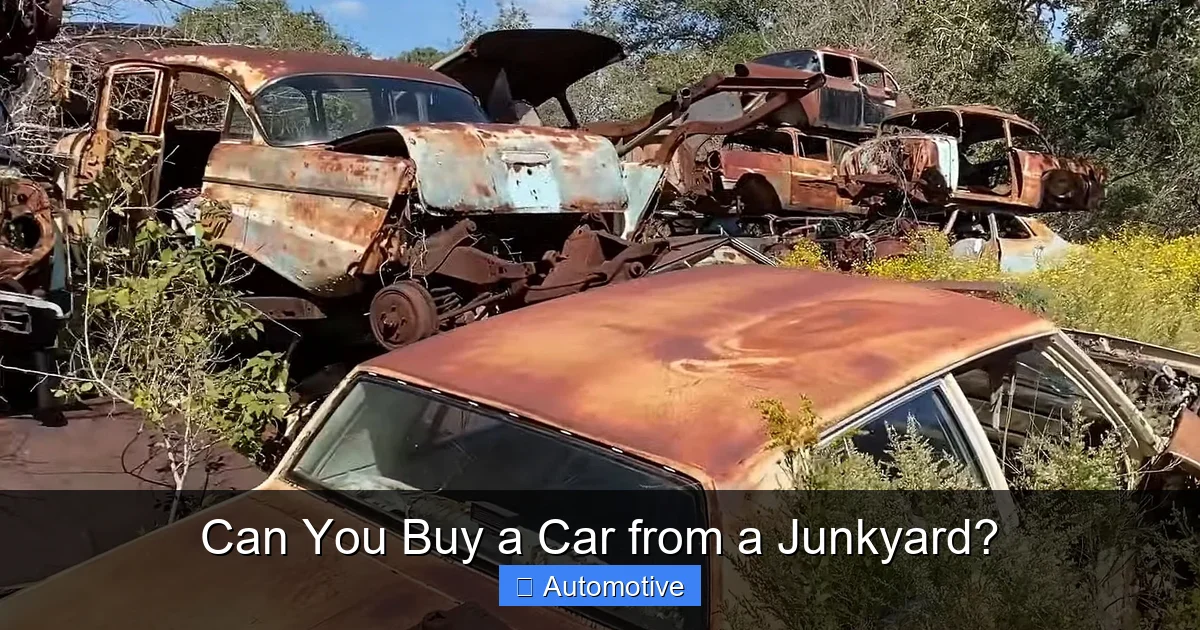
Visual guide about Can You Buy a Car from a Junkyard?
Image source: s1.cdn.autoevolution.com
If you’ve weighed the pros and cons and still want to move forward, here’s how to buy a car from a junkyard the right way.
Step 1: Do Your Research
Before you visit a junkyard, decide what kind of car you’re looking for. Are you after a specific make and model? A project car? Or just a source of parts? Make a list of your needs and priorities.
Next, research local junkyards. Some are open to the public, while others only sell to licensed dealers. Look for yards that allow walk-in inspections and have a good reputation. Online reviews and word-of-mouth can help you find reliable sellers.
Step 2: Check the Vehicle History
Always run a vehicle history report using the car’s VIN (Vehicle Identification Number). Services like Carfax or AutoCheck can reveal past accidents, flood damage, odometer rollbacks, and title issues.
Even if the car looks clean, the report might tell a different story. For example, a car that was submerged in saltwater may have corroded wiring that won’t show up until months later.
Step 3: Inspect the Car in Person
Never buy a junkyard car without seeing it in person. Bring a flashlight, gloves, and a friend if possible. Here’s what to look for:
- Exterior damage: Check for dents, rust, missing parts, and signs of fire or water damage.
- Interior condition: Look for mold, water stains, or rodent infestations.
- Engine and transmission: If accessible, check for leaks, corrosion, or missing components.
- Tires and suspension: Worn or damaged tires and broken suspension parts can be expensive to replace.
- Frame and undercarriage: Look for bends, cracks, or severe rust. A damaged frame can make the car unsafe and difficult to repair.
If you’re not confident in your ability to inspect the car, hire a mechanic to go with you. It’s a small investment that could save you thousands.
Step 4: Ask the Right Questions
Talk to the junkyard staff. Ask:
- Why was the car declared a total loss?
- What kind of damage does it have?
- Has it been in a flood or fire?
- Are any major parts missing?
- Can I test the engine or electronics?
Be wary of vague answers or pressure to buy quickly. A reputable junkyard will be transparent about the car’s condition.
Step 5: Negotiate the Price
Junkyard prices are often negotiable, especially if the car needs towing or has missing parts. Don’t be afraid to make a lower offer. Mention any damage or missing components as leverage.
Also, ask if the price includes towing. Some junkyards charge extra to move the vehicle, which can add $100–$300 to your total cost.
Step 6: Arrange for Transport
Most junkyard cars can’t be driven off the lot. You’ll need to arrange for a tow truck or flatbed trailer to transport the vehicle. Make sure you have a safe place to store it—like a garage or driveway—while you work on it.
Step 7: Handle Title and Registration
After purchasing, you’ll need to transfer the title and register the vehicle. This process varies by state, but generally involves:
- Submitting the salvage title and bill of sale to your local DMV.
- Paying title and registration fees.
- Passing a state inspection (if required for rebuilt titles).
- Obtaining insurance (which may be more expensive for salvage vehicles).
Some states require a “rebuilt salvage inspection” before issuing a rebuilt title. This ensures the car is safe and roadworthy. Be prepared to provide documentation of repairs.
Who Should Buy a Junkyard Car?
Buying a car from a junkyard isn’t for everyone. It’s best suited for certain types of buyers.
DIY Enthusiasts and Mechanics
If you enjoy working on cars and have the tools and skills to do repairs, a junkyard car can be a fun and educational project. You’ll learn about engines, electrical systems, and bodywork while saving money.
Restoration Hobbyists
Classic car lovers often hunt for rare models in junkyards. A rusty 1967 Mustang or a boxy 1980s sedan might be the start of a beautiful restoration.
Parts Resellers
Some people buy junkyard cars just to strip them for parts. If you run an auto repair shop or sell used parts online, this can be a profitable side hustle.
Budget-Conscious Buyers
If you need a cheap set of wheels and don’t mind doing the work yourself, a junkyard car might be your best option. Just be realistic about the time and money involved.
Who Should Avoid It?
Avoid buying a junkyard car if:
- You need a reliable daily driver and don’t have time for repairs.
- You’re not comfortable with mechanical work.
- You can’t afford unexpected repair costs.
- You live in an area with strict emissions or safety inspections.
- You plan to resell the car quickly for profit.
Real-Life Examples: Successes and Cautionary Tales
To give you a better idea of what to expect, here are a few real-world scenarios.
Success Story: The $500 Mustang
Mike, a college student and car enthusiast, found a 1998 Ford Mustang in a local junkyard for $500. The car had been in a front-end collision, but the engine and transmission were intact. With help from his uncle, a mechanic, Mike replaced the bumper, headlights, and radiator. After six months and $1,200 in parts, the car was running smoothly. He registered it with a rebuilt title and now uses it as his daily driver. Total cost: $1,700—far less than a comparable used Mustang.
Cautionary Tale: The Flood-Damaged SUV
Sarah bought a 2010 Honda CR-V from a junkyard for $800, thinking she could fix the minor dents and drive it. But after a few weeks, the electrical system started failing—windows wouldn’t roll up, the radio cut out, and the check engine light stayed on. A mechanic discovered water damage from a prior flood. Repairing the wiring and replacing the ECU would cost over $2,000. Sarah ended up selling the car for scrap.
Profit Flip: The Salvage Camry
Tom, a part-time mechanic, bought a 2007 Toyota Camry with a salvage title for $600. The airbags had deployed, but the engine was fine. He replaced the airbags, front bumper, and windshield, then listed it on Craigslist. After a rebuilt title inspection, he sold it for $4,500—a $3,900 profit.
These stories show that outcomes vary widely. Success depends on research, skill, and a bit of luck.
Tips for a Safe and Smart Purchase
To increase your chances of a successful junkyard car purchase, follow these tips:
- Start small: If you’re new to car repairs, begin with a simple project—like a non-running car you can use for parts.
- Bring a checklist: Use a pre-inspection checklist to make sure you don’t miss anything important.
- Know your limits: Be honest about your mechanical skills. Don’t take on a project you can’t finish.
- Budget for surprises: Set aside extra money for unexpected repairs or parts.
- Check local laws: Make sure your state allows rebuilt titles and understand the inspection process.
- Take photos: Document the car’s condition before you buy it. This can help if there’s a dispute.
- Ask about storage: Some junkyards charge daily fees if you leave the car there. Make sure you can remove it quickly.
Conclusion
So, can you buy a car from a junkyard? Absolutely. But it’s not a decision to take lightly. These vehicles come with risks—hidden damage, legal hurdles, and high repair costs—but they also offer opportunities for savings, learning, and even profit.
The key is to go in with your eyes wide open. Do your research, inspect the car thoroughly, and be realistic about what it will take to make it roadworthy. If you’re a DIYer, a mechanic, or a passionate restorer, a junkyard car could be the start of an exciting project. But if you need a reliable, low-maintenance vehicle, you might be better off looking elsewhere.
With the right mindset and preparation, buying a car from a junkyard can be a smart, rewarding choice. Just remember: the lowest price isn’t always the best deal. Sometimes, the real value is in the journey—not just the destination.
Frequently Asked Questions
Can I drive a junkyard car home after buying it?
No, most junkyard cars cannot be driven home. They are typically not roadworthy and may not have valid registration or insurance. You’ll need to arrange for a tow truck or trailer to transport the vehicle.
Will insurance cover a car bought from a junkyard?
It depends on the insurer and the vehicle’s title status. Some companies offer coverage for rebuilt salvage vehicles, but premiums are often higher. Full coverage may be difficult to obtain until the car passes a state inspection.
How do I know if a junkyard car is worth buying?
Inspect it in person, check the VIN history, and assess the cost of repairs versus the car’s potential value. If repair costs exceed 50–70% of the car’s market value, it’s likely not worth it.
Can I register a junkyard car in my name?
Yes, but only after it’s repaired and passes a state inspection (if required). You’ll need to transfer the salvage title and pay registration fees. The process varies by state.
Are junkyard cars safe to drive?
Only if they’ve been properly repaired and inspected. A car with frame damage or compromised safety systems may not be safe, even if it runs. Always prioritize structural integrity and airbag functionality.
Can I return a junkyard car if it doesn’t work?
No, junkyard cars are sold “as-is” with no warranty or return policy. Once you buy it, you own it—flaws and all. That’s why inspection and research are so important.