
Can You Add a Sunroof to a Car?

Adding a sunroof to a car is possible but complex. Factory installation during manufacturing is ideal but not feasible post-purchase. Aftermarket options exist but come with significant costs, structural risks, and warranty implications. Professional evaluation is crucial before proceeding.
Let’s be honest: that feeling of warm sunlight on your face while driving with the wind in your hair is a huge appeal. If your car didn’t come with a sunroof from the factory, you’ve probably wished it did. But can you simply add a sunroof to a car after you’ve already bought it? The answer is a nuanced “yes, but…” It’s one of the most complex and invasive modifications you can make to a vehicle. It’s not like adding a new stereo or floor mats. This is major surgery on your car’s most critical structural component: the roof.
This guide will walk you through everything you need to know. We’ll separate myth from reality, break down the two potential paths (one of which is a dead end), dive deep into the real costs and risks, and help you decide if this dream upgrade is a wise move or a costly mistake waiting to happen. Think of your car’s roof as the ceiling of your house. You wouldn’t just cut a giant hole in it without consulting a structural engineer, and your car deserves the same respect.
Key Takeaways
- Feasibility Varies: While technically possible on most cars, adding a sunroof is heavily dependent on your vehicle’s specific make, model, year, and roof structure.
- Factory vs. Aftermarket: A true “factory” add-on is virtually impossible after the car is built. Your only realistic path is an aftermarket sunroof installed by a specialist.
- Structural Integrity is Key: Cutting into the roof compromises its strength. Proper reinforcement is non-negotiable for safety and to prevent leaks or wind noise.
- Costs Are Significant: Expect to pay $1,000 to $3,000+ for a quality installation, with high-end glass panels costing much more.
- Warranty & Resale Impact: An aftermarket sunroof will likely void related parts of your factory warranty and can make selling the car more difficult to private buyers or dealerships.
- Not All Cars Are Good Candidates: Vehicles with roof-mounted sensors (like some blind-spot monitoring systems), rollover sensors, or very small roofs may be poor or impossible candidates.
- Alternatives Exist: Consider ordering a car with a factory sunroof, using a removable panel system, or simply trading for a model that already has one.
📑 Table of Contents
- The Short Answer: Yes, But…
- Factory Installation: A Closed Door
- Aftermarket Sunroofs: Your Realistic Option
- Structural and Safety Considerations
- The True Cost of Adding a Sunroof
- Warranty, Insurance, and Resale Value Implications
- Alternatives to Consider: Maybe There’s a Better Way
- How to Choose a Reputable Installer
- Conclusion: A Dream Worth Weighing Carefully
The Short Answer: Yes, But…
So, can you add a sunroof to a car? Technically, yes. Professional auto body shops and specialized glass companies have the tools and expertise to cut an opening in your roof, install a glass or metal panel, and seal it. However, the “but” is a big, flashing warning sign. This is not a weekend DIY project for a handy person. It is a permanent, major alteration that affects your car’s structural rigidity, waterproofing, aerodynamics, and electronics.
The feasibility and quality of the final result depend entirely on:
- Your specific vehicle: A 2015 Honda Civic and a 2023 Ford F-150 have vastly different roof constructions and internal bracing.
- The installer’s skill: This is a premium service. The cheapest quote often means the most corners cut, leading to leaks, wind noise, and safety issues.
- The type of sunroof: Not all aftermarket sunroofs are created equal. A simple “pop-up” vent is less invasive than a full “inbuilt” glass panel that slides back into the roof.
Before you even get a quote, you must understand the two paths that exist and why one is a fantasy.
Factory Installation: A Closed Door
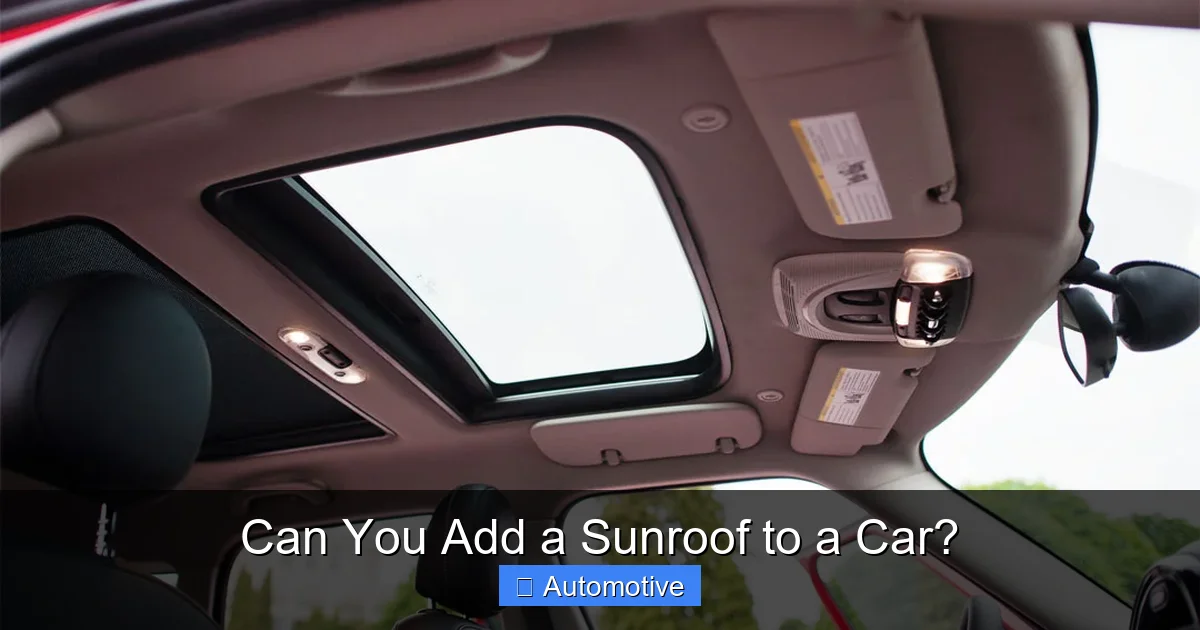
Here’s the harsh truth: you cannot call your car’s manufacturer (Ford, Toyota, BMW, etc.) and order a factory sunroof to be installed on your existing vehicle. The factory sunroof is not an accessory; it’s an integral part of the car’s design and assembly process.
Visual guide about Can You Add a Sunroof to a Car?
Image source: tsautoglass.com
Why Factory Installation Isn’t an Option
When a car is engineered with a sunroof option, the entire body structure is different. The roof panel is stamped with pre-formed recesses and reinforcement ribs. The headliner is designed with a specific cutout and mounting points. The wiring harness for the sunroof motor, switches, and sometimes even ambient lighting is routed through the A-pillars and headliner during initial assembly. The car’s computer (BCM) is programmed to expect and control that sunroof module.
Retrofitting this factory system after the fact would require:
- A completely different roof panel (which isn’t sold separately).
- Replacing the entire headliner.
- Running new wiring through sealed pillars and channels.
- Reprogramming the vehicle’s computer.
- Potentially modifying the structural adhesive and welds used in the roof.
This is a full-scale body-off restoration-level job, costing tens of thousands of dollars. It is never economically sensible. The only “factory” sunroof you can get is the one that was installed when your VIN was built. If you want a guaranteed, seamless factory sunroof, your only option is to buy or lease a car that has one from the start. This is why many people who really want a sunroof choose to trade their vehicle, as explored in articles about selling a car back to the dealership to upgrade.
Aftermarket Sunroofs: Your Realistic Option
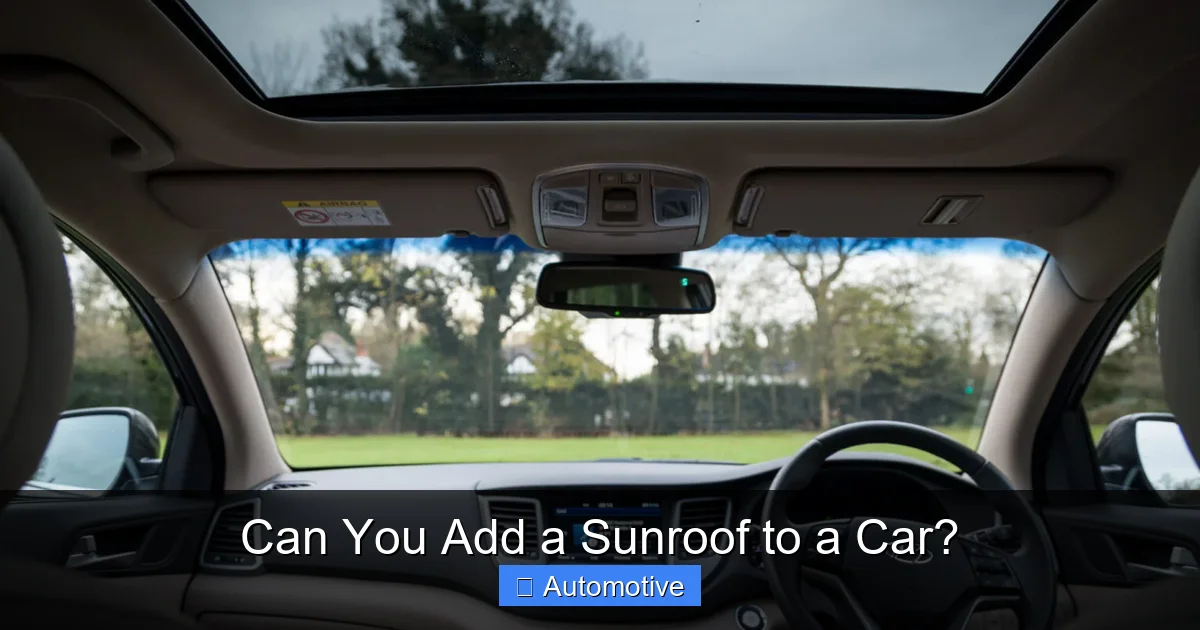
Since the factory door is closed, the aftermarket industry is your only port of call. This involves third-party companies like Webasto, Inalfa, or numerous regional installers who design sunroof kits for popular vehicles. These kits are engineered to fit specific year/make/model combinations, but they are not OEM (Original Equipment Manufacturer) parts.
Visual guide about Can You Add a Sunroof to a Car?
Image source: motorverso.com
Types of Aftermarket Sunroofs
Understanding the styles is the first step:
- Pop-Up / Vent Sunroof: This is the simplest and least invasive. The panel tilts upward at the rear, like a hatch, for ventilation. It does not slide back. Installation is easier, and it’s the most affordable option, often starting around $500-$1,000 installed. It provides airflow but not an open-air driving experience.
- Sliding “Slit” Sunroof: A narrow panel slides back into a track within the roof, opening a long, rectangular slit. It’s a compromise between a vent and a full glass panel. Installation is moderately complex.
- Inbuilt / panoramic Glass Sunroof: This is the most desirable and most complex. A large glass panel (sometimes spanning most of the roof) slides back fully into a cavity within the roof structure, disappearing from view. This requires the most extensive roof modification, significant structural reinforcement, and often involves a new headliner. Costs start at $1,500 and can exceed $3,000 for premium vehicles.
The Installation Process: It’s Major Surgery
A proper aftermarket sunroof installation is a 1-3 day process for a professional. Here’s a simplified overview:
- Preparation & Template: The installer will first inspect your car, confirm the correct kit, and often create a precise template of the roof’s interior to plan the cut lines perfectly, avoiding any hidden wiring or structural members.
- Interior Removal: The entire headliner (the fabric ceiling) is carefully removed. This alone is a delicate job.
- Roof Cutting: Using specialized tools like plasma cutters or nibblers, the installer cuts the exact opening in the metal roof panel. This is the most critical and irreversible step.
- Reinforcement: Here’s where quality separates from catastrophe. The cut edges must be welded to a custom-made steel reinforcement frame (often provided in the kit). This frame welds to the roof’s existing structural beams to restore and even enhance rigidity. Skipping or poorly executing this step is a recipe for a dangerous, noisy, and leaky roof.
- Sunroof Assembly: The sunroof frame, glass, and mechanical components are assembled and fitted into the opening, then welded or bolted to the reinforcement frame.
- Sealing & Waterproofing: Multiple layers of specialized sealants and weatherstripping are applied. This is arguably the most important part for long-term satisfaction. A proper installation will have channels to drain any water that gets past the primary seal to the outside.
- Wiring & Controls: The motor is connected, and wiring is run to a switch (usually in the headliner or visor area). This may require splicing into your car’s electrical system.
- Reassembly: The headliner is meticulously reinstalled, now with a hole cut for the sunroof’s interior trim. All interior panels are put back.
- Calibration & Testing: The sunroof is calibrated, tested for operation, and the car is thoroughly inspected for leaks, often with a water spray test.
Common Pitfalls and How to Avoid Them
The horror stories of aftermarket sunroofs are real: constant leaks, terrifying wind howl at highway speeds, and rattles that drive you insane. You avoid these by:
- Choosing the Right Installer: This is the #1 rule. Do not use a general auto body shop unless they have a dedicated, proven sunroof specialist with hundreds of installations. Look for shops that are certified or recommended by the sunroof manufacturer (e.g., a “Webasto Authorized Installer”). Ask for references and examples of their work on cars like yours.
- Insisting on Full Reinforcement: Any installer who says “don’t worry about the frame” or “the roof is strong enough” is wrong. Demand to see the reinforcement plan. The kit should include it.
- Understanding the Warranty: A reputable installer will offer a comprehensive warranty on their workmanship (often 1-3 years) and the sunroof mechanism itself. Get this in writing. The sunroof manufacturer’s warranty on parts is separate.
- Managing Expectations: A perfect, silent, leak-free installation is the goal, but even the best job may have a slight increase in wind noise compared to a solid roof. A great installer will be upfront about this.
Structural and Safety Considerations
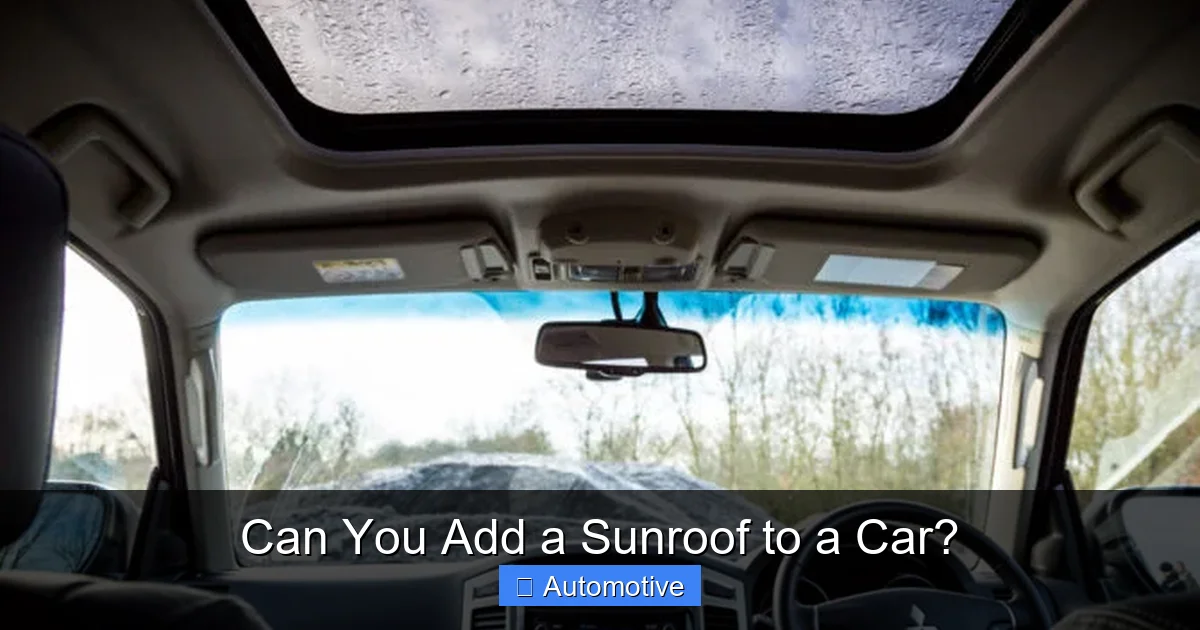
Your car’s roof is a critical safety cage. In a rollover accident, it’s what prevents the passenger compartment from collapsing. Cutting a large hole in it and replacing it with a glass panel changes the equation dramatically.
Visual guide about Can You Add a Sunroof to a Car?
Image source: motorverso.com
Roof Integrity and Crash Safety
Modern unibody cars rely on the entire structure, including the roof pillars and the roof panel itself, to manage crash forces. When you cut a hole, you remove a significant amount of that structural material. The reinforcement frame is designed to compensate for this, but it is an aftermarket solution, not one engineered into the car’s original crash test data.
The key takeaway: A properly reinforced aftermarket sunroof will restore much of the lost strength, but it will almost certainly not meet the exacting standards of the original manufacturer’s design. In a severe rollover, the roof’s performance is unpredictable. This is a genuine safety trade-off you must accept. For this reason, vehicles with very weak roof structures (some older convertibles or small hatchbacks) are often advised against having a sunroof added.
Water Leaks and Wind Noise
These are the two most common failures. Water finds its way through any imperfection in the seal. Because the sunroof is essentially a moving, flexible hatch in a rigid roof, creating a perfect, lifelong seal is an engineering challenge. The drain tubes that carry water away from the sunroof tray can clog, causing water to back up and leak into the cabin.
Wind noise is caused by turbulent air flowing over the open cavity when the sunroof is closed. A flush, perfectly installed glass panel with precise sealing will minimize this, but it’s often still audible at high speeds compared to a solid roof. The installer’s skill in aligning the panel and applying the correct sealants is everything here.
The True Cost of Adding a Sunroof
Forget the $300 “sunroof special” you might see online. Quality has a price, and with sunroofs, you get what you pay for.
Breakdown of Parts and Labor
Here’s a realistic cost spectrum for a typical sedan or SUV, installed by a reputable specialist:
- Basic Pop-Up Vent: $500 – $1,200. Includes simple kit, minimal cutting, basic reinforcement, and labor.
- Mid-Range Sliding Slit Sunroof: $1,200 – $2,500. More complex kit, larger cut, full reinforcement frame, more labor.
- Premium Inbuilt/Glass Panoramic Sunroof: $2,000 – $4,000+. Extensive cutting, major reinforcement, new headliner, complex mechanics, highest labor hours.
Luxury brands (BMW, Mercedes, Audi) and trucks/SUVs with complex roofs (roof rails, integrated antennas) will be at the higher end of these ranges, often $3,000 to $6,000+.
Unexpected Expenses to Budget For
The quote you get should be all-inclusive, but be aware of potential add-ons:
- Headliner Replacement: Most installations require a new headliner with the pre-cut sunroof opening. This is usually included in a good quote.
- Body Control Module (BCM) Reprogramming: Some vehicles require the car’s computer to be reprogrammed to recognize the sunroof motor. This can add $100-$300.
- Roof-Mounted Accessory Relocation: If your car has a factory antenna, satellite radio module, or other electronics on the roof, they may need to be moved, adding cost.
- Unexpected Rust or Damage: Once the headliner is off, an installer might find rust or previous poor bodywork that must be repaired before proceeding. This is rare but possible.
Always get a detailed, written estimate that specifies all parts, labor, and potential additional charges.
Warranty, Insurance, and Resale Value Implications
This is where the “but” gets serious. Modifying your car’s structure has downstream consequences.
Warranty Voidance
Your new car warranty (bumper-to-bumper and power train) is from the manufacturer. They will almost certainly argue that a major structural modification like a sunroof is “abuse” or “alteration” and can void the warranty on any component related to the roof, roof structure, interior, and even electrical systems if a failure can be remotely linked to the sunroof installation. The Magnuson-Moss Warranty Act places the burden on the manufacturer to prove the modification caused the failure, but they will try. A sunroof leak causing interior damage or an electrical short is a direct link. Document everything and inform your installer, but go in knowing your warranty protections are severely weakened. For more on car maintenance and warranties, understanding what happens during routine service like an oil change can help you maintain what’s left of your coverage.
Insurance Considerations
Inform your insurance company about the modification. While it shouldn’t affect your liability coverage, it increases the car’s value (so you should have adequate comprehensive/collision coverage) and introduces a new potential failure point (leaks). Some insurers may ask for proof of professional installation and the installer’s warranty. Failing to disclose a major modification could lead to a denied claim if water damage from a sunroof leak is involved.
Resale Value: A Double-Edged Sword
This is a huge factor. An aftermarket sunroof is a personalization, not a universally desired factory feature.
- To a Private Buyer: Some will love it and pay extra. Many will be wary, fearing leaks, noise, and the structural concerns we’ve discussed. You may have to discount the price to attract a buyer.
- To a Dealership: Most dealerships will heavily discount or outright refuse a car with a major aftermarket modification like a sunroof. It complicates their reconditioning process and reduces the pool of potential buyers. They see it as a liability, not an asset. Our guide on selling a modified car to a dealership explains this dynamic in detail. You will almost certainly get less for your trade-in than a comparable car with a factory sunroof or no sunroof at all.
Alternatives to Consider: Maybe There’s a Better Way
Before you commit to this major surgery, seriously consider these alternatives, which are often smarter financially and for long-term reliability.
Order a Factory Sunroof (If Possible)
If you are in the market for a new car, this is the best path. Configure your vehicle with the factory sunroof option from the dealer. The cost added to the MSRP is often less than half of a quality aftermarket install, and you get a seamless, warranted, and structurally sound system. If you’re leasing, this option is usually very affordable monthly.
Removable Roof Panels and T-Tops
For the ultimate open-air experience without a permanent hole, look into removable roof panel systems. Companies like specialized manufacturers create bolt-on fiberglass or polycarbonate panels that replace your entire roof section. They store in the trunk. This is less common but offers a true convertible-like experience with no permanent alteration to the roof’s main structure. However, it’s still a major modification and has its own sealing and security considerations.
Buy a Car That Already Has One
This is the most logical solution for most people. The used car market is full of vehicles with factory sunroofs. The price premium for a factory sunroof is usually modest compared to the cost of adding one. You get a perfect, integrated system with no warranty or structural worries. Trading your current car for one with a sunroof is often the most cost-effective and stress-free route. Understanding how to negotiate on a used car can help you offset the cost of this upgrade.
How to Choose a Reputable Installer
If, after weighing all the cons, you still want to proceed, choosing the right installer is the single most important decision you will make.
What to Look For
- Specialization: Look for shops whose primary business is sunroofs, glass, or high-end auto electronics. A general body shop is a red flag unless they have a dedicated, experienced technician for this specific job.
- Certifications: Are they authorized or certified by the sunroof brand they use (e.g., Webasto, Inalfa)? This means they’ve met training and quality standards.
- Portfolio: Ask to see photos of their completed work on vehicles matching your year, make, and model. Look for clean, precise cuts, neat wiring, and well-fitted interior trim.
- Facility: A clean, organized shop with proper tools (not just a Sawzall in a driveway) is a good sign.
Questions to Ask
- “What specific kit do you use for my [Year/Make/Model]?” (They should have a part number).
- “Can you show me the reinforcement frame included in the kit? How does it attach to my car’s existing roof structure?”
- “What is the warranty on your labor and the sunroof parts? Is it in writing?”
- “Do you handle all the electrical work and any necessary reprogramming?”
- “How many of these exact installations have you completed in the last year?”
- “What is your process for testing for leaks?”
Red Flags to Avoid
- Price too good to be true: $500 for a full glass sunroof on a modern car is a guarantee of corner-cutting.
- No physical inspection: They quote over the phone without looking at your car. Every car is different; they must see it.
- Vague about reinforcement: “Oh, we just weld it in good.” Run. Reinforcement must be engineered and specific.
- No written warranty: Always, always get the warranty terms in writing on the estimate/contract.
- Poor online reviews: Search for “[Shop Name] + sunroof leak” or “+ noise” specifically.
Conclusion: A Dream Worth Weighing Carefully
Adding a sunroof to a car is one of the most transformative and expensive modifications you can make. It is technically feasible through the aftermarket route, but it is not a casual upgrade. It is a permanent, costly, and risky structural alteration that will impact your car’s safety, warranty, insurance, and resale value for the rest of its life.
For the vast majority of drivers, the sensible path is not to modify an existing car, but to acquire one that already has the feature they want—either by ordering a new vehicle with a factory sunroof or by trading for a used one. The premium you pay at the dealership for a factory-installed sunroof is dwarfed by the cost, hassle, and risk of an aftermarket job. If you are absolutely set on modifying your current car, commit to finding the best possible installer, budgeting for the high end of the cost spectrum, and accepting the long-term trade-offs. Treat your car’s roof with the reverence it deserves as your primary safety cell. The joy of an open sky might not be worth the potential for a leaky, noisy, and compromised vehicle.
Frequently Asked Questions
Is it legal to add an aftermarket sunroof to my car?
Yes, it is generally legal as long as the sunroof is securely installed, the vehicle passes safety inspection (if required in your state), and the glass meets safety standards (tempered or laminated). The main legal concern is ensuring it does not create a hazardous condition, like a sudden opening while driving.
Will adding a sunroof void my car’s factory warranty?
Almost certainly. Because it involves cutting into the roof structure, the manufacturer will likely void the warranty on any components affected by the modification, including the roof, interior, electrical systems, and even related chassis components. You must assume your factory warranty is nullified for those areas.
How long does a professional sunroof installation take?
A full, proper installation on a typical sedan takes 1 to 3 full business days. The process involves complete headliner removal, precise roof cutting, reinforcement welding, assembly, sealing, and reassembly. Rushed jobs that take less than a day are major red flags for poor quality.
Can any car have an aftermarket sunroof added?
No. While kits exist for many popular models, some cars are poor candidates. These include vehicles with roof-mounted rollover sensors, complex antenna arrays, very small roofs, or those with known structural weakness. A professional installer must evaluate your specific vehicle to determine feasibility and kit availability.
What is the biggest risk of an aftermarket sunroof installation?
The two biggest risks are water leaks and excessive wind noise. Both stem from imperfect sealing, poor alignment, or inadequate drainage. These are not just annoyances; chronic leaks can cause mold, electrical damage, and interior rot. Wind noise can become unbearable at highway speeds and is often impossible to fully fix after the fact.
How much does it typically cost to add a sunroof?
For a quality installation from a reputable specialist, expect to pay between $1,500 and $4,000 for a standard sliding glass sunroof on a common vehicle. Basic pop-up vents start around $500-$1,200. Premium panoramic roofs on luxury or large vehicles can exceed $6,000. The cheapest options are almost always the most problematic.