
Can No Coolant Make a Car Overheat?

Yes, no coolant can absolutely make a car overheat. Coolant is essential for regulating engine temperature, and without it, heat builds up rapidly, risking severe engine damage. Understanding the role of coolant and recognizing early warning signs can save you from costly repairs.
Key Takeaways
- Coolant is vital for engine temperature control: It absorbs heat from the engine and releases it through the radiator, preventing overheating.
- Running a car with no coolant causes immediate overheating: Without coolant, the engine can overheat within minutes, especially under load or in hot weather.
- Low coolant levels often indicate a leak: Regularly check your coolant reservoir and look for signs of leaks under your vehicle.
- Overheating can lead to engine damage: Prolonged overheating may warp cylinder heads, blow head gaskets, or even crack engine blocks.
- Topping off coolant isn’t always enough: If coolant is consistently low, have your cooling system inspected for leaks or faulty components.
- Use the right type of coolant: Mixing incompatible coolants or using plain water can reduce efficiency and cause corrosion.
- Preventive maintenance saves money: Regular coolant checks and system flushes every 30,000 to 50,000 miles help avoid overheating issues.
📑 Table of Contents
Can No Coolant Make a Car Overheat?
Imagine you’re driving down the highway on a sunny afternoon, enjoying the breeze through your open window. Suddenly, your temperature gauge spikes into the red zone. The dashboard warning light flashes—your engine is overheating. You pull over, pop the hood, and notice the coolant reservoir is completely empty. You’re left wondering: Can no coolant make a car overheat? The short answer is yes—absolutely.
Coolant, also known as antifreeze, is one of the most overlooked yet critical fluids in your vehicle. While oil lubricates the engine and gasoline provides power, coolant is responsible for keeping the engine at a safe operating temperature. Without it, your engine can overheat in a matter of minutes, leading to potentially catastrophic damage. Whether you’re a daily commuter or a weekend road-tripper, understanding the role of coolant and the dangers of running low—or completely out—can save you time, money, and stress.
In this article, we’ll explore how coolant works, what happens when it’s missing, the warning signs of overheating, and how to prevent and respond to coolant-related issues. We’ll also answer common questions and provide practical tips to keep your engine running cool and smooth.
How Coolant Keeps Your Engine Cool
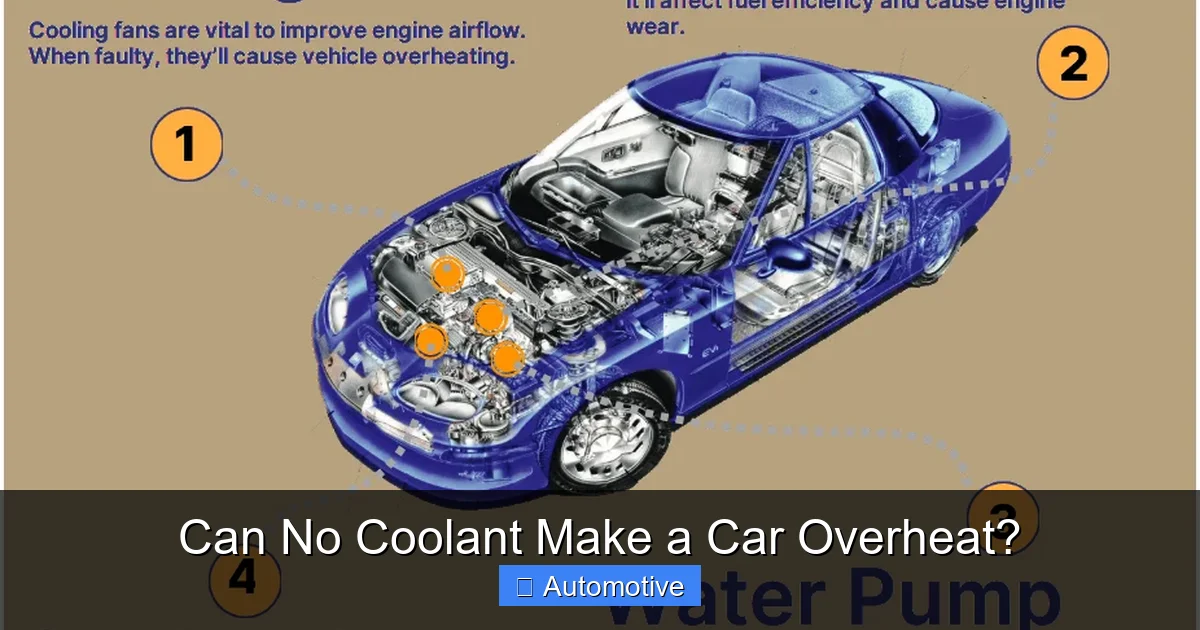
Visual guide about Can No Coolant Make a Car Overheat?
Image source: cdn.prod.website-files.com
To understand why no coolant leads to overheating, it helps to know how the cooling system works. Your car’s engine burns fuel to create power, but this process generates an enormous amount of heat—enough to melt metal if left unchecked. That’s where the cooling system comes in.
The Role of Coolant in Heat Transfer
Coolant is a specially formulated liquid that circulates through the engine block and cylinder head, absorbing heat from critical components. It then flows to the radiator, where air passing through (either from driving or the electric fan) cools it down before it returns to the engine. This continuous cycle keeps the engine operating within a safe temperature range—typically between 195°F and 220°F (90°C to 104°C).
Without coolant, there’s no medium to absorb and transfer heat away from the engine. As a result, temperatures rise rapidly. In just a few minutes of driving—especially under load, like climbing a hill or towing—the engine can overheat to dangerous levels.
Coolant vs. Water: Why You Can’t Just Use Water
Some drivers think they can substitute coolant with plain water in a pinch. While water does transfer heat, it’s not ideal for long-term use. Coolant contains additives that prevent corrosion, lubricate the water pump, and raise the boiling point while lowering the freezing point. Using only water can lead to rust, scale buildup, and reduced efficiency—especially in extreme temperatures.
For example, in winter, plain water can freeze and expand, cracking the engine block. In summer, it can boil over, causing steam and pressure buildup. Coolant is engineered to handle these extremes, making it far superior for engine protection.
The Cooling System Components
The cooling system isn’t just about the coolant itself. It includes several key parts that work together:
- Radiator: Dissipates heat from the coolant as air flows through.
- Water Pump: Circulates coolant through the engine and radiator.
- Thermostat: Regulates coolant flow based on engine temperature.
- Coolant Reservoir: Stores extra coolant and allows for expansion.
- Hoses and Belts: Transport coolant and power the water pump.
- Radiator Fan: Pulls air through the radiator when the car is idling or moving slowly.
If any of these components fail, the system can’t function properly—even if coolant is present. But when there’s no coolant at all, the entire system is useless.
What Happens When There’s No Coolant?
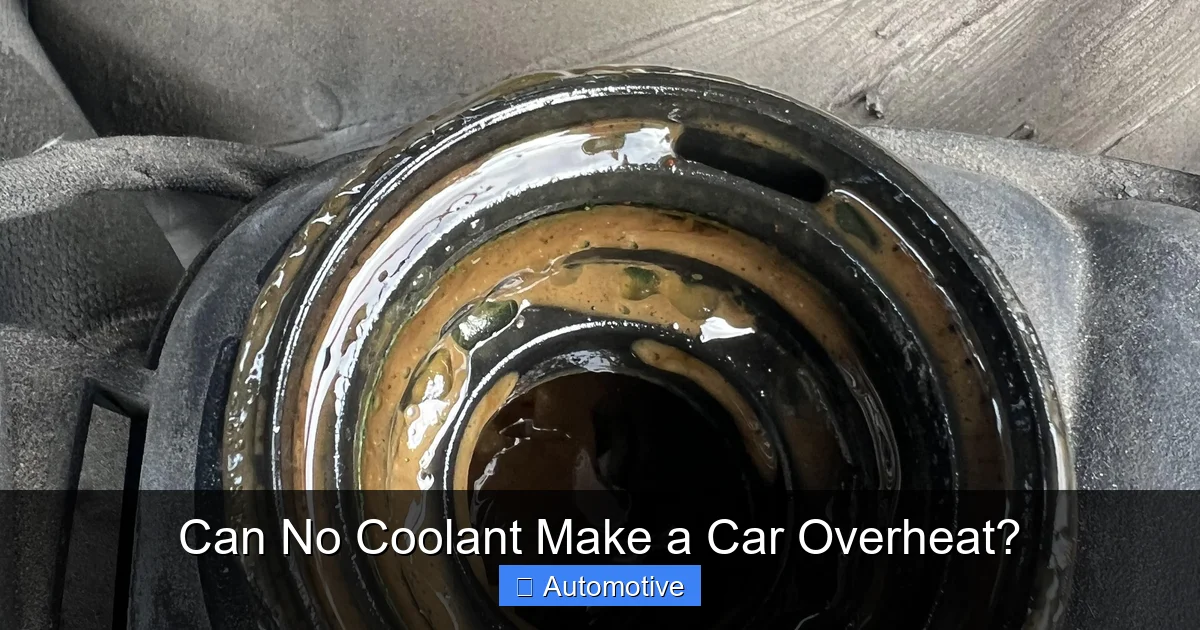
Visual guide about Can No Coolant Make a Car Overheat?
Image source: i.redd.it
Now that we know how coolant works, let’s explore what happens when it’s completely missing from your vehicle.
Immediate Engine Overheating
The most direct consequence of having no coolant is engine overheating. As the engine runs, combustion creates intense heat. Without coolant to absorb and dissipate this heat, metal components begin to expand rapidly. Within minutes, the engine can reach temperatures exceeding 250°F (121°C)—well beyond safe limits.
For example, if you start your car with an empty coolant reservoir and drive just five miles in stop-and-go traffic, your engine could overheat. The lack of coolant means no heat transfer, and the engine essentially cooks itself from the inside out.
Increased Friction and Wear
Coolant also helps maintain proper lubrication in the water pump and prevents corrosion in the engine. Without it, metal parts can rub together more aggressively, increasing wear and tear. Over time, this can lead to premature failure of components like the water pump, thermostat, or even the engine itself.
Imagine driving with no oil—your engine would seize almost immediately. While coolant doesn’t lubricate moving parts like oil, its absence still creates a hostile environment for engine components, accelerating degradation.
Risk of Engine Seizure
In extreme cases, overheating caused by no coolant can lead to engine seizure. This happens when metal parts expand so much they fuse together, preventing the engine from turning. At that point, the engine is essentially destroyed and may require a full replacement—costing thousands of dollars.
A real-world example: A driver ignored a coolant leak for weeks, topping off the reservoir with water each time. Eventually, the leak worsened, and the coolant drained completely. The engine overheated on the highway, seized, and the car had to be towed. The repair estimate? Over $5,000 for a new engine.
Damage to the Head Gasket and Cylinder Head
One of the most common and expensive consequences of overheating is a blown head gasket. The head gasket seals the cylinder head to the engine block, keeping coolant, oil, and combustion gases separate. When the engine overheats, the cylinder head can warp or crack, compromising the seal.
Symptoms of a blown head gasket include white smoke from the exhaust, milky oil, and coolant mixing with oil. Repairs often require disassembling the engine, which is both time-consuming and costly.
Signs Your Car Is Low on Coolant
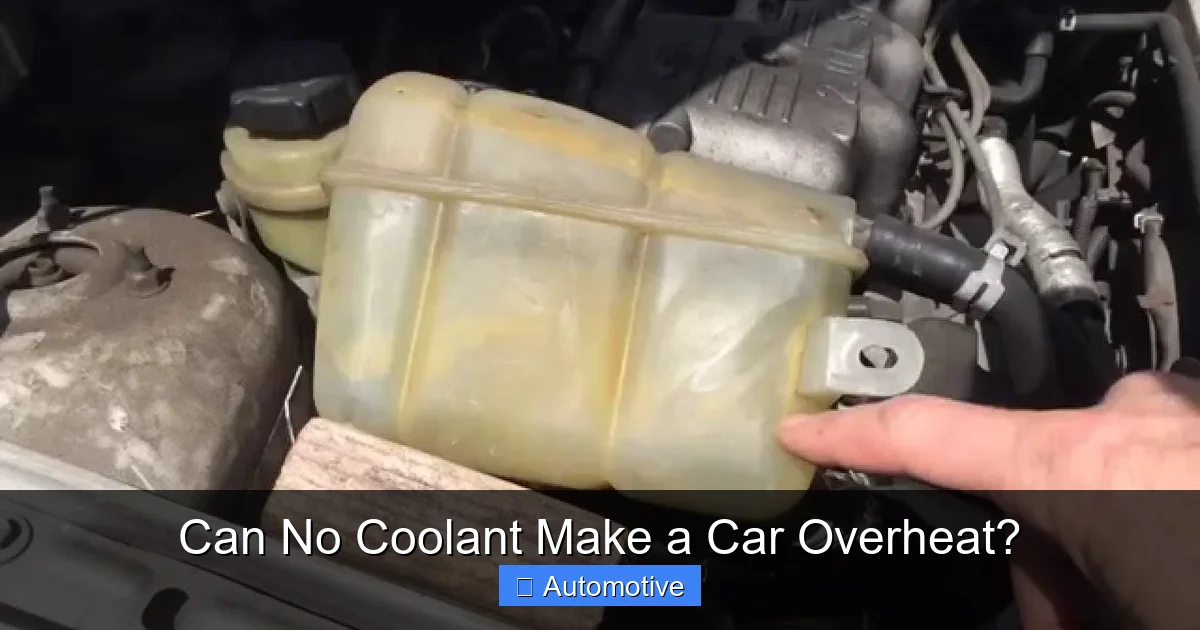
Visual guide about Can No Coolant Make a Car Overheat?
Image source: i.ytimg.com
You don’t have to wait for the engine to overheat to know something’s wrong. There are several early warning signs that your coolant level is low—or that there’s a leak in the system.
Dashboard Warning Lights
Modern vehicles are equipped with sensors that monitor coolant temperature and level. If the coolant is low or the engine is overheating, the dashboard will usually display a warning light—often shaped like a thermometer or labeled “TEMP” or “COOLANT.”
Don’t ignore this light. If it comes on while driving, pull over safely and turn off the engine immediately. Continuing to drive can cause irreversible damage.
Temperature Gauge in the Red
The temperature gauge on your dashboard shows the engine’s operating temperature. If it moves into the red zone or higher than normal, your engine is overheating. This could be due to low coolant, a faulty thermostat, or a failing water pump.
For example, if your gauge typically sits in the middle but suddenly climbs toward the top, it’s a red flag. Stop driving and investigate.
Sweet Smell or Steam Under the Hood
Coolant has a distinct sweet smell, similar to maple syrup. If you notice this odor while driving or after parking, it could indicate a coolant leak. You might also see steam or vapor coming from under the hood—especially near the radiator or hoses.
Steam is a sign that coolant is boiling or leaking onto hot engine parts. This is a serious issue and should be addressed immediately.
Puddles Under the Car
After parking, check the ground beneath your car. A green, yellow, or pink puddle (depending on the coolant type) is a clear sign of a leak. Coolant is brightly colored to make leaks easier to spot.
Common leak locations include:
- Radiator
- Water pump
- Hoses
- Heater core
- Head gasket
Even a small drip can lead to a complete loss of coolant over time.
Heater Not Working Properly
The heater in your car uses hot coolant from the engine to warm the cabin. If the coolant level is low, the heater may blow cold air—even when the engine is warm.
This is especially noticeable in winter. If your heater isn’t producing heat, check the coolant level and look for leaks.
Common Causes of Coolant Loss
Low or missing coolant is rarely random. It’s usually the result of an underlying issue in the cooling system. Identifying the cause is key to preventing future problems.
Leaking Radiator
The radiator is exposed to road debris, heat, and pressure, making it prone to cracks and leaks. Over time, corrosion can weaken the radiator’s metal or plastic components, leading to slow leaks.
A leaking radiator may show signs like coolant stains on the front of the car or a drop in coolant level over days or weeks.
Faulty Water Pump
The water pump circulates coolant through the engine. If the pump’s seal fails or the impeller breaks, coolant can leak out. A failing water pump may also make a whining or grinding noise.
Replacing a water pump is labor-intensive, as it’s usually located behind the timing belt or serpentine belt.
Damaged Hoses
Coolant hoses connect the radiator, engine, and heater core. Over time, they can become brittle, cracked, or loose, causing leaks.
Check hoses regularly for soft spots, bulges, or cracks. Replace them every 5 years or as recommended by your vehicle’s manufacturer.
Blown Head Gasket
As mentioned earlier, a blown head gasket can allow coolant to leak into the combustion chamber or oil passages. This not only lowers coolant levels but also contaminates oil and reduces engine performance.
Symptoms include white exhaust smoke, overheating, and milky oil on the dipstick.
Cracked Engine Block or Cylinder Head
In extreme overheating cases, the engine block or cylinder head can crack. This allows coolant to leak internally or externally. These are serious, costly repairs that often require engine replacement.
Faulty Radiator Cap
The radiator cap maintains pressure in the cooling system. If it’s worn or damaged, it can’t hold pressure, causing coolant to boil over or leak from the overflow tube.
A simple and inexpensive fix, but often overlooked.
How to Respond When Your Car Overheats
If your car overheats due to low or no coolant, quick action can prevent major damage.
Pull Over Safely
As soon as you notice the temperature gauge rising or a warning light, find a safe place to pull over. Turn off the engine immediately. Do not continue driving—even for a short distance.
Let the Engine Cool
Never open the radiator cap when the engine is hot. The system is under pressure, and opening it can cause a burst of steam and hot coolant, leading to severe burns.
Wait at least 30 minutes for the engine to cool down before attempting to check or add coolant.
Check Coolant Level
Once the engine is cool, open the hood and locate the coolant reservoir. Check the level against the “MIN” and “MAX” markings. If it’s below “MIN,” you’re low on coolant.
Do not open the radiator cap unless absolutely necessary—most modern cars use a pressurized reservoir system.
Add Coolant (If Safe)
If you have coolant on hand, add it to the reservoir until it reaches the “MAX” line. Use the correct type specified in your owner’s manual—mixing incompatible coolants can cause sludge or corrosion.
If you don’t have coolant, you can temporarily use distilled water in an emergency. But replace it with proper coolant as soon as possible.
Inspect for Leaks
After adding coolant, start the engine and let it idle. Watch for leaks, steam, or the temperature gauge rising again. If the problem persists, do not drive the car—call a tow truck.
Seek Professional Help
Even if the engine cools and seems fine, have a mechanic inspect the cooling system. There may be hidden damage or an underlying issue that needs repair.
Preventing Coolant-Related Overheating
The best way to avoid overheating is through regular maintenance and vigilance.
Check Coolant Regularly
Make it a habit to check your coolant level every few weeks. Look at the reservoir when the engine is cold. Top it off if needed, but investigate if it’s consistently low.
Follow the Maintenance Schedule
Most manufacturers recommend a coolant flush and replacement every 30,000 to 50,000 miles, or every 2 to 5 years. This removes old coolant, debris, and corrosion, keeping the system efficient.
Inspect Hoses and Belts
During oil changes or routine inspections, ask your mechanic to check coolant hoses, belts, and the radiator for signs of wear or leaks.
Use the Right Coolant
Always use the coolant type recommended by your vehicle’s manufacturer. Using the wrong kind can damage seals, reduce efficiency, or cause chemical reactions.
Watch for Warning Signs
Pay attention to dashboard lights, temperature gauge, and unusual smells or sounds. Early detection can prevent major repairs.
Address Leaks Immediately
Even a small coolant leak can lead to overheating. If you notice a puddle or smell coolant, have it checked right away.
Conclusion
So, can no coolant make a car overheat? The answer is a resounding yes. Coolant is the lifeblood of your engine’s cooling system, and without it, your engine can overheat in minutes—leading to warped parts, blown gaskets, or even total engine failure.
Understanding how coolant works, recognizing the warning signs of low levels, and performing regular maintenance can save you from expensive repairs and roadside breakdowns. Don’t wait for the temperature light to come on. Be proactive: check your coolant, inspect for leaks, and follow your vehicle’s maintenance schedule.
Your car’s engine works hard every day. Give it the care it deserves by keeping it cool, running smoothly, and protected from the dangers of overheating. A little attention now can prevent a lot of trouble later.
Frequently Asked Questions
Can I drive my car if the coolant is low?
You should not drive your car if the coolant is low, especially if it’s below the minimum level. Low coolant can lead to overheating, which may cause serious engine damage. Top it off if safe, but have the system inspected for leaks.
How long can a car run with no coolant?
A car can overheat within 5 to 10 minutes of running with no coolant, depending on driving conditions. Idling may take longer, but under load or in hot weather, overheating happens quickly.
Can I use water instead of coolant?
You can use distilled water in an emergency, but it’s not a long-term solution. Water lacks the protective additives in coolant and can cause corrosion, freezing, or boiling. Replace it with proper coolant as soon as possible.
Why is my coolant disappearing but no visible leaks?
Coolant may be leaking internally, such as into the combustion chamber due to a blown head gasket. It can also evaporate slowly from a faulty radiator cap or seep into the oil system. A pressure test can help locate hidden leaks.
How often should I check my coolant level?
Check your coolant level every 2–4 weeks, especially before long trips. Also inspect it during oil changes or if you notice any warning lights or temperature changes.
What should I do if my car overheats?
Pull over safely, turn off the engine, and let it cool for at least 30 minutes. Do not open the radiator cap while hot. Once cooled, check coolant level and look for leaks. If the problem persists, call a tow truck and have a mechanic inspect the system.
