
Can I Take a Rental Car to Canada

You can take a rental car to Canada, but it’s not as simple as just driving across the border. You’ll need proper documentation, rental company approval, and the right insurance coverage. Planning ahead ensures a smooth trip without surprises or fines.
So, you’ve booked a rental car for your U.S. road trip and now you’re thinking about extending your adventure into Canada. Maybe you’re heading to Niagara Falls, exploring the Rockies, or visiting family in Vancouver. The big question: **Can I take a rental car to Canada?**
The short answer is yes—but it’s not as simple as just driving across the border. While many travelers assume that once you have a rental car, you can go anywhere, international travel adds layers of rules, paperwork, and potential pitfalls. Canada welcomes U.S. visitors, but rental vehicles come with specific restrictions and requirements that can trip up even seasoned travelers.
This guide will walk you through everything you need to know before taking your rental car across the northern border. From rental company policies and insurance coverage to border procedures and practical tips, we’ll cover it all. By the end, you’ll feel confident and prepared to enjoy your Canadian adventure—without any unexpected fines, denied entry, or rental nightmares.
Key Takeaways
- Check with your rental company first: Most major U.S. rental agencies allow cross-border travel to Canada, but some require advance notice or charge extra fees.
- Bring essential documents: You’ll need your driver’s license, rental agreement, proof of insurance, and passport or NEXUS card for entry.
- Insurance coverage matters: Standard rental insurance may not fully cover you in Canada—verify coverage or add international protection.
- Know the vehicle restrictions: Some rental vehicles, especially trucks or luxury models, may not be permitted in Canada.
- Prepare for customs and border checks: Be ready to declare the vehicle, show paperwork, and answer questions about your trip.
- Fuel and tolls work differently: Gas stations may not accept U.S. credit cards, and toll roads use different payment systems—plan accordingly.
- Return the car properly: Returning a rental across the border requires coordination—most companies prefer you return it to the original country.
📑 Table of Contents
Can You Legally Drive a Rental Car into Canada?
Yes, you can legally drive a U.S.-rented car into Canada, but only under certain conditions. Canadian law allows foreign-registered vehicles, including rental cars, to enter for tourism or short-term visits. However, the vehicle must be properly insured, registered, and driven by someone with a valid license.
The key is ensuring that your rental agreement permits international travel. Most major rental companies—like Hertz, Enterprise, Avis, and Budget—allow cross-border trips to Canada, but they often require you to notify them in advance. Some may even charge an additional fee or require you to purchase extra coverage.
It’s also important to note that not all rental vehicles are approved for international use. For example, certain trucks, vans, or high-end luxury cars may be restricted due to import regulations or company policy. Always confirm with your rental provider before booking if your destination includes Canada.
Rental Company Policies Vary
Not all rental agencies treat cross-border travel the same way. While companies like Enterprise and Hertz are generally flexible, others may impose strict rules. For instance, some locations may only allow cross-border travel if you rent from a specific branch near the border. Others might require you to return the vehicle to the same country where you picked it up.
Always call the rental company directly or check their website for their international travel policy. Don’t rely solely on online booking tools—they may not display all restrictions. When in doubt, speak to a representative and get confirmation in writing. This protects you in case of disputes at the border or during your trip.
Vehicle Eligibility Matters
Even if your rental company allows cross-border travel, the type of vehicle you rent can affect your eligibility. Canadian customs may deny entry to vehicles that don’t meet safety or emissions standards, though this is rare for standard passenger cars.
However, some rental vehicles—especially those with specialized equipment, like snow tires or GPS units—may require additional documentation. If you’re renting a camper van or RV, the rules are even stricter. These vehicles often need special permits and are subject to different import rules. Always clarify with your rental provider whether your specific vehicle is approved for Canada.
Required Documents for Crossing the Border
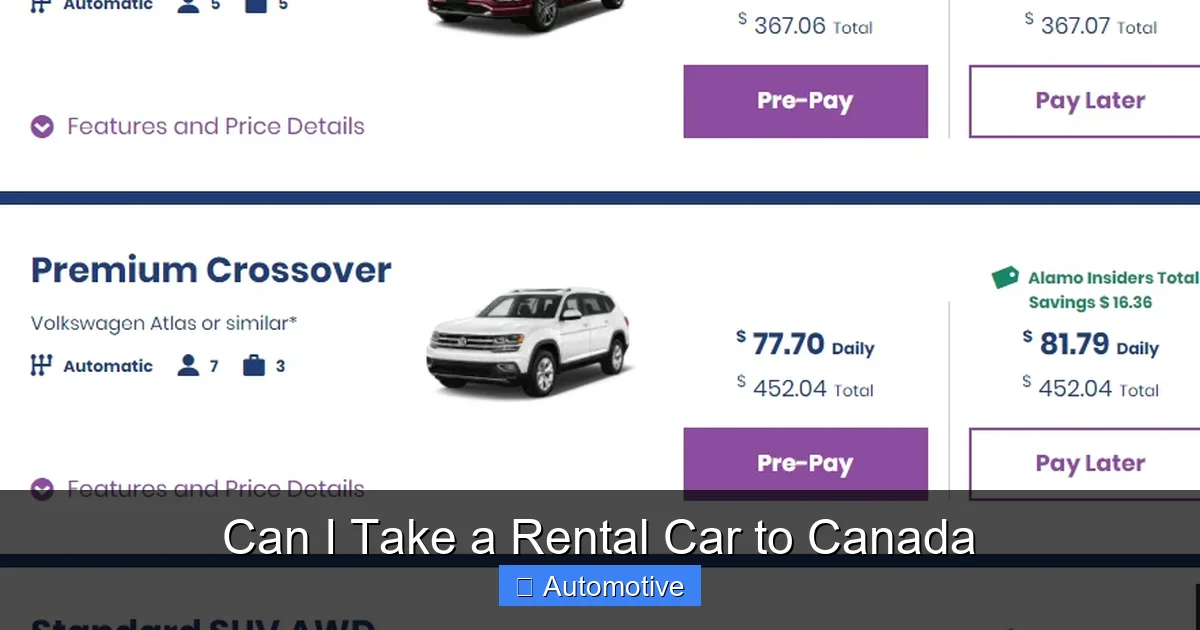
Visual guide about Can I Take a Rental Car to Canada
Image source: cimg0.ibsrv.net
When driving a rental car into Canada, you’ll need more than just your driver’s license. Canadian Border Services Agency (CBSA) officers will inspect your documents to ensure you’re authorized to enter with a foreign vehicle. Missing or incorrect paperwork can result in delays, fines, or even denial of entry.
Here’s what you’ll need to have ready when you approach the border:
Valid Driver’s License
Your U.S. driver’s license is sufficient for driving in Canada, as long as it’s current and not suspended. If your license is from a non-English-speaking country, consider carrying an International Driving Permit (IDP), though it’s not required for U.S. drivers.
Keep in mind that some Canadian provinces have different rules for new drivers or those with learner’s permits. If you’re under 21 or have a restricted license, check the specific requirements for the province you’re visiting.
Rental Agreement (Rental Contract)
You must carry the original rental agreement or a printed copy. This document proves that you’re authorized to drive the vehicle and shows the rental company’s name, vehicle details, and rental period.
Make sure the agreement includes a clause permitting international travel. If it doesn’t, or if the rental company hasn’t approved your trip, you could be turned away at the border. Some agencies provide a separate “cross-border authorization letter”—ask for one if available.
Proof of Insurance
Canadian law requires all vehicles to have valid liability insurance. Your U.S. rental insurance may cover you, but it’s not guaranteed. Most rental companies offer a Collision Damage Waiver (CDW) and Liability Insurance Supplement (LIS), but these may not fully comply with Canadian requirements.
To be safe, ask your rental company if your policy includes coverage in Canada. If not, you may need to purchase additional coverage. Some credit cards also offer rental car insurance, but again, verify that it extends to international use.
Passport or Approved Travel Document
All travelers entering Canada must present a valid passport, passport card, or NEXUS card (for expedited processing). Enhanced driver’s licenses (EDLs) are accepted at land borders from certain U.S. states, but a passport is the most reliable option.
Children under 16 can enter with a birth certificate, but it’s best to carry passports for everyone in the vehicle to avoid complications.
Vehicle Registration (If Available)
While rental cars don’t require you to carry the physical registration, having a copy of the rental agreement that includes the vehicle’s VIN and plate number can help speed up the process. Some border agents may ask for it to verify the car’s legal status.
Insurance and Coverage in Canada
Visual guide about Can I Take a Rental Car to Canada
Image source: kereta.info
Insurance is one of the most misunderstood aspects of taking a rental car to Canada. Just because you’re covered in the U.S. doesn’t mean you’re covered north of the border. Canadian provinces have different minimum liability requirements, and your U.S. policy may not meet them.
Most major rental companies include basic liability coverage in their U.S. rentals, but this often doesn’t extend to Canada. That’s why it’s crucial to ask about international coverage before you leave.
Understanding Rental Insurance Options
When you rent a car in the U.S., you’re typically offered several insurance add-ons:
– **Collision Damage Waiver (CDW):** Covers damage to the rental car.
– **Loss Damage Waiver (LDW):** Similar to CDW, but may have different terms.
– **Liability Insurance Supplement (LIS):** Covers third-party injuries and property damage.
– **Personal Accident Insurance (PAI):** Covers medical expenses for you and your passengers.
– **Personal Effects Coverage (PEC):** Protects your belongings in the car.
While these sound comprehensive, many do not automatically apply in Canada. For example, your CDW might exclude international use unless you pay an extra fee. Always confirm which coverages are valid across the border.
Credit Card Rental Insurance
Many travelers rely on credit card rental insurance to save money. However, most credit card policies explicitly exclude coverage in Canada and Mexico. Even if your card offers international coverage, it may only apply if you decline the rental company’s CDW—and even then, liability coverage is rarely included.
If you plan to use credit card insurance, call your issuer and ask:
– Does the policy cover Canada?
– Is liability coverage included?
– Are there any exclusions for certain vehicle types?
Don’t assume you’re covered—get it in writing.
Purchasing Additional Coverage
If your existing insurance doesn’t cover Canada, you’ll need to buy supplemental coverage from the rental company. Most agencies offer an “International Coverage Package” for an extra daily fee (usually $10–$20). This typically includes:
– Extended liability coverage meeting Canadian standards
– Cross-border damage waiver
– Emergency roadside assistance in Canada
This small investment can save you thousands in case of an accident or damage.
Border Crossing Procedures and Tips
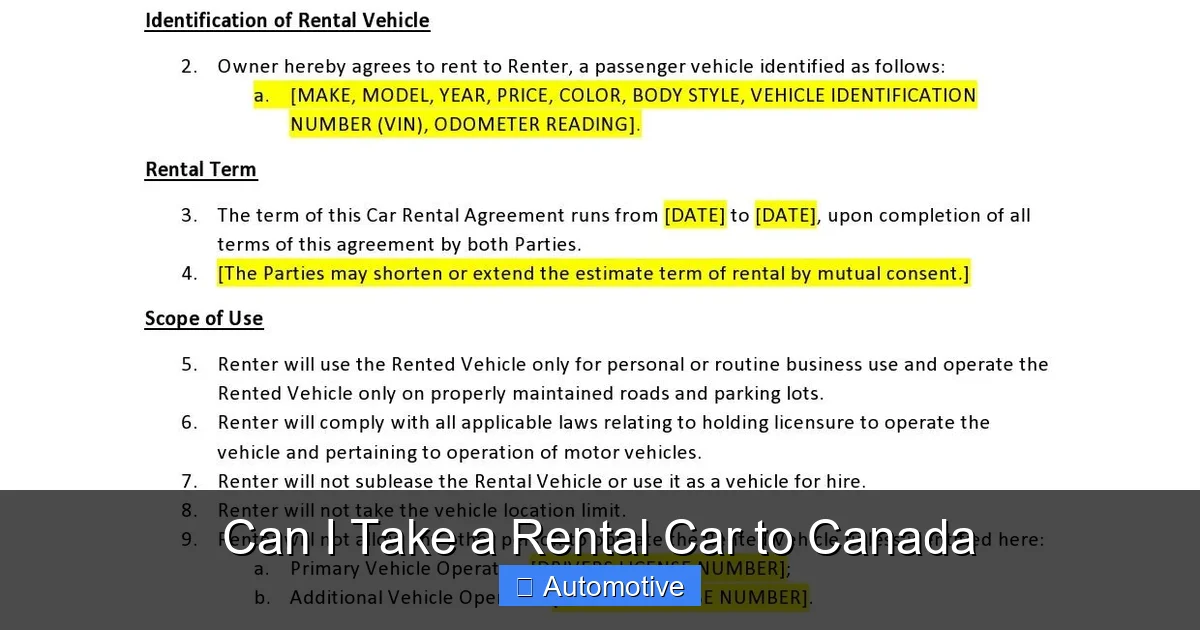
Visual guide about Can I Take a Rental Car to Canada
Image source: templatelab.com
Crossing the border with a rental car isn’t much different from crossing with your own vehicle, but there are a few key things to keep in mind. Canadian border officers are thorough, and they’ll want to verify that you’re legally allowed to drive the car and that it’s properly insured.
Here’s what to expect and how to prepare.
What to Expect at the Border
When you arrive at a land border crossing, you’ll pull up to a booth where a CBSA officer will ask you a few questions. Common questions include:
– What is the purpose of your trip?
– How long will you be in Canada?
– Are you bringing any goods into the country?
– Who is the rental company, and do you have permission to drive this vehicle in Canada?
Be honest and concise. Have your documents ready and easily accessible. Officers may also inspect the vehicle or ask to see the rental agreement.
Tips for a Smooth Crossing
– **Arrive during daylight hours:** Some border crossings have reduced hours or longer wait times at night.
– **Use NEXUS if you have it:** This trusted traveler program allows faster processing at designated lanes.
– **Keep documents organized:** Use a folder or envelope to store your license, rental agreement, insurance proof, and passport.
– **Be polite and patient:** Border agents have the authority to deny entry. Stay calm and cooperative.
– **Declare everything:** If you’re bringing food, alcohol, or gifts, declare them to avoid fines.
What If You’re Denied Entry?
In rare cases, you might be denied entry with your rental car. This could happen if:
– Your rental agreement prohibits international travel
– Your insurance is insufficient
– The vehicle doesn’t meet Canadian standards
– You lack proper identification
If this happens, you’ll need to return to the U.S. and possibly pay for a one-way drop-off fee or arrange for the car to be returned. Always have a backup plan, such as booking a Canadian rental car instead.
Practical Tips for Driving in Canada
Once you’re across the border, driving in Canada is similar to the U.S., but there are some important differences. Being prepared will help you avoid tickets, accidents, or confusion.
Speed Limits and Road Signs
Speed limits in Canada are posted in kilometers per hour (km/h), not miles per hour (mph). For example, a 100 km/h speed limit is roughly 62 mph. Make sure you understand the conversion and adjust your driving accordingly.
Road signs are bilingual (English and French) in Quebec and some other areas. Familiarize yourself with common signs, especially those related to speed, turns, and school zones.
Fuel and Payment Methods
Gas stations in Canada may not accept U.S. credit cards at the pump, especially in rural areas. Many require you to pay inside or use a chip-enabled card. Carry cash or a Canadian-compatible card to avoid being stranded.
Fuel is sold by the liter, not the gallon. A liter is about 0.26 gallons, so prices may seem higher at first glance—but remember, you’re buying less volume.
Tolls and Electronic Passes
Some Canadian highways, like the 407 ETR in Ontario, use electronic tolling. If you don’t have a transponder, you’ll be billed by license plate. Make sure your rental company has a toll program or that you’re prepared to pay online later.
Ask your rental agency about toll policies—some include toll passes in the rental fee, while others charge extra.
Returning the Rental Car
Most rental companies prefer that you return the vehicle to the same country where you picked it up. If you plan to drop off in Canada, confirm this in advance. One-way international rentals are possible but often come with high fees.
If you must return the car in the U.S. after visiting Canada, allow extra time for border processing and vehicle inspection. Some agencies require a pre-return inspection to check for damage.
Alternatives to Taking a Rental Car to Canada
If the process seems too complicated or costly, consider alternatives:
– **Rent a car in Canada:** Pick up a vehicle after crossing the border. This avoids cross-border rental issues entirely.
– **Use public transportation:** Trains, buses, and shuttles connect major U.S. and Canadian cities.
– **Fly and rent locally:** Fly into a Canadian airport and rent a car there for your trip.
These options may be more convenient, especially for short visits or city-based travel.
Final Thoughts
Taking a rental car to Canada is absolutely possible—and for many travelers, it’s the best way to explore the country’s stunning landscapes and vibrant cities. But it requires careful planning, the right documentation, and clear communication with your rental company.
By checking your rental agreement, securing proper insurance, and preparing your documents, you can cross the border with confidence. Don’t let small oversights ruin your trip. A little preparation goes a long way.
So pack your bags, grab your passport, and hit the road. Canada is waiting—and your rental car can take you there.
Frequently Asked Questions
Can I drive a U.S. rental car into Canada?
Yes, you can drive a U.S. rental car into Canada, but only if your rental company permits it and you have the proper documentation and insurance. Always confirm with the rental agency before your trip.
Do I need special insurance to drive a rental car in Canada?
Standard U.S. rental insurance may not cover you in Canada. You’ll likely need to purchase additional international coverage from the rental company or verify that your credit card insurance extends to Canada.
What documents do I need to cross the border with a rental car?
You’ll need your driver’s license, rental agreement, proof of insurance, and a valid passport or approved travel document. Some agencies may also require a cross-border authorization letter.
Can I return a rental car in Canada if I rented it in the U.S.?
It depends on the rental company. Some allow one-way international returns, but they often charge high fees. Most prefer you return the car to the original country.
Are there any vehicles that can’t be taken into Canada?
Yes, some rental vehicles—like trucks, RVs, or luxury cars—may be restricted due to company policy or Canadian import rules. Always check with your rental provider.
What happens if I don’t have the right paperwork at the border?
You may be delayed, fined, or denied entry. In some cases, you could be required to return the vehicle to the U.S. immediately. Always prepare your documents in advance.
