Can I Sleep in My Car with the Ac Running?

Contents
- 1 Key Takeaways
- 2 📑 Table of Contents
- 3 Can I Sleep in My Car with the AC Running? A Complete Safety Guide
- 4 The Hidden Danger: Carbon Monoxide Poisoning
- 5 Engine and Mechanical Risks of Idling
- 6 Legal and Safety Considerations
- 7 Safer Alternatives to Running the AC
- 8 Practical Tips for Sleeping in Your Car Safely
- 9 When Sleeping in Your Car Is the Only Option
- 10 Conclusion: Safety First, Comfort Second
- 11 Frequently Asked Questions

Side Mirror Rain Guard

Portable Work Light

Solar Car Battery Maintainer
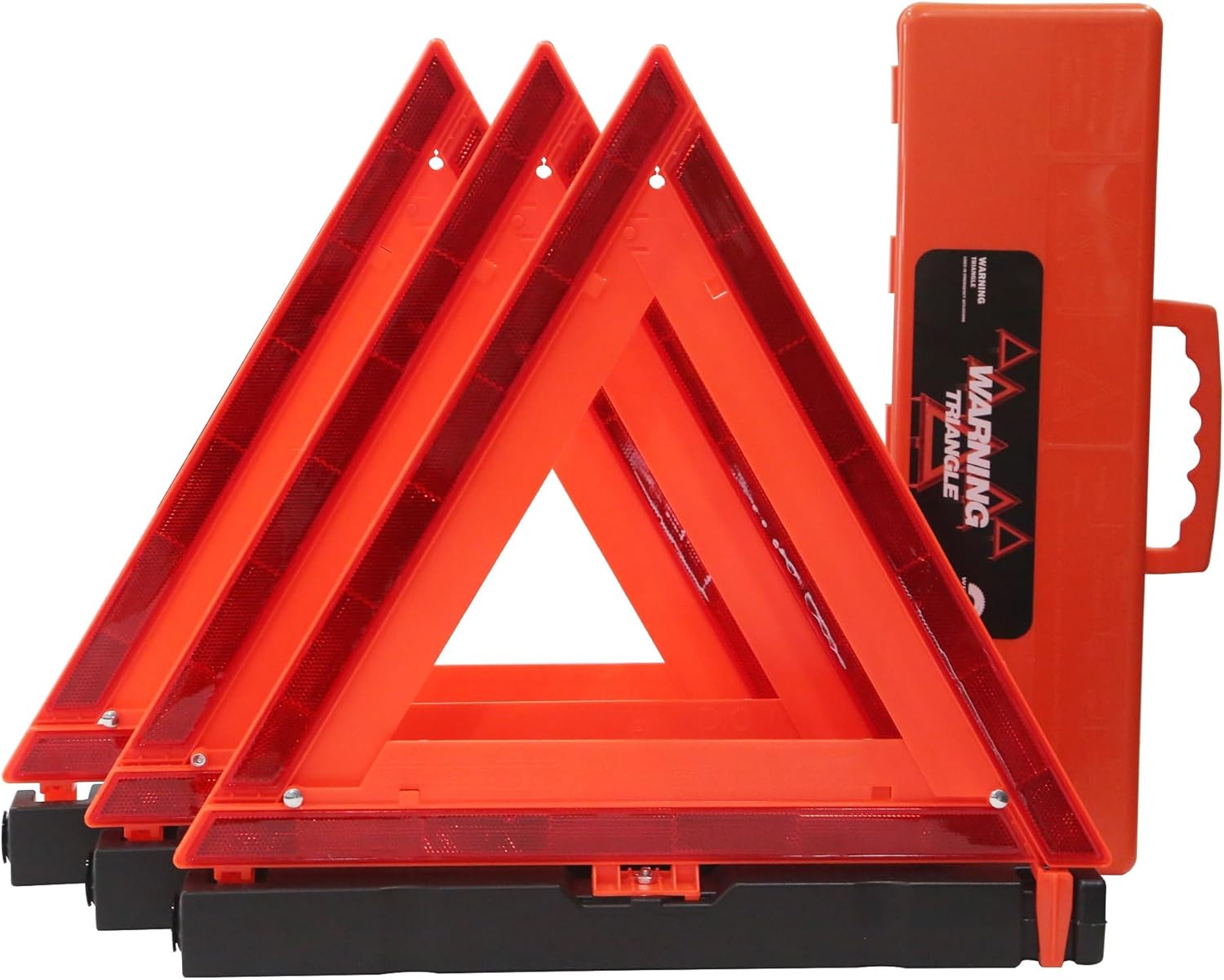
Reflective Safety Triangle
Sleeping in your car with the AC running is possible but comes with serious risks, including carbon monoxide poisoning and engine overheating. With proper precautions—like parking in safe, well-ventilated areas and using auxiliary power—you can reduce dangers and rest more comfortably.
Key Takeaways
- Carbon monoxide risk is real: Running a car’s AC in an enclosed space can lead to deadly CO buildup—always ensure proper ventilation.
- Engine overheating is a concern: Idling for long periods strains the engine and cooling system, especially in hot weather.
- Fuel efficiency drops significantly: Idling consumes fuel rapidly—expect to burn 0.5 to 1 gallon per hour depending on the vehicle.
- Legal and safety issues vary by location: Some cities ban overnight idling or sleeping in vehicles—check local laws.
- Modern cars offer safer alternatives: Vehicles with remote start, climate timers, or auxiliary power units (APUs) reduce risks.
- Sleeping in a parked car should be a last resort: Always prioritize safe shelters, rest stops, or paid accommodations when possible.
- Preparation is key: Bring blankets, water, a phone charger, and a carbon monoxide detector for safer overnight stays.
📑 Table of Contents
- Can I Sleep in My Car with the AC Running? A Complete Safety Guide
- The Hidden Danger: Carbon Monoxide Poisoning
- Engine and Mechanical Risks of Idling
- Legal and Safety Considerations
- Safer Alternatives to Running the AC
- Practical Tips for Sleeping in Your Car Safely
- When Sleeping in Your Car Is the Only Option
- Conclusion: Safety First, Comfort Second
Can I Sleep in My Car with the AC Running? A Complete Safety Guide
Have you ever found yourself stuck on a long road trip, too tired to drive but too far from the next motel? Or maybe you’re traveling on a tight budget and considering your car as a temporary bedroom? You’re not alone. Many people—whether travelers, digital nomads, or those facing housing insecurity—have wondered: *Can I sleep in my car with the AC running?*
At first glance, it seems like a simple solution. Your car is climate-controlled, private, and familiar. But before you curl up under a blanket with the air conditioning humming, it’s important to understand the real risks and how to mitigate them. While it’s technically possible to sleep in your car with the AC on, doing so safely requires knowledge, preparation, and caution.
This guide will walk you through everything you need to know—from the dangers of carbon monoxide to fuel consumption, legal concerns, and practical tips for staying comfortable and secure. Whether you’re planning a weekend camping trip or facing an unexpected overnight stay, this information could literally save your life.
The Hidden Danger: Carbon Monoxide Poisoning

Visual guide about Can I Sleep in My Car with the Ac Running?
Image source: vehiclechef.com
One of the most serious risks of sleeping in your car with the AC running is carbon monoxide (CO) poisoning. This colorless, odorless gas is produced whenever a gasoline engine runs, and it can build up quickly in enclosed or poorly ventilated spaces.
How Carbon Monoxide Builds Up
When your car’s engine is running—even if it’s just idling to power the AC—it emits exhaust gases, including carbon monoxide. In an open area with good airflow, these gases disperse safely. But if you’re parked in a garage, under a bridge, in a tunnel, or even in a densely wooded area with little wind, CO can accumulate around your vehicle and seep inside through vents, cracks, or open windows.
Even with the windows slightly cracked, CO can still reach dangerous levels. According to the Centers for Disease Control and Prevention (CDC), carbon monoxide poisoning is responsible for hundreds of deaths in the U.S. each year—many of which occur in vehicles.
Signs of Carbon Monoxide Exposure
Early symptoms of CO poisoning include headache, dizziness, nausea, confusion, and fatigue—symptoms that can easily be mistaken for regular tiredness or dehydration. As exposure continues, it can lead to loss of consciousness, brain damage, and death. Because you’re asleep, you may not notice these warning signs until it’s too late.
A real-life example: In 2021, a family in Texas died after falling asleep in their SUV with the engine running in a closed garage. They had turned on the AC to stay cool during a summer heatwave. Tragically, they never woke up. This heartbreaking incident underscores the importance of never running your car in an enclosed space—even for a short nap.
How to Prevent CO Buildup
The best way to prevent carbon monoxide poisoning is to avoid running your car in any enclosed or semi-enclosed space. Always park in open, well-ventilated areas. If you must sleep in your car, crack the windows slightly to allow fresh air circulation—but don’t rely on this alone.
Consider investing in a battery-operated carbon monoxide detector. These small devices can be placed inside your car and will alert you if CO levels rise. Some newer models even connect to your smartphone via Bluetooth, sending alerts even if you’re outside the vehicle.
Engine and Mechanical Risks of Idling

Visual guide about Can I Sleep in My Car with the Ac Running?
Image source: aceautoutah.com
Beyond the danger of carbon monoxide, running your car’s AC while parked puts significant strain on your vehicle’s engine and systems. Idling for extended periods—especially in hot weather—can lead to overheating, battery drain, and increased wear and tear.
Engine Overheating
When a car is moving, airflow helps cool the engine. But when idling, especially in high temperatures, the engine doesn’t get the same cooling benefit. The radiator fan helps, but it’s not always enough. Over time, this can cause the engine to overheat, potentially leading to costly repairs.
Modern cars are designed to handle short bursts of idling, but sleeping overnight with the AC on pushes the limits. If your car starts to overheat, the AC may shut off automatically to protect the engine—leaving you hot, uncomfortable, and possibly stranded.
Battery Drain and Alternator Stress
Running the AC, lights, radio, and charging devices while the car is parked draws power from the battery and alternator. While the engine is running, the alternator recharges the battery—but not as efficiently as when driving. Over several hours, this can lead to a weakened battery, making it harder to start the car in the morning.
In extreme cases, the battery may die completely, leaving you unable to drive. This is especially risky if you’re in a remote area or unfamiliar location.
Increased Fuel Consumption
Idling is notoriously inefficient. On average, a car burns between 0.5 and 1 gallon of fuel per hour while idling, depending on the engine size and AC usage. That means sleeping for eight hours could cost you $10–$20 in fuel—and that’s before considering the environmental impact.
For example, a midsize sedan with a 2.0L engine might use about 0.7 gallons per hour at idle with the AC on. At $3.50 per gallon, that’s $2.45 per hour. Overnight, that adds up to nearly $20—money that could go toward a budget motel or campsite.
Legal and Safety Considerations

Visual guide about Can I Sleep in My Car with the Ac Running?
Image source: thedailyautomotive.com
Sleeping in your car isn’t just a mechanical or health issue—it’s also a legal and safety concern. Laws vary widely by city, state, and country, and what’s allowed in one place may be illegal in another.
Local Laws on Overnight Parking and Idling
Many cities have ordinances against sleeping in vehicles, especially in residential areas or public streets. Some places ban idling altogether to reduce emissions and noise. For example, in California, idling a diesel vehicle for more than five minutes is illegal in most cases. In New York City, sleeping in your car in certain zones can result in a ticket or towing.
Even if it’s not explicitly illegal, you may be approached by law enforcement if you’re parked in a suspicious location or for an extended period. Always research local regulations before deciding to sleep in your car.
Safety Risks Beyond the Car
Beyond legal issues, sleeping in your car exposes you to personal safety risks. You may be vulnerable to theft, harassment, or worse—especially if you’re parked in an isolated or high-crime area. Always choose well-lit, populated areas like 24-hour rest stops, truck stops, or designated safe parking zones.
Some cities and organizations offer “safe parking” programs for people experiencing homelessness, allowing them to sleep in their cars overnight in secure lots. These programs often provide access to restrooms, security, and support services.
Insurance and Liability Concerns
If you’re involved in an accident while sleeping in your car—say, another vehicle hits your parked car—your insurance may not cover certain damages, especially if you were violating local laws. Additionally, if someone gets hurt on your property (even your car), you could face liability issues.
Always check your auto insurance policy to understand what’s covered. Some policies exclude incidents that occur while the vehicle is being used as a dwelling.
Safer Alternatives to Running the AC
If you must sleep in your car, there are safer and more efficient ways to stay cool than running the engine all night. Modern technology and smart preparation can make a big difference.
Use a Portable Car Cooler or Fan
Portable 12V fans and evaporative coolers can help circulate air and reduce the temperature inside your car without running the engine. These devices plug into your car’s cigarette lighter or USB port and run off the battery. While they won’t cool the car as effectively as AC, they can make a noticeable difference—especially if you park in the shade.
Some models even come with rechargeable batteries, so you can use them even when the engine is off. For example, the “Arctic Air” personal cooler uses water evaporation to cool the air and can run for several hours on a single charge.
Park in the Shade and Use Window Shades
One of the simplest ways to keep your car cool is to park in the shade. Use trees, buildings, or awnings to block direct sunlight. You can also install reflective window shades on the windshield and side windows to reduce heat buildup.
Studies show that using sun shades can lower interior temperatures by up to 40°F (22°C). Combine this with cracking the windows slightly for airflow, and you’ll stay much more comfortable.
Consider a Battery-Powered Air Conditioner
For those who frequently sleep in their cars, a portable battery-powered air conditioner may be worth the investment. These units, like the “Zero Breeze Mark 2,” are designed for camping and van life. They cool a small space using rechargeable batteries and don’t require the car engine to run.
While they’re not as powerful as built-in AC, they can make sleeping in hot weather far more bearable. Prices range from $300 to $800, but they pay for themselves in fuel savings and peace of mind.
Use a Remote Start with Climate Timer
Many modern cars come with remote start features that allow you to turn on the engine and AC from a distance. Some systems include a “climate timer” that runs the engine for 5–15 minutes every hour to maintain cabin temperature without idling continuously.
This reduces fuel consumption and engine wear while keeping the interior cool. Just be sure to park in a safe, well-ventilated area and never use this feature in a garage.
Practical Tips for Sleeping in Your Car Safely
If you decide to sleep in your car, preparation is key. A little planning can make the experience safer, more comfortable, and less stressful.
Choose the Right Location
Look for safe, legal places to park overnight. Good options include:
– 24-hour rest areas or truck stops
– Walmart parking lots (many allow overnight parking)
– Campgrounds or RV parks (some offer low-cost tent sites)
– Designated safe parking programs
Avoid parking in isolated areas, private property without permission, or places with high crime rates.
Prepare Your Car
– Clean the interior to reduce clutter and improve airflow.
– Remove valuables or store them out of sight.
– Lock all doors and consider using a steering wheel lock for added security.
– Bring a blanket, pillow, and sleeping bag for comfort.
– Pack water, snacks, a phone charger, and a first-aid kit.
Stay Connected and Informed
Keep your phone charged and let someone know where you’re staying. Download offline maps and safety apps like “Safe Parking” or “RV LIFE” to find approved overnight spots.
Use a Carbon Monoxide Detector
As mentioned earlier, a battery-powered CO detector is a must. Place it near your head so you’ll hear the alarm if levels rise. Test it regularly and replace batteries as needed.
Limit Engine Runtime
If you must run the engine, do so in short bursts—10–15 minutes every few hours—to recharge the battery and cool the car. Turn off the engine when not needed to save fuel and reduce risk.
When Sleeping in Your Car Is the Only Option
Despite the risks, there are times when sleeping in your car is the only viable option. Whether you’re a full-time van lifer, a traveler on a tight budget, or someone facing temporary housing challenges, knowing how to do it safely is essential.
For Travelers and Road Trippers
If you’re on a long drive, plan your stops in advance. Use apps like “iOverlander” or “Parkopedia” to find safe, legal places to rest. Take breaks every two hours to avoid fatigue, and never drive when you’re too tired to focus.
For People Experiencing Homelessness
If you’re living in your car, seek out local resources. Many cities have outreach programs that provide food, shelter referrals, and support services. Safe parking programs can offer a secure place to sleep and access to basic amenities.
For Campers and Outdoor Enthusiasts
If you’re camping in your car, consider investing in a rooftop tent or converting your vehicle into a camper. These setups allow you to sleep comfortably without running the engine, reducing both risk and environmental impact.
Conclusion: Safety First, Comfort Second
So, can you sleep in your car with the AC running? Technically, yes—but it’s not without serious risks. Carbon monoxide poisoning, engine strain, fuel waste, and legal issues are all real concerns that must be addressed.
The safest approach is to avoid running the engine overnight whenever possible. Use alternatives like portable fans, window shades, and battery-powered coolers to stay comfortable. If you must idle the engine, do so in short intervals, in well-ventilated areas, and with a carbon monoxide detector on hand.
Ultimately, sleeping in your car should be a last resort—not a long-term solution. But with the right knowledge and preparation, you can reduce the dangers and rest easier, knowing you’ve taken steps to protect yourself and your vehicle.
Remember: your safety is more important than comfort. A few hours of discomfort is better than risking your life. Plan ahead, stay informed, and always prioritize your well-being.
Frequently Asked Questions
Is it safe to sleep in my car with the AC on all night?
Sleeping in your car with the AC running all night is not recommended due to risks like carbon monoxide buildup, engine overheating, and fuel waste. If you must do it, limit engine runtime and ensure proper ventilation.
Can carbon monoxide enter a car with the windows cracked?
Yes, carbon monoxide can still enter a car even with windows cracked, especially in enclosed or poorly ventilated areas. Cracking windows helps but doesn’t eliminate the risk—always use a CO detector.
How much fuel does a car use while idling with AC?
On average, a car uses 0.5 to 1 gallon of fuel per hour while idling with the AC on. This can cost $10–$20 for an overnight stay, depending on fuel prices.
Are there cars designed for safe overnight sleeping?
Some vehicles, like RVs and camper vans, are built for overnight stays and include features like auxiliary power units (APUs) and ventilation systems. Regular cars are not designed for extended idling.
Can I use a portable air conditioner in my car?
Yes, battery-powered portable AC units like the Zero Breeze Mark 2 can cool your car without running the engine. They’re ideal for camping and van life but require recharging.
What should I do if I feel dizzy while sleeping in my car?
If you feel dizzy, nauseous, or confused, turn off the engine immediately, get fresh air, and seek medical help. These could be signs of carbon monoxide poisoning—don’t ignore them.