Can I Sell My Car Without Current Registration
Yes, you can often sell your car without current registration, but it depends on your state’s laws and how you structure the sale. While registration isn’t always required to transfer ownership, you’ll need a valid title, proper documentation, and possibly a bill of sale to complete the transaction legally.
In This Article
- 1 Key Takeaways
- 2 📑 Table of Contents
- 3 Can I Sell My Car Without Current Registration? A Complete Guide
- 4 Understanding the Difference Between Title and Registration
- 5 State-by-State Rules: Where Can You Sell Without Registration?
- 6 What Documents Do You Need to Sell a Car Without Registration?
- 7 How to Prepare Your Car for Sale Without Registration
- 8 Selling to a Private Buyer vs. a Dealership
- 9 What the Buyer Needs to Do After Purchase
- 10 Common Mistakes to Avoid
- 11 Final Thoughts: Yes, You Can Sell—But Do It Right
- 12 Frequently Asked Questions
- 12.1 Can I sell my car if the registration is expired?
- 12.2 Do I need a current registration to transfer a car title?
- 12.3 What if I lost my car title?
- 12.4 Can a buyer register a car with expired registration?
- 12.5 Is a bill of sale required when selling a car?
- 12.6 What happens if I don’t submit a release of liability?
Key Takeaways
- Registration isn’t always mandatory for sale: Many states allow you to sell a car without active registration as long as you have a clean title and proper paperwork.
- Title is more important than registration: The vehicle title proves ownership, which is the key document needed to transfer the car to a new buyer.
- State laws vary significantly: Some states require current registration for private sales, while others don’t—always check your local DMV rules.
- A bill of sale helps protect both parties: This document records the sale details and can serve as proof of transfer, especially when registration is expired.
- Buyers may face hurdles registering the car: If the registration is too far expired, the buyer might need to pay back fees or pass inspections before re-registering.
- Private sales vs. dealerships differ: Dealerships often handle registration renewals, but private sellers must ensure the buyer knows what to expect.
- Safety and emissions tests may be required: Even without registration, some states require current inspections before allowing a vehicle transfer.
📑 Table of Contents
- Can I Sell My Car Without Current Registration? A Complete Guide
- Understanding the Difference Between Title and Registration
- State-by-State Rules: Where Can You Sell Without Registration?
- What Documents Do You Need to Sell a Car Without Registration?
- How to Prepare Your Car for Sale Without Registration
- Selling to a Private Buyer vs. a Dealership
- What the Buyer Needs to Do After Purchase
- Common Mistakes to Avoid
- Final Thoughts: Yes, You Can Sell—But Do It Right
Can I Sell My Car Without Current Registration? A Complete Guide
So, you’ve decided it’s time to part ways with your car. Maybe it’s old, maybe it’s broken down, or maybe you just want something newer. But here’s the catch: your registration expired months ago, and you’re wondering—can I sell my car without current registration?
It’s a common question, and the short answer is: yes, in most cases, you can. But it’s not quite that simple. The real answer depends on where you live, the condition of your vehicle, and how you plan to sell it. While registration proves your car is legally allowed on the road, it’s not always required to transfer ownership. What matters more is having a valid title and following your state’s specific rules.
Selling a car without current registration isn’t illegal in many places, but it does come with some extra steps and potential complications. For example, the buyer might have to pay back registration fees, pass a safety inspection, or deal with penalties for the expired registration. As the seller, your job is to make the process as smooth as possible—both for yourself and the buyer.
In this guide, we’ll walk you through everything you need to know about selling a car without current registration. We’ll cover the legal requirements, state-by-state differences, what documents you’ll need, and how to avoid common pitfalls. Whether you’re selling to a private buyer or trading in at a dealership, this guide will help you do it the right way.
Understanding the Difference Between Title and Registration
Before we dive into the rules, let’s clear up a common confusion: the difference between a car title and registration.
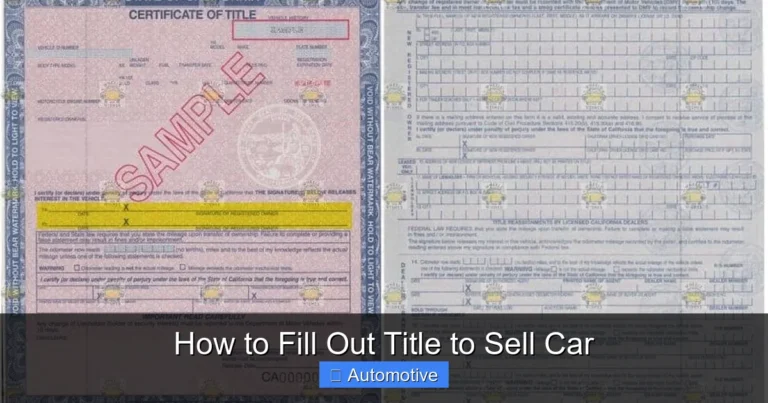
The title is the legal document that proves you own the vehicle. It lists your name as the owner and is required to sell or transfer the car. Without a title, you can’t legally sell your car—no exceptions.
The registration, on the other hand, is proof that your car is authorized to be driven on public roads. It’s tied to your license plate and must be renewed periodically (usually annually). Registration includes fees, insurance verification, and sometimes emissions or safety inspections.
So, while registration is important for driving, it’s not always required for selling. Think of it this way: you can own a car (title) without driving it (registration). That’s why many people can sell cars that aren’t currently registered—especially if the car is parked, not in use, or being sold for parts.
Why Registration Expires
Registration expires for several reasons:
– You didn’t renew it on time.
– You moved to a new state and didn’t re-register.
– You stopped driving the car and let the registration lapse.
– You’re storing the vehicle long-term (sometimes called “non-operational” status).
If your registration is expired, it doesn’t mean you don’t own the car. It just means the car isn’t legally allowed on the road until it’s renewed. And that’s okay—many people sell cars in this exact situation.
What Happens If You Try to Sell Without a Title?
This is where things get tricky. While you might be able to sell a car without current registration, you absolutely cannot sell it without a title. The title is the cornerstone of any vehicle sale. If you’ve lost your title, you’ll need to request a duplicate from your state’s DMV before listing the car.
Some states allow a “bonded title” or “title replacement” process if the original is missing, but this can take weeks or even months. So, if you’re planning to sell, start by securing your title—even if the registration is expired.
State-by-State Rules: Where Can You Sell Without Registration?
Here’s the big one: the rules for selling a car without current registration vary widely from state to state. Some states are very lenient, while others have strict requirements. Let’s break it down.
States That Allow Sale Without Current Registration
In many states, you can legally sell a car even if the registration is expired. These states typically focus on the title and bill of sale rather than registration status. Examples include:
– **California**: You can sell a car with expired registration, but the buyer must pay back registration fees and may need to pass a smog check.
– **Texas**: Registration isn’t required for private sales. Just provide a signed title and a bill of sale.
– **Florida**: You can sell without current registration, but the buyer must register the car within 30 days.
– **New York**: Expired registration is acceptable for sale, but the buyer will need to renew it and possibly pass an inspection.
In these states, the key is transparency. Let the buyer know the registration is expired so they can budget for renewal costs.
States With Stricter Requirements
Some states require current registration—or at least a valid inspection—before allowing a vehicle transfer. These include:
– **Illinois**: The seller must provide a current safety inspection certificate, even if registration is expired.
– **Pennsylvania**: A valid emissions and safety inspection is required for most vehicles before transfer.
– **Massachusetts**: The car must pass an inspection within 7 days of sale, regardless of registration status.
In these states, selling without current registration might still be possible, but the buyer will face immediate hurdles. It’s best to check with your local DMV or a licensed dealer to confirm the rules.
How to Check Your State’s Rules
The easiest way to find out what’s required in your state is to visit your Department of Motor Vehicles (DMV) website. Look for sections on “private vehicle sales,” “title transfer,” or “selling a car.” You can also call your local DMV office and ask a representative.
Pro tip: If you’re selling to someone in a different state, both states’ rules may apply. The buyer will need to register the car in their home state, so make sure they understand what’s required.
What Documents Do You Need to Sell a Car Without Registration?
Even if your registration is expired, you’ll still need several key documents to complete the sale legally. Here’s what to gather:
1. Vehicle Title
This is non-negotiable. The title must be signed over to the buyer. Make sure there are no liens (loans) on the title. If there are, you’ll need to pay off the loan first or work with the lender to release the title.
If you’re the only owner, sign in the designated area. If there are multiple owners, all must sign. Some states require the signature to be notarized—check your DMV rules.
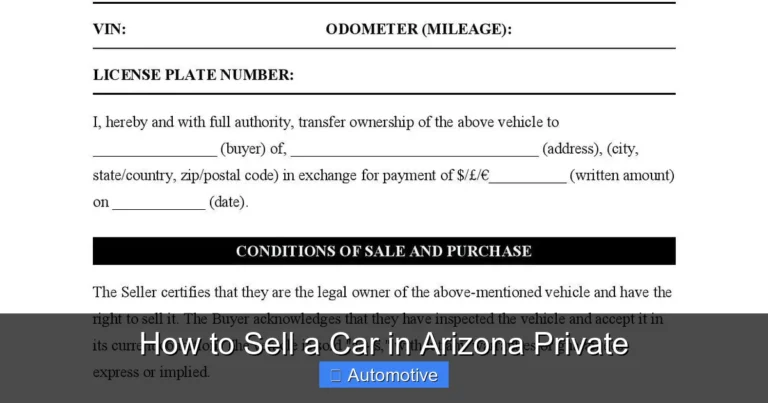
2. Bill of Sale
A bill of sale is a written agreement that details the sale. It includes:
– Seller and buyer names and addresses
– Vehicle make, model, year, and VIN
– Sale price
– Date of sale
– Odometer reading (required by federal law)
This document protects both parties and can be used as proof of transfer. Many states provide free bill of sale templates online.
3. Odometer Disclosure Statement
Federal law requires you to disclose the vehicle’s mileage at the time of sale. This is usually included on the title or as a separate form. Lying about mileage is a federal offense, so be honest.
4. Release of Liability Form
After the sale, you must notify your state that you’re no longer responsible for the vehicle. This is typically done by submitting a release of liability form to the DMV. In some states, this is done online; in others, you mail it in.
This step is crucial—it protects you if the buyer gets a ticket or causes an accident before registering the car.
5. Maintenance and Repair Records (Optional but Helpful)
While not required, providing records shows the car was well cared for. It can increase buyer confidence and potentially boost the sale price.
How to Prepare Your Car for Sale Without Registration
Just because your registration is expired doesn’t mean you should sell a junker. A little preparation can go a long way in attracting buyers and getting a fair price.
Clean the Car Inside and Out
First impressions matter. Wash the exterior, vacuum the interior, and remove personal items. A clean car looks well-maintained, even if it’s not perfect.
Fix Minor Issues
You don’t need to restore the car to showroom condition, but fixing small things—like burnt-out lights, cracked windshield wipers, or a broken radio—can make a big difference. These are low-cost fixes that show you care.
Get a Pre-Sale Inspection (Optional)
Even if it’s not required, consider getting a mechanic’s inspection. This gives you a report to share with buyers, proving the car is in decent shape. It can also help you price the car accurately.
Take High-Quality Photos
Use good lighting and take pictures from multiple angles. Include shots of the interior, engine, tires, and any damage. Honest photos build trust.
Set a Fair Price
Use tools like Kelley Blue Book or Edmunds to research your car’s value. Adjust for mileage, condition, and local market demand. Be realistic—buyers will negotiate.
Selling to a Private Buyer vs. a Dealership
Your options for selling a car without current registration depend on who you’re selling to.
Private Sale
Selling privately usually gets you more money, but it requires more work. You’ll need to:
– Advertise the car (Craigslist, Facebook Marketplace, Autotrader)
– Respond to inquiries
– Meet potential buyers
– Handle the paperwork
Pros:
– Higher sale price
– More control over the process
Cons:
– Time-consuming
– Safety concerns (meet in public places)
– Buyer may back out
Tip: Always meet in a safe, public location and consider bringing a friend. Never hand over the car until payment is secure (cash, cashier’s check, or bank transfer).
Selling to a Dealership or Junkyard
Dealerships and junkyards will often buy cars without current registration—even if they don’t run. They handle the paperwork and registration renewal.
Pros:
– Fast and easy
– No need to find a buyer
– Safe and secure
Cons:
– Lower offer (they need to make a profit)
– May only accept running vehicles
If your car isn’t running, a junkyard or scrap yard might still take it—especially if it has valuable parts or metal.
What the Buyer Needs to Do After Purchase
Once the sale is complete, the buyer has responsibilities. Make sure they understand what’s required so they don’t run into problems.
Register the Vehicle
The buyer must register the car in their name and state. This usually involves:
– Paying registration fees (including back fees if expired)
– Providing proof of insurance
– Passing inspections (if required)
Transfer the Title
The buyer must submit the signed title and bill of sale to their local DMV. Some states allow online transfers; others require in-person visits.
Get New License Plates
In most cases, the buyer will need new plates. Some states allow them to keep the old ones, but only if they’re transferring them to another vehicle.
Handle Back Fees and Penalties
If the registration was expired for a long time, the buyer may owe back fees, penalties, or even interest. This is why it’s important to disclose the registration status upfront.
Common Mistakes to Avoid
Selling a car without current registration can go smoothly—if you avoid these common pitfalls.
Not Disclosing the Registration Status
Always tell the buyer if the registration is expired. Hiding this information can lead to disputes or even legal trouble.
Forgetting to Submit a Release of Liability
This is a big one. If you don’t notify the DMV, you could be held responsible for tickets, accidents, or tolls the buyer incurs.
Accepting a Bad Payment Method
Avoid personal checks or wire transfers from unknown sources. Stick to cash, cashier’s checks, or direct bank deposits.
Not Keeping Copies of Documents
Make copies of the title, bill of sale, and release of liability. You’ll need them if there’s a dispute later.
Final Thoughts: Yes, You Can Sell—But Do It Right
So, can I sell my car without current registration? The answer is yes—in most cases. But success depends on knowing your state’s rules, having the right documents, and being transparent with the buyer.
The key is to focus on the title, not the registration. As long as you have a clean title and proper paperwork, you can legally transfer ownership. Just make sure the buyer understands what they’re getting into, especially if they’ll need to pay back fees or pass inspections.
Selling a car without current registration might take a little extra effort, but it’s totally doable. With the right preparation and knowledge, you can close the deal smoothly and walk away with cash in hand.
Frequently Asked Questions
Can I sell my car if the registration is expired?
Yes, in most states you can sell a car with expired registration as long as you have a valid title and proper paperwork. However, the buyer will need to renew the registration and may face back fees or inspections.
Do I need a current registration to transfer a car title?
No, registration is not typically required to transfer a title. The title proves ownership, which is the main document needed for the sale. Registration is only required for driving the vehicle.
What if I lost my car title?
If you’ve lost your title, you must request a duplicate from your state’s DMV before selling the car. This process can take a few days to several weeks, so start early.
Can a buyer register a car with expired registration?
Yes, but they will likely need to pay back registration fees, penalties, and possibly pass safety or emissions inspections before the car can be legally registered.
Is a bill of sale required when selling a car?
While not always legally required, a bill of sale is highly recommended. It protects both the buyer and seller and serves as proof of the transaction.
What happens if I don’t submit a release of liability?
If you fail to submit a release of liability, you could still be held responsible for tickets, accidents, or tolls the buyer incurs after the sale. Always notify your DMV promptly.