
Can I Drive My Car After It Overheats

Driving your car after it overheats can cause severe engine damage, including warped heads and blown gaskets. Always pull over safely, let the engine cool, and assess the issue before deciding whether to drive or call for help.
Key Takeaways
- Never ignore an overheating warning: Continuing to drive can lead to irreversible engine damage and costly repairs.
- Pull over immediately: Safely stop your vehicle, turn off the engine, and allow it to cool for at least 30 minutes.
- Check coolant levels first: Low coolant is a common cause of overheating—top it up if safe to do so.
- Look for visible leaks or steam: These signs indicate a serious issue that may require professional attention.
- Do not open the radiator cap when hot: It can cause dangerous steam burns—wait until the engine is completely cool.
- Use the heater to cool the engine: Turning on the heater helps draw heat away from the engine in emergencies.
- When in doubt, call a tow truck: It’s better to be safe than risk engine failure or a breakdown on the road.
📑 Table of Contents
- Can I Drive My Car After It Overheats? The Truth Every Driver Should Know
- Why Overheating Happens: Understanding the Engine’s Cooling System
- Immediate Steps to Take When Your Car Overheats
- Can You Drive After It Overheats? When It’s Safe—and When It’s Not
- The Risks of Driving After Overheating: What Could Go Wrong?
- How to Prevent Overheating: Proactive Maintenance Tips
- What to Do After an Overheating Incident: Next Steps
- When to Call a Tow Truck: Don’t Risk It
- Conclusion: Safety First, Always
Can I Drive My Car After It Overheats? The Truth Every Driver Should Know
You’re cruising down the highway, enjoying the breeze through your open window, when suddenly—your temperature gauge spikes into the red. Steam begins to rise from under the hood. Your heart races. The first thought that comes to mind: “Can I drive my car after it overheats?”
It’s a question more common than you might think, especially during summer months or long road trips. Overheating is one of the most alarming—and potentially dangerous—car problems a driver can face. But the answer isn’t as simple as “yes” or “no.” It depends on the severity of the overheating, the cause, and how quickly you respond.
In this article, we’ll walk you through everything you need to know about driving after your car overheats. From immediate steps to take, to long-term consequences of ignoring the problem, we’ll help you make smart, safe decisions behind the wheel. Whether you’re a new driver or a seasoned road warrior, understanding how to handle an overheating engine could save you thousands in repairs—and possibly your life.
Why Overheating Happens: Understanding the Engine’s Cooling System
Visual guide about Can I Drive My Car After It Overheats
Image source: images.scrolller.com
Before we dive into whether you should drive after an overheating incident, it’s important to understand why cars overheat in the first place. Your engine generates an enormous amount of heat—up to 4,500 degrees Fahrenheit in the combustion chamber. Without a proper cooling system, that heat would melt engine components in minutes.
The cooling system is designed to regulate engine temperature by circulating coolant (a mix of antifreeze and water) through the engine block and cylinder head. This coolant absorbs heat and carries it to the radiator, where it’s cooled by airflow before being recirculated. Key components include the water pump, thermostat, radiator, cooling fans, hoses, and the coolant reservoir.
Common Causes of Engine Overheating
Several issues can disrupt this delicate balance and lead to overheating:
- Low coolant level: The most common cause. Coolant can leak out due to cracked hoses, a damaged radiator, or a faulty water pump seal.
- Faulty thermostat: If the thermostat gets stuck closed, it blocks coolant flow, preventing the engine from cooling down.
- Broken water pump: This pump circulates coolant. If it fails, coolant doesn’t move, and heat builds up rapidly.
- Radiator problems: Clogged fins, leaks, or a malfunctioning cooling fan can reduce the radiator’s ability to dissipate heat.
- Blown head gasket: This serious issue allows combustion gases to enter the cooling system, causing overheating and white smoke from the exhaust.
- Cooling fan failure: Especially in stop-and-go traffic, the electric cooling fan is crucial. If it doesn’t turn on, the engine can overheat even at low speeds.
Understanding these causes helps you recognize warning signs early and respond appropriately. But what should you do the moment your temperature gauge starts climbing?
Immediate Steps to Take When Your Car Overheats

Visual guide about Can I Drive My Car After It Overheats
Image source: murphysamandjodi.com
The moment you notice your car overheating, your priority should be safety—both yours and your vehicle’s. Panicking won’t help, but quick, calm action can prevent major damage.
Step 1: Pull Over Safely
As soon as you see the temperature warning light or feel the engine getting unusually hot, look for a safe place to pull over. This could be a shoulder, parking lot, or rest area. Do not continue driving, even if the engine seems to be “holding up.” Every mile you drive while overheating increases the risk of catastrophic engine failure.
Turn on your hazard lights to alert other drivers, especially if you’re on a busy road.
Step 2: Turn Off the Engine
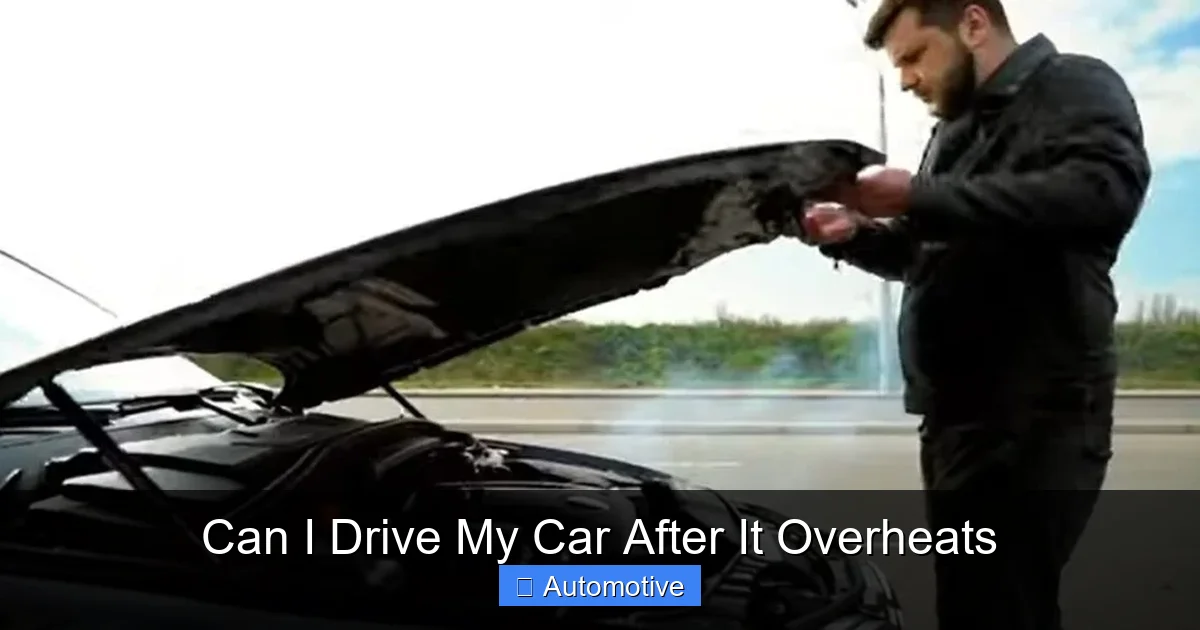
Once stopped, turn off the engine immediately. This stops the combustion process and halts the production of additional heat. Let the engine sit for at least 30 minutes to cool down. Opening the hood can help speed up cooling by allowing heat to escape.
⚠️ Warning: Never open the radiator cap while the engine is hot. The cooling system is pressurized, and opening it can cause boiling coolant to spray out, leading to severe burns.
Step 3: Check Coolant Levels (When Safe)
After the engine has cooled completely, carefully open the hood and locate the coolant reservoir. Check the coolant level—most reservoirs have “MIN” and “MAX” markings. If the level is below “MIN,” you likely have a coolant leak or evaporation issue.
If you have spare coolant in your trunk, you can top it up. Use the correct type (check your owner’s manual) and mix it with water if it’s concentrated. Never use plain water in freezing climates, as it can freeze and crack the engine block.
Step 4: Inspect for Leaks or Damage
While the engine is cooling, look under the car for puddles of coolant (usually green, orange, or pink). Check hoses for cracks, bulges, or loose connections. Look at the radiator for bent fins or visible damage. If you see steam, smoke, or smell burning, there may be a serious leak or electrical issue.
Step 5: Use the Heater to Help Cool the Engine
Here’s a little-known trick: if you’re stuck in traffic and the engine starts to overheat, turn on the heater to full blast and roll down the windows. This may seem counterintuitive—why add heat?—but the heater core acts as a secondary radiator. By pulling heat away from the engine and into the cabin, it can help lower engine temperature temporarily.
This is not a long-term fix, but it can buy you a few extra minutes to reach a safe stopping point.
Can You Drive After It Overheats? When It’s Safe—and When It’s Not
Visual guide about Can I Drive My Car After It Overheats
Image source: psychoautos.com
Now, back to the big question: Can I drive my car after it overheats?
The short answer: It depends.
In some cases, a minor overheating incident—like a temporary coolant drop due to evaporation—can be resolved with a top-up, and the car may be safe to drive short distances. But in many cases, driving after overheating can cause irreversible damage.
When It Might Be Safe to Drive (Short Distances)
You might consider driving your car after it overheats only if:
- The overheating was mild (temperature gauge briefly entered the red but returned to normal after cooling).
- You’ve identified and fixed the cause (e.g., topped up coolant, reconnected a loose hose).
- There are no warning lights, strange noises, or visible leaks.
- You’re close to home or a repair shop (within 5–10 miles).
Even then, drive slowly, avoid hills or heavy acceleration, and monitor the temperature gauge closely. If it starts climbing again, pull over immediately.
When You Should NOT Drive
Do not drive your car after it overheats if:
- The engine was severely overheated (temperature gauge was deep in the red for several minutes).
- You see steam, smoke, or smell burning oil.
- The coolant is still low after topping up, indicating an ongoing leak.
- You hear knocking, ticking, or grinding noises from the engine.
- The “check engine” or “overheat” warning light remains on.
- You suspect a blown head gasket (white exhaust smoke, milky oil, or coolant bubbling).
In these cases, driving—even a short distance—can warp the cylinder head, crack the engine block, or destroy internal components. The cost of repairs could exceed the value of the car.
Real-Life Example: The $3,000 Lesson
Consider this scenario: Sarah was driving home from work when her 2010 Honda Civic started overheating. She saw the temperature light come on but decided to “push through” the last 10 miles to her house. By the time she arrived, the engine was smoking, and the car wouldn’t restart.
A mechanic later diagnosed a warped cylinder head and damaged head gasket—both caused by prolonged overheating. The repair cost $2,800. Had she pulled over and called a tow truck, she might have only needed a $150 coolant flush and hose replacement.
This story isn’t uncommon. Many drivers underestimate how quickly overheating can destroy an engine. Modern engines are precision machines, and even a few minutes of extreme heat can cause permanent damage.
The Risks of Driving After Overheating: What Could Go Wrong?
Ignoring an overheating warning—or driving after the fact—can lead to a cascade of mechanical failures. Here’s what could happen inside your engine:
Warped or Cracked Cylinder Head
The cylinder head sits atop the engine block and houses the valves, spark plugs, and combustion chambers. It’s made of aluminum, which expands when heated. If the engine overheats severely, the head can warp or crack. This disrupts the seal between the head and block, leading to compression loss, coolant leaks, and oil contamination.
Blown Head Gasket
The head gasket seals the cylinder head to the engine block. When overheating occurs, the gasket can fail, allowing coolant to mix with oil or enter the combustion chamber. Symptoms include white smoke from the exhaust, milky oil on the dipstick, and overheating that returns quickly after repairs.
A blown head gasket is one of the most expensive repairs—often costing $1,500–$3,000—and can lead to engine failure if not addressed.
Engine Block Damage
In extreme cases, the engine block itself can crack. This happens when metal expands unevenly under intense heat. A cracked block is usually unrepairable, requiring a full engine replacement—costing $4,000 or more.
Piston and Valve Damage
Overheating can cause pistons to seize in the cylinders or valves to bend. This leads to poor performance, knocking sounds, and eventual engine failure.
Radiator and Hose Failure
High pressure and temperature can burst hoses or rupture the radiator. This leads to rapid coolant loss and immediate overheating.
Electrical and Sensor Damage
Modern cars rely on sensors and computers to monitor engine temperature. Overheating can fry these components, leading to false readings, warning lights, and performance issues.
How to Prevent Overheating: Proactive Maintenance Tips
The best way to handle an overheating engine is to prevent it from happening in the first place. Regular maintenance can keep your cooling system in top shape and extend the life of your engine.
Check Coolant Levels Monthly
Make it a habit to check your coolant level at least once a month. Look at the reservoir when the engine is cold. If it’s consistently low, you may have a slow leak.
Flush and Replace Coolant Regularly
Coolant breaks down over time and loses its ability to transfer heat and prevent corrosion. Most manufacturers recommend a coolant flush every 30,000 to 50,000 miles, or every 2–5 years. Check your owner’s manual for specific intervals.
Inspect Hoses and Belts
Look for cracks, bulges, or soft spots in radiator hoses and the serpentine belt. Replace any worn components before they fail.
Test the Thermostat
A stuck thermostat is a common overheating culprit. If your engine takes too long to warm up or overheats quickly, have the thermostat tested.
Clean the Radiator
Dirt, bugs, and debris can clog radiator fins, reducing airflow. Use a soft brush or compressed air to clean the front of the radiator regularly.
Ensure Cooling Fans Work
Turn on the A/C and let the car idle. The cooling fan should kick on after a few minutes. If it doesn’t, there may be a faulty relay, fuse, or motor.
Watch for Warning Signs
Be alert to early signs of trouble: fluctuating temperature gauge, sweet smell (coolant leak), overheating in traffic, or steam from under the hood. Address these issues promptly.
What to Do After an Overheating Incident: Next Steps
Even if you’ve stopped the car and let it cool, your job isn’t done. After an overheating event, you should take the following steps to ensure your car is safe to drive.
1. Let the Engine Cool Completely
Wait at least 30–60 minutes before attempting to drive or inspect the engine. Opening the radiator cap too soon can cause injury.
2. Check Coolant and Top Up
Add coolant if needed, but only after the engine is cool. Use the correct type and mix as directed.
3. Start the Engine and Monitor
Turn the key and let the engine idle. Watch the temperature gauge. If it stays normal for 10–15 minutes, you may be okay for a short drive.
4. Look for Leaks or Unusual Noises
Listen for knocking, hissing, or gurgling sounds. Check under the car for new puddles.
5. Drive Cautiously
If you decide to drive, go slowly and avoid heavy loads or steep hills. Keep the heater on if the temperature starts to rise.
6. Visit a Mechanic
Even if the car seems fine, schedule a diagnostic check. A professional can test the cooling system, check for hidden damage, and ensure there’s no head gasket issue.
When to Call a Tow Truck: Don’t Risk It
Sometimes, the safest and smartest choice is to call for help. Here’s when you should definitely tow your car:
- You’re on a busy highway or unsafe road.
- The engine was severely overheated (deep red for more than 5 minutes).
- You see steam, smoke, or smell burning.
- Coolant is low and you can’t identify the leak.
- The car won’t start or runs rough after cooling.
- You’re unsure of the cause or how to fix it.
Towing may cost $100–$200, but it’s far cheaper than a $3,000 engine repair. Plus, it keeps you safe and avoids the risk of breaking down in a dangerous location.
Conclusion: Safety First, Always
So, can you drive your car after it overheats? The answer is: Only if the overheating was minor, the cause is fixed, and there are no warning signs. In most cases, especially after severe overheating, the safest choice is to stop driving and seek professional help.
Overheating is not just an inconvenience—it’s a serious threat to your engine’s health. Ignoring it can lead to warped heads, blown gaskets, and thousands in repairs. But with quick action, regular maintenance, and smart decisions, you can protect your car and avoid costly mistakes.
Remember: When in doubt, pull over. When unsure, call a tow. Your engine—and your wallet—will thank you.
Frequently Asked Questions
Can I drive my car after it overheats if I add coolant?
Only if the engine has cooled completely and there are no leaks or warning lights. Adding coolant may fix a low-level issue, but if the overheating was severe, internal damage may have already occurred.
How long should I wait before driving after my car overheats?
Wait at least 30–60 minutes for the engine to cool down completely. Never open the radiator cap while hot, and monitor the temperature gauge closely when you restart.
What does it mean if my car overheats but the coolant is full?
This could indicate a faulty thermostat, water pump failure, or cooling fan issue. Even with full coolant, the system may not be circulating properly.
Can a blown head gasket cause overheating?
Yes. A blown head gasket can allow combustion gases into the cooling system, causing overheating, white exhaust smoke, and coolant loss.
Is it safe to drive with the heater on to cool the engine?
Using the heater can help reduce engine temperature temporarily, but it’s not a long-term solution. It’s best used to reach a safe stopping point, not for extended driving.
How much does it cost to fix an overheating car?
Costs vary widely. A simple coolant top-up may cost $20, while a head gasket repair can exceed $2,500. Regular maintenance is the best way to avoid expensive fixes.