
Can Bike Helmets Be Recycled: Recycling Options & Tips

Contents
- 1 How bike helmets are made and why recycling is tricky
- 2 Which helmet parts can be recycled
- 3 Where to take old helmets: take-back programs and specialized recycling
- 4 How to prepare a helmet for recycling or reuse
- 5 Reuse, repurpose, and donation options
- 6 Environmental impact and benefits of recycling helmets
- 7 Limitations and challenges to expect
- 8 Costs, programs, and policies to look for
- 9 Personal experience, tips, and mistakes to avoid
- 10 How to choose a recyclable or repairable helmet next time
- 11 People Also Ask — quick answers
- 12 Frequently Asked Questions of can bike helmets be recycled
- 13 Conclusion

Car Dent Repair Kit

Windshield Washer Fluid

Liquid Car Polish

Engine Flush Cleaner
Most bike helmets cannot be fully recycled through curbside programs; parts need special handling.
I’ve worked with riders, shops, and safety groups for years, testing and inspecting helmets. This article answers can bike helmets be recycled in detail. You’ll learn which parts can be recycled, how to prepare a helmet, where to take it, and smart reuse ideas. I blend field experience with practical steps so you can make an eco-smart choice for your helmet.
How bike helmets are made and why recycling is tricky
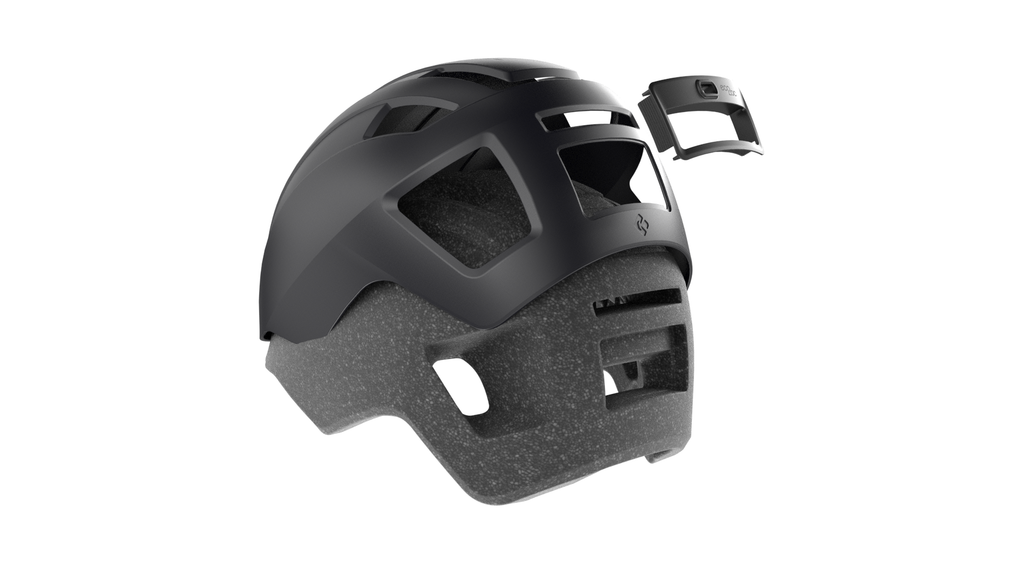
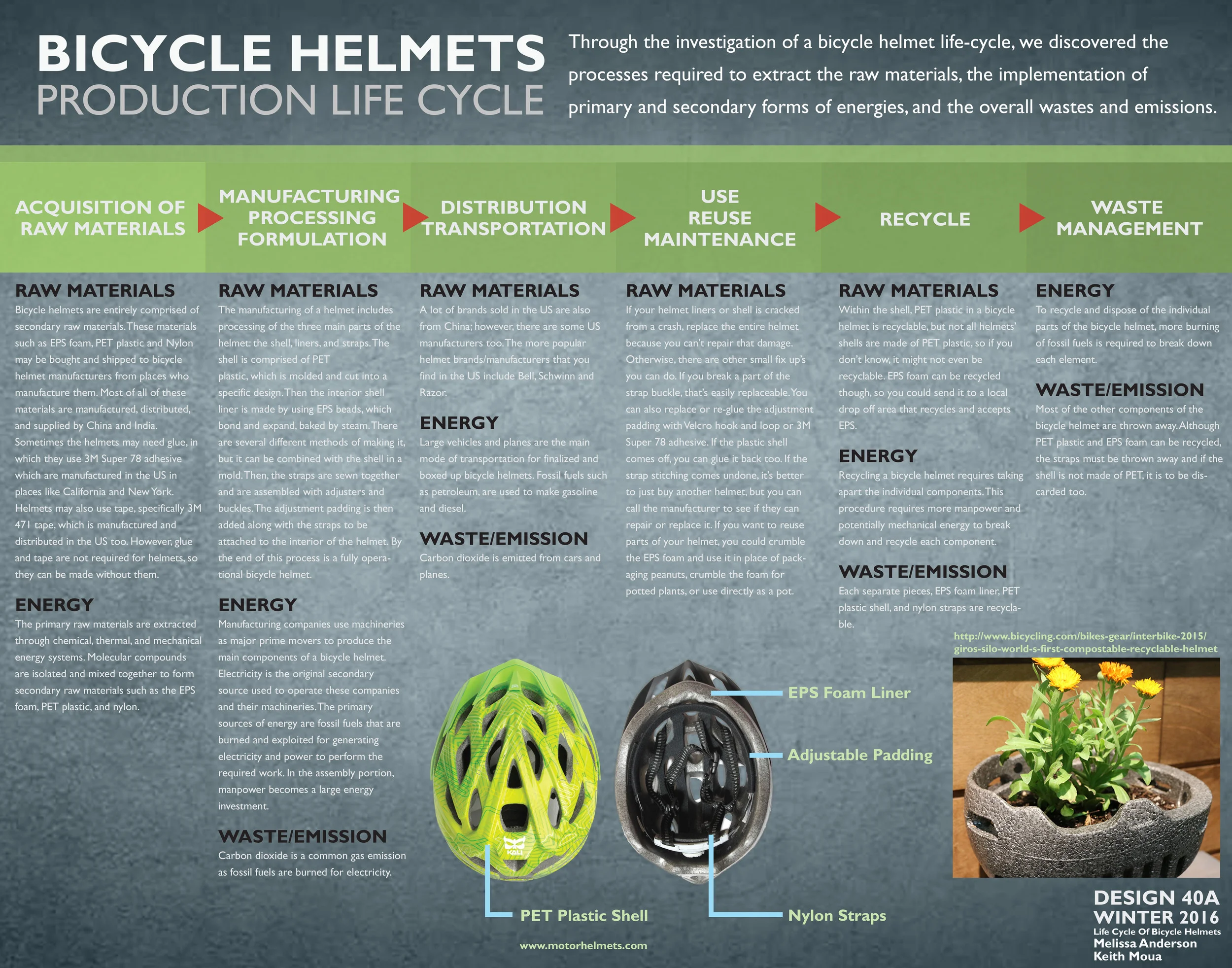
Bike helmets use a mix of materials. The outer shell is usually hard plastic. The inner liner is expanded polystyrene foam, or EPS. Straps use woven nylon and metal bits appear in buckles and fittings. These parts are glued or fused together.
This mix makes "can bike helmets be recycled" a complex question. Many recycling centers accept only single-material items. Foam and hard plastic together are hard to separate. Glues and coatings add another barrier to normal recycling streams.
Which helmet parts can be recycled
You can often recycle some helmet components. Knowing what to separate helps.
- Outer shell
- Many shells are ABS or polycarbonate plastic. Some recycling centers accept these plastics when separated.
- Metal fittings
- Small metal pieces like rivets and buckles are recyclable as scrap metal.
- Straps and pads
- Straps and foam pads are usually fabric or soft foam and rarely recyclable curbside.
- EPS foam liner
- EPS foam is technically recyclable, but few centers take it due to volume and contamination rules.
If you ask "can bike helmets be recycled," the short answer is yes for parts, but no for most whole helmets without special programs.
Where to take old helmets: take-back programs and specialized recycling
Not all recycling is curbside. Here are places that may accept helmets.
- Manufacturer take-back programs
- Some brands run take-back or mail-in programs for old helmets.
- Local bike shops
- Shops sometimes collect helmets for reuse or special recycling drives.
- Community recycling centers
- A few centers accept EPS foam or mixed plastic with advance notice.
- Specialized recycling companies
- Companies that handle hard-to-recycle goods may accept helmets for material recovery.
Call ahead. Recycling rules differ by city and provider. Ask about EPS foam and mixed plastics.
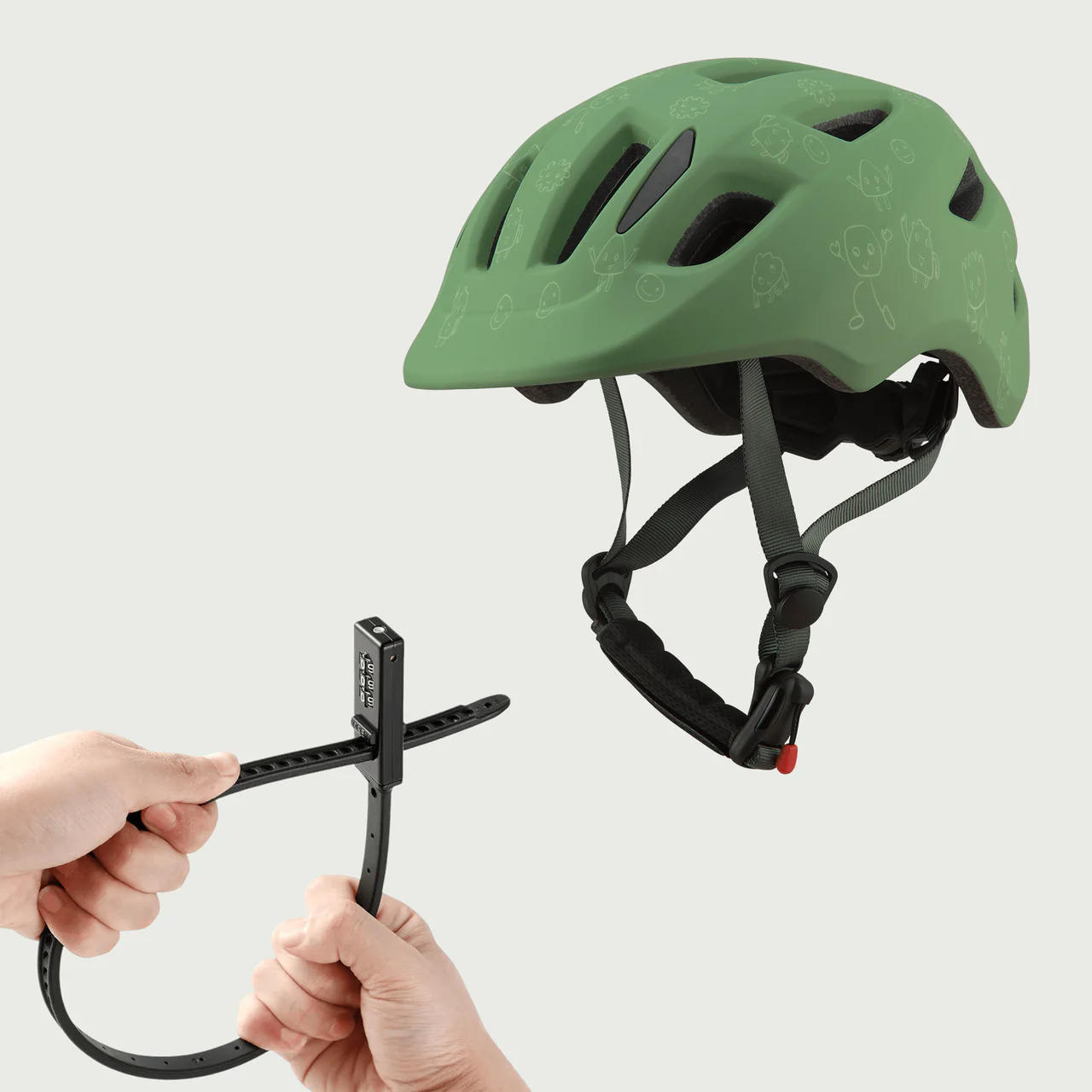
How to prepare a helmet for recycling or reuse
A little prep makes recycling easier and safer. Follow these steps.
- Inspect the helmet
- If it has cracks or was in a crash, label it as no longer safe to use for riding.
- Remove loose parts
- Take off visors, removable pads, and metal bits if you can.
- Clean it
- Wipe dirt and grime off so centers accept it.
- Ask before dropping off
- Confirm the center accepts the specific materials.
If a center accepts only plastic shells, remove the liner if you can do so safely. Many liners are glued, so avoid damaging parts you plan to recycle.

Reuse, repurpose, and donation options
If recycling is not possible, reuse is a great option. Reuse extends product life and cuts waste.
- Donate for training and display
- Non-crashed helmets can be used for demos or training, but check safety rules first.
- Repurpose at home
- Use shells as planters, storage bowls, or craft bases.
- Upcycle into art or gear
- Artists and makers turn helmets into light fixtures or unique seats.
- School or community programs
- Some schools use old helmets for theater or build projects.
I once used an old helmet shell as a small planter. It cleaned up nicely and lasted seasons. It felt good to keep it out of a landfill.

Environmental impact and benefits of recycling helmets
Recycling parts of a helmet reduces waste and saves resources. EPS foam is made from fossil fuels and takes long to break down in landfills. Recovering plastic shells lowers demand for new plastic production.
Still, the impact depends on how much of the helmet gets recycled. If only small metal pieces are recovered, the benefit is limited. The best outcome is a mix of reuse, take-back recycling, and material recovery.

Limitations and challenges to expect
Be honest about limits when you explore "can bike helmets be recycled."
- Material separation
- Shells, foam, and straps are hard to separate without tools.
- Low collection rates
- Few programs exist, so most helmets go to landfill.
- Cost and transport
- EPS foam recycling can be costly and needs special transport.
- Safety concerns
- Crashed helmets should never be reused for riding, even if recycled.
Transparency helps. If recycling is not feasible in your area, choose reuse or proper disposal.

Costs, programs, and policies to look for
Costs vary. Some take-back programs are free. Others may charge to ship helmets.
- Manufacturer programs
- Free mail-in is sometimes offered, or discounts for trade-ins.
- Municipal rules
- Check your city recycling policy for foam and mixed plastics.
- Grants and nonprofit drives
- Local groups may run free helmet recycling events.
Track programs in your area. A small call or web search can save time and reduce waste.
Personal experience, tips, and mistakes to avoid
From my work teaching helmet safety and running gear swaps, I learned what works.
- Tip 1: Treat every helmet as single-use for safety
- If a helmet had a crash, retire it. Do not sell or give it for riding.
- Tip 2: Ask the maker
- When I contacted brands, some offered mail-back or trade-in options.
- Tip 3: Keep spare parts
- I save buckles and pads for repairs. They are handy for community fixes.
- Mistake to avoid: tossing helmets in curbside bins
- Most curbside systems reject mixed-material helmets. Calling ahead saves rejection.
These simple steps made recycling and reuse easier for me and my riding group.
How to choose a recyclable or repairable helmet next time
Think ahead when buying. Choose helmets with simpler materials and replaceable parts.
- Look for helmets with removable liners and pads
- These extend life and ease recycling.
- Prefer brands with take-back programs
- This helps when the helmet reaches end of life.
- Consider modular designs
- Simpler designs are easier to disassemble.
Buying with the end in mind reduces waste and saves money over time.
People Also Ask — quick answers
-
Can I recycle a cracked helmet?
- No. Cracked helmets are unsafe to use and often hard to recycle as a whole item. Remove any recyclable metal or plastic parts and follow local disposal rules.
-
Is EPS foam from helmets recyclable?
- EPS foam is recyclable but accepted by few centers. Call ahead because most curbside programs do not take it.
-
Can I donate a used helmet?
- You can donate helmets that have never been in a crash and are in good shape. Check the recipient’s safety rules before donating.
-
Do helmet manufacturers recycle old helmets?
- Some manufacturers offer take-back or trade-in programs. Availability varies by brand and region.
-
Will curbside recycling accept helmets?
- Most curbside systems do not accept whole helmets due to mixed materials. Separate parts or use special programs when possible.
Frequently Asked Questions of can bike helmets be recycled
Are bike helmets accepted at recycling centers?
Most recycling centers do not accept whole helmets. You can call specialized centers to ask about shells or EPS foam, but curbside bins usually reject them.
Can you mail a helmet to a manufacturer for recycling?
Some manufacturers accept mail-back helmets through specific programs. Check your brand’s policy for details on fees and how to package the helmet.
Is it safe to donate a used helmet?
Donate only helmets that have never been in a crash and show no structural wear. Many donation programs require new or unused helmets for safety reasons.
How do I dispose of a helmet that can’t be recycled?
If recycling isn’t possible, remove metal parts, try to reuse the shell, or place it in regular trash per local regulations. Consider repurposing before disposal.
Can helmet foam be turned into other products?
Yes, EPS foam can be recycled into items like picture frames or insulation when a specialized processor accepts it. These programs are limited and often need larger volumes.
Conclusion
Most whole helmets can’t go in curbside recycling, but parts can be salvaged or sent to special programs. Learn your local options, ask manufacturers, and favor helmets with replaceable parts when you buy. Small steps—cleaning, removing metal, and choosing take-back brands—add up to less waste and safer reuse. Try one action today: call your local bike shop or brand to learn where to send your old helmet. If this helped, share your experience or ask a question below.


