Can Bad Tires Make Your Car Shake?

Contents
- 1 Key Takeaways
- 2 📑 Table of Contents
- 3 Can Bad Tires Make Your Car Shake?
- 4 Why Do Bad Tires Cause Shaking?
- 5 Common Signs Your Tires Are Causing the Shake
- 6 Other Causes of Car Shaking (And How to Tell the Difference)
- 7 How to Fix Tire-Related Shaking
- 8 When to See a Mechanic
- 9 Preventing Tire-Related Shaking
- 10 Conclusion
- 11 Frequently Asked Questions

Car Seat Cover (Universal Fit)

Emergency First Aid Kit

Fuel Injector Cleaner

Portable Air Pump
Yes, bad tires can absolutely make your car shake. Worn, unbalanced, or damaged tires are among the most common causes of steering wheel, seat, or floorboard vibrations. Addressing tire issues early improves safety, comfort, and vehicle performance.
Key Takeaways
- Bad tires are a leading cause of car shaking: Uneven wear, imbalance, or damage can create vibrations felt through the steering wheel, seat, or floor.
- Tire balance matters more than you think: Even small imbalances at high speeds can cause noticeable shaking, especially between 50–70 mph.
- Wheel alignment affects tire health: Misaligned wheels lead to uneven tread wear, which in turn causes vibrations and reduces tire life.
- Check for visible tire damage: Bulges, cracks, flat spots, or exposed cords are red flags that your tires need immediate replacement.
- Regular maintenance prevents problems: Routine tire rotations, pressure checks, and inspections help catch issues before they cause shaking.
- Don’t ignore the symptoms: Persistent shaking can signal deeper suspension or drivetrain problems if left unaddressed.
- Professional inspection is key: If shaking continues after tire service, have a mechanic check suspension, brakes, and wheel bearings.
📑 Table of Contents
Can Bad Tires Make Your Car Shake?
You’re cruising down the highway, enjoying the ride, when suddenly your steering wheel starts to vibrate. Or maybe it’s your seat or the entire floorboard that’s shaking. Your first thought might be, “Is something wrong with my engine?” But before you panic, consider this: the culprit could be as simple—and as critical—as your tires.
Yes, bad tires can absolutely make your car shake. In fact, tire-related issues are one of the most common reasons drivers experience vibrations while driving. Whether it’s a slight wobble at highway speeds or a violent shudder when braking, your tires play a central role in how smoothly your vehicle moves. And when they’re worn, damaged, or improperly balanced, that smoothness can quickly turn into a shaky, uncomfortable, and even dangerous experience.
Understanding why bad tires cause shaking—and how to spot the signs early—can save you time, money, and stress. It can also prevent more serious mechanical problems down the road. In this article, we’ll explore the various ways tires contribute to car vibrations, what symptoms to look for, and what you can do to fix the problem. Whether you’re a daily commuter or a weekend road-tripper, knowing how your tires affect your ride is essential for safe and comfortable driving.
Why Do Bad Tires Cause Shaking?

Visual guide about Can Bad Tires Make Your Car Shake?
Image source: autotechiq.com
Tires are the only part of your vehicle that makes direct contact with the road. They support the weight of your car, absorb bumps, and provide traction for acceleration, braking, and turning. Because they’re under constant stress, even small imperfections can lead to noticeable vibrations.
When tires are in good condition—properly inflated, balanced, and aligned—they rotate smoothly and evenly. But when something goes wrong, that smooth rotation is disrupted. The result? Shaking that can range from a mild buzz to a full-on shudder.
There are several ways bad tires can cause your car to shake:
– **Imbalanced tires:** Even a small weight difference across the tire can cause it to wobble at higher speeds.
– **Uneven tread wear:** Tires that wear down unevenly create irregular surfaces that vibrate as they roll.
– **Damaged sidewalls or tread:** Bulges, cracks, or separated belts can cause sudden, intense shaking.
– **Flat spots:** Caused by hard braking or prolonged parking, flat spots create a thumping sensation.
– **Improper inflation:** Overinflated or underinflated tires don’t make even contact with the road, leading to vibration.
These issues don’t just affect comfort—they can also reduce fuel efficiency, shorten tire life, and compromise safety. For example, a tire with a separated belt might feel fine at low speeds but could blow out at highway speeds, leading to a dangerous loss of control.
How Tire Balance Affects Ride Quality
One of the most common causes of car shaking is tire imbalance. Every tire and wheel assembly has slight variations in weight. During manufacturing, tires are designed to be as uniform as possible, but no two are perfectly identical. To compensate, technicians use small weights attached to the wheel to balance the assembly.
When tires are properly balanced, they spin smoothly without wobbling. But over time, these weights can fall off, or the tire can wear unevenly, throwing off the balance. Even a difference of just a few grams can cause vibrations, especially at higher speeds.
You’ll typically notice imbalance-related shaking between 50 and 70 mph. It often feels like a rhythmic vibration in the steering wheel, and it may come and go depending on speed. If you feel the shaking increase as you go faster, tire imbalance is a likely suspect.
The good news? Tire balancing is a quick and affordable fix. Most tire shops can rebalance your wheels in under an hour. It’s also a standard part of tire rotation and alignment services, so it’s worth asking about during routine maintenance.
The Role of Tread Wear in Vibration
Tread wear isn’t just about safety—it’s also a major factor in ride comfort. As tires age, the tread gradually wears down. But if that wear isn’t even, it can create high and low spots across the tire surface. These irregularities cause the tire to bounce or vibrate as it rolls.
Uneven tread wear can result from several factors:
– **Misaligned wheels:** If your wheels aren’t pointing in the right direction, they’ll scrub against the road instead of rolling smoothly. This causes excessive wear on one side of the tire.
– **Improper inflation:** Underinflated tires flex more, causing the outer edges to wear faster. Overinflated tires put too much pressure on the center, leading to center wear.
– **Worn suspension components:** Shock absorbers, struts, and ball joints help maintain even tire contact with the road. When they wear out, tires can bounce or tilt, causing uneven wear.
A common sign of uneven wear is a “cupping” or “scalloping” pattern on the tread—small, wave-like dips that create a rhythmic thumping sound and vibration. You might also notice feathering, where the tread blocks are worn more on one edge than the other.
If you spot uneven wear, it’s not just a tire issue—it’s a sign that something else in your vehicle needs attention. Fixing the root cause (like alignment or suspension) is essential to prevent the problem from recurring.
Common Signs Your Tires Are Causing the Shake
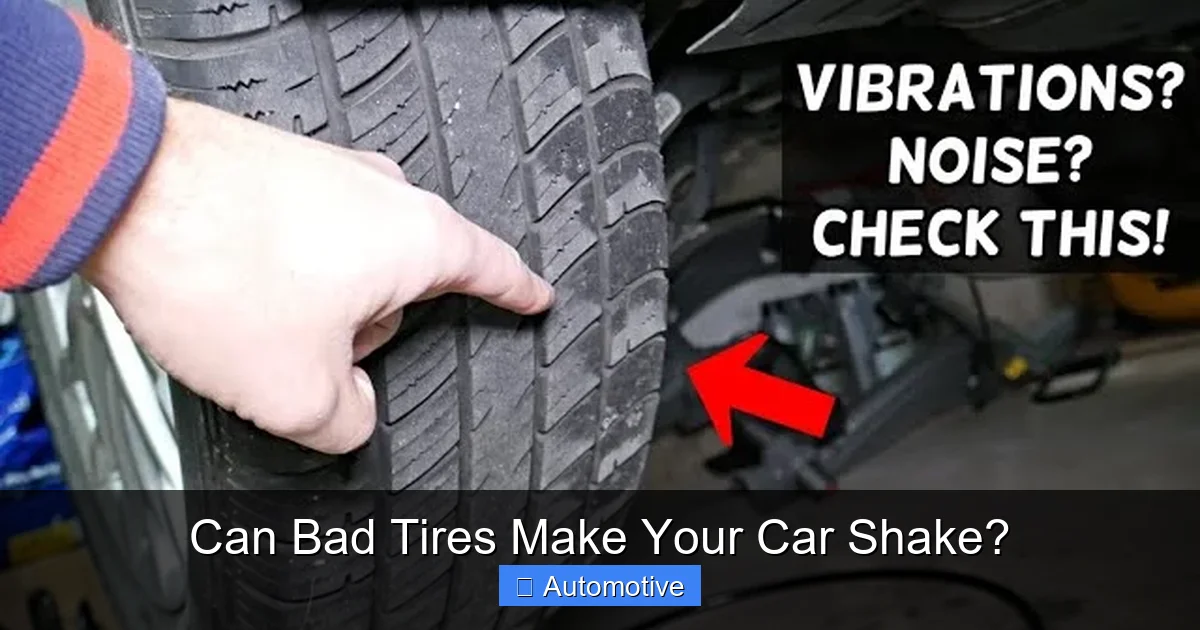
Visual guide about Can Bad Tires Make Your Car Shake?
Image source: i.ytimg.com
Not all car shaking is caused by tires, but tire-related vibrations have distinct characteristics. Knowing what to look for can help you identify the problem early and avoid more serious damage.
Here are the most common signs that your tires are the source of the shake:
– **Steering wheel vibration at high speeds:** If your steering wheel shakes or wobbles when you’re driving above 55 mph, it’s often a sign of tire imbalance or uneven wear.
– **Seat or floorboard vibration:** If the shaking is felt more in your seat or feet than the steering wheel, it could indicate a problem with rear tires or drivetrain components.
– **Thumping or rhythmic noise:** A repetitive thumping sound, especially when braking, may point to flat spots or separated belts in the tire.
– **Shaking that worsens with speed:** Vibrations that increase as you go faster are typically tire-related. If the shaking happens only at low speeds or when turning, it might be a suspension or brake issue.
– **Visible tire damage:** Bulges, cracks, exposed cords, or uneven tread wear are clear indicators that your tires need attention.
It’s also important to note when the shaking occurs. For example:
– **During braking:** Could indicate warped brake rotors or flat-spotted tires.
– **At highway speeds:** Likely tire imbalance or alignment.
– **When accelerating:** Might point to driveline or axle issues.
Paying attention to these details can help you communicate more effectively with a mechanic and get the right diagnosis faster.
How to Inspect Your Tires at Home
You don’t need to be a mechanic to check your tires for problems. A quick visual and physical inspection can reveal a lot. Here’s how to do it:
1. **Check tire pressure:** Use a tire pressure gauge to ensure all four tires are inflated to the manufacturer’s recommended PSI (found on the driver’s door jamb or in the owner’s manual). Underinflation or overinflation can cause uneven wear and vibration.
2. **Look for visible damage:** Walk around your car and inspect each tire. Look for:
– Bulges or bubbles in the sidewall (a sign of internal damage)
– Cracks or dry rot (common in older tires)
– Exposed steel belts or cords
– Uneven tread wear patterns
3. **Feel the tread:** Run your hand across the tread surface. If you feel high and low spots, or if the tread is significantly worn on one side, it’s a sign of imbalance or alignment issues.
4. **Check tread depth:** Use a penny or a tread depth gauge. Insert the penny into the tread with Lincoln’s head upside down. If you can see the top of his head, your tread is too shallow and needs replacement.
5. **Spin the wheels (if safe):** If your car is on a lift or jack stands, spin each wheel by hand. Listen for unusual noises and watch for wobbling.
These simple checks take just a few minutes but can help you catch problems before they lead to shaking or blowouts.
Other Causes of Car Shaking (And How to Tell the Difference)

Visual guide about Can Bad Tires Make Your Car Shake?
Image source: thedailyautomotive.com
While bad tires are a common cause of shaking, they’re not the only one. Other components in your vehicle can also produce similar symptoms. Knowing how to differentiate between tire-related issues and other problems can save you from unnecessary repairs.
Brake System Issues
If your car shakes when you apply the brakes, the problem is likely in the brake system—not the tires. Warped brake rotors are a frequent culprit. When the rotors become uneven due to overheating or wear, they cause the brake pads to pulsate against them, creating a shaking sensation in the steering wheel or pedal.
You’ll typically notice brake-related shaking only when braking, especially at higher speeds. It often feels like a pulsing or vibrating brake pedal. If the shaking stops when you release the brakes, it’s almost certainly not a tire issue.
Fixing warped rotors usually involves resurfacing or replacing them. In some cases, the calipers or brake pads may also need attention.
Suspension and Steering Problems
The suspension system—including shocks, struts, ball joints, and tie rods—keeps your tires in contact with the road. When these components wear out, they can cause your car to bounce, wobble, or shake.
Symptoms of suspension issues include:
– Shaking when going over bumps
– Excessive bouncing after hitting a pothole
– Pulling to one side while driving
– Clunking or knocking noises
Unlike tire-related shaking, suspension problems often worsen with road conditions. You might notice the shaking more on rough roads or during turns.
A professional inspection is usually needed to diagnose suspension issues, as many components are hidden from view.
Drivetrain and Axle Concerns
If your car shakes when accelerating—especially from a stop or at low speeds—the problem could be in the drivetrain. Worn CV (constant velocity) joints or damaged axle shafts can cause a clunking or shuddering sensation.
Front-wheel-drive vehicles are more prone to CV joint issues, which often produce a clicking noise when turning. Rear-wheel-drive and all-wheel-drive vehicles may experience driveline vibrations if the driveshaft is unbalanced or damaged.
These issues are less common than tire problems but can be more serious if ignored. They often require specialized tools and expertise to repair.
How to Fix Tire-Related Shaking
If you’ve determined that your tires are causing the shake, the good news is that most tire issues are fixable—and often preventable. Here’s what you can do:
Get Your Tires Rebalanced
If the shaking occurs at higher speeds and feels like a wobble in the steering wheel, rebalancing your tires is the first step. This involves removing the wheels, checking for damage, and adding small weights to balance the assembly.
Most tire shops offer balancing as part of a standard service. It’s also a good idea to rebalance your tires whenever you rotate them or replace a tire.
Check and Correct Wheel Alignment
Misaligned wheels cause uneven tire wear and can lead to shaking. A professional alignment adjusts the angles of your wheels so they’re parallel and perpendicular to the road.
Signs you need an alignment include:
– Your car pulls to one side
– Steering wheel is off-center when driving straight
– Uneven or rapid tire wear
Alignments are quick and relatively inexpensive, and they can extend the life of your tires significantly.
Rotate Your Tires Regularly
Tire rotation ensures even wear across all four tires. Most manufacturers recommend rotating tires every 5,000 to 7,500 miles. Front tires typically wear faster than rear ones, especially on front-wheel-drive vehicles.
Rotating your tires helps prevent uneven wear patterns that can cause vibration. It’s a simple maintenance task that pays big dividends in ride quality and tire longevity.
Replace Damaged or Worn Tires
If your tires are cracked, bulging, or have less than 4/32 inches of tread depth, it’s time to replace them. Driving on damaged tires is dangerous and can lead to blowouts, especially at high speeds.
When replacing tires, it’s best to replace them in sets of four to maintain balanced handling. If you can only replace two, install the new tires on the rear axle for better stability.
Maintain Proper Tire Pressure
Check your tire pressure at least once a month and before long trips. Use a reliable gauge and inflate to the recommended PSI. Don’t rely on the tire’s sidewall marking—that’s the maximum pressure, not the recommended one.
Proper inflation ensures even contact with the road, reduces wear, and prevents vibration.
When to See a Mechanic
While many tire-related issues can be resolved with basic maintenance, some problems require professional attention. See a mechanic if:
– The shaking persists after rebalancing and alignment
– You notice fluid leaks, unusual noises, or warning lights
– The vibration is severe or accompanied by loss of control
– You’re unsure of the cause and want a thorough inspection
A qualified technician can perform a comprehensive diagnosis, checking not just the tires but also the suspension, brakes, and drivetrain. Early intervention can prevent costly repairs and keep you safe on the road.
Preventing Tire-Related Shaking
The best way to deal with tire shaking is to prevent it from happening in the first place. Here are some proactive steps you can take:
– **Follow the maintenance schedule:** Stick to your vehicle’s recommended service intervals for tire rotation, alignment, and inspection.
– **Drive carefully:** Avoid potholes, curbs, and debris that can damage tires.
– **Monitor tire condition:** Make it a habit to visually inspect your tires weekly.
– **Use quality tires:** Invest in reputable brands with good warranties and performance ratings.
– **Keep records:** Track tire pressure, rotations, and any issues you notice.
By staying on top of tire care, you’ll enjoy a smoother ride, better fuel economy, and fewer surprises on the road.
Conclusion
So, can bad tires make your car shake? The answer is a resounding yes. From imbalance and uneven wear to damage and improper inflation, tires are a common—and often overlooked—source of vehicle vibration. But with regular maintenance and attention to detail, most tire-related shaking can be prevented or fixed quickly.
Pay attention to how your car feels. If you notice shaking, especially at higher speeds, don’t ignore it. Start with a tire inspection, check the pressure, and consider rebalancing or alignment. And if the problem persists, don’t hesitate to consult a professional.
Your tires are your connection to the road. Keeping them in good condition isn’t just about comfort—it’s about safety, performance, and peace of mind. So the next time your car starts to shake, remember: the solution might be as simple as giving your tires the care they deserve.
Frequently Asked Questions
Can a single bad tire cause my car to shake?
Yes, even one damaged or unbalanced tire can cause noticeable shaking. Because all four tires work together, an issue with just one can disrupt the entire vehicle’s balance and create vibrations felt through the steering wheel or seat.
How fast does shaking usually start with bad tires?
Most tire-related shaking becomes noticeable between 50 and 70 mph. At lower speeds, the vibration may be too subtle to feel, but as speed increases, the imbalance or uneven wear becomes more pronounced.
Is it safe to drive with a shaking car?
Driving with a shaking car can be unsafe, especially if the vibration is severe or worsens over time. It may indicate tire damage, alignment issues, or suspension problems that could lead to loss of control or a blowout.
Can underinflated tires cause shaking?
Yes, underinflated tires can cause shaking due to uneven contact with the road and increased flexing. This leads to uneven wear and can create vibrations, especially at higher speeds.
How often should I have my tires balanced?
It’s recommended to have your tires balanced every 5,000 to 7,500 miles, or whenever you notice shaking. Balancing is also typically done during tire rotations or when new tires are installed.
Will new tires stop my car from shaking?
New tires can eliminate shaking caused by wear or damage, but only if the underlying issue was tire-related. If the shaking is due to alignment, suspension, or brake problems, new tires alone won’t fix it.