
Can a Water Pump Cause a Car to Overheat?

A water pump is essential for circulating coolant through your engine, and if it fails, overheating is a real risk. Even minor issues like leaks or worn bearings can disrupt coolant flow, leading to engine damage. Catching problems early can save you from costly repairs.
Key Takeaways
- A faulty water pump can absolutely cause a car to overheat by failing to circulate coolant properly through the engine and radiator.
- Common signs of water pump failure include coolant leaks, whining noises, steam from the engine, and rising temperature gauges.
- Overheating due to water pump issues often happens gradually, so early detection is key to preventing severe engine damage.
- Regular maintenance and coolant checks can help identify water pump problems before they lead to breakdowns.
- Replacing a water pump is a complex job best left to professionals, especially on modern vehicles with tight engine compartments.
- Ignoring water pump symptoms can lead to warped cylinder heads or blown head gaskets, resulting in expensive repairs.
- Preventive care, such as timely belt replacements and coolant flushes, extends water pump life and improves overall cooling system performance.
📑 Table of Contents
Can a Water Pump Cause a Car to Overheat?
You’re cruising down the highway, enjoying the breeze through your open window, when suddenly you notice the temperature gauge creeping into the red zone. Your heart skips a beat. Is it the radiator? The thermostat? Or could it be something deeper—like the water pump?
Yes, a water pump can absolutely cause a car to overheat. In fact, it’s one of the most overlooked yet critical components in your vehicle’s cooling system. While many drivers associate overheating with low coolant or a broken radiator fan, the water pump plays a starring role in keeping your engine at the right temperature. When it fails, the entire cooling process breaks down, and your engine can quickly reach dangerous temperatures.
Think of the water pump as the heart of your car’s cooling system. Just like your heart pumps blood to keep your body functioning, the water pump circulates coolant (a mix of antifreeze and water) through the engine block, cylinder head, and radiator. This flow absorbs excess heat and carries it away, preventing your engine from overheating. If the pump stops working—or even underperforms—coolant doesn’t move efficiently, and heat builds up fast.
But here’s the thing: water pump failure doesn’t always mean the pump stops dead in its tracks. Sometimes, it degrades slowly. A small leak, a worn bearing, or a slipping belt can reduce coolant flow just enough to cause intermittent overheating, especially under load or in hot weather. That’s why it’s so important to recognize the early warning signs and understand how this humble component keeps your engine alive.
How the Water Pump Keeps Your Engine Cool
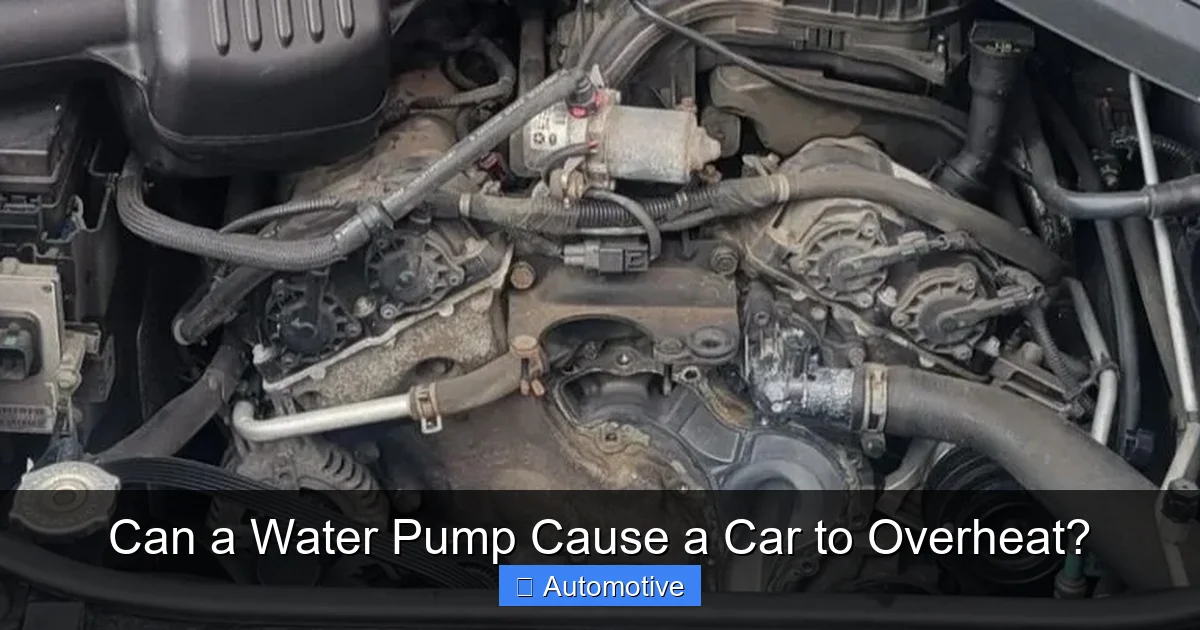
Visual guide about Can a Water Pump Cause a Car to Overheat?
Image source: pumpcritics.com
To truly understand why a water pump can cause a car to overheat, you need to know how it works. The water pump is typically driven by a belt connected to the engine’s crankshaft—either the serpentine belt or a dedicated timing belt, depending on the vehicle. As the engine runs, the belt turns the pump’s impeller, a small fan-like component inside the pump housing.
The Coolant Circulation Process
When the impeller spins, it creates suction that pulls coolant from the radiator and pushes it into the engine block. As the coolant flows through the engine, it absorbs heat from critical components like the cylinders and combustion chambers. Once heated, the coolant travels back to the radiator, where it releases that heat into the air. A thermostat regulates this flow, opening only when the engine reaches operating temperature to ensure efficient warming and cooling.
This continuous loop is what keeps your engine from overheating. Without a functioning water pump, this circulation stops or slows dramatically. Even a partially blocked or worn pump can reduce flow enough to cause temperature spikes, especially during stop-and-go traffic or uphill driving when the engine works harder.
Types of Water Pumps
Most modern cars use mechanical water pumps, which are belt-driven and located near the front of the engine. However, some high-performance or electric vehicles use electric water pumps, which are powered by the vehicle’s electrical system and can operate independently of engine speed. These are often found in hybrid or turbocharged engines where precise coolant control is needed.
Regardless of the type, the core function remains the same: move coolant to manage engine temperature. And when that function fails, overheating is almost inevitable.
Signs That Your Water Pump Is Failing
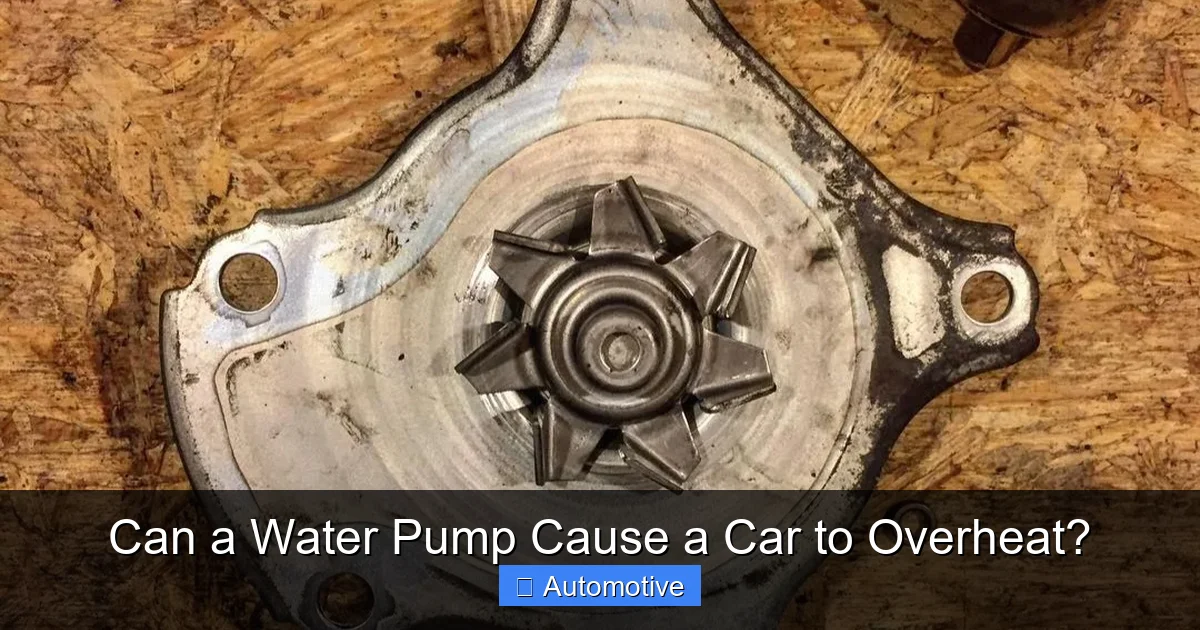
Visual guide about Can a Water Pump Cause a Car to Overheat?
Image source: pumpcritics.com
One of the biggest challenges with water pump failure is that the symptoms can be subtle at first. Unlike a blown tire or a dead battery, a failing water pump doesn’t always announce itself with a loud noise or a warning light. But there are telltale signs you can watch for.
Coolant Leaks Under the Car
One of the most common signs of water pump trouble is a coolant leak. Look for a puddle of bright green, orange, or pink fluid under your car, especially near the front of the engine. The water pump has a weep hole—a small opening designed to release coolant if the internal seal fails. If you see coolant dripping from this hole, it’s a clear sign the pump is on its way out.
Don’t confuse this with a radiator or hose leak. Water pump leaks usually appear near the center of the engine, close to where the timing cover or serpentine belt is located. If you’re unsure, check your owner’s manual or consult a mechanic.
Whining or Grinding Noises
Listen for unusual sounds coming from the front of your engine. A failing water pump often produces a high-pitched whine or grinding noise, especially when the engine is cold or under acceleration. This is usually caused by worn bearings inside the pump. As the bearings degrade, they create friction and vibration, which you hear as noise.
In some cases, the sound may come and go, especially if the pump is only partially failing. But don’t ignore it—persistent noise is a red flag that the pump needs inspection.
Steam or Smoke from the Engine
If you see steam or smoke rising from under the hood, pull over immediately. This is a sign of severe overheating, and it could mean the water pump has completely failed. Without coolant circulation, the engine heats up rapidly, causing coolant to boil and escape as steam.
Steam may also come from a ruptured hose or a blown head gasket, but a failed water pump is often the root cause. Never open the radiator cap when the engine is hot—pressurized steam can cause serious burns.
Rising Temperature Gauge
The most obvious sign of overheating is a temperature gauge that climbs into the red zone. Modern cars often have warning lights that flash when the engine gets too hot. If you notice the gauge creeping up, especially during idle or low-speed driving, it could be due to poor coolant flow from a failing water pump.
Keep in mind that other issues—like a stuck thermostat or low coolant—can also cause overheating. But if the problem persists after topping off coolant or replacing the thermostat, the water pump should be inspected.
Overheating at Idle or Low Speeds
A failing water pump may still work at higher engine speeds but struggle at idle or low RPMs. This is because the impeller spins slower, reducing coolant flow just when the engine needs it most—like when you’re stuck in traffic. If your car overheats in stop-and-go conditions but cools down on the highway, the water pump could be the culprit.
What Happens When the Water Pump Fails?
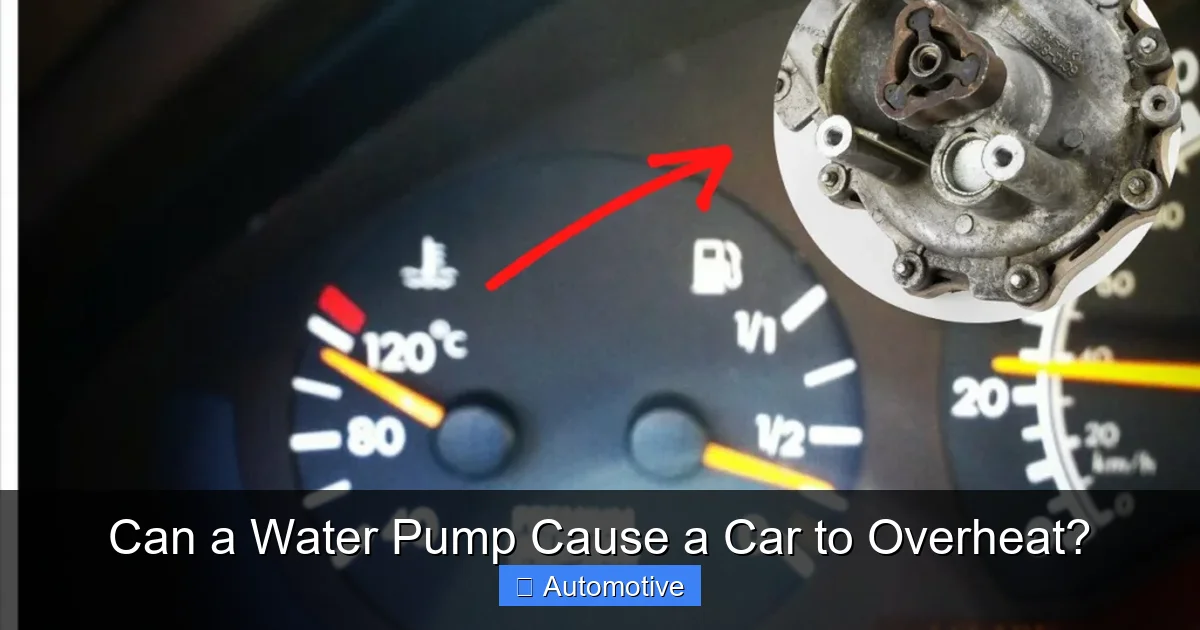
Visual guide about Can a Water Pump Cause a Car to Overheat?
Image source: carcarehacks.com
When a water pump fails, the consequences can range from minor inconvenience to catastrophic engine damage. Understanding the potential outcomes can help you take action before it’s too late.
Engine Overheating
The most immediate effect of water pump failure is engine overheating. Without proper coolant circulation, heat builds up in the engine block and cylinder head. Temperatures can soar past 250°F (121°C), far beyond the safe operating range. This can cause the engine to seize, especially if you continue driving.
Overheating can also warp metal components, crack the engine block, or damage the cylinder head. These repairs are extremely expensive—often costing thousands of dollars.
Blown Head Gasket
One of the most common results of overheating is a blown head gasket. The head gasket seals the cylinder head to the engine block, preventing coolant and oil from mixing and maintaining compression in the cylinders. When the engine overheats, the metal expands unevenly, causing the gasket to fail.
Symptoms of a blown head gasket include white smoke from the exhaust, milky oil (from coolant mixing with oil), and loss of power. Replacing a head gasket is a major repair that requires disassembling part of the engine.
Warped Cylinder Head
Extreme heat can warp the cylinder head, especially in aluminum engines. A warped head won’t seal properly, leading to compression loss, poor performance, and continued overheating. In many cases, the head must be machined or replaced, adding to the repair cost.
Damage to Other Cooling System Components
A failing water pump can also stress other parts of the cooling system. For example, if the pump isn’t moving coolant efficiently, the radiator may overheat, causing hoses to burst or the radiator to crack. The thermostat may also stick open or closed, further disrupting temperature regulation.
Can You Drive with a Bad Water Pump?
The short answer is no—you should not drive with a bad water pump. While it might seem tempting to limp your car to the nearest mechanic, doing so risks severe engine damage.
Short-Term Risks
Even if the car seems to run fine for a few miles, the engine is likely overheating internally. Modern engines are designed to operate within a narrow temperature range, and exceeding that range—even briefly—can cause permanent damage.
For example, driving just 5–10 miles with a failed water pump can generate enough heat to warp a cylinder head or blow a head gasket. At that point, the repair cost jumps from a few hundred dollars for a new pump to several thousand for engine work.
Long-Term Consequences
Continued driving with a bad water pump can lead to complete engine failure. In extreme cases, the pistons can seize in the cylinders, requiring a full engine replacement. This is not only expensive but also time-consuming and inconvenient.
If you suspect your water pump is failing, the safest option is to have the car towed to a repair shop. It may cost a little extra, but it’s far cheaper than replacing an engine.
How to Prevent Water Pump Failure
The good news is that water pump failure is often preventable with regular maintenance and attention to your vehicle’s cooling system.
Follow the Manufacturer’s Maintenance Schedule
Most car manufacturers recommend replacing the water pump every 60,000 to 100,000 miles, especially if it’s driven by a timing belt. Timing belts should be replaced every 60,000 to 100,000 miles, and since the water pump is often accessed during this service, it’s a good idea to replace it at the same time.
Check your owner’s manual for specific recommendations. Some vehicles have water pumps that last longer, while others may need earlier replacement.
Check Coolant Levels Regularly
Low coolant can cause the water pump to overheat and fail prematurely. Coolant also lubricates the pump’s internal seals, so running low can lead to dry operation and rapid wear.
Check your coolant reservoir monthly and top it off if needed. Use the correct type of coolant for your vehicle—mixing types can cause corrosion and reduce efficiency.
Inspect for Leaks and Damage
During routine oil changes or tire rotations, take a moment to inspect the water pump area for signs of leaks, corrosion, or damage. Look for coolant stains, rust, or wet spots around the pump housing.
Also, check the condition of the drive belt. A loose or worn belt can slip, reducing pump efficiency and causing overheating.
Flush the Cooling System
Over time, coolant breaks down and accumulates debris, rust, and scale. This can clog the water pump and reduce its effectiveness. Most experts recommend flushing the cooling system every 30,000 to 50,000 miles.
A professional flush removes old coolant and contaminants, replacing it with fresh, clean fluid. This helps protect the water pump and extends the life of the entire cooling system.
Listen for Unusual Noises
Make it a habit to listen to your engine when you start the car or drive. If you hear a whining, grinding, or squealing noise from the front of the engine, have it checked right away. Early detection can prevent a full pump failure.
Water Pump Replacement: What to Expect
Replacing a water pump is not a simple DIY job for most drivers. It requires removing several components, including the drive belt, timing cover (in some cases), and possibly the radiator or alternator. Because of the complexity, it’s usually best left to a professional mechanic.
Cost of Replacement
The cost to replace a water pump varies depending on the vehicle, labor rates, and whether other components (like the timing belt) are replaced at the same time. On average, you can expect to pay between $400 and $800 for parts and labor.
While this may seem expensive, it’s a fraction of the cost of repairing engine damage from overheating. Think of it as an investment in your car’s longevity.
DIY Considerations
If you’re experienced with car repairs and have the right tools, you may be able to replace the water pump yourself. However, be aware that mistakes can lead to coolant leaks, belt misalignment, or even engine damage.
Always consult a repair manual for your specific vehicle and take your time. And if you’re unsure, don’t hesitate to call a professional.
After Replacement Tips
After replacing the water pump, make sure to refill the cooling system with the correct coolant and bleed any air pockets. Air in the system can cause hot spots and overheating, even with a new pump.
Also, monitor the temperature gauge for the first few drives to ensure everything is working properly.
Conclusion
So, can a water pump cause a car to overheat? The answer is a resounding yes. This small but mighty component is essential for maintaining proper engine temperature, and when it fails, the results can be disastrous.
From coolant leaks and strange noises to rising temperature gauges and steam under the hood, the signs of water pump failure are often subtle but serious. Ignoring them can lead to blown head gaskets, warped cylinder heads, and even complete engine failure.
The good news is that with regular maintenance—like checking coolant levels, inspecting for leaks, and following your manufacturer’s service schedule—you can catch problems early and avoid costly repairs. And if you do need a replacement, acting quickly can save your engine from irreversible damage.
Your car’s cooling system is a team effort, and the water pump is the team captain. Treat it with care, and it will keep your engine running cool for miles to come.
Frequently Asked Questions
Can a water pump cause a car to overheat?
Yes, a failing or failed water pump can absolutely cause a car to overheat. The pump circulates coolant through the engine, and if it stops working, heat builds up rapidly, leading to dangerous temperature spikes.
How long can you drive with a bad water pump?
You should not drive with a bad water pump at all. Even short distances can cause severe engine damage due to overheating. It’s safest to have the car towed to a repair shop.
What does a failing water pump sound like?
A failing water pump often makes a high-pitched whine or grinding noise, especially when the engine is cold or under load. This is usually caused by worn bearings inside the pump.
Can low coolant cause water pump failure?
Yes, low coolant can cause the water pump to overheat and fail prematurely. Coolant also lubricates the pump’s internal seals, so running low can lead to dry operation and damage.
Is it expensive to replace a water pump?
Replacing a water pump typically costs between $400 and $800, including parts and labor. While it’s not cheap, it’s far less expensive than repairing engine damage from overheating.
How often should a water pump be replaced?
Most manufacturers recommend replacing the water pump every 60,000 to 100,000 miles, especially if it’s driven by a timing belt. Check your owner’s manual for specific guidelines.