
Can a Car Overheat in the Winter

Contrary to popular belief, a car can overheat in the winter—even when it’s freezing outside. Cold weather introduces unique challenges like thickened coolant, faulty thermostats, and blockages that can cause engine temperatures to spike unexpectedly.
Key Takeaways
- Winter overheating is real: Cold weather doesn’t prevent overheating—it can actually contribute to it through mechanical and fluid-related issues.
- Coolant issues are a top cause: Old, diluted, or contaminated coolant loses its ability to regulate temperature, especially in extreme cold.
- Thermostat failure is common: A stuck-closed thermostat prevents coolant flow, causing rapid engine overheating regardless of outdoor temperature.
- Blocked radiators and heaters can trap heat: Ice, snow, or debris blocking airflow can reduce cooling efficiency even in winter.
- Low coolant levels are dangerous year-round: Leaks or evaporation can leave the system underfilled, increasing overheating risk in any season.
- Regular maintenance prevents winter overheating: Checking coolant, belts, hoses, and the thermostat before winter helps avoid breakdowns.
- Warning signs matter: Watch for steam, warning lights, sweet smells, or unusual engine sounds—they signal trouble fast.
📑 Table of Contents
Can a Car Overheat in the Winter?
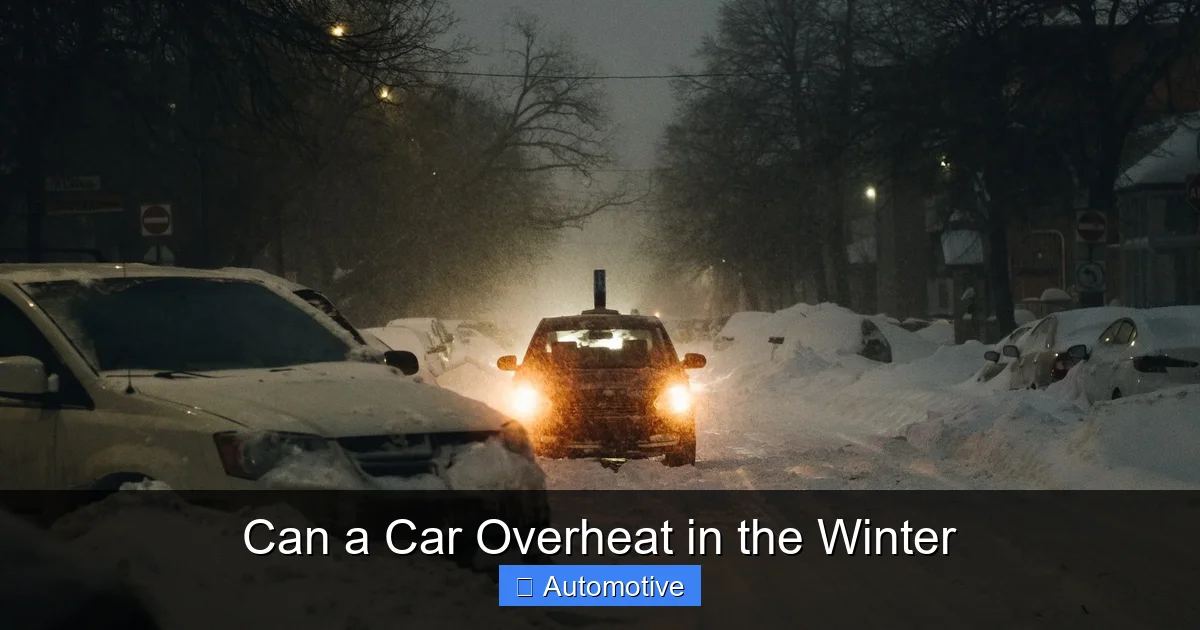
When you think of a car overheating, you probably picture a sweltering summer day—windows down, AC blasting, and steam pouring from under the hood. But here’s a surprising truth: **a car can overheat in the winter**, even when snow is falling and the air is biting cold. In fact, cold weather can create conditions that make overheating more likely, not less.
Many drivers assume that because it’s cold outside, their engine is safe from overheating. That’s a dangerous misconception. While the ambient temperature is low, your engine still generates intense heat—up to 2,000°F (1,093°C) inside the combustion chamber. The cooling system’s job is to manage that heat, no matter the season. If something goes wrong with that system, your engine can overheat in minutes, even in subzero temperatures.
Winter introduces unique challenges. Coolant can thicken, hoses can crack, thermostats can fail, and ice can block airflow. All of these factors can disrupt the delicate balance your engine relies on to stay cool. So yes—your car can absolutely overheat in the winter, and understanding why is the first step in preventing a costly breakdown.
Why Overheating Happens in Cold Weather
Visual guide about Can a Car Overheat in the Winter
Image source: greengaragenetwork.com
At first glance, it seems counterintuitive. How can an engine overheat when it’s freezing outside? The answer lies in how your car’s cooling system works—and how winter interferes with it.
Your engine burns fuel to create power, and that process generates massive amounts of heat. Without a cooling system, the metal parts would warp, seize, or even melt. The cooling system uses a mixture of antifreeze (coolant) and water to absorb that heat and carry it away from the engine to the radiator, where it’s released into the air.
In winter, several things can go wrong:
First, **coolant can lose its effectiveness**. Over time, antifreeze breaks down and loses its ability to transfer heat. If your coolant is old or diluted with too much water, it may not circulate properly or absorb heat efficiently—even in cold weather.
Second, **thermostats can fail**. The thermostat regulates coolant flow based on engine temperature. If it gets stuck in the closed position, coolant can’t reach the radiator to cool down. This causes the engine to overheat rapidly, regardless of how cold it is outside.
Third, **airflow issues** can occur. Snow, ice, or road salt can block the radiator or grille, reducing the airflow needed to cool the engine. Even a small blockage can trap heat and cause temperatures to rise.
Finally, **low coolant levels** are a year-round problem, but they’re especially dangerous in winter. A leak or evaporation can leave the system underfilled, meaning there’s not enough fluid to absorb and dissipate heat.
All of these issues can lead to overheating—even when the weather is cold.
How Cold Weather Affects Engine Coolant
Coolant, or antifreeze, is the lifeblood of your car’s cooling system. It does two main jobs: it prevents the water in the system from freezing in winter, and it helps regulate engine temperature in all seasons. But in cold weather, coolant can behave differently—and sometimes dangerously.
Most coolants are a 50/50 mix of antifreeze and water. This mixture has a lower freezing point than water alone and a higher boiling point, making it ideal for year-round use. However, if the mixture is off—say, too much water and not enough antifreeze—the coolant can freeze in extreme cold. Frozen coolant can’t circulate, which means it can’t absorb heat from the engine. This can cause localized overheating, even if the overall system seems cold.
On the flip side, if the coolant is old or degraded, it may not transfer heat as efficiently. Over time, additives in the antifreeze break down, reducing its ability to prevent corrosion and maintain proper flow. This can lead to sludge buildup in the radiator or water pump, restricting coolant movement and causing hot spots in the engine.
Another winter-specific issue is **coolant thickening**. While modern coolants are designed to flow in cold temperatures, extremely low temps (below -20°F or -29°C) can cause the mixture to become sluggish. This slows circulation, meaning heat isn’t moved away from the engine as quickly. If the engine is working hard—like during a long drive or idling in traffic—this delay can lead to overheating.
The Role of the Thermostat in Winter Overheating
The thermostat is a small but critical component in your cooling system. It’s a temperature-sensitive valve that opens and closes to control coolant flow. When the engine is cold, the thermostat stays closed, allowing the engine to warm up quickly. Once the engine reaches operating temperature (usually around 195°F or 90°C), the thermostat opens, letting coolant flow to the radiator to cool down.
In winter, the thermostat is especially important. Cold engines take longer to warm up, and a properly functioning thermostat helps maintain that ideal operating temperature. But if the thermostat fails—particularly if it gets stuck closed—it can cause serious overheating.
A stuck-closed thermostat prevents coolant from circulating at all. The engine heats up rapidly, but the coolant can’t reach the radiator to release that heat. Within minutes, the engine temperature can spike into the danger zone. This can happen even in freezing weather because the problem isn’t the outside temperature—it’s the lack of coolant flow.
Symptoms of a faulty thermostat include:
– Rapid temperature gauge rise
– Steam or vapor from the engine bay
– Heater not producing warm air (since coolant isn’t circulating)
– Coolant leaks near the thermostat housing
Replacing a thermostat is relatively inexpensive and can prevent a much costlier engine repair. If you notice your engine warming up too slowly or overheating unexpectedly, have the thermostat checked.
Common Causes of Winter Overheating
Visual guide about Can a Car Overheat in the Winter
Image source: endurancewarranty.com
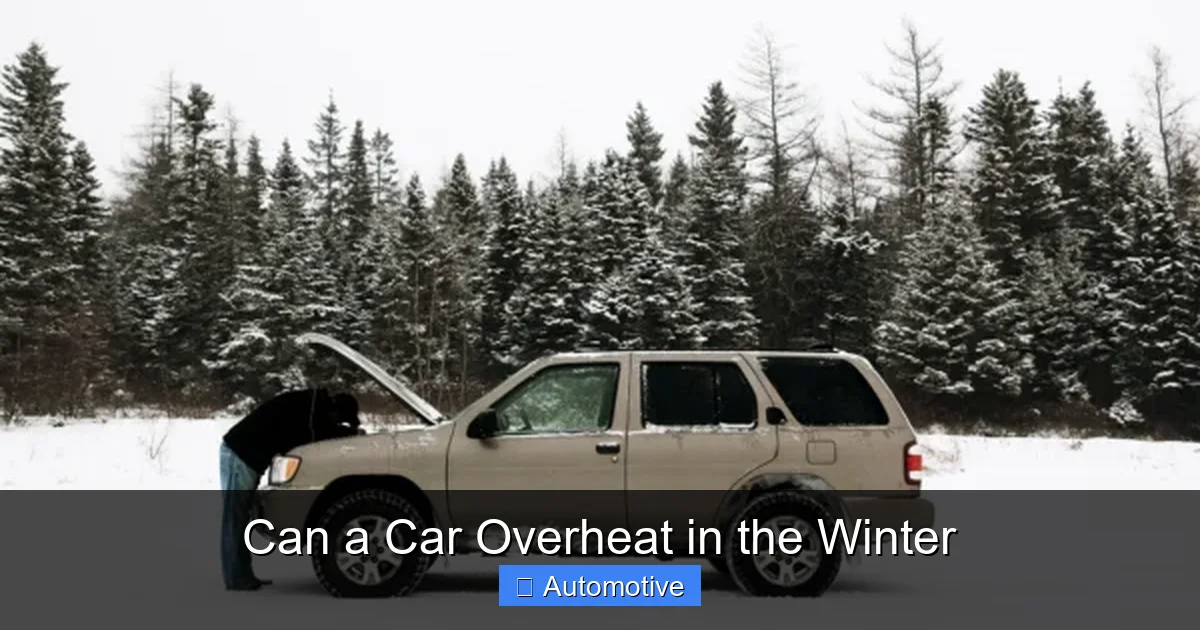
While summer overheating is often linked to high ambient temperatures and AC use, winter overheating stems from different—but equally serious—issues. Understanding these causes can help you spot problems early and avoid a breakdown.
Low or Contaminated Coolant
Coolant doesn’t last forever. Over time, it breaks down, loses its protective additives, and can become contaminated with rust, scale, or oil. This reduces its ability to transfer heat and protect engine components.
In winter, low coolant levels are especially risky. A leak—whether from a cracked hose, a faulty radiator cap, or a worn water pump seal—can leave the system underfilled. Without enough coolant, the engine can’t dissipate heat effectively, leading to overheating.
Signs of low or bad coolant include:
– Coolant leaks under the car (often green, orange, or pink puddles)
– Sweet, syrupy smell inside the car (from coolant burning on hot parts)
– Overheating shortly after starting the engine
– Low coolant reservoir level
To check your coolant, locate the overflow tank (usually a translucent plastic container near the radiator). The level should be between the “min” and “max” marks. If it’s low, top it off with the correct type of coolant—never just water, especially in winter.
Blocked Radiator or Grille
Your radiator needs airflow to cool the hot coolant flowing through it. In winter, snow, ice, mud, or road salt can accumulate on the radiator or grille, blocking airflow and reducing cooling efficiency.
This is especially common in areas with heavy snowfall or where roads are frequently salted. A layer of ice or packed snow can act like a blanket, trapping heat inside the engine bay. Even a partial blockage can be enough to cause overheating, particularly if the engine is under load (like climbing a hill or towing).
To prevent this, regularly clear snow and ice from the front of your car, especially the grille and radiator area. Use a soft brush or cloth—never sharp tools that could damage the delicate fins.
Faulty Water Pump
The water pump circulates coolant through the engine and radiator. If it fails, coolant stops moving, and heat builds up rapidly.
In winter, a failing water pump can be harder to detect. The engine may overheat quickly after starting, or you might notice coolant leaks near the pump (usually at the front of the engine). A whining or grinding noise from the pump area is another red flag.
Water pumps often fail due to worn bearings or a broken impeller. Replacing one requires removing several components, so it’s best left to a professional. But catching it early can save your engine from severe damage.
Radiator Cap and Pressure Issues
The radiator cap does more than seal the system—it maintains the correct pressure. Most cooling systems operate at around 15 psi (pounds per square inch). This pressure raises the boiling point of the coolant, preventing it from turning to steam under high heat.
If the radiator cap is worn or damaged, it may not hold pressure. This can cause coolant to boil at lower temperatures, leading to overheating. In winter, a faulty cap can also allow air to enter the system, creating air pockets that block coolant flow.
Check your radiator cap for cracks, worn seals, or corrosion. Replace it every few years or as recommended by your vehicle’s manufacturer.
Heater Core Problems
The heater core is a small radiator inside your dashboard that provides warm air to the cabin. It’s part of the cooling system and relies on coolant flow to work.
If the heater core is clogged or leaking, it can restrict coolant circulation. This not only affects cabin heating but can also contribute to engine overheating. A clogged heater core may cause the engine to run hotter than normal, especially at idle or low speeds.
Symptoms include:
– No heat from the vents
– Sweet smell inside the car
– Foggy windows that won’t clear
– Coolant loss with no visible leaks
A clogged heater core may need to be flushed or replaced, which can be a complex job due to its location behind the dashboard.
Signs Your Car Is Overheating in Winter
Visual guide about Can a Car Overheat in the Winter
Image source: fordlincolncharlotte.com
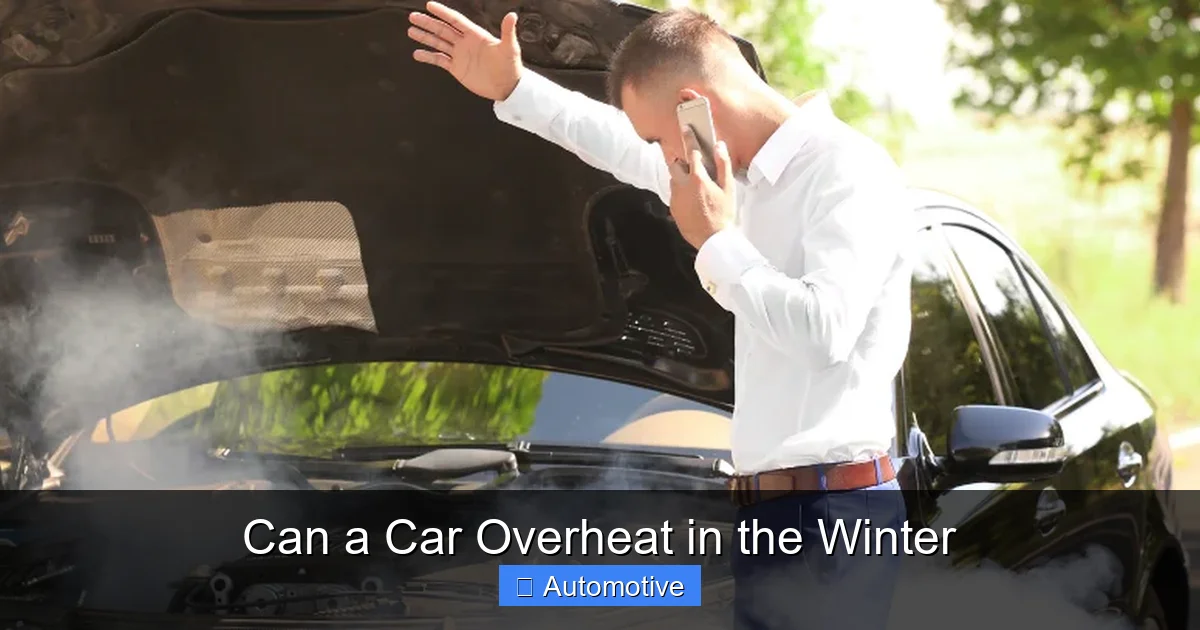
Overheating doesn’t always look the same in winter as it does in summer. Steam may not be visible in cold air, and the engine might not feel “hot” to the touch. That’s why it’s important to know the warning signs.
Temperature Gauge in the Red
The most obvious sign is the temperature gauge on your dashboard. If it climbs into the red zone or near the “H” mark, your engine is overheating. Don’t ignore it—pull over safely and turn off the engine immediately.
Some cars have a warning light instead of a gauge. If the engine temperature light comes on, treat it as an emergency.
Steam or Vapor from the Hood
In cold weather, steam may look like vapor or mist. If you see wisps of white or gray coming from under the hood, it could be coolant boiling or leaking onto hot engine parts. This is a serious sign of overheating.
Sweet Smell Inside the Car
Coolant has a distinct sweet, syrupy smell. If you notice this odor inside the cabin, especially when the heater is on, it could mean a leaking heater core or coolant hose.
Loss of Power or Rough Idling
An overheating engine may run poorly, hesitate, or lose power. This happens because excessive heat can cause engine components to expand and seize, or fuel to vaporize in the lines.
Warning Lights or Messages
Modern cars have sensors that detect overheating and trigger dashboard warnings. If you see a check engine light, coolant warning, or temperature alert, get your car checked right away.
Coolant Leaks
Puddles of colorful fluid under your car—especially green, orange, or pink—are a clear sign of a coolant leak. Even small leaks can lead to overheating over time.
How to Prevent Winter Overheating
The good news is that most winter overheating issues are preventable with regular maintenance and a few smart habits.
Check and Maintain Coolant Levels
Check your coolant reservoir regularly—at least once a month in winter. Make sure the level is between the “min” and “max” marks. If it’s low, top it off with the correct coolant mix.
Have your coolant tested annually. Many auto shops offer free coolant checks. If the coolant is dirty, low, or the wrong type, have it flushed and refilled.
Inspect Hoses and Belts
Cold weather makes rubber hoses and belts more brittle. Inspect them for cracks, bulges, or soft spots. Replace any damaged parts before they fail.
The serpentine belt drives the water pump, so a broken belt means no coolant circulation—and instant overheating.
Test the Thermostat
If your engine takes a long time to warm up or overheats quickly, have the thermostat tested. A mechanic can check if it’s opening and closing at the right temperature.
Clear Snow and Ice from the Grille
After driving in snowy conditions, take a moment to clear snow and ice from the front of your car, especially the grille and radiator. Use a soft brush—never a shovel or ice scraper near the radiator.
Use the Correct Coolant Mix
Always use a 50/50 mix of antifreeze and distilled water. Never use straight water in winter—it can freeze and crack the engine block. Check your owner’s manual for the recommended coolant type.
Schedule a Winter Tune-Up
Before winter hits, have your cooling system inspected. A professional can check the radiator, water pump, thermostat, hoses, and coolant condition. This small investment can prevent a major repair later.
What to Do If Your Car Overheats in Winter
If your car starts to overheat, act quickly to prevent engine damage.
Pull Over Safely
As soon as you notice the temperature rising, turn off the AC and turn on the heater to full blast. This draws heat away from the engine.
Then, pull over to a safe location—preferably off the road—and turn off the engine. Do not open the radiator cap while the engine is hot—it can release scalding steam.
Let the Engine Cool
Wait at least 15–30 minutes for the engine to cool down. Use this time to call for roadside assistance or a tow if needed.
Check Coolant Levels
Once the engine is cool, check the coolant reservoir. If it’s low, add coolant or water (only if necessary and safe). Never open a hot radiator cap.
Do Not Drive Until Repaired
Driving an overheating engine can cause severe damage, including warped cylinder heads, blown head gaskets, or a cracked engine block. Have the car towed to a repair shop for diagnosis.
Seek Professional Help
Overheating is often a symptom of a deeper issue. A mechanic can run diagnostics to find the root cause—whether it’s a thermostat, water pump, or coolant leak—and make the necessary repairs.
Conclusion
Yes, a car can overheat in the winter—and it’s more common than most people think. Cold weather doesn’t protect your engine from overheating; in fact, it can create conditions that make it more likely. From thickened coolant and faulty thermostats to blocked radiators and low fluid levels, winter introduces unique challenges to your cooling system.
The key to avoiding winter overheating is proactive maintenance. Check your coolant, inspect hoses and belts, clear snow from the grille, and pay attention to warning signs. A little prevention goes a long way in keeping your engine running smoothly, no matter the season.
Remember: overheating isn’t just a summer problem. It can happen any time of year—and when it does, it can lead to costly repairs or even engine failure. Stay informed, stay prepared, and keep your cool—even when the weather turns cold.
Frequently Asked Questions
Can a car overheat in freezing temperatures?
Yes, a car can overheat even in freezing temperatures. Cold weather doesn’t prevent overheating—it can actually contribute to it through issues like thickened coolant, blocked radiators, or a stuck thermostat.
Why does my car overheat when it’s cold outside?
Overheating in cold weather is usually caused by cooling system failures, such as low coolant, a faulty thermostat, or a blocked radiator. These issues prevent proper heat dissipation, even when the air is cold.
Is it safe to drive with low coolant in winter?
No, driving with low coolant is dangerous in any season. In winter, low levels can lead to freezing or overheating. Always maintain proper coolant levels and use the correct antifreeze mix.
How often should I check my coolant in winter?
Check your coolant reservoir at least once a month during winter. Also, have your coolant tested annually to ensure it’s in good condition and the right mixture.
Can snow cause my car to overheat?
Yes, snow or ice blocking the radiator or grille can restrict airflow and cause overheating. Always clear snow from the front of your car after driving in winter conditions.
What should I do if my car overheats in winter?
Pull over safely, turn off the engine, and let it cool. Do not open the radiator cap while hot. Check coolant levels once cool, and call for professional help before driving again.