
Can a Bad Heater Core Cause a Car to Overheat

A bad heater core can indeed cause a car to overheat, especially if it leads to coolant leaks or blockages in the cooling system. While the heater core primarily warms the cabin, its failure can disrupt coolant flow and pressure, triggering overheating. Recognizing early symptoms like foggy windows, sweet smells, or coolant loss helps prevent serious engine damage.
Key Takeaways
- A bad heater core can cause overheating: Coolant leaks or blockages from a failing heater core reduce the system’s ability to regulate engine temperature.
- Coolant loss is a major red flag: If you notice low coolant levels without visible external leaks, the heater core may be leaking internally.
- Sweet-smelling cabin air indicates trouble: A distinct antifreeze odor inside the car often points to a heater core leak.
- Foggy or damp windows are common signs: Moisture buildup on the inside of windows, especially the windshield, can result from leaking coolant vapor.
- Heater performance drops significantly: If your heater blows cold air even when the engine is warm, the heater core may be clogged or damaged.
- Prompt diagnosis prevents engine damage: Ignoring heater core issues can lead to overheating, warped cylinder heads, or blown head gaskets.
- Replacement is often the best fix: Repairing a heater core is complex; most mechanics recommend full replacement for long-term reliability.
📑 Table of Contents
- Can a Bad Heater Core Cause a Car to Overheat?
- How the Heater Core Works in Your Car’s Cooling System
- Signs That a Bad Heater Core May Be Causing Overheating
- How a Bad Heater Core Leads to Engine Overheating
- Common Causes of Heater Core Failure
- Diagnosing a Bad Heater Core
- Repairing or Replacing a Bad Heater Core
- Conclusion
Can a Bad Heater Core Cause a Car to Overheat?
You’re cruising down the highway on a chilly morning, cranking the heat to stay warm. Suddenly, you notice the temperature gauge creeping into the red zone. Your engine is overheating—but why? You check the radiator, the coolant reservoir, and the hoses, and everything seems fine. Could the problem be something less obvious, like the heater core?
The short answer is yes—a bad heater core can cause a car to overheat. While it might seem unrelated at first, the heater core plays a vital role in your vehicle’s cooling system. It’s not just responsible for warming your cabin; it’s also part of the engine’s overall temperature regulation. When it fails, it can disrupt coolant flow, cause leaks, or create blockages that lead to overheating.
Understanding how the heater core works—and how its failure impacts the engine—can save you from costly repairs down the road. In this guide, we’ll explore the connection between a bad heater core and engine overheating, the warning signs to watch for, and what you can do to fix the problem before it escalates.
How the Heater Core Works in Your Car’s Cooling System
Visual guide about Can a Bad Heater Core Cause a Car to Overheat
Image source: wheelsjoint.com
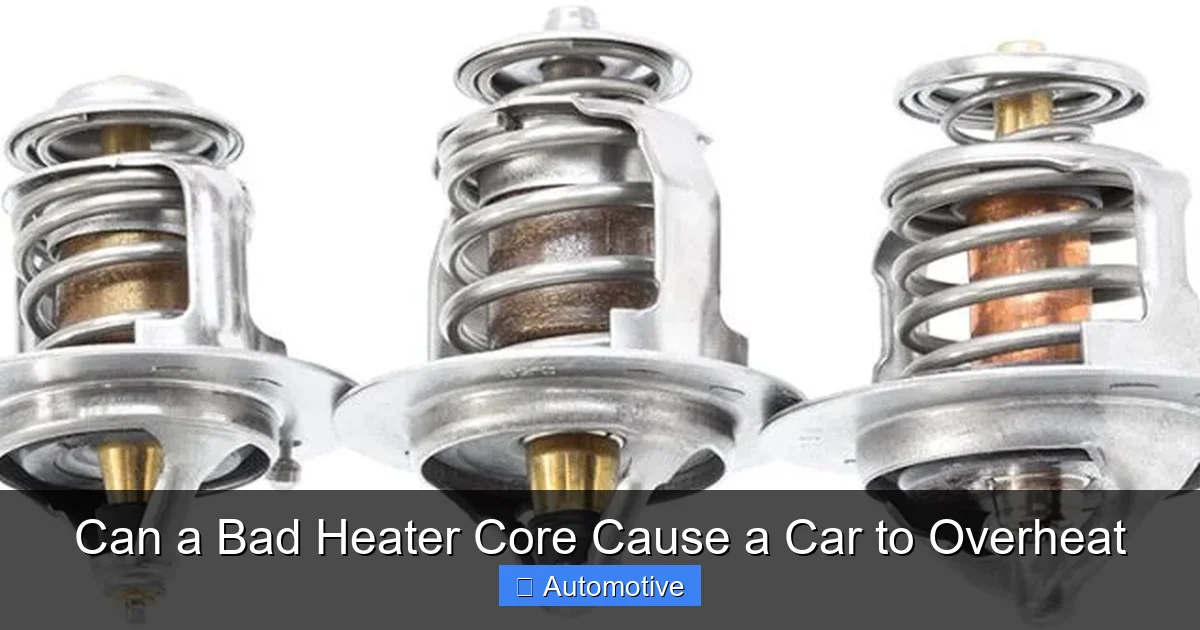
To understand how a bad heater core can cause a car to overheat, it helps to know what the heater core actually does. Think of it as a small radiator located inside your dashboard, usually behind the glove compartment or under the steering column. It’s part of the closed-loop cooling system that keeps your engine at the right temperature.
When your engine runs, it generates a lot of heat. The cooling system circulates coolant (a mix of antifreeze and water) through the engine block and cylinder head to absorb that heat. Once the coolant gets hot, it flows through the radiator, where air passing through cools it down before it returns to the engine.
But not all the hot coolant goes to the radiator. Some of it is diverted through the heater core via two small hoses. As the warm coolant passes through the heater core, a fan blows air over it, heating the air that’s then directed into the cabin. That’s how your car’s heater works—simple, right?
The heater core is essentially a heat exchanger. It allows heat from the engine coolant to warm the air inside your car without directly exposing passengers to engine components. This process also helps regulate the overall temperature of the cooling system by allowing some coolant to bypass the radiator when needed.
Because the heater core is part of the coolant circuit, any issue that affects it—like a leak, clog, or corrosion—can impact the entire system. If coolant can’t flow properly through the heater core, it can’t return to the engine or radiator as intended. This disruption can lead to reduced coolant volume, increased pressure, or poor circulation—all of which contribute to overheating.
Signs That a Bad Heater Core May Be Causing Overheating
Visual guide about Can a Bad Heater Core Cause a Car to Overheat
Image source: i.ytimg.com
So how do you know if your heater core is the culprit behind your car’s overheating? While overheating can stem from many issues—like a faulty thermostat, water pump failure, or radiator problems—there are specific symptoms that point directly to the heater core.
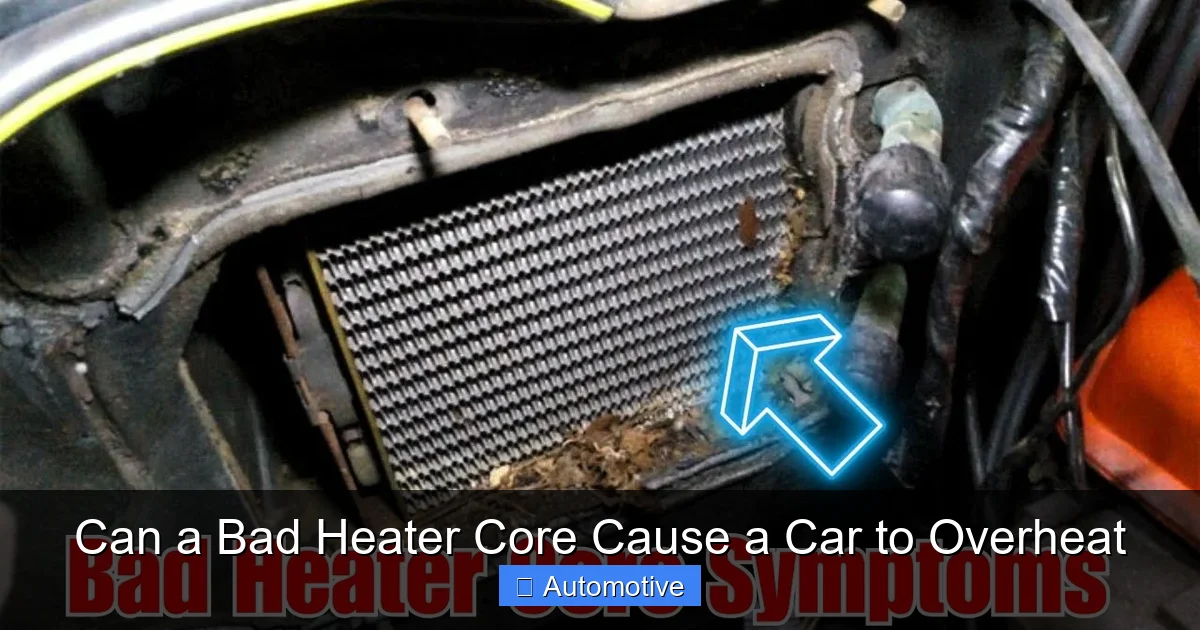
One of the most telling signs is a sweet, syrupy smell inside the cabin. Antifreeze has a distinct odor, often described as “sweet” or “fruity.” If you notice this smell, especially when the heater is on, it’s a strong indicator that coolant is leaking from the heater core and evaporating inside the HVAC system.
Another common symptom is foggy or damp windows, particularly the windshield. When coolant leaks from the heater core, it can turn into vapor and mix with the air inside the car. This moisture condenses on the cold glass, creating a foggy film that’s hard to clear—even with the defroster on full blast. You might also notice a sticky residue on the windows or a damp carpet on the passenger side, which is where the heater core is typically located.
If your heater suddenly stops working or blows cold air despite the engine being warm, that’s another red flag. A clogged or leaking heater core can’t transfer heat effectively, so no warm air comes out of the vents. This doesn’t just make your drive uncomfortable—it also means coolant isn’t circulating properly, which can lead to overheating.
Low coolant levels without any visible leaks under the car are also suspicious. Since the heater core is inside the dashboard, a leak there won’t leave puddles on the ground. Instead, coolant may drip onto the floor mats or evaporate through the HVAC system. If you’re constantly topping off the coolant but can’t find an external leak, the heater core should be high on your list of suspects.
Finally, if your engine starts overheating—especially during idle or low-speed driving—while the heater isn’t working, it could be due to a blocked heater core. At idle, the radiator fan and coolant flow are reduced, so the heater core helps dissipate some heat. If it’s clogged, that extra cooling capacity is lost, pushing the engine toward overheating.
How a Bad Heater Core Leads to Engine Overheating
Now that we’ve covered the symptoms, let’s dive into the mechanics of how a bad heater core can cause a car to overheat. It’s not just about losing cabin heat—it’s about disrupting the entire cooling system’s balance.
One of the primary ways a failing heater core causes overheating is through coolant loss. The heater core is made of thin aluminum or brass tubes and fins, similar to a radiator. Over time, these materials can corrode, especially if the coolant isn’t changed regularly or if low-quality coolant is used. Corrosion weakens the walls of the tubes, leading to small cracks or holes.
When the heater core leaks, coolant escapes into the cabin instead of staying in the system. Even a small leak can result in significant coolant loss over time. Since the cooling system is a closed loop, losing coolant reduces the total volume available to absorb and dissipate engine heat. This directly increases the risk of overheating, especially under load or in hot weather.
Another issue is blockage. Sediment, rust, or debris from the engine can accumulate in the heater core’s narrow passages. This restricts coolant flow, preventing it from circulating properly. When coolant can’t flow through the heater core, it also can’t return to the engine or radiator efficiently. This creates hot spots in the engine and reduces the system’s overall cooling capacity.
Additionally, the heater core plays a role in temperature regulation at idle. When the car is stopped or moving slowly, the radiator doesn’t get enough airflow to cool the coolant effectively. The heater core acts as a secondary heat exchanger, allowing some heat to be released into the cabin. If the heater core is clogged or bypassed (some drivers shut off the heater to “save” it), this extra cooling path is lost. The engine has to work harder to stay cool, increasing the chance of overheating.
In some cases, a severely clogged heater core can even cause pressure buildup in the cooling system. Coolant trying to pass through a blocked core creates backpressure, which can stress hoses, the radiator cap, or the water pump. If the pressure gets too high, it can lead to leaks or component failure—further contributing to overheating.
Common Causes of Heater Core Failure
Understanding what causes a heater core to fail can help you prevent the problem in the first place. While heater cores are generally durable, several factors can shorten their lifespan.
One of the most common causes is corrosion. Coolant contains additives that protect metal components from rust and scale buildup. However, these additives break down over time. If you don’t change your coolant according to the manufacturer’s schedule (usually every 30,000 to 50,000 miles), the protective chemicals degrade, leaving the heater core vulnerable to corrosion.
Using the wrong type of coolant can also accelerate damage. Mixing different coolant types (like green and orange) can cause chemical reactions that form sludge or gel-like substances. This sludge can clog the heater core’s tiny tubes, restricting flow and leading to overheating.
Age and wear are natural factors. Most heater cores last between 8 to 10 years, but driving conditions, climate, and maintenance habits can shorten that lifespan. In colder climates, where antifreeze concentration is higher, the risk of corrosion may be greater. In hot climates, constant thermal cycling can stress the materials over time.
Physical damage is another possibility. While rare, the heater core can be damaged during repairs or if something impacts the dashboard area. For example, if a mechanic removes the dashboard for another repair and doesn’t reassemble it properly, the heater core hoses might get kinked or disconnected.
Finally, poor maintenance of the overall cooling system can indirectly harm the heater core. A failing water pump, clogged radiator, or stuck thermostat can cause overheating, which in turn puts extra stress on the heater core. High temperatures and pressure can weaken the core’s structure, making it more likely to leak or fail.
Diagnosing a Bad Heater Core
If you suspect your heater core is causing overheating, it’s important to get it diagnosed correctly. While some symptoms are obvious, others can mimic other cooling system problems. Here’s how mechanics typically diagnose a bad heater core.
First, they’ll check the coolant level and look for signs of leaks. Since heater core leaks are internal, they won’t show up under the car. Instead, the technician will inspect the passenger-side floor for dampness or a sweet smell. They may also use a UV dye in the coolant. After running the engine, they’ll use a UV light to trace any leaks back to the heater core.
Next, they’ll test the heater’s performance. With the engine warmed up, they’ll turn on the heater and feel the air coming from the vents. If it’s cold or lukewarm, it suggests the heater core isn’t receiving hot coolant—either due to a blockage or leak.
They’ll also inspect the heater core hoses. These two small hoses (inlet and outlet) should feel warm when the engine is running. If one hose is hot and the other is cold, it indicates a blockage inside the heater core. If both are cold, the issue might be elsewhere, like a stuck thermostat.
In some cases, a pressure test is performed. The cooling system is pressurized to check for leaks. If pressure drops without any external signs, it often points to an internal leak in the heater core.
Finally, a visual inspection may be done by removing parts of the dashboard. This is more invasive and usually reserved for confirmed cases. Once the heater core is exposed, the technician can look for cracks, corrosion, or blockages.
Repairing or Replacing a Bad Heater Core
Once a bad heater core is confirmed, the next step is deciding how to fix it. Unfortunately, repairing a heater core is rarely practical. Unlike a radiator, which can sometimes be patched or re-cored, the heater core is sealed and integrated into the HVAC system. Most mechanics recommend full replacement.
Replacing a heater core is a complex job. It typically requires removing the dashboard, disconnecting the HVAC components, and carefully extracting the old core. This process can take several hours and requires specialized tools. Because of the labor involved, the cost can range from $500 to $1,200 or more, depending on the vehicle.
In some cases, drivers opt to bypass the heater core instead of replacing it. This involves disconnecting the two heater hoses and connecting them together with a bypass hose. While this stops coolant from flowing through the core, it also disables the heater. This might be acceptable in warm climates, but it’s not ideal for winter driving.
Preventative maintenance is the best way to avoid heater core issues. Regular coolant flushes, using the correct coolant type, and addressing overheating promptly can extend the life of your heater core. If you notice any of the warning signs—like a sweet smell or foggy windows—don’t ignore them. Early diagnosis can prevent more serious problems down the line.
Conclusion
So, can a bad heater core cause a car to overheat? Absolutely. While it’s not the most common cause, a failing heater core can disrupt coolant flow, lead to leaks, and reduce the cooling system’s efficiency—all of which can trigger overheating. Recognizing the symptoms early—such as a sweet smell, foggy windows, or a non-working heater—can help you address the issue before it causes engine damage.
The heater core may seem like a small part of your car, but it plays a big role in both comfort and engine health. By understanding how it works and what to watch for, you can keep your vehicle running smoothly and avoid costly repairs. If you suspect a problem, don’t delay—get it checked by a professional. Your engine (and your winter drives) will thank you.
Frequently Asked Questions
Can a bad heater core cause a car to overheat?
Yes, a bad heater core can cause a car to overheat. If it leaks or becomes clogged, it disrupts coolant flow and reduces the cooling system’s ability to regulate engine temperature.
What are the signs of a failing heater core?
Common signs include a sweet smell inside the car, foggy or damp windows, low coolant levels without external leaks, and the heater blowing cold air.
Can I drive with a bad heater core?
You can drive short distances, but it’s not recommended. A leaking or clogged heater core can lead to overheating and engine damage if ignored.
How much does it cost to replace a heater core?
Replacement typically costs between $500 and $1,200, depending on the vehicle and labor involved, as it often requires dashboard removal.
Can I bypass the heater core instead of replacing it?
Yes, you can bypass the heater core by connecting the inlet and outlet hoses, but this disables the heater and is only a temporary fix.
How often should I replace my heater core?
There’s no set interval, but most heater cores last 8 to 10 years. Regular coolant maintenance can help extend its life.