
Can a Bad Catalytic Converter Cause a Car to Overheat?

A failing catalytic converter can indeed cause a car to overheat by restricting exhaust flow, increasing backpressure, and forcing the engine to work harder. This added strain generates excess heat, especially under load, which the cooling system may struggle to manage. Recognizing the signs early can prevent serious engine damage.
Key Takeaways
- A clogged catalytic converter restricts exhaust flow: This creates backpressure that makes the engine work harder, increasing internal temperatures.
- Overheating often occurs under load: Symptoms like rising temperature gauges are more noticeable when driving uphill or accelerating hard.
- Check engine light may illuminate: A bad catalytic converter often triggers OBD-II codes like P0420 or P0430, signaling efficiency issues.
- Reduced engine performance is a warning sign: Sluggish acceleration, misfires, and poor fuel economy often accompany converter problems.
- Excessive heat can damage nearby components: Prolonged overheating may warp exhaust manifolds or melt oxygen sensors.
- Diagnosis requires professional tools: Mechanics use backpressure tests and infrared thermometers to confirm converter blockage.
- Replacement is usually necessary: Cleaning rarely fixes a severely clogged converter; full replacement is often the only solution.
📑 Table of Contents
- Can a Bad Catalytic Converter Cause a Car to Overheat?
- Understanding the Catalytic Converter’s Role in Engine Performance
- Signs That Your Catalytic Converter Is Causing Overheating
- How a Clogged Catalytic Converter Leads to Engine Overheating
- Diagnosing a Bad Catalytic Converter
- Can You Drive with a Bad Catalytic Converter?
- Repair and Replacement Options
- Conclusion
Can a Bad Catalytic Converter Cause a Car to Overheat?
You’re driving down the highway, enjoying the breeze through your open window, when suddenly you notice the temperature gauge creeping into the red zone. Your heart skips a beat. Is it the radiator? The thermostat? Or could something deeper—like a failing catalytic converter—be to blame?
It’s a question many drivers ask, especially when their car starts acting up without an obvious cause. While most people associate overheating with coolant leaks or a broken water pump, fewer realize that a bad catalytic converter can also play a major role. The truth is, this often-overlooked emissions component can silently sabotage your engine’s performance and heat management if it fails.
So, can a bad catalytic converter cause a car to overheat? The short answer is yes—especially if it becomes clogged or restricted. The catalytic converter sits in the exhaust system and plays a vital role in reducing harmful emissions. But when it fails, it doesn’t just hurt the environment—it can throw your entire engine’s balance off, leading to increased heat, reduced power, and in extreme cases, engine damage.
Understanding the Catalytic Converter’s Role in Engine Performance
Visual guide about Can a Bad Catalytic Converter Cause a Car to Overheat?
Image source: carglassadvisor.com
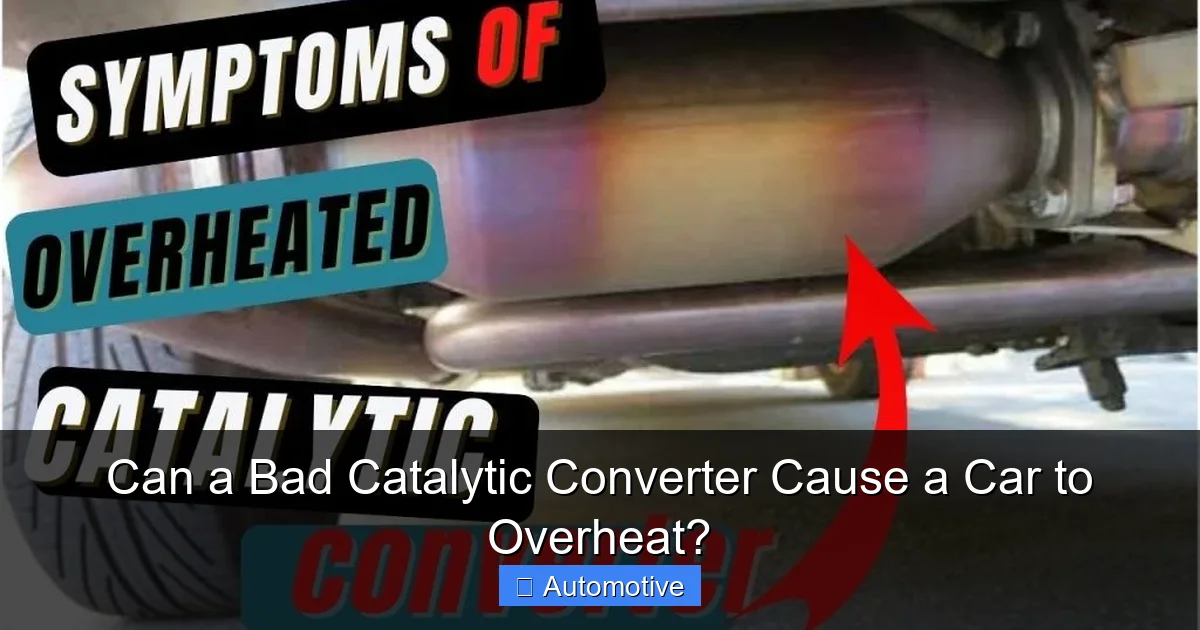
Before we dive into how a bad catalytic converter can cause overheating, let’s first understand what this component actually does. The catalytic converter is a key part of your vehicle’s exhaust system, typically located between the engine and the muffler. Its main job is to convert toxic gases—like carbon monoxide, nitrogen oxides, and unburned hydrocarbons—into less harmful substances such as carbon dioxide, nitrogen, and water vapor.
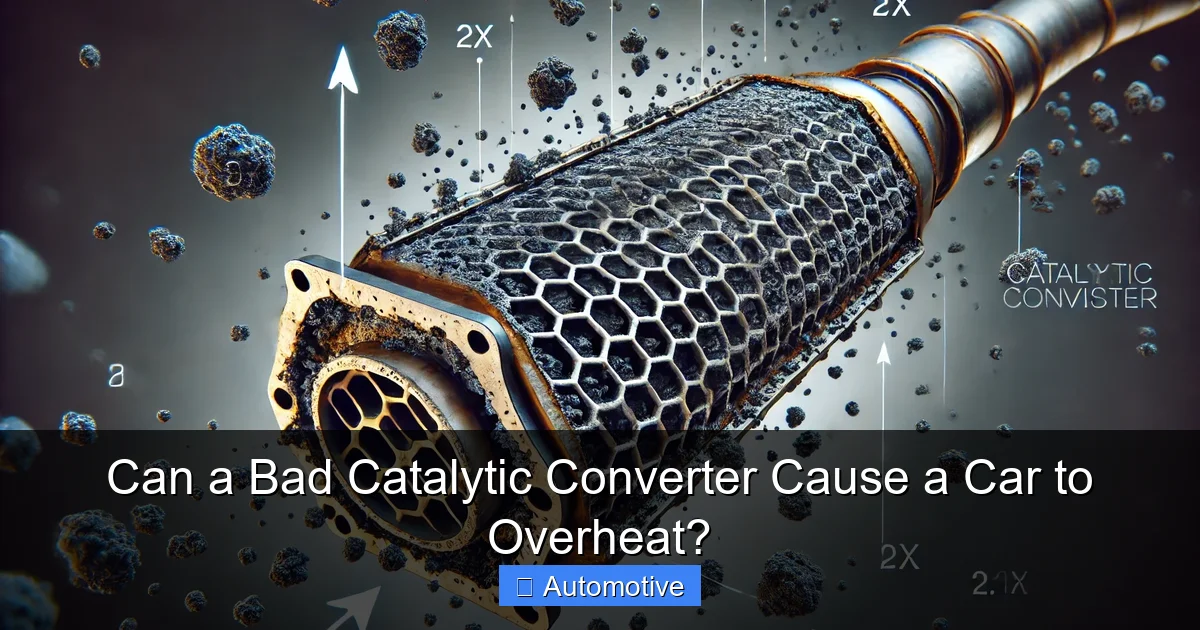
This process happens through a series of chemical reactions facilitated by precious metals like platinum, palladium, and rhodium coated on a honeycomb-like ceramic structure inside the converter. These metals act as catalysts, speeding up the reactions without being consumed in the process.
But here’s the catch: the catalytic converter doesn’t operate in isolation. It’s part of a finely tuned system that includes the engine, exhaust manifold, oxygen sensors, and the vehicle’s computer (ECU). When the engine burns fuel, it produces exhaust gases that travel through the exhaust manifold and into the catalytic converter. If the converter is working properly, it cleans the gases efficiently and allows them to exit smoothly through the tailpipe.
However, when the converter becomes clogged or damaged, it creates a bottleneck in the exhaust system. This restriction forces exhaust gases to back up into the engine, increasing pressure and temperature. Think of it like trying to breathe through a straw—your engine has to work much harder to push out exhaust, and that extra effort generates more heat.
How Exhaust Backpressure Affects Engine Temperature
One of the most direct ways a bad catalytic converter causes overheating is through increased exhaust backpressure. Backpressure refers to the resistance the engine faces when trying to expel exhaust gases. In a healthy system, exhaust flows freely. But when the catalytic converter is clogged—often due to melted substrate, carbon buildup, or physical damage—it acts like a dam, blocking the flow.
This buildup of pressure forces the engine to work harder during the exhaust stroke. The pistons have to push against this resistance, which increases internal friction and heat. Over time, this extra workload can push the engine beyond its normal operating temperature, especially during demanding conditions like climbing hills, towing, or stop-and-go traffic.
For example, imagine driving up a steep mountain pass with a clogged converter. The engine is already under strain due to the incline, and now it’s also fighting to push exhaust out. The result? A rapid rise in engine temperature that the cooling system may not be able to keep up with.
The Connection Between Emissions and Engine Heat
Another factor linking catalytic converter failure to overheating is the impact on combustion efficiency. A properly functioning converter relies on a balanced air-fuel mixture and precise timing to do its job. But if the converter is clogged, it can disrupt this balance.
For instance, excessive backpressure can cause unburned fuel to accumulate in the exhaust system. This fuel can then ignite inside the converter, causing it to overheat and potentially melt the internal substrate. Once the substrate melts, it can collapse and create an even worse blockage.
This cycle of heat and restriction not only damages the converter but also affects the engine’s ability to manage temperature. The engine control unit (ECU) may detect abnormal oxygen levels or exhaust temperatures and adjust fuel delivery or ignition timing to compensate. These adjustments can lead to richer fuel mixtures, which burn hotter and increase overall engine temperature.
In short, a bad catalytic converter doesn’t just fail on its own—it creates a domino effect that impacts multiple systems, including engine cooling.
Signs That Your Catalytic Converter Is Causing Overheating
Visual guide about Can a Bad Catalytic Converter Cause a Car to Overheat?
Image source: badcatalytic.com
So how do you know if your catalytic converter is the culprit behind your car’s overheating issues? While overheating can stem from many causes—like a faulty thermostat, low coolant, or a broken water pump—there are specific symptoms that point to a failing catalytic converter.
Rising Temperature Gauge Under Load
One of the most telling signs is an increase in engine temperature during heavy use. If your temperature gauge spikes when you’re driving uphill, accelerating quickly, or towing a trailer, but returns to normal during light driving, a clogged catalytic converter could be the reason.
Why? Because under load, the engine produces more exhaust gases. A restricted converter can’t handle the increased volume, leading to a buildup of heat and pressure. The cooling system, already working hard, may not be able to dissipate the extra heat fast enough.
Reduced Engine Power and Sluggish Acceleration
A clogged catalytic converter restricts exhaust flow, which directly impacts engine performance. You might notice that your car feels sluggish, struggles to accelerate, or hesitates when you press the gas pedal. This is because the engine can’t “breathe” properly—it’s like trying to run with a stuffy nose.
This loss of power is often accompanied by a noticeable drop in fuel economy. The engine is working harder to produce the same amount of power, so it burns more fuel. If you’re suddenly filling up more often without changing your driving habits, it’s worth checking the converter.
Check Engine Light and Diagnostic Trouble Codes
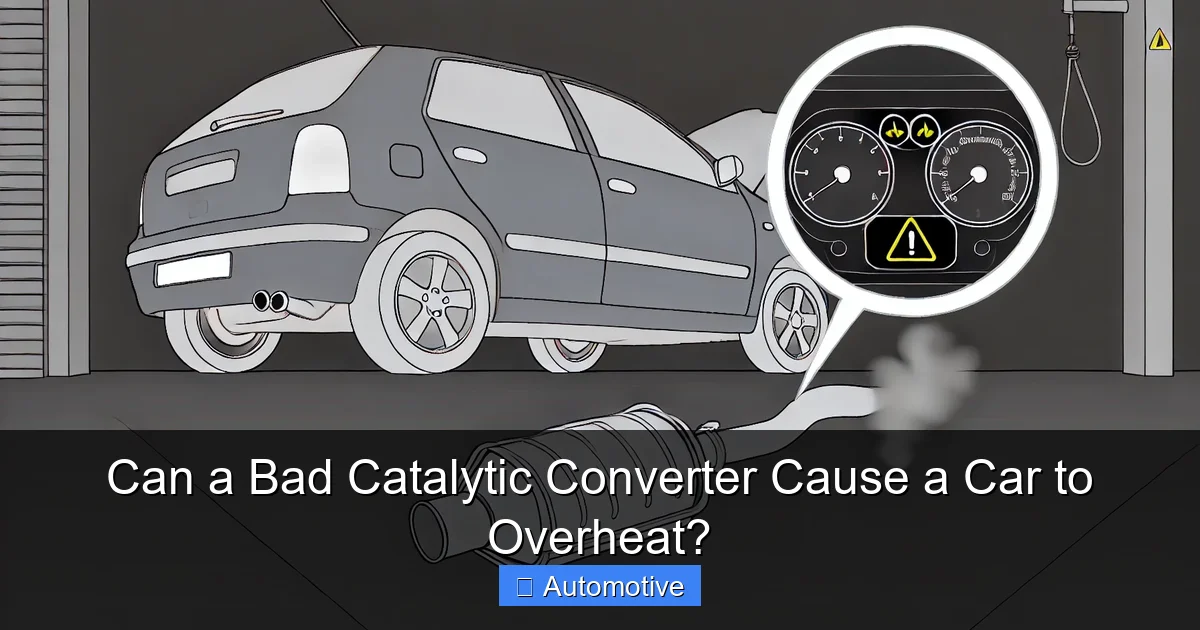
Modern vehicles are equipped with onboard diagnostics (OBD-II) that monitor the performance of the catalytic converter. If the converter is failing, the ECU will often detect a drop in efficiency and trigger the check engine light.
Common diagnostic trouble codes (DTCs) associated with catalytic converter problems include:
– P0420: Catalyst System Efficiency Below Threshold (Bank 1)
– P0430: Catalyst System Efficiency Below Threshold (Bank 2)
These codes indicate that the converter isn’t reducing emissions as effectively as it should. While they don’t always mean the converter is completely clogged, they’re a strong warning sign that it’s under stress—possibly contributing to overheating.
Excessive Heat Under the Vehicle
If you suspect a catalytic converter issue, one simple test is to feel the temperature of the exhaust system. After driving for a while, carefully touch the area around the converter (use gloves or a tool to avoid burns). If it’s extremely hot—hotter than the surrounding pipes—it could indicate a blockage.
A properly functioning converter does get hot, but a severely clogged one can reach temperatures high enough to melt internal components or even ignite nearby materials. This excessive heat can radiate upward, affecting engine components and contributing to overall overheating.
Rattling Noise from the Exhaust
Another physical sign of a failing catalytic converter is a rattling sound coming from underneath the car, especially when starting the engine or accelerating. This noise usually means the internal honeycomb structure has broken apart and is loose inside the casing.
When this happens, the broken pieces can shift and create even more blockage, worsening exhaust flow and increasing the risk of overheating.
How a Clogged Catalytic Converter Leads to Engine Overheating
Visual guide about Can a Bad Catalytic Converter Cause a Car to Overheat?
Image source: badcatalytic.com
Now that we’ve covered the symptoms, let’s dive deeper into the mechanics of how a bad catalytic converter causes overheating. It’s not just about heat—it’s about how that heat affects the entire engine system.
Increased Engine Workload and Friction
When exhaust gases can’t flow freely, the engine has to work harder to expel them. This increased workload means the pistons, crankshaft, and other moving parts are under greater stress. More friction equals more heat.
Think of it like running uphill with a heavy backpack. Your muscles generate more heat because you’re exerting more effort. Similarly, your engine generates more heat when it’s fighting against backpressure.
Over time, this extra heat can overwhelm the cooling system. Even if your radiator, water pump, and coolant are in good condition, they may not be able to keep up with the increased thermal load.
Disruption of Air-Fuel Mixture
A clogged catalytic converter can also disrupt the air-fuel mixture in the combustion chamber. The ECU relies on feedback from oxygen sensors before and after the converter to adjust fuel delivery. If the converter is blocked, the downstream oxygen sensor may detect abnormal readings, causing the ECU to enrich the fuel mixture.
A richer mixture (more fuel, less air) burns hotter and produces more exhaust heat. This not only increases the risk of overheating but can also lead to carbon buildup in the engine and further damage the converter.
Heat Soak and Cooling System Overload
Another factor is heat soak—the phenomenon where heat builds up in the engine bay and doesn’t dissipate quickly, especially after the engine is turned off. A clogged converter radiates intense heat, which can raise the temperature of nearby components like the intake manifold, sensors, and wiring.
This ambient heat can make it harder for the cooling system to do its job. Even when the engine is running, the radiator and coolant may struggle to absorb and dissipate the excess heat, leading to a gradual rise in operating temperature.
Potential for Engine Knock and Detonation
In extreme cases, the increased heat and pressure from a clogged converter can lead to engine knock or detonation—premature combustion of the air-fuel mixture. This creates shockwaves inside the cylinders, which generate even more heat and can damage pistons, valves, and head gaskets.
Engine knock not only increases temperature but also reduces efficiency and power. It’s a serious condition that requires immediate attention, as it can lead to catastrophic engine failure if ignored.
Diagnosing a Bad Catalytic Converter
If you suspect your catalytic converter is causing overheating, it’s important to get a proper diagnosis. While some symptoms are obvious, others require professional tools and expertise to confirm.
Using an OBD-II Scanner
The first step is to check for diagnostic trouble codes using an OBD-II scanner. This handheld device plugs into your car’s diagnostic port (usually under the dashboard) and reads error codes from the ECU.
Codes like P0420 or P0430 are strong indicators of catalytic converter inefficiency. However, these codes can also be triggered by faulty oxygen sensors or exhaust leaks, so further testing is needed.
Backpressure Testing
A backpressure test measures the pressure in the exhaust system before the catalytic converter. A mechanic will remove the upstream oxygen sensor and install a pressure gauge in its place. With the engine running, they’ll monitor the pressure.
Normal backpressure should be low—typically under 1.5 psi at idle and under 3 psi at 2,500 RPM. If the reading is significantly higher, it suggests a blockage in the converter.
Infrared Thermometer Test
Another effective method is using an infrared thermometer to measure the temperature at the inlet and outlet of the catalytic converter. A healthy converter should be hotter at the outlet than the inlet because the chemical reactions inside generate heat.
If the outlet is cooler or the same temperature as the inlet, it may indicate a clogged or inactive converter. This test is quick, non-invasive, and highly reliable.
Visual Inspection and Physical Testing
In some cases, a mechanic may remove the catalytic converter for a visual inspection. They’ll look for signs of melting, cracking, or collapse of the internal substrate. They may also perform a “tap test,” gently tapping the converter to listen for rattling sounds.
Additionally, a flow test can be done by blowing compressed air through the converter. If air doesn’t pass through easily, it’s likely blocked.
Can You Drive with a Bad Catalytic Converter?
Short answer: It’s not recommended—especially if overheating is occurring.
While you might be able to drive short distances with a failing converter, doing so risks serious engine damage. The increased heat and backpressure can warp exhaust manifolds, damage oxygen sensors, and even lead to head gasket failure.
Moreover, driving with a clogged converter is illegal in many areas due to emissions regulations. You may fail an emissions test or face fines if caught.
If you notice symptoms like overheating, loss of power, or a check engine light, it’s best to have your vehicle inspected as soon as possible. Early diagnosis can save you from costly repairs down the road.
Repair and Replacement Options
Once a bad catalytic converter is confirmed, the next step is deciding how to fix it. Unfortunately, there’s no quick fix for a severely clogged converter.
Cleaning the Catalytic Converter
Some drivers try using catalytic converter cleaners—additives you pour into the fuel tank to dissolve carbon buildup. While these products can help with minor contamination, they’re ineffective for a fully clogged converter.
Cleaning is only a temporary solution and won’t restore performance if the substrate is melted or collapsed.
Replacing the Catalytic Converter
In most cases, replacement is the only reliable solution. There are three main types of replacement converters:
– OEM (Original Equipment Manufacturer): Direct replacement from the carmaker. Most reliable but also the most expensive.
– Aftermarket: Less expensive alternatives that meet EPA standards. Quality varies, so choose reputable brands.
– Universal Fit: Generic converters that require welding and modification. Cheaper but may not fit perfectly or last as long.
Labor costs can be high, especially if the converter is welded in place. However, investing in a quality replacement ensures long-term performance and emissions compliance.
Preventing Future Issues
To avoid future catalytic converter problems:
– Fix engine misfires promptly—unburned fuel can damage the converter.
– Use the correct fuel and oil to prevent contamination.
– Avoid short trips—frequent cold starts don’t allow the converter to reach optimal operating temperature.
– Keep up with regular maintenance, including spark plug and oxygen sensor replacements.
Conclusion
So, can a bad catalytic converter cause a car to overheat? Absolutely. While it’s not the most common cause, a clogged or failing converter can create significant backpressure, increase engine workload, and generate excess heat that overwhelms the cooling system.
Recognizing the signs—like rising temperature under load, reduced power, check engine lights, and excessive heat under the car—can help you catch the problem early. And while cleaning products offer limited benefits, replacement is usually the only long-term solution.
Your catalytic converter may be out of sight, but it shouldn’t be out of mind. Taking care of this critical emissions component not only keeps your car running smoothly but also protects your engine from overheating and costly damage. If you suspect an issue, don’t wait—get it checked by a trusted mechanic and drive with confidence.
Frequently Asked Questions
Can a clogged catalytic converter cause engine overheating?
Yes, a clogged catalytic converter can cause engine overheating by restricting exhaust flow and increasing backpressure. This forces the engine to work harder, generating excess heat that the cooling system may not manage.
How do I know if my catalytic converter is causing overheating?
Look for symptoms like rising temperature under load, reduced engine power, check engine light with P0420/P0430 codes, and excessive heat under the car. A mechanic can confirm with backpressure or infrared tests.
Can I drive with a bad catalytic converter?
It’s not recommended, especially if overheating occurs. Driving with a clogged converter can damage the engine and is often illegal due to emissions regulations.
Will a catalytic converter cleaner fix overheating?
Catalytic converter cleaners may help with minor buildup but won’t fix a severely clogged converter. Replacement is usually necessary to resolve overheating issues.
How much does it cost to replace a catalytic converter?
Costs vary widely, from $500 to $2,500 or more, depending on the vehicle, converter type (OEM vs. aftermarket), and labor. High-performance or luxury vehicles tend to be more expensive.
Can a bad oxygen sensor mimic catalytic converter problems?
Yes, a faulty oxygen sensor can trigger the same error codes and symptoms as a bad catalytic converter. Proper diagnosis is essential to avoid unnecessary repairs.