
Bridgestone Blizzak DM-V2 vs Michelin X-Ice: Which Is Better?

I have spent years mounting tires and testing them in brutal winter storms. When people ask me about the Bridgestone Blizzak DM-V2 vs Michelin X-Ice, my answer is simple. The Blizzak wins in deep, heavy snow, while the Michelin X-Ice lasts much longer and rides better on dry roads.
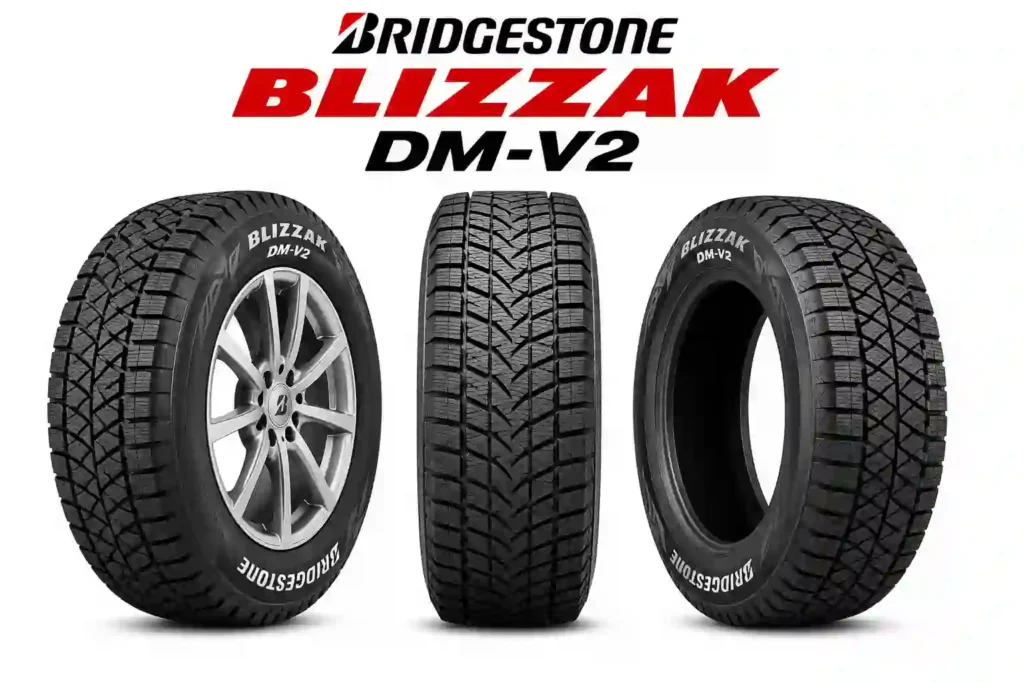
The Ultimate Winter Battle: Bridgestone Blizzak DM V2 vs Michelin X Ice
Winter driving can be scary without the right rubber. Both of these tires are built to keep you safe on icy streets. But they do it in very different ways.
Two Heavyweight Winter Contenders
The Blizzak is made for trucks and SUVs that need raw grip. It focuses on digging through snow and sticking to pure ice.
The Michelin is made for drivers who want a long tire life. It gives a smooth ride on cold, dry days while still fighting off black ice.
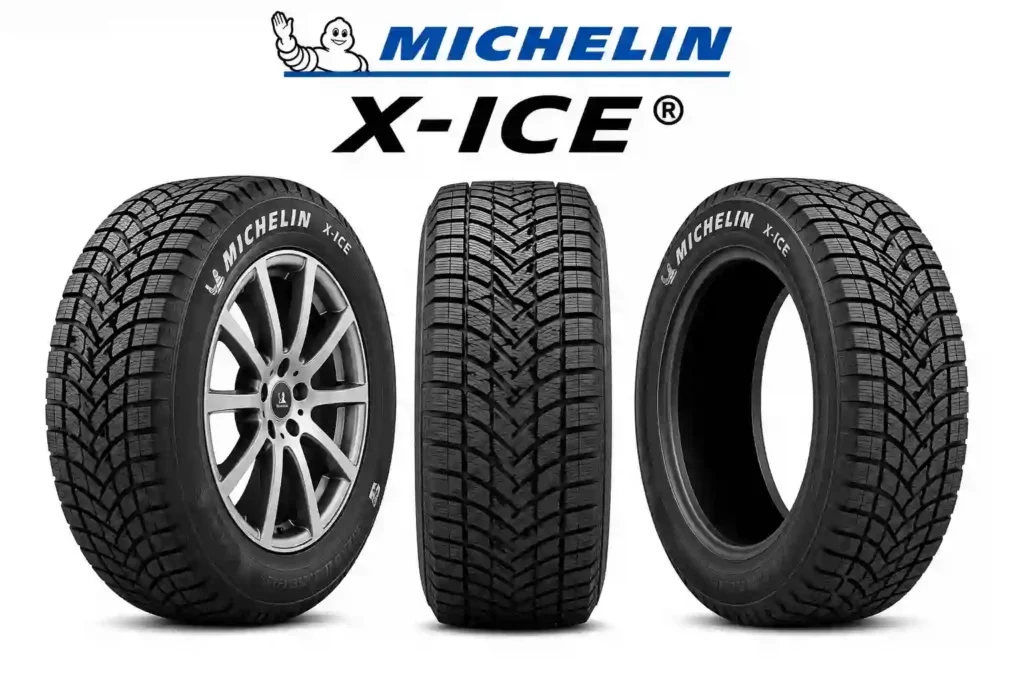
Quick Side-by-Side Spec Comparison
Before we dive deep, let us look at the hard numbers. This chart shows the core facts for each tire model.
| Feature | Bridgestone Blizzak DM-V2 | Michelin X-Ice |
| Tire Type | Light Truck / SUV Winter | SUV / Car Winter |
| Tread Warranty | None | 40,000 Miles |
| Rubber Type | Multi-Cell (spongy) | Flex-Ice (stiff) |
| Best For | Deep Snow and Ice | Cold Dry Roads and Ice |
As you can see, the Michelin brings a real mileage warranty. This is very rare for a true winter tire. The Bridgestone relies on a special top layer of rubber to win on ice.
Complete Overview of Both Winter Tires
Let us break down what makes each of these tires work. They use wild tech to keep your heavy truck planted on the road.
Bridgestone Blizzak DM-V2 Strengths
The Blizzak uses a sponge-like rubber that sucks up thin layers of water. This stops your truck from slipping on wet ice. It is an absolute beast in the deepest snowbanks.
Michelin X-Ice Strengths
The Michelin X-Ice uses a stiff rubber block design. This gives it a long life and a smooth ride on clear roads. It bites hard into hard-packed snow without squirming around.
Deep Snow Traction and Slush Clearing
Driving through thick slush requires deep grooves. Both tires handle the white stuff well, but one is a clear winner.
Plowing Through the Deep Stuff
Here is how they score when the snow gets deep. We look at raw grip, slush clearing, and forward bite.
| Snow Condition | Blizzak DM-V2 Score | Michelin X-Ice Score |
| Deep Powder | 10 / 10 | 8 / 10 |
| Heavy Slush | 9 / 10 | 8 / 10 |
| Hard-Pack Snow | 9 / 10 | 9 / 10 |
The Blizzak takes the crown here. Its wide gaps spit out thick slush very fast. The Michelin is great, but its tighter blocks can pack up in wet, heavy snow.
Real-World Slush Scenarios
When I took the Blizzak through a foot of fresh powder, it felt like a tank. It just digs down and pulls the truck forward. The Michelin needed a bit more gas pedal to keep moving through the deep mounds.
Black Ice Performance and Stopping Distance
Black ice is the scariest part of winter driving. You need rubber that acts like thousands of tiny claws on a frozen road.
How They Stop on Pure Ice
Let us look at how quickly they can stop your truck on a frozen lake. This is a true matter of life and death.
| Ice Test | Blizzak DM-V2 | Michelin X-Ice |
| Black Ice Grip | Excellent | Great |
| Wet Ice Braking | Best in Class | Very Good |
| Ice Cornering | Very Stable | Stable |
Bridgestone uses a Multi-Cell compound, which means the rubber has tiny air bubbles. These bubbles act like small suction cups on wet ice. It pulls the water away so the rubber can grab the hard ice.
Why The Blizzak Won on Ice
“If you live where black ice is common, buy the Blizzak. It stops a heavy SUV much shorter on pure glare ice than anything else in its class.”
The Michelin X-Ice still grips the ice very well. It uses hundreds of tiny slits, called sipes, to grab the slippery surface. Sipes are thin cuts in the block that open up to bite the road. But it takes just a bit longer to stop completely.
Cold-Dry Pavement Handling and Cornering
Most winter driving actually happens on cold, dry roads. A good snow tire still needs to steer well when the plows have cleared the street.
Steering Feel and Daily Driving
The Michelin totally shines here. Its tread blocks lock together during sharp turns. This makes your SUV feel stable and perfectly planted at highway speeds.
Avoiding the Blizzak Squish
The Blizzak feels a bit mushy on dry roads. The super soft rubber flexes a lot when you take a corner fast. If you drive mostly on dry, cleared highways, you will hate how the Blizzak steers.
Wet Performance During Winter Thaws
When the snow melts, the roads turn into a wet mess. Your tires must cut through the deep puddles without floating away.
Stopping on Wet Roads
Here is how they stack up when the rain washes the snow away. Wet grip is a big deal for winter safety.
| Wet Condition | Blizzak DM-V2 | Michelin X-Ice |
| Heavy Rain Grip | Good | Excellent |
| Hydroplane Resist | Very Good | Excellent |
| Wet Braking | Average | Fast |
The Michelin cuts through standing water like a boat hull. Its V-shaped tread pattern forces heavy rain out the sides of the tire fast. This keeps the rubber touching the road.
Hydroplaning Safety Check
I have driven the Michelin through huge highway puddles at 60 mph. It never once felt like it was going to float. The Bridgestone handles rain fine, but the steering feels much less sharp in the wet.
Road Noise Levels for Winter Rubber
Winter tires are known for being loud. Let us see how much noise these two make inside your quiet cabin.
Cabin Quietness and NVH
Noise, Vibration, and Harshness (NVH) matter a lot on long trips. You do not want a tire that hums loudly for hours.
| Comfort Area | Blizzak DM-V2 | Michelin X-Ice |
| Highway Hum | Noticeable | Very Quiet |
| Bump Shock | Soft | Firm but Smooth |
| Tread Growl | Medium | Low |
Michelin made the X-Ice to be nearly as quiet as a normal summer tire. The ride is smooth, and it eats up small bumps softly. You can actually hear your radio clearly.
Dealing With Bridgestone Drone
The Blizzak has a very bold tread block pattern. Because of this, it hums a bit when you drive over 50 mph. It is not terrible, but you will hear a faint drone in the background.
Tread Life and Seasonal Durability
Snow tires wear out fast if you drive them on warm days. You want your money to last as many long winters as possible.
Mileage Ratings and Wear
Let us compare how long these tires will actually stay on your truck. This is where the gap between them gets huge.
| Wear Feature | Blizzak DM-V2 | Michelin X-Ice |
| Tread Warranty | None | 40,000 Miles |
| Rubber Hardness | Very Soft | Medium-Stiff |
| Expected Seasons | 3 to 4 | 4 to 6 |
Michelin offers a huge 40,000-mile treadwear warranty. Their rubber just does not wear down quickly on dry roads. This is a massive win for drivers who rack up daily miles.
The Bridgestone Wear Problem
“Never leave your Blizzaks on past March. Once the weather hits 50 degrees, that soft ice compound melts away on the highway like butter on a hot pan.”
The Blizzak has a big catch. That magic ice-gripping rubber is only on the top 55% of the tire tread. Once that top half wears off, it becomes just a standard, average snow tire.
Price vs Winter Safety Value Breakdown
We need to look at the upfront cost versus how often you must buy new ones. Cheap right now might mean very expensive later on.
Calculating the Long-Term Cost
Let us look at the real value of these two models over five full years of driving.
| Value Metric | Blizzak DM-V2 | Michelin X-Ice |
| Upfront Price | Lower | Higher |
| Cost Per Mile | Higher | Lower |
| Overall Value | Good | Excellent |
The Michelin costs a bit more cash on day one at the shop. But because it lasts for extra seasons, it is much cheaper in the long run.
Who Should AVOID Each Tire
Avoid the Michelin if you live on a dirt road that gets three feet of thick, unplowed snow. Skip the Blizzak if you drive 80 miles on a clear, dry highway every single day for work.
Comprehensive Pros and Cons List
Let us sum up everything into a simple list. This will help you see the good and the bad parts clearly.
Bridgestone Blizzak Pros and Cons
The Blizzak is the absolute king of deep snow and pure ice. But it wears out fast. It also feels mushy and vague on dry pavement.
Michelin X-Ice Pros and Cons
The X-Ice lasts forever and drives like a dream on clear roads. But it lacks that ultimate deep-snow tank feeling. It can get packed with heavy, wet slush.
Which Tire Is Better for Severe Winter?
If I have to drive through a raging blizzard, I want the Blizzak. Its soft rubber and wide gaps pull you through almost anything nature throws down.
The Ultimate Ice Pick
For pure black ice, the Bridgestone saves you from sliding off the road. Those tiny air bubbles in the rubber are like magic on a frozen city street. It is the safest choice for severe cold.
Final Verdict: Bridgestone Blizzak DM-V2 vs Michelin X-Ice
Your final choice depends entirely on your local plow trucks. If your roads stay covered in deep snow all winter, get the Bridgestone Blizzak DM-V2.