
Bridgestone Blizzak 6 vs Michelin X-Ice Snow: Which Wins?

As a former tire shop manager, I have tested dozens of winter tires. When things get icy, two names always come up. In the fight between the Bridgestone Blizzak 6 vs Michelin X-Ice Snow, there is a clear split. The Blizzak 6 offers superior bite on raw ice, but the Michelin lasts longer and rides smoother on dry roads.
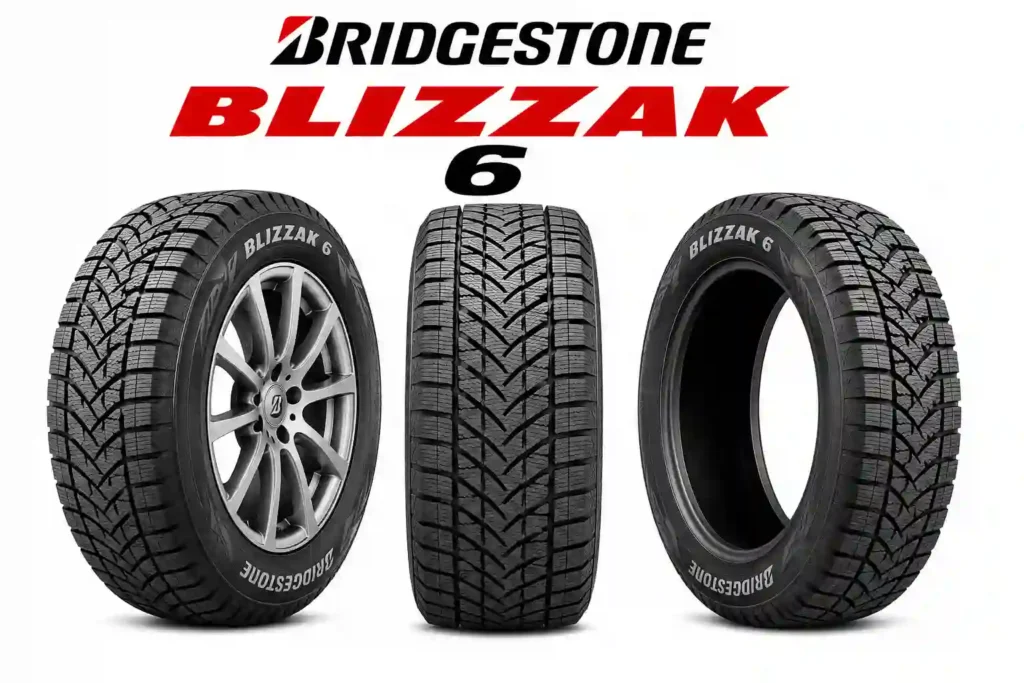
The Ultimate Winter Battle: Bridgestone Blizzak 6 vs Michelin X-Ice Snow
Choosing a winter tire is a big deal. Your safety depends entirely on your tires. Both of these tires are top-tier choices for cold weather. They both have the severe snow rating.
Why Picking the Right Snow Tire Matters
Winter driving brings many hazards. You will face snow, ice, and freezing rain. A good tire keeps your car out of the ditch. It gives you the confidence to drive safely.
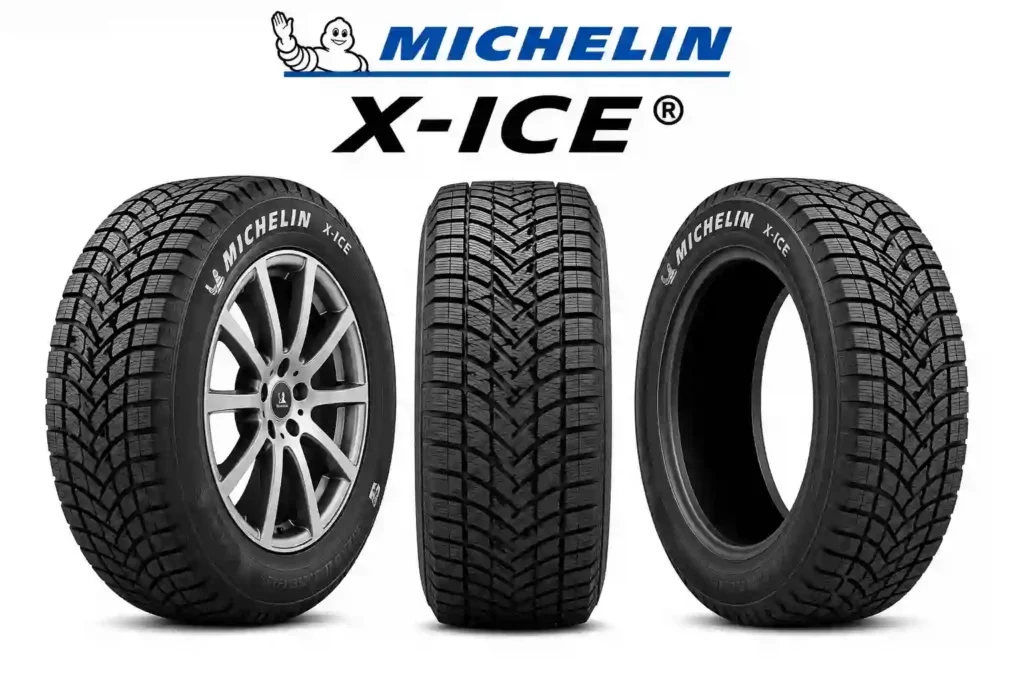
Quick Side-by-Side Spec Comparison
Looking at the basic specs helps you understand these tires. They take different paths to reach the same goal. Let us see how they stack up on paper.
| Feature | Bridgestone Blizzak 6 | Michelin X-Ice Snow |
| Tire Type | Studless Winter | Studless Winter |
| Best For | Extreme Ice and Slush | Long Tread Life and Snow |
| Mileage Warranty | None | 40,000 Miles |
| Rubber Type | Multi-Cell Foam Compound | Flex-Ice 2.0 Silica Mix |
The table above shows a huge difference in warranties. Michelin backs its tire with a long mileage guarantee. Bridgestone relies purely on its famous grip.
Complete Overview of Both Winter Tires
These are not cheap budget tires. They are premium tools for harsh winters. Each brand spent years designing their tread patterns. Let us look at what makes each one special.
Bridgestone Blizzak 6 Overview
Bridgestone is famous for its Blizzak line. The new version brings even more bite. It uses tiny pores in the rubber to act like sponges. This sucks up water on top of the ice.
Michelin X-Ice Snow Overview
Michelin takes a different approach. The X-Ice Snow focuses on lasting a long time. The rubber stays soft even as the tire wears down. This means safe driving for many seasons.
Deep Snow Traction and Slush Clearing
When a blizzard hits, you need to plow through deep snow. Both tires feature deep grooves. These grooves toss snow and slush out of the way.
| Snow Feature | Bridgestone Blizzak 6 | Michelin X-Ice Snow |
| Deep Snow Grip | 9.5 out of 10 | 9.0 out of 10 |
| Slush Clearing | 9.0 out of 10 | 8.5 out of 10 |
| Tread Block Size | Large and Aggressive | V-Shaped and Sweeping |
Bridgestone takes a slight win in very deep snow. Its chunky blocks act like tiny shovels. The Michelin is still great, but it shines brighter on packed snow.
Real-World Slush and Snow Scenarios
During my time running the tire shop, I drove many customer cars. One morning, I took a Blizzak-equipped truck through a foot of unplowed slush. The tire simply chewed through it without slipping once.
Black Ice Performance and Stopping Distance
Ice is the scariest part of winter driving. You cannot always see black ice. You need a tire that grabs the frozen road instantly.
| Ice Performance | Bridgestone Blizzak 6 | Michelin X-Ice Snow |
| Ice Braking | 10 out of 10 | 9.0 out of 10 |
| Ice Cornering | 9.5 out of 10 | 8.5 out of 10 |
| Siping Density | Very High | High |
The Blizzak is the king of ice. The table shows its clear advantage. It stops shorter and turns sharper on frozen lakes than the Michelin.
Why the Blizzak 6 Won on Ice
Here is the exact reason it won. Bridgestone uses a special multi-cell rubber mix. It acts like a dry sponge. It wipes the thin layer of water off the ice, letting the rubber grip the hard surface.
Cold-Dry Pavement Handling and Cornering
You will not always drive on snow. Most winter days just feature cold, dry roads. Your winter tire still needs to steer well.
| Dry Handling | Bridgestone Blizzak 6 | Michelin X-Ice Snow |
| Steering Feel | Soft and Squishy | Firm and Direct |
| Highway Stability | Average | Excellent |
| Cornering Grip | Good | Very Good |
Michelin wins the dry road battle easily. The tire feels much more like a normal summer tire. It does not feel loose or mushy at highway speeds.
Who Should Avoid These Winter Tires?
Skip the Blizzak 6 if you drive 80 miles on dry highways daily. The soft rubber will wear out very fast. You will hate how bouncy it feels at high speeds.
Wet Performance During Winter Thaws
Winter weather changes fast. A snowy morning can melt into a rainy afternoon. Your tires must resist hydroplaning. Hydroplaning is when your tire floats on a puddle of water.
Managing Heavy Rain and Puddles
Both tires do well in the rain. They use deep V-shaped grooves. These channels force water out from under the contact patch. The contact patch is the part of the rubber touching the road.
Braking Confidence in Freezing Conditions
Stopping fast prevents crashes. Cold rubber gets hard like a hockey puck. Both of these tires stay soft when the temperature drops below freezing.
“A good winter tire does not just help you go. It helps you stop before you hit the car in front of you. Braking is everything.”
Sudden Stops at Intersections
The Bridgestone bites harder when you slam the brakes. Its high number of sipes helps. Sipes are tiny zig-zag slits cut into the rubber blocks. They open up and grab the road surface.
Highway Handling and Steering Response
Winter tires often feel wobbly. The tall, soft tread blocks bend when you turn the wheel. Michelin worked hard to fix this issue.
Lane Changes at High Speeds
I once drove a long highway trip on a set of Michelin X-Ice Snows. The steering felt tight and safe. When I changed lanes at 70 mph, the car did not sway or feel nervous.
Road Noise Levels for Winter Rubber
Winter tires are usually loud. The big tread blocks slap the pavement. This causes a humming noise in the cabin.
| Comfort Area | Bridgestone Blizzak 6 | Michelin X-Ice Snow |
| Road Noise | Noticeable Hum | Very Quiet |
| Bump Absorption | Soft and Smooth | Firm but Smooth |
| Highway Drone | Moderate | Low |
If you want a quiet ride, pick the Michelin. The table shows it clearly beats the Bridgestone in noise levels. Michelin uses a smart tread pattern to cancel out sound waves.
Cabin Quietness During Daily Drives
The Blizzak 6 is not terribly loud, but you will hear it. It has a dull hum at freeway speeds. The Michelin is so quiet you might forget it is a snow tire.
Tread Life and Seasonal Durability
Tread life is how long the tire lasts before it is bald. Winter tires wear out faster than normal tires. The soft rubber simply scrubs away on dry roads.
| Wear Factor | Bridgestone Blizzak 6 | Michelin X-Ice Snow |
| Mileage Warranty | None | 40,000 Miles |
| Tread Life Expectancy | 3 to 4 Seasons | 4 to 6 Seasons |
| Even Wear Design | Average | Excellent |
Michelin dominates the tread life category. The 40,000-mile warranty is very rare for a winter tire. The Blizzak will wear out much faster on dry roads.
Understanding Rubber Wear and Value
Bridgestone uses its special ice rubber only on the top 55% of the tire. Once that wears off, it becomes a basic snow tire. The Michelin keeps its same rubber mix all the way down to the bottom.
Price vs Winter Safety Value Breakdown
You have to pay for quality. Both of these tires are expensive. However, you must weigh the upfront cost against how long they last.
| Value Metric | Bridgestone Blizzak 6 | Michelin X-Ice Snow |
| Upfront Cost | Premium Price | Premium Price (Slightly Higher) |
| Cost Per Mile | Higher | Lower |
| Overall Value | Great for Safety | Great for Long Term |
The Michelin costs a little more at the shop. But because it lasts longer, it is cheaper over time. The Blizzak is an investment in pure, raw safety for harsh climates.
Is the Michelin Premium Worth It?
Yes, the Michelin is worth the extra cash if you drive a lot. If you live in a place with mostly dry, cold roads, buy the Michelin. It will outlast the Blizzak by a year or two.
Comprehensive Pros and Cons List
It helps to see the good and the bad all in one spot. Neither tire is perfect. They both force you to make a compromise.
Bridgestone Blizzak 6 Highs and Lows
The best thing about the Blizzak is the ice grip. It is unmatched. The worst thing is the fast tread wear and the squishy steering feel.
Michelin X-Ice Snow Highs and Lows
The best thing about the Michelin is its long life and quiet ride. The worst part is the slight loss of raw ice grip. It also costs a bit more up front.
Which Tire Is Better for Severe Winter?
If you live in the deep north, ice is a daily threat. You need the tire that grabs the hardest. For absolute severe winter weather, the Blizzak is the winner.
“Always buy tires for the worst weather you will face, not the average weather. You only need ice grip once to save your life.”
The Ideal Driver for Each Tire
Buy the Blizzak if you live in a rural area with unplowed roads. Buy the Michelin if you commute on plowed city highways. Pick the tire that matches your daily route.
Final Verdict: Bridgestone Blizzak 6 vs Michelin X-Ice Snow
The battle between the Bridgestone Blizzak 6 vs Michelin X-Ice Snow is close. The Blizzak 6 wins for pure ice and snow traction. The Michelin X-Ice Snow wins for tread life, noise, and dry handling.