BMW X4 vs X6: 6 Shocking Comparisons

Contents
- 1 BMW X4 vs X6: Size Matters – More Than You Think
- 2 Styling: The Coupe vs. The Larger Coupe
- 3 Performance and Powertrains: A Tale of Two Engines (and More)
- 4 Interior Luxury and Technology: Shared DNA, Different Execution
- 5 Pricing and Value: The Cost of Size and Prestige
- 6 Target Audience: Who Are They For?
- 7 Driving Experience: Sporty Agility vs. Potent Presence
- 8 Pro Tips
- 9 Frequently Asked Questions (FAQs)
- 10 Conclusion: Your Stylish SAV Awaits

Dashboard Polish

Octane Booster

Microfiber Car Cleaning Cloth

Car LED Headlight Bulb
BMW X4 vs X6: 6 Shocking Comparisons You Can’t Miss
When you’re looking for a luxury SUV with a sporty flair, the BMW X4 and X6 often come to mind. But what truly sets them apart? Discover the surprising differences in size, performance, and features that make the BMW X4 vs X6 a fascinating comparison for any driver. Let’s dive into six key distinctions that might just shock you.
Key Takeaways
Compare dimensions to understand interior and cargo space differences.
Evaluate performance for a driving experience tailored to your needs.
Examine styling cues to appreciate each model’s unique aesthetic.
Consider pricing and value to make an informed financial decision.
Assess technology and features for modern convenience and luxury.
Understand target demographics to see who each SAV is best for.
Choosing between two premium vehicles from the same manufacturer can be a delightful challenge, especially when they share a similar design philosophy. The BMW X4 and X6 are both Sports Activity Vehicles (SAVs) that blend SUV practicality with coupe-like styling. They promise a dynamic driving experience and a touch of luxury. However, as you explore these compelling options, you might find yourself wondering about the specific differences. Which one offers more space? Which one feels sportier on the road? We’re here to break down the BMW X4 vs X6 in six surprising ways, helping you navigate the nuances of these exceptional vehicles. Get ready to uncover what makes each stand out.
BMW X4 vs X6: Size Matters – More Than You Think
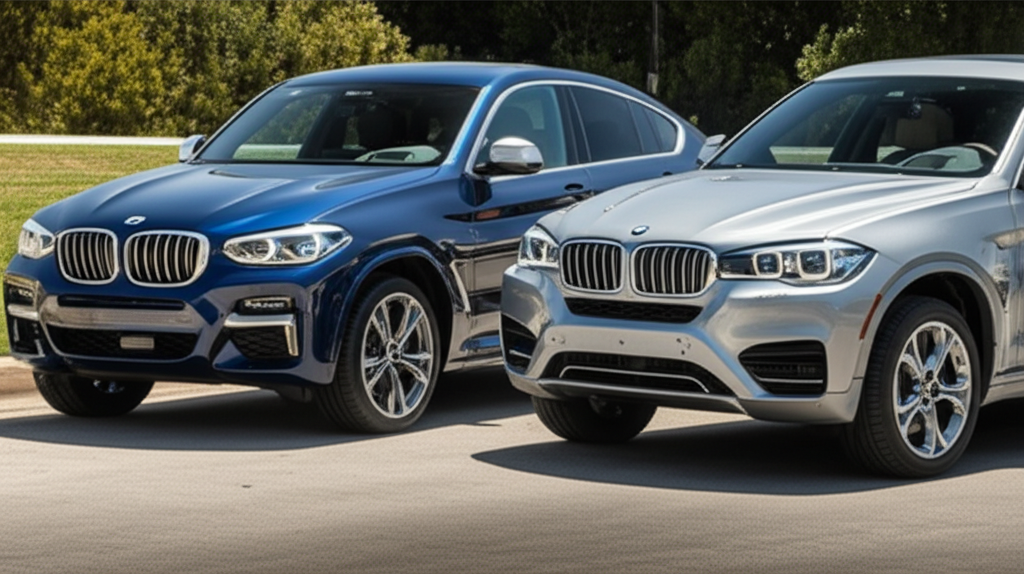
The most apparent difference between the BMW X4 and X6 is their sheer size. While both fall under BMW’s SAV umbrella with their sloping rooflines, the X6 is fundamentally a larger vehicle, positioned as a more imposing presence on the road. This difference in dimensions translates directly into interior space, cargo capacity, and even exterior presence.
The BMW X6 is a significantly larger vehicle across the board. This extra footprint contributes to a more commanding road presence and, crucially, more interior volume.
Here’s a detailed look at their general dimensions. Please note that exact figures can vary slightly depending on the model year and specific trim level:
| Dimension | BMW X4 (Approximate) | BMW X6 (Approximate) |
|---|---|---|
| Length | 187.5 inches | 194.4 inches |
| Width | 75.4 inches | 78.9 inches |
| Height | 63.5 inches | 66.9 inches |
| Wheelbase | 112.4 inches | 117.1 inches |
| Front Headroom | 39.1 inches | 39.3 inches |
| Rear Headroom | 37.2 inches | 35.7 inches |
| Front Legroom | 40.7 inches | 40.4 inches |
| Rear Legroom | 35.5 inches | 34.6 inches |
| Cargo Volume (Rear Seats Up) | 18.5 cubic feet | 27.4 cubic feet |
| Cargo Volume (Rear Seats Down) | 49.4 cubic feet | 59.6 cubic feet |
As you can see, the X6 offers more width and height, contributing to a more spacious cabin, especially for passengers. The wheelbase difference also plays a role in ride comfort and stability. The most striking disparity for many will be the cargo capacity. The X6 provides a substantial advantage in both rear-seat-up and rear-seat-down configurations, making it the more practical choice for hauling luggage, sports equipment, or groceries for a larger family.
Despite the X4’s more coupé-like silhouette, its rear headroom is surprisingly competitive, though the X6 offers slightly more in the front. However, the sloping roofline of both vehicles inherently compromises rear headroom compared to their more traditionally shaped SUV counterparts like the BMW X3 or X5. If maximum passenger comfort in the rear is paramount, especially for taller individuals, the marginally more headroom in the X6’s front might be appealing, but the X4 still offers a respectable amount for its class.
The Shocking Truth About Rear Seat Space
While the X6 offers more overall cargo room, the X4’s rear headroom is surprisingly close to the X6’s, a testament to clever interior design. However, the X6’s extra width and length result in a more generous feel for rear passengers, particularly in terms of shoulder room. This is a key differentiator: the X6 is designed to be a more comfortable, albeit still stylishly compromised, passenger vehicle in the rear compared to the X4. The difference in cargo space (27.4 cu ft vs. 18.5 cu ft with seats up) is a significant factor for those who prioritize utility.
Styling: The Coupe vs. The Larger Coupe
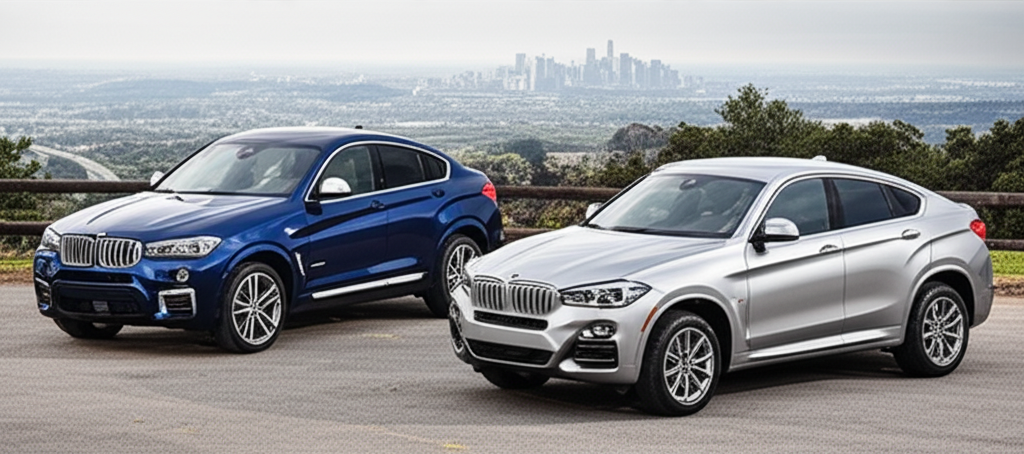
The design language of the X4 and X6 is what initially draws many buyers in. Both vehicles showcase BMW’s signature kidney grille, aggressive front fascias, and the defining sloping roofline that sets them apart from their X3 and X5 siblings. The “shocking” part isn’t that they look different, but how their shared design cues are applied to their different scales.
The BMW X4 adopts a sportier, more athletic stance, akin to a scaled-down X6. Its proportions are more compact, giving it a nimble and agile appearance. The lines are sharp, and the overall impression is one of a sporty crossover that’s ready for action. It feels like a heightened, more aggressive version of the X3.
The BMW X6, on the other hand, is the original “coupe-SUV.” It carries the same design philosophy but on a larger canvas. This results in a more imposing and luxurious presence. The proportions are grander, the curves more pronounced, and the overall effect is one of significant road authority and opulence. It’s a statement piece that commands attention.
Key Design Elements and Their Impact:
- Front Fascia: Both feature the iconic BMW kidney grille, but the X6’s is naturally larger, contributing to its bolder face.
- Side Profile: The hallmark sloping roofline is present in both. However, on the X6, it creates a more dramatic, sweeping silhouette. The X4’s is more contained, appearing sportier and less elongated.
- Rear End: The X6’s rear is wider and features a more pronounced spoiler integrated into the bodywork. The X4’s rear is more compact, with sharper design elements that accentuate its width.
- Wheel Options: Both offer a range of impressive alloy wheels, but the X6 typically offers larger diameter options as standard or optional, further emphasizing its larger scale and premium positioning.
The choice between the two often comes down to personal preference regarding presence. Do you want a vehicle that looks dynamic and sporty but remains relatively compact, or do you prefer a larger, more dominant vehicle that makes a bolder statement? The X4 feels more like a lifted, sporty car, while the X6 feels like a luxury yacht on wheels.
Performance and Powertrains: A Tale of Two Engines (and More)
While both the X4 and X6 deliver the renowned BMW driving dynamics, the powertrain options and their ultimate performance figures can be quite different, leading to another surprising comparison. The X6, being the larger and more premium offering, often comes with more potent standard engines and offers higher-tier performance variants that the X4 might not match.
| Engine Type | BMW X4 (Typical Base/Optional) | BMW X6 (Typical Base/Optional) |
|---|---|---|
| Base Engine | 2.0L Turbocharged 4-Cylinder (e.g., xDrive30i) | 3.0L Turbocharged Inline-6 (e.g., xDrive40i) |
| Horsepower (Base) | ~248 hp | ~335 hp |
| Torque (Base) | ~258 lb-ft | ~331 lb-ft |
| Optional/Performance Engine | 3.0L Turbocharged Inline-6 (e.g., M40i) | 4.4L Twin-Turbocharged V8 (e.g., M60i, X6 M) |
| Horsepower (Performance) | ~382 hp | ~523 hp (M60i) / ~617 hp (X6 M) |
| Transmission | 8-Speed Automatic | 8-Speed Automatic |
| Drivetrain | xDrive (All-Wheel Drive) | xDrive (All-Wheel Drive) |
The first shockwave comes from the base engines. The X4 typically starts with a capable 2.0-liter four-cylinder, offering a good balance of performance and efficiency for its size. The X6, however, usually begins with a more robust 3.0-liter inline-six, providing a significant power and torque advantage right out of the gate. This means even the “standard” X6 offers a more exhilarating driving experience.
When you move up to the performance trims, the gap widens considerably. The X4 M40i is a potent performer with its inline-six. However, the X6 M and its M Performance variants (like the M60i) often feature larger, more powerful V8 engines, delivering supercar-level acceleration and handling for an SUV. This level of performance is simply not available in the X4 lineup, making the X6 a true performance flagship for those willing to pay for it.
Handling and Dynamics:
Despite the size difference, BMW’s engineering ensures both SAVs handle with remarkable agility. The X4, being lighter and more compact, can often feel more nimble and tossable through corners. It’s easier to maneuver in tight city streets and parking lots.
The X6, while larger, compensates with sophisticated suspension systems and wider stances, offering incredible stability and grip. It feels planted and powerful, especially at higher speeds. The larger footprint and potentially more advanced suspension options available on the X6 can contribute to a more refined and composed ride, particularly on highways.
Consider that a vehicle like the NHTSA lists safety ratings and recalls for these models, which often touch upon their dynamic capabilities and how they perform in various conditions. Understanding these aspects is key to appreciating the engineering behind each.
Inside, both the X4 and X6 benefit from BMW’s commitment to luxury, ergonomics, and cutting-edge technology. You’ll find high-quality materials, comfortable seating, and driver-focused cockpits in both. However, the X6, as the more premium model, generally offers a few more creature comforts, higher-grade materials, and more advanced optional features as standard or within easier reach.
The dashboard layouts are similar, with a prominent infotainment screen and the intuitive iDrive control system. Both vehicles support advanced driver-assistance systems, Apple CarPlay, Android Auto, and premium sound system options. The surprising element here is how closely the X4 mirrors the X6’s premium feel, making it an excellent value proposition if you don’t need the absolute top-tier luxury.
Where the X6 Pulls Ahead:
- Material Quality: While both use premium materials, the X6 often presents more options for higher-grade leathers (like Merino), richer wood trims, and more opulent finishes.
- Optional Features: Certain features might be standard on higher X6 trims or available as options that are less common or unavailable on the X4. This can include things like advanced climate control, enhanced ambient lighting packages, or more sophisticated seat adjustability.
- Sound Insulation: The X6’s larger size and potentially more robust construction can contribute to superior sound insulation, offering a quieter and more serene cabin experience.
- Passenger Comfort Features: For rear passengers, the X6 might offer more amenities like dedicated climate zones or enhanced power adjustments, reflecting its role as a more luxurious transporter.
The X4, however, is no slouch. It often comes with features like heated seats, a power liftgate, and a user-friendly touchscreen that rivals many luxury competitors. Its technology suite is typically very comprehensive, ensuring you stay connected and entertained.
The core BMW experience – the intuitive infotainment system, the excellent driving position, and the overall build quality – is strong in both models. The X6 simply amplifies it, offering a more indulgent environment. For many drivers, the X4’s interior will be more than sufficient to meet their luxury and tech expectations.
Pricing and Value: The Cost of Size and Prestige
This is often where the “shocking” comparison truly hits home for budget-conscious luxury buyers. The BMW X6 is positioned significantly higher in the BMW lineup than the X4, and its price tag reflects that. This difference in cost is substantial and is a major factor in deciding which SAV is right for you.
| Model | Approximate Starting MSRP (New) | Target Buyer |
|---|---|---|
| BMW X4 | $50,000 – $60,000+ | Drivers seeking sporty styling, agile handling, and luxury in a more compact and affordable package. |
| BMW X6 | $75,000 – $95,000+ | Buyers prioritizing size, commanding presence, higher performance, and ultimate luxury without the need for a traditional SUV’s practicality. |
The X4 offers a more accessible entry point into BMW’s coupe-SUV segment. You get much of the styling and driving dynamics that define the X6, but at a considerably lower price. This makes it a more practical choice for a wider range of buyers who desire the BMW brand and the unique SAV silhouette without the top-tier financial commitment.
The X6 commands a premium for its larger size, more powerful standard engines, more opulent available features, and its status as a more exclusive model. If you’re looking at the X6, you’re likely seeking the pinnacle of BMW’s coupe-SUV offerings and are prepared for the associated cost. The value for money is subjective; the X4 offers more “bang for your buck” in terms of features-to-price ratio, while the X6 offers more prestige, size, and performance for its higher investment.
When considering a used model, the depreciation curves will also differ. Older X6 models might become more attainable, but maintenance costs can remain high. For the latest information on vehicle pricing and incentives in the U.S., the U.S. Department of Energy’s FuelEconomy.gov site, while focused on fuel efficiency, often links to resources that discuss overall vehicle ownership costs, which can be indirectly relevant.
Target Audience: Who Are They For?
Understanding who BMW designs these vehicles for can be the most revealing comparison of all. While both cater to those who appreciate style and performance over pure utility, their target demographics have distinct nuances.
The BMW X4 is typically aimed at:
- Younger professionals or couples who desire a stylish, sporty vehicle.
- Drivers who appreciate BMW’s driving dynamics but find the X3 too conventional.
- Individuals or small families who prioritize style and a dynamic driving experience over maximum cargo and passenger space.
- Buyers looking for a premium SAV at a more attainable price point within the segment.
The BMW X6 is generally targeted towards:
- Affluent individuals or families who want a bold, prestigious presence on the road.
- Drivers who seek top-tier performance and luxury and are less concerned with budget constraints.
- Those who desire the commanding view and size of an SUV but prefer the sleeker lines of a coupe.
- Buyers who want to make a statement with their vehicle, signifying success and a taste for exclusive design.
It’s interesting to consider that while both blur the lines between SUV and coupe, the X4 leans more towards a sporty, youthful appeal, whereas the X6 embodies a grander, more luxurious, and attention-grabbing persona.
Driving Experience: Sporty Agility vs. Potent Presence
The driving experience is where the engineering prowess of BMW truly shines in both the X4 and X6. However, the differences in size, weight, and often powertrain options lead to distinct feelings behind the wheel.
The BMW X4 offers a driving experience that feels more akin to a sporty sedan or a hot hatch on stilts. Its more compact dimensions and lighter weight contribute to excellent agility. When you turn the steering wheel, it responds with enthusiasm, encouraging you to take on winding roads. The ride can be a bit firmer, especially in sportier trims, emphasizing its connection to the road and driver engagement. It’s the perfect vehicle for drivers who love to feel connected to what the car is doing and enjoy spirited driving.
The BMW X6 provides a more potent and commanding presence. While it can still handle corners with impressive grip and composure, its larger size means it feels less nimble than the X4. Instead, the experience is characterized by effortless power delivery, especially with the more powerful engine options. The ride is often more refined and stable, particularly at highway speeds, offering a luxurious cruising experience. It feels substantial, planted, and powerful, making long journeys comfortable and exhilarating. It’s less about tossability and more about assertive, smooth power.
Key Aspects of the Driving Feel:
- Nimbleness: The X4 generally feels more agile and easier to maneuver in tight spaces.
- Power Delivery: The X6, often starting with a stronger base engine and offering V8 options, provides a more dramatic surge of acceleration.
- Ride Comfort: The X6, due to its size and potential for more advanced suspension setups, often offers a more refined and isolated ride.
- Road Feel: The X4 might offer a more direct connection to the road, while the X6 prioritizes a smooth, powerful, and stable sensation.
Ultimately, the “better” driving experience depends on your priorities. If you crave a sporty, engaging, and agile drive in a stylish package, the X4 is likely your pick. If you desire effortless power, a commanding presence, and a luxurious, stable ride for longer journeys, the X6 takes the crown. Both deliver the quintessential BMW driving pleasure, but they express it through different characters.
Pro Tips
Pro Tip: When test driving both the X4 and X6, pay close attention to rearward visibility. The sloping rooflines, while stylish, can impede your view. Consider opting for models with advanced parking sensors and cameras to enhance safety and convenience.
Frequently Asked Questions (FAQs)
Is the BMW X4 or X6 more practical for families?
The BMW X6 is generally more practical for families due to its larger size, offering significantly more cargo space and a more spacious cabin for rear passengers. While the X4 is stylish and capable, its reduced dimensions can limit practicality for those needing to transport multiple passengers or a lot of gear regularly.
Which BMW SAV is better on gas: X4 or X6?
The BMW X4 typically offers better fuel economy. Its smaller size and often base engine options (like the 4-cylinder) are more efficient than the X6’s larger, more powerful standard engines (like the inline-6) and optional V8s. Always check specific model year MPG ratings for the most accurate comparison.
Can a BMW X6 fit in standard parking spots?
Yes, the BMW X6 can fit into standard parking spots, but its larger dimensions require a bit more room to maneuver compared to a smaller vehicle like the X4. Its width, in particular, means you’ll want to be mindful of adjacent vehicles.
Which is the sportier driving experience, X4 or X6?
The BMW X4 generally offers a sportier and more agile driving experience due to its smaller size and lighter weight. It feels more nimble and responsive in corners. The X6 provides a potent and stable performance, but its larger footprint means it feels less tossable and more like a powerful, planted cruiser.
Are the technology features the same in both BMW X4 and X6?
Both vehicles benefit from BMW’s excellent iDrive infotainment system and advanced driver assistance features. However, the X6, as the more premium model, may offer certain higher-end optional technologies or feature more luxurious interior tech amenities as standard than the X4.
Which model holds its value better, the X4 or X6?
Historically, luxury vehicles like the X4 and X6 depreciate over time. The X4, being more accessible and having a broader appeal, might see slightly more stable depreciation for its price bracket. The X6, with its higher initial cost and more exclusive positioning, can also hold value well, but its higher operating costs (fuel, maintenance) can be a factor for resale.
Conclusion: Your Stylish SAV Awaits
Navigating the differences between the BMW X4 and X6 reveals that while they share a common lineage and a passion for sporty luxury, they cater to distinct desires. The X4 presents a compelling package for those seeking dynamic performance and head-turning coupe-SUV style in a more approachable, agile, and affordable form. It’s the spirited younger sibling, always ready for an adventure.
The X6, conversely, is the commanding elder statesman. It offers a grander presence, more potent performance options, and a more opulent interior, making a bold statement about luxury and power. It’s for the driver who wants to experience the ultimate expression of the coupe-SUV concept, with all the prestige and capability that entails.
Your choice boils down to your priorities: size, budget, desired level of performance, and the specific kind of presence you want to project. Whether you lean towards the agile X4 or the imposing X6, you’re choosing a vehicle that embodies BMW’s engineering excellence and commitment to driving pleasure. Happy driving!