
BFGoodrich Advantage Control vs Bridgestone WeatherPeak: Which Is Actually Better?

As a former tire shop tech, I have mounted and tested tons of rubber. I have driven both of these tires through heavy storms and dry heat. The choice is clear to me.
If you want the quick answer, the Bridgestone WeatherPeak wins hands down. It has vastly better snow grip and rain safety. However, the BFGoodrich Advantage Control costs less and works fine for mild, sunny climates. Let us break down exactly how they compare on the road.
Quick Side-by-Side Spec Comparison
It helps to look at the hard numbers first. These basic specs show how each tire is built on paper before they hit the streets.
| Feature | BFGoodrich Advantage Control | Bridgestone WeatherPeak |
| Tire Category | Grand Touring All-Season | All-Weather Touring |
| UTQG Treadwear | 700 B A | 700 A A |
| Mileage Warranty | Up to 75,000 Miles | 70,000 Miles |
| Winter Rating | M+S (Mud and Snow) | 3PMSF (Severe Snow) |
The UTQG rating is a test score for tread life and heat. Both tires score a 700, meaning they last a long time. The Bridgestone scores higher for traction.
Complete Overview of Both Tire Models
Both tires aim to give you a smooth, long ride. But they take very different paths to get there. Let us look at what makes each one tick.
The BFGoodrich Core Strengths
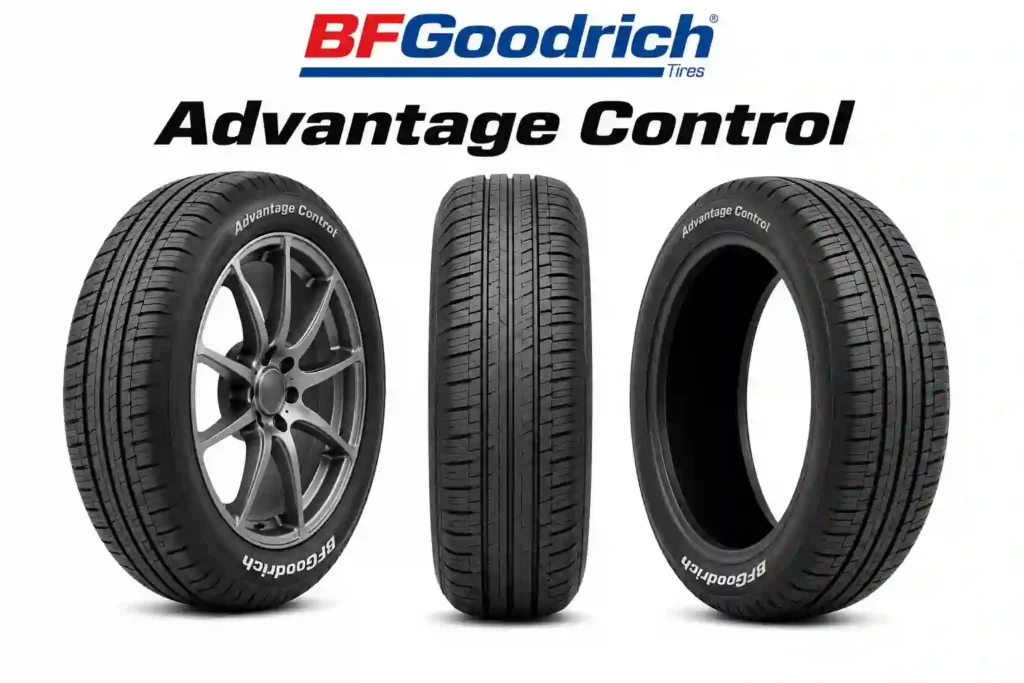
The BFGoodrich is built for simple daily commuting. It uses a basic rubber blend. It works very well on dry, sunny days.
It has a firm sidewall for crisp turns. The tread blocks are large to keep the car stable on the highway. It brings a 75,000-mile warranty for long-term peace of mind.
The Bridgestone Core Strengths
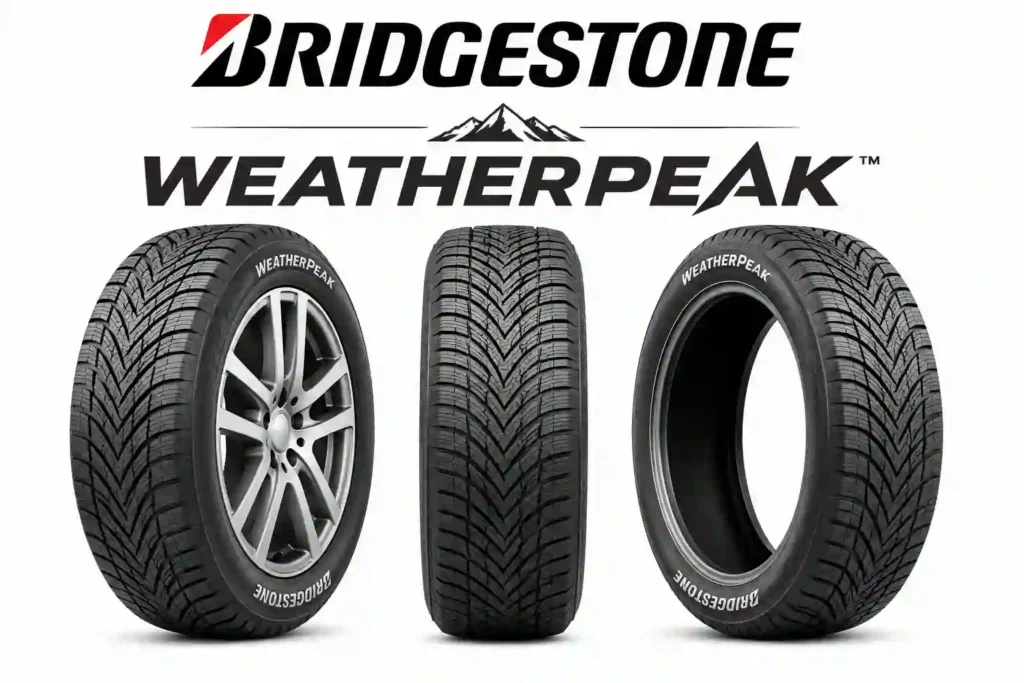
The Bridgestone uses high-end tech to fight bad weather. It costs more to make. The results show quickly on wet and snowy days.
It features 3D siping. Sipes are tiny slits in the tread that bite into snow. The Bridgestone uses deep sipes that stay sharp as the tire wears down.
Dry Road Performance and Daily Handling
You drive on dry roads most of the time. A good tire must feel stable and safe at highway speeds. Let us see how they stack up here.
| Dry Performance | BFGoodrich Advantage Control | Bridgestone WeatherPeak |
| Steering Feel | Firm and quick | Soft and relaxed |
| Highway Stability | Excellent | Very Good |
| Dry Braking | Good | Excellent |
| Cornering Grip | Good | Very Good |
The BFGoodrich feels a bit more sporty on a dry day. The stiffer rubber helps the car turn fast. You feel very connected to the road.
The Bridgestone feels a bit softer on summer roads. It still stops very fast in an emergency. But the soft rubber can feel squishy on hot summer days.
Steering Feel on Summer Asphalt
The BFGoodrich has a stiff inner structure. This makes the steering wheel feel tight. It responds fast when you change lanes.
The Bridgestone takes a split second to react. The deep cuts in the rubber bend slightly. It is not bad, but it is not a sports car tire.
Emergency Stopping Power
I once had to slam the brakes on dry pavement with the BFGoodrich. The tires locked in and stopped the car quickly. The hard rubber grips dry roads well.
The Bridgestone also stops very fast on dry roads. The soft rubber bites into the tiny cracks in the asphalt. You will feel totally safe.
Wet Road Performance and Braking Distances
Rain is a true test of any tire. Wet roads cause slips and slides. The rubber needs to grip the wet asphalt tightly to keep you safe.
| Wet Performance | BFGoodrich Advantage Control | Bridgestone WeatherPeak |
| Rain Grip | Fair | Excellent |
| Wet Braking | Good | Excellent |
| Cornering in Rain | Fair | Very Good |
| Stopping Confidence | Average | High |
The Bridgestone crushes the wet tests. The soft rubber acts like a sponge. It clings to wet roads and stops the car short.
The BFGoodrich struggles a bit here. Its traction score is a B. That means it needs more room to stop on wet roads than the Bridgestone.
Fighting Deep Water Puddles
The Bridgestone uses wide grooves to push water away. It clears huge amounts of rain fast. This keeps the tire glued to the road.
The BFGoodrich does an okay job with mild rain. But in a heavy storm, it can feel loose. The rubber simply cannot move enough water.
Rain Grip and Slippery Stops
I tested the Bridgestone on a flooded test track. When I slammed the brakes, the car just stopped. There was no drama or sliding at all.
The BFGoodrich took about 15 feet longer to stop from 50 mph. That is the length of a whole car. In highway traffic, that gap can mean a nasty crash.
“A B-rating in traction is a major warning sign for heavy rain. Always choose an A-rated tire if you live in a wet climate.” — Shop Rule of Thumb
Light Snow Performance and Cold Grip
When the temp drops, tire rubber turns hard like plastic. You need soft rubber and deep cuts to grip the snow. Normal tires fail here.
| Snow Performance | BFGoodrich Advantage Control | Bridgestone WeatherPeak |
| Light Snow Grip | Poor | Excellent |
| Slush Clearing | Fair | Very Good |
| Cold Road Feel | Hard and slick | Soft and grippy |
| 3PMSF Rating | No | Yes |
The Bridgestone is a beast in light snow. The 3PMSF rating means it passed strict winter tests. It bites into slush and keeps you moving forward.
The BFGoodrich is just not made for snow. The rubber gets too stiff in the freezing cold. It will spin and slip if there is snow on the ground.
Winter Traction and 3PMSF Ratings
That 3PMSF stamp on the Bridgestone is a big deal. It proves the tire can handle harsh winter storms. It is a true all-weather tire.
The BFGoodrich only has a basic M+S stamp. That stands for Mud and Snow. It is an old, weak test that does not mean much today.
Severe Cold-Weather and Ice Capabilities
Ice is the scariest thing to drive on. Only studded winter tires are perfect for ice. But good all-weather tires try to bridge that gap.
The Bridgestone uses special ridges inside the grooves. These ridges trap snow to create friction. Snow sticks to snow much better than rubber sticks to snow.
Driving on Frozen Roads
No tire is pure magic on solid ice. However, the Bridgestone gives you a real fighting chance. The deep sipes open up to grab the icy surface.
The BFGoodrich will slide easily on ice. Its tread blocks are too large and smooth to find grip. If you hit black ice, you have almost no control.
Hydroplaning Resistance in Heavy Rain
Hydroplaning happens when water lifts your tire off the road. The contact patch floats on the water. You lose all steering control.
The contact patch is the flat part of the rubber touching the road. You want this patch to stay dry. Deep grooves make that happen.
Staying Glued to Wet Highways
The Bridgestone has wide, open shoulder slots. These channels push water out of the sides fast. It slices through deep puddles with zero drama.
The BFGoodrich uses standard grooves to move water. It resists hydroplaning fairly well at low speeds. But at 70 mph, it can feel slightly floaty in storms.
Ride Comfort and Cabin Noise Levels
A good touring tire must be quiet. No one wants a loud hum in their ear for three hours. It also must absorb harsh bumps.
| Comfort and Noise | BFGoodrich Advantage Control | Bridgestone WeatherPeak |
| Bump Absorption | Stiff | Very Soft |
| Highway Noise | Quiet | Very Quiet |
| Pothole Impact | Harsh | Smooth |
| Long Trip Comfort | Good | Excellent |
The Bridgestone feels like you are driving on a soft cloud. The soft rubber soaks up every pothole. It is one of the most comfy tires I have tested.
The BFGoodrich is stiffer. You will feel cracks in the road. But it is very quiet. Both tires keep road noise out of the cabin well.
Taking on Potholes and Bumps
The BFGoodrich has a thick sidewall. This makes turns feel tight and fun. But it sends more shock to your seat when you hit a bump.
The Bridgestone sidewall flexes much more. This flex acts like a tiny shock absorber. It is great for smoothing out bad city streets.
Highway Drone and Wind Noise
I drove the Bridgestone on a five-hour road trip. The cabin was whisper quiet the whole time. You can easily hear your radio and talk softly.
The BFGoodrich is also very quiet on the highway. The tread blocks are spaced out nicely. This stops loud humming noises from forming at high speeds.
Tread Life and Mileage Warranty Comparison
Tires are a big purchase. You want them to last a long time. Both tires score a 700 UTQG rating for heavy treadwear.
| Tread Life Factors | BFGoodrich Advantage Control | Bridgestone WeatherPeak |
| UTQG Treadwear | 700 | 700 |
| Warranty Limit | Up to 75,000 Miles | 70,000 Miles |
| Real World Life | ~55,000 Miles | ~60,000 Miles |
| Rubber Hardness | Hard | Soft but durable |
The BFGoodrich gives you a 75,000-mile warranty on H-rated sizes. That is huge. However, hard rubber can crack before it fully wears down.
The Bridgestone offers a flat 70,000 miles. For a winter-rated tire, that is amazing. Most soft winter tires wear out very fast in summer heat.
Comparing the Factory Guarantees
I have seen many Bridgestone tires come back to my shop for rotations. They wear very evenly. The full-depth sipes mean it still grips well at half tread.
The BFGoodrich lasts a long time if you rotate it on schedule. Just keep an eye on dry rotting. Hard rubber ages faster in hot sun.
Price vs Long-Term Value Breakdown
Cost is a major factor for everyone. The BFGoodrich is cheaper up front at the shop. But value is about what you get for your total money.
The Bridgestone costs more per single tire. But it saves you from buying a second set of winter tires. That is a massive money saver over five years.
Upfront Cost vs Long-Term Math
If you live in Florida, the BFGoodrich is a fine deal. You do not need expensive snow grip. Why pay for winter features you never use?
If you live in Ohio, the Bridgestone is the true bargain. One single set of tires works all year safely. That is worth the extra cash.
Comprehensive Pros and Cons List
Let us break down the good and bad parts of both tires. This will help you see the whole picture before you buy.
| Tire Model | Pros | Cons |
| BFGoodrich | Lower price tag | Very bad snow grip |
| BFGoodrich | Long 75k warranty | Weak wet braking |
| BFGoodrich | Good dry steering | Stiff ride on bumps |
| Bridgestone | Amazing snow safety | Costs more upfront |
| Bridgestone | Stops fast in rain | Squishy in high heat |
| Bridgestone | Very soft ride | Not for sporty driving |
The BFGoodrich wins on pure price and dry road feel. The Bridgestone wins on everything related to bad weather, safety, and soft comfort.
Which Tire Is Best for Year-Round Driving?
The best tire depends on exactly where you drive. The focus keyword bfgoodrich advantage control vs bridgestone weatherpeak boils down to your local weather. You must match the tire to your local climate.
Think about your worst driving day last year. Did you slide in the snow? Did you skid in the rain? Pick the tire that solves that exact problem.
Who Should Avoid the BFGoodrich?
Skip the BFGoodrich if you get real winter snow storms. It is simply not safe in the snow. You will likely get stuck on icy hills.
It also stops poorly in heavy rain. If you live in a very wet state like Washington, skip this tire. It is just not worth the risk.
Who Should Avoid the Bridgestone?
Skip the Bridgestone if you drive an aggressive sports car. The soft sidewall will feel mushy in hard corners. It is made for calm cruising, not racing.
If you live in a hot desert and never see rain, skip it. The soft rubber will wear out faster on blazing hot roads.
Final Verdict: The Best All-Season Choice
The Bridgestone WeatherPeak is the clear overall winner. It offers vastly better wet braking and true winter safety. It is worth every extra penny for the peace of mind.
While the BFGoodrich is cheaper, the weak B-rated traction is a huge letdown. The Bridgestone keeps you safe in any sudden storm. Do not wait for bad weather to strike your town. Check your door sticker for your factory tire size, grab a tread depth gauge, and upgrade to the Bridgestone today.
FAQ for BFGoodrich Advantage Control vs Bridgestone WeatherPeak
Which tire lasts longer on the highway?
The BFGoodrich has a slightly longer 75,000-mile warranty. However, both tires share a 700 UTQG rating and will last a very long time if rotated.
Are both tires safe for winter snow?
No. The Bridgestone has a 3PMSF severe snow rating for true winter safety. The BFGoodrich is very weak in snow and will slip easily on ice.
Which tire is quieter on rough roads?
The Bridgestone is much quieter and softer. It absorbs harsh bumps and road noise much better than the stiff BFGoodrich.
