
BFGoodrich Advantage Control vs Bridgestone Alenza AS Ultra

As a former tire shop manager, I have driven both of these models in heavy rain and dry heat. The Bridgestone wins for quiet comfort and longer life on large SUVs. The BFGoodrich is the better choice for everyday sedans on a tight budget.
Choosing between them comes down to what you drive and how much you want to spend today. Both are great for daily trips, but they serve very different drivers.
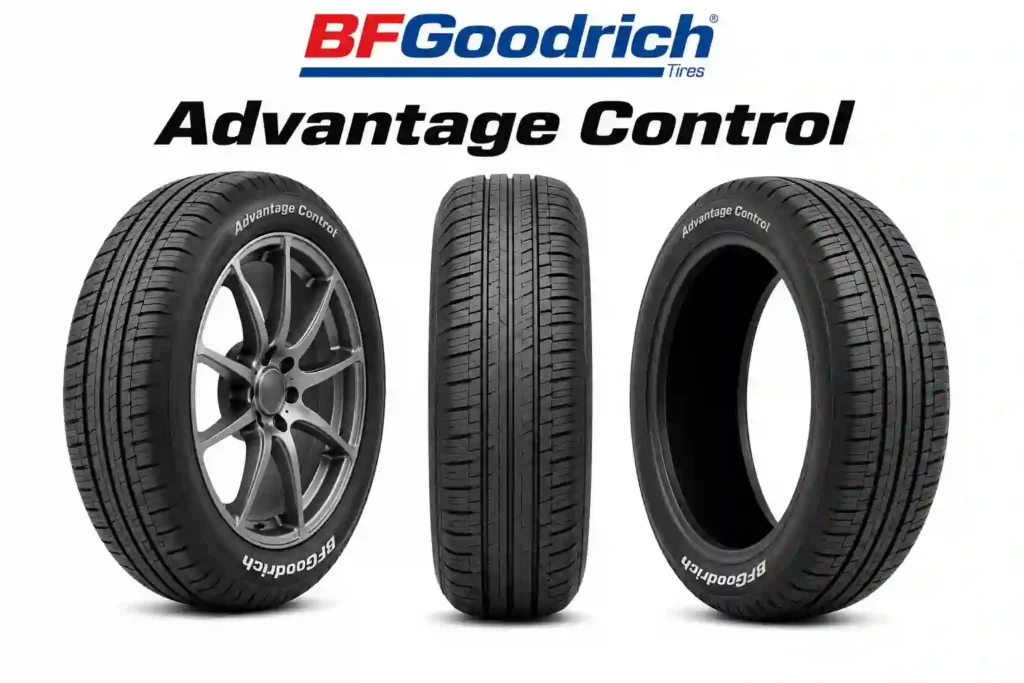
The True Core Difference
Bridgestone built the Alenza mainly for heavy SUVs and large crossovers. It uses thick rubber to absorb bad roads and carry heavy weight.
BFGoodrich made the Advantage Control for smaller cars and light SUVs. It feels more sporty on the road but does not last quite as long.
Quick Side-by-Side Spec Comparison
Let us look at the hard facts for both tires side by side. This simple table breaks down the main numbers you need to know.
| Feature | BFGoodrich Advantage Control | Bridgestone Alenza AS Ultra |
| Warranty | 65,000 to 75,000 Miles | 80,000 Miles |
| UTQG Rating | 700 B A | 800 A B |
| Tire Class | Grand Touring All-Season | Crossover/SUV Touring |
| Best For | Cars, Sedans, Small CUVs | Mid-Size to Large SUVs |
| Top Strength | Wet Braking on a Budget | Quiet Ride & Long Life |
The UTQG rating tells you how long the tread will last on the road. The Bridgestone scores a massive 800, which means it will easily outlast the BFGoodrich.
“A high UTQG score like 800 is rare. It tells you the rubber is tough. But remember, tough rubber can sometimes feel slightly stiff on a very light car.”
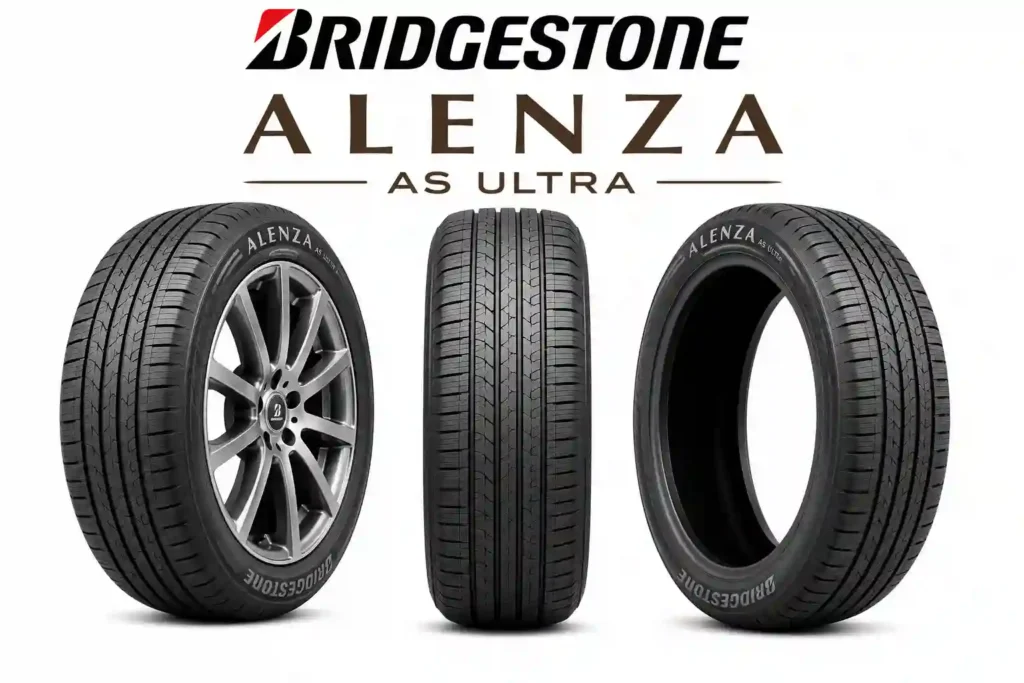
Complete Overview of Both Tire Models
These two tires sit at different ends of the price scale. They use very different design plans to keep you safe on the highway.
Let us look closely at what makes each tire unique.
The BFGoodrich Design Path
The Advantage Control uses curved grooves to push water away fast. This smart shape helps stop your car much shorter in sudden rain.
It also uses special side walls that flex less in sharp turns. This gives drivers a firm, safe feel when taking fast corners.
The Bridgestone Focus Point
Bridgestone focused deeply on making the Alenza Ultra extremely quiet. They use a special noise-canceling tread pattern called QuietTrack.
This high-tech rubber also features extra silica. Silica is a compound that helps the tire grip wet roads without getting hard.
Dry Road Performance and Daily Handling
On warm, dry days, both tires roll smooth and straight. They both handle standard highway driving with ease and safety.
However, if you like taking tight turns, one tire feels much better.
Cornering and Quick Turns
The BFGoodrich responds faster when you turn the steering wheel. Its firmer shoulders grip the dry road well and keep the car flat.
The Bridgestone feels a bit slower to steer in tight corners. It was made to cruise in a straight line, not to race around sharp bends.
Dry Braking Distances
Here is how they perform when you slam on the brakes on dry pavement.
| Dry Condition | BFGoodrich Advantage Control | Bridgestone Alenza AS Ultra |
| 60 mph to 0 mph | Very Good | Excellent |
| Pedal Feel | Firm | Smooth |
| High-Speed Sway | Minimal | None |
| Takeoff Grip | Strong | Strong |
The Bridgestone stops heavy trucks with less drama and shaking. The BFGoodrich is very good, but it can squeal slightly under hard braking.
Wet Road Performance and Braking Distances
Rain is where a good tire truly proves its hidden worth. Both models use deep grooves to clear out water quickly and grip the road.
I once drove the BFGoodrich through a heavy storm on the highway. I felt perfectly safe, but the Bridgestone offers even more stopping power.
Stopping on Slick Asphalt
The Bridgestone uses more silica in its rubber mix. This sticky material acts like tiny suction cups on wet roads.
If you have to stop fast in the rain, the Bridgestone wins easily. It stops heavy SUVs several feet shorter than the BFGoodrich.
Who Should Avoid The BFGoodrich in Rain?
If you drive a very heavy truck, the BFGoodrich might slide slightly. It simply lacks the stiff blocks to push the water down under heavy weight.
It works great on lighter sedans, but big SUVs need the Bridgestone rubber.
Light Snow Performance and Cold Grip
All-season tires can handle a light dusting of thin snow. Do not expect them to act like true winter tires in a blizzard, though.
Both tires do fairly well in cold weather if you drive slowly.
Navigating Slush and Flurries
The Bridgestone Alenza bites into slush very well on cold days. The tread blocks have tiny zigzag slits called sipes that pinch the snow.
The BFGoodrich also has good siping, but the rubber gets slightly stiffer in the cold. It spins a bit more when you start moving from a red light.
Cold Weather Flex
Here is how the rubber acts when the temperature drops below freezing.
| Snow Metric | BFGoodrich Advantage Control | Bridgestone Alenza AS Ultra |
| Light Snow Grip | Good | Very Good |
| Ice Traction | Fair | Good |
| Cold Rubber Feel | Stiffens slightly | Stays soft |
| Slush Clearing | Fast | Very Fast |
The Bridgestone stays softer in the freezing cold. Soft rubber grips the ice much better than hard, frozen rubber.
Severe Cold-Weather and Ice Capabilities
If you face deep snow or thick black ice, neither tire is perfect. They are not built for harsh, freezing blizzards.
You must drive slow and leave plenty of room to stop your car.
Handling Black Ice
Black ice will cause both tires to slip if you drive too fast. The Bridgestone gives you a slight edge because of the extra sipes.
I always tell my customers to buy real winter tires if they live far north. These all-season tires are strictly meant for mild winter days.
Deep Snow Struggles
If the snow hits five inches, the BFGoodrich will likely get stuck. Its tread gets packed with white snow very quickly.
The Bridgestone can paddle through a bit more wet snow. However, it will still struggle hard on a steep, icy hill.
Hydroplaning Resistance in Heavy Rain
Hydroplaning happens when a tire floats on top of deep water. You lose all steering control when this scary floating effect occurs.
Both tires fight this floating effect using deep vertical grooves.
Deep Puddle Safety
The BFGoodrich uses a smart tech called Aqua-Flume. It shoots the water out of the sides of the tire very fast.
When I hit a huge puddle in the BFGoodrich, the steering wheel barely twitched. It cuts through deep water beautifully.
Highway Rain Cruising
The Bridgestone handles deep highway puddles just as well. Its wide tracks swallow the deep water and push it out the back.
You can cruise safely at speed with either tire in heavy rain.
Ride Comfort and Cabin Noise Levels
If you drive a lot, you want a quiet tire for your commute. Loud tires can give you a bad headache on long road trips.
This is the biggest difference between these two rubber models.
Highway Humming and Noise
The Bridgestone Alenza AS Ultra is wildly quiet on the highway. The QuietTrack tread design actually cancels out loud road noise as it spins.
The BFGoodrich is quiet enough for normal daily driving. But at seventy miles per hour, you will hear a faint hum.
Bump and Pothole Impact
Here is how they handle rough city streets and bad roads.
| Comfort Area | BFGoodrich Advantage Control | Bridgestone Alenza AS Ultra |
| Road Noise | Low | Extremely Low |
| Pothole Feel | Noticeable | Soft |
| Highway Ride | Smooth | Luxury Smooth |
| Vibration | Low | None |
The Bridgestone eats up deep potholes without sending a shock to the steering wheel. It truly feels like driving on a soft cloud.
“A stiff sidewall gives you great steering, but you feel every rock. Bridgestone found a way to make the sidewall soft for comfort without losing control.”
Tread Life and Mileage Warranty Comparison
Tires are costly, so you want them to last for many years. Tread life tells you how long until the tire is totally bald.
Both brands offer great guarantees to protect your wallet.
The BFGoodrich Lifespan
The Advantage Control gives you up to a 75,000-mile warranty. This is excellent for a mid-priced tire in this category.
If you rotate them often, they will easily last four or five years.
The Bridgestone Longevity
The Bridgestone promises an amazing 80,000 miles of driving. Its 800 UTQG rating proves the rubber is built for the long haul.
For heavy SUVs that wear out cheap tires fast, the Bridgestone is a wise pick.
Price vs Long-Term Value Breakdown
Price is often the final deciding factor for most drivers. One of these tires costs a lot more up front at the shop.
Let us see which one saves you more money in the end.
Upfront Cost vs Value
The BFGoodrich is much cheaper to buy today. You can often save a few hundred dollars on a full set.
The Bridgestone is a luxury premium tire with a high price tag.
Cost Per Mile
Here is a look at the real value over time.
| Value Metric | BFGoodrich Advantage Control | Bridgestone Alenza AS Ultra |
| Upfront Cost | Budget-Friendly | Premium Price |
| Warranty Life | 75,000 Miles | 80,000 Miles |
| Cost Per Mile | Very Low | Moderate |
| Fuel Saving | Average | Very Good |
If you plan to sell your car soon, buy the BFGoodrich. If you plan to keep your SUV forever, the Bridgestone pays for itself over time.
Comprehensive Pros and Cons List
Let us quickly sum up the good and bad parts of both tires.
No tire is perfectly flawless, so you must pick what matters to you most.
BFGoodrich Highlights
The biggest pro is the low price tag for great rain safety. The steering feels very sharp and fun on dry days.
The main con is the slight road noise on the fast highway. It also wears out much faster on very heavy SUVs.
Bridgestone Highlights
The biggest pro is the dead-quiet ride and extreme luxury comfort. It also lasts a very long time before wearing out.
The main con is the very high initial purchase price. It also feels a bit soft when you turn hard corners.
Which Tire Is Best for Year-Round Driving?
If you live where it rains a lot, both will keep you safely on the road.
Your final choice comes down to your specific car type.
The Clear SUV Winner
If you drive a heavy crossover or big SUV, buy the Bridgestone. It is strongly built to handle that heavy truck weight.
It will keep your family safe and your cabin perfectly quiet.
The Smart Sedan Winner
If you drive a light sedan, buy the BFGoodrich. It fits the smaller size and lower vehicle weight perfectly.
You will save a lot of money and still get great rain grip.
Final Verdict: BFGoodrich Advantage Control vs Bridgestone Alenza AS Ultra
The Bridgestone Alenza AS Ultra takes the win for overall luxury quality. It simply lasts longer and rides much smoother on the open highway.
However, the BFGoodrich Advantage Control is an amazing value for everyday sedan drivers. You will not find better wet traction for the low price.
Check your vehicle’s door placard to find your exact tire size today. Then, grab a cheap tread depth gauge to see if it is time to buy a fresh set.
FAQ for bfgoodrich advantage control vs bridgestone alenza as ultra
Is the Bridgestone Alenza better in snow?
Yes, the Bridgestone uses more sipes and softer rubber to grip light snow and ice much better than the BFGoodrich.
How long does the BFGoodrich Advantage Control last?
The BFGoodrich can last up to 75,000 miles if you rotate the tires on time and check your air pressure every single month.
Are Bridgestone Alenza tires loud on the highway?
No, they are highly rated for being extremely quiet. Bridgestone uses a special tread design that actively blocks out annoying road hum.
Which tire is cheaper to buy?
The BFGoodrich Advantage Control is much cheaper to buy. It is a great budget pick for safe daily driving on a lighter car.
