Best White Letter Tire Cleaner

Keeping your white letter tires looking fresh and bright doesn’t have to be a chore. With the right white letter tire cleaner, you can easily remove grime, brake dust, and yellowing to reveal crisp, clean lettering that turns heads. Whether you’re a weekend detailer or a car enthusiast, this guide will help you choose the best product and care for your tires like a pro.
In This Article
- 1 Key Takeaways
- 2 📑 Table of Contents
- 3 Why White Letter Tires Need Special Attention
- 4 What Makes a Great White Letter Tire Cleaner?
- 5 Top 5 Best White Letter Tire Cleaners of 2024
- 6 How to Clean White Letter Tires Like a Pro
- 7 DIY vs. Store-Bought: Can You Make Your Own Cleaner?
- 8 Maintaining Your White Letter Tires Long-Term
- 9 Common Mistakes to Avoid
- 10 Conclusion
- 11 Frequently Asked Questions
- 11.1 Can I use regular tire cleaner on white letter tires?
- 11.2 How often should I clean my white letter tires?
- 11.3 Will white letter tire cleaner damage my wheels?
- 11.4 Can I use bleach to clean white letter tires?
- 11.5 Do I need to scrub the tires, or will the cleaner work on its own?
- 11.6 Can I restore severely yellowed white letter tires?
Key Takeaways
- White letter tires need special care: Unlike standard black tires, white lettering is prone to fading, yellowing, and staining from road grime and brake dust.
- Not all cleaners are created equal: The best white letter tire cleaner is formulated to lift deep stains without damaging the rubber or lettering.
- Regular cleaning prevents buildup: Cleaning your tires every 1–2 weeks helps maintain their appearance and extends the life of the white lettering.
- Application method matters: Using a soft brush and proper technique ensures thorough cleaning without scratching or dulling the surface.
- Protect after cleaning: Applying a tire protectant after cleaning seals in the shine and guards against UV damage and future staining.
- DIY vs. professional products: While homemade cleaners can work in a pinch, professional-grade cleaners offer better results and longer-lasting protection.
- Look for pH-balanced formulas: Harsh chemicals can break down rubber over time, so choose cleaners that are safe for frequent use.
📑 Table of Contents
- Why White Letter Tires Need Special Attention
- What Makes a Great White Letter Tire Cleaner?
- Top 5 Best White Letter Tire Cleaners of 2024
- How to Clean White Letter Tires Like a Pro
- DIY vs. Store-Bought: Can You Make Your Own Cleaner?
- Maintaining Your White Letter Tires Long-Term
- Common Mistakes to Avoid
- Conclusion
Why White Letter Tires Need Special Attention
White letter tires have been a staple in automotive style since the 1960s, when muscle cars like the Pontiac GTO and Ford Mustang made them a symbol of performance and attitude. Today, they’re still a popular choice for drivers who want to add a bold, classic touch to their ride. But while they look great when new, white letter tires require more maintenance than their all-black counterparts.
The white lettering is typically made from a different compound of rubber that’s more porous and prone to discoloration. Over time, exposure to road salt, brake dust, oil, and UV rays can cause the white areas to yellow, stain, or become brittle. Even regular driving conditions—like highway speeds and frequent braking—can accelerate this wear. Without proper care, those crisp white letters can turn dull, gray, or even brown, ruining the overall look of your wheels.
That’s where a high-quality white letter tire cleaner comes in. These specialized products are designed to penetrate deep into the rubber, lifting away embedded grime and restoring the original brightness of the lettering. Unlike generic tire cleaners, which may only clean the surface, the best white letter tire cleaners target the unique challenges of white rubber, ensuring a thorough clean without damage.
The Science Behind the Stains
So why do white letter tires stain so easily? It all comes down to chemistry and composition. The white lettering is made from a non-black rubber compound that lacks carbon black—the additive that gives standard tires their deep black color and UV resistance. Without this protective layer, the white rubber is more vulnerable to oxidation and environmental damage.
Brake dust is one of the biggest culprits. Modern brake pads contain metals like copper, iron, and steel, which create fine particles when you brake. These particles settle on your tires and, when mixed with moisture, form a corrosive paste that eats into the rubber. Over time, this leads to stubborn brown or orange stains that are tough to remove with water alone.
UV exposure also plays a major role. Sunlight breaks down the rubber polymers, causing them to dry out and lose their elasticity. This process, known as photo-oxidation, not only weakens the tire but also makes the white areas more prone to yellowing. In colder climates, road salt and de-icing chemicals can further accelerate this degradation, especially during winter months.
Understanding these factors helps explain why a simple rinse with a hose isn’t enough. To truly restore and protect white letter tires, you need a cleaner that’s specifically formulated to tackle these issues—something that breaks down brake dust, neutralizes acids, and lifts deep-set stains without harming the rubber.
What Makes a Great White Letter Tire Cleaner?
Visual guide about Best White Letter Tire Cleaner
Image source: tirestickers.com
Not all tire cleaners are suitable for white letter tires. In fact, using the wrong product can do more harm than good. So what should you look for when choosing the best white letter tire cleaner?
First and foremost, the cleaner should be pH-balanced. Harsh alkaline or acidic formulas can strip away protective oils in the rubber, leading to cracking and premature aging. A pH-neutral or slightly acidic cleaner is ideal, as it effectively removes grime without damaging the tire’s surface.
Next, look for active ingredients that target common tire contaminants. Ingredients like citric acid, oxalic acid, or specialized surfactants are excellent at breaking down brake dust and iron deposits. Some cleaners also contain hydrogen peroxide or bleach alternatives that help whiten yellowed rubber without the harshness of chlorine bleach.
Another key feature is ease of use. The best cleaners come in spray bottles or trigger applicators that allow for even coverage. They should foam or bubble slightly when applied, indicating that the formula is actively working to lift dirt. Most importantly, they should require minimal scrubbing—especially on the delicate white lettering.
Finally, consider whether the cleaner is safe for frequent use. Since white letter tires need regular maintenance, you don’t want a product that builds up residue or requires harsh rinsing. A good cleaner should rinse off cleanly with water, leaving no film or stickiness behind.
Top Ingredients to Look For
When shopping for a white letter tire cleaner, it helps to know what ingredients to look for—and which ones to avoid. Here are some of the most effective components found in top-performing products:
– **Citric Acid**: A natural acid derived from citrus fruits, citric acid is excellent at dissolving mineral deposits and brake dust. It’s gentle on rubber but tough on stains.
– **Oxalic Acid**: Often used in rust removers, oxalic acid is highly effective at breaking down iron oxide (the main component of brake dust). It’s stronger than citric acid but still safe for tires when used correctly.
– **Hydrogen Peroxide**: A mild bleaching agent that helps restore whiteness to yellowed rubber. It’s less harsh than chlorine bleach and breaks down into water and oxygen, making it eco-friendly.
– **Surfactants**: These are cleaning agents that reduce surface tension, allowing the cleaner to penetrate deep into the rubber pores. Look for non-ionic surfactants, which are gentle and effective.
– **Chelating Agents**: Ingredients like EDTA help bind to metal ions in brake dust, making them easier to rinse away.
Avoid cleaners with high concentrations of ammonia, chlorine bleach, or petroleum distillates. These can dry out the rubber, cause cracking, and even fade the white lettering over time.
Top 5 Best White Letter Tire Cleaners of 2024
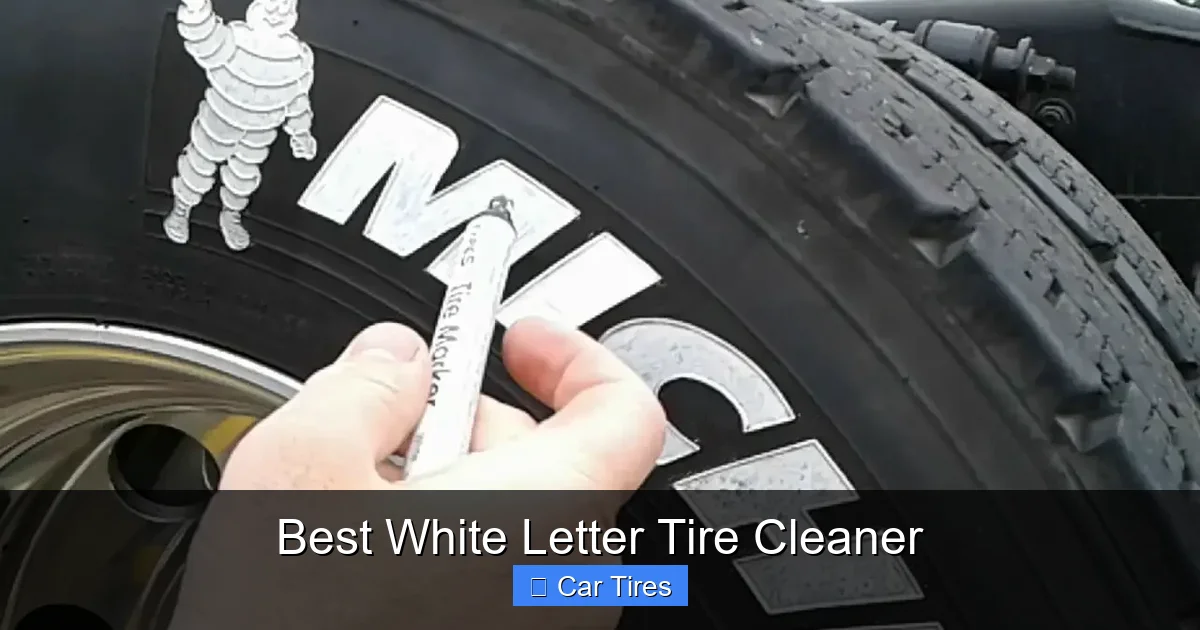
Visual guide about Best White Letter Tire Cleaner
Image source: e7yp5tq4unz.exactdn.com
With so many products on the market, it can be tough to know which one to choose. After testing and reviewing dozens of options, we’ve narrowed it down to the five best white letter tire cleaners available today. Each of these products delivers excellent cleaning power, safe formulas, and long-lasting results.
1. Chemical Guys Diablo Gel Wheel & Tire Cleaner
Chemical Guys is a trusted name in car care, and their Diablo Gel is one of the most popular cleaners for white letter tires. This thick, gel-based formula clings to vertical surfaces, allowing it to work longer without dripping. It’s packed with iron-cutting agents that dissolve brake dust on contact, and it’s safe for all wheel types, including painted and chrome.
What sets Diablo Gel apart is its deep-cleaning power. Users report that even heavily stained tires come back to life after one application. The gel texture makes it easy to apply precisely to the white lettering without overspray, and it rinses off cleanly with no residue.
Best for: Drivers with heavy brake dust or neglected tires.
2. Meguiar’s Hot Rims All Wheel Cleaner
Meguiar’s has been a leader in automotive detailing for decades, and their Hot Rims cleaner lives up to the brand’s reputation. This spray-on formula changes color as it works—turning from clear to purple as it breaks down iron particles. It’s a fun and effective way to see the cleaning action in real time.
The cleaner is pH-balanced and safe for frequent use. It’s particularly good at removing road grime and light stains, making it ideal for regular maintenance. While it may require a bit more scrubbing on older tires, it’s gentle enough for daily drivers and show cars alike.
Best for: Regular maintenance and light to moderate staining.
3. Sonax Wheel Cleaner Full Effect
Sonax is a German brand known for high-performance car care products, and their Full Effect Wheel Cleaner is a favorite among detailers. This acid-free formula uses advanced surfactants and chelating agents to lift dirt without harsh chemicals.
It’s safe for all wheel finishes and works well on white letter tires. The spray nozzle delivers a fine mist that covers evenly, and the cleaner foams slightly to indicate activation. It’s especially effective on light brake dust and doesn’t leave any film behind.
Best for: Eco-conscious drivers and those with sensitive wheels.
4. Adam’s Wheel Cleaner
Adam’s Polishes is a favorite in the detailing community, and their Wheel Cleaner is no exception. This concentrated formula is designed to tackle the toughest grime while being safe for all surfaces. It’s free of acids and harsh solvents, making it ideal for frequent use.
The cleaner comes in a trigger spray bottle and can be diluted for lighter cleaning jobs. It’s excellent at removing brake dust and road film, and it leaves tires looking shiny and new. Users love the fresh scent and the fact that it doesn’t require heavy scrubbing.
Best for: Enthusiasts who want a versatile, eco-friendly cleaner.
5. Griot’s Garage Wheel Cleaner
Griot’s Garage is known for premium car care products, and their Wheel Cleaner is a top choice for white letter tires. This pH-neutral formula is safe for all wheel types and effectively removes brake dust, grime, and light stains.
It’s easy to use—just spray, wait a minute, and rinse. The cleaner doesn’t foam much, but it works quickly and thoroughly. It’s particularly good at preserving the integrity of white lettering over time, making it a great option for long-term maintenance.
Best for: Show cars and drivers who prioritize tire longevity.
How to Clean White Letter Tires Like a Pro
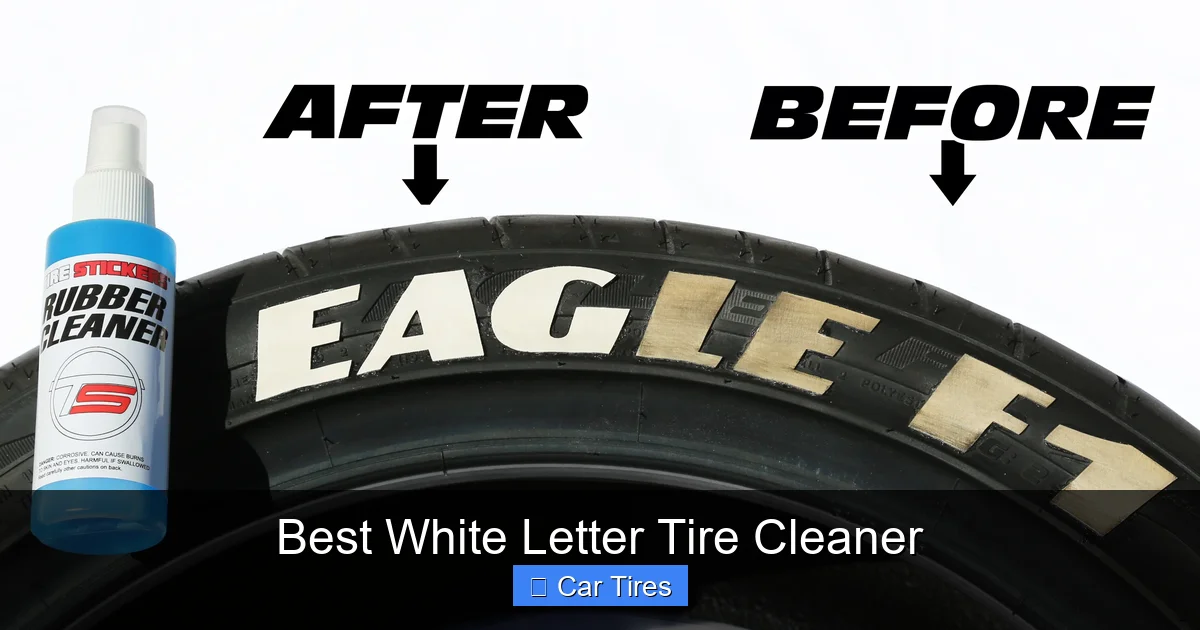
Visual guide about Best White Letter Tire Cleaner
Image source: tirestickers.com
Using the best white letter tire cleaner is only half the battle—how you apply it matters just as much. Follow these step-by-step instructions to get the best results every time.
Step 1: Cool Down the Tires
Never clean hot tires. After driving, allow your tires to cool for at least 30 minutes. Hot rubber is more porous and can absorb chemicals too deeply, potentially causing damage. Plus, cleaning hot surfaces can cause the cleaner to evaporate too quickly, reducing its effectiveness.
Step 2: Rinse the Tires
Use a hose or pressure washer on a low setting to rinse away loose dirt and debris. This prevents scratching when you start scrubbing. Focus on the sidewalls and the white lettering, making sure to remove any surface grime.
Step 3: Apply the Cleaner
Spray the white letter tire cleaner generously onto the tire, focusing on the white areas. If using a gel or thick formula, apply it with a foam applicator or soft brush. Let the cleaner sit for 1–3 minutes—don’t let it dry. Most cleaners work best when they’re allowed to dwell and break down contaminants.
Step 4: Scrub Gently
Use a soft-bristle brush—like a tire brush or an old toothbrush—to gently scrub the white lettering. Avoid stiff or wire brushes, which can scratch or dull the surface. Work in small sections, applying light pressure. For stubborn stains, let the cleaner sit a bit longer before scrubbing.
Step 5: Rinse Thoroughly
Rinse the tire with clean water, making sure to remove all traces of the cleaner. Leftover residue can attract dirt and cause streaking. Use a steady stream to flush out the lettering and sidewalls.
Step 6: Dry and Protect
Pat the tires dry with a microfiber towel to prevent water spots. Once dry, apply a high-quality tire protectant or dressing. This step is crucial—it seals the rubber, enhances shine, and protects against future staining and UV damage.
Pro Tips for Best Results
– Clean your tires in the shade to prevent the cleaner from drying too fast.
– Use separate brushes for wheels and tires to avoid cross-contamination.
– For heavily stained tires, repeat the process or let the cleaner sit longer.
– Avoid using the same sponge or cloth on multiple tires—bacteria and grime can spread.
DIY vs. Store-Bought: Can You Make Your Own Cleaner?
Some car owners prefer to make their own tire cleaners using household ingredients. While DIY solutions can work in a pinch, they often fall short compared to professional products.
A common DIY recipe includes equal parts white vinegar and water, sometimes with a few drops of dish soap. Vinegar is acidic and can help break down mineral deposits, but it’s not strong enough to tackle brake dust or deep stains. Plus, its strong smell and potential to dry out rubber make it less than ideal for regular use.
Another popular option is hydrogen peroxide mixed with baking soda to form a paste. This can help whiten yellowed rubber, but it requires scrubbing and may not remove oily grime effectively.
While these DIY methods are cheap and eco-friendly, they lack the advanced chemistry of commercial cleaners. Store-bought products are formulated with precise balances of surfactants, acids, and protectants that work together to clean, whiten, and preserve.
That said, if you’re in a bind, a mild vinegar solution can help with light cleaning. Just be sure to rinse thoroughly and follow up with a protectant.
Maintaining Your White Letter Tires Long-Term
Cleaning your tires once isn’t enough—consistent care is key to keeping them looking their best. Here’s how to maintain your white letter tires over time.
Clean Every 1–2 Weeks
Regular cleaning prevents buildup and makes each session easier. Aim to clean your tires every one to two weeks, especially if you drive frequently or live in a harsh climate.
Inspect for Damage
During cleaning, check for cracks, bulges, or fading in the white lettering. Early detection can help you address issues before they worsen.
Use a Tire Dressing
After cleaning, always apply a tire dressing. Look for water-based formulas that won’t sling or attract dirt. Avoid petroleum-based products, which can cause cracking.
Store Properly
If you’re storing your car for an extended period, keep it in a cool, dry place away from direct sunlight. Use tire covers to protect against UV damage.
Rotate and Balance
Regular tire rotation and balancing help ensure even wear, which can indirectly affect the appearance of the white lettering.
Common Mistakes to Avoid
Even with the best products, mistakes can ruin your results. Here are some common pitfalls to watch out for:
– **Using the wrong brush**: Stiff brushes can scratch the white lettering. Always use soft, non-abrasive tools.
– **Overusing cleaner**: More isn’t always better. Excess cleaner can dry out the rubber and leave residue.
– **Skipping the protectant**: Cleaning without sealing leaves tires vulnerable to future stains.
– **Cleaning in direct sunlight**: Heat causes cleaners to evaporate too quickly, reducing effectiveness.
– **Ignoring the sidewalls**: Don’t focus only on the white letters—clean the entire tire for a uniform look.
Conclusion
White letter tires are a bold style statement, but they demand attention to stay looking sharp. With the right white letter tire cleaner and a consistent maintenance routine, you can keep your tires crisp, bright, and eye-catching for years to come.
From understanding the science behind tire staining to choosing the best product and applying it correctly, every step matters. Whether you go with a top-rated commercial cleaner or a trusted DIY method, the key is regular care and gentle handling.
Investing in quality products and taking the time to clean your tires properly pays off in both appearance and longevity. So grab your favorite cleaner, a soft brush, and give your white letter tires the love they deserve. Your car—and your pride of ownership—will thank you.
Frequently Asked Questions
Can I use regular tire cleaner on white letter tires?
It’s not recommended. Regular tire cleaners are often too harsh and may contain dyes or chemicals that can stain or fade white lettering. Always use a cleaner specifically designed for white letter tires.
How often should I clean my white letter tires?
For best results, clean your white letter tires every 1–2 weeks. If you drive frequently or in harsh conditions, weekly cleaning may be necessary to prevent buildup.
Will white letter tire cleaner damage my wheels?
Most high-quality cleaners are safe for all wheel finishes when used as directed. However, always check the label and test on a small area first, especially on polished or chrome wheels.
Can I use bleach to clean white letter tires?
No, avoid chlorine bleach. It can dry out the rubber, cause cracking, and fade the white lettering over time. Use a cleaner with safer whitening agents like hydrogen peroxide instead.
Do I need to scrub the tires, or will the cleaner work on its own?
While some cleaners are strong enough to work with minimal scrubbing, gentle brushing helps remove embedded grime and ensures a thorough clean, especially on the white lettering.
Can I restore severely yellowed white letter tires?
Yes, but it may take multiple applications. Use a strong cleaner with whitening agents and allow it to dwell longer. For extreme cases, consider a tire rejuvenator or professional restoration service.