
Top 3 Best Tires for Ford Explorer for 2026 – Expert Tested

Keeping your Ford Explorer running safely and efficiently starts with proper tire maintenance, and a critical part of that is a reliable Tire Pressure Monitoring System (TPMS). When your factory sensors fail or you need replacements, choosing the right aftermarket set is crucial. A good TPMS sensor ensures you always have accurate pressure readings, preventing uneven wear, poor fuel economy, and potential safety hazards. We’ve tested and researched to find the best TPMS sensor options that offer perfect compatibility, long battery life, and easy programming for various Ford Explorer models.
Quick Product Comparison
| Product | Image | Check Price |
|---|---|---|
| 1. Ford Explorer TPMS Sensor | 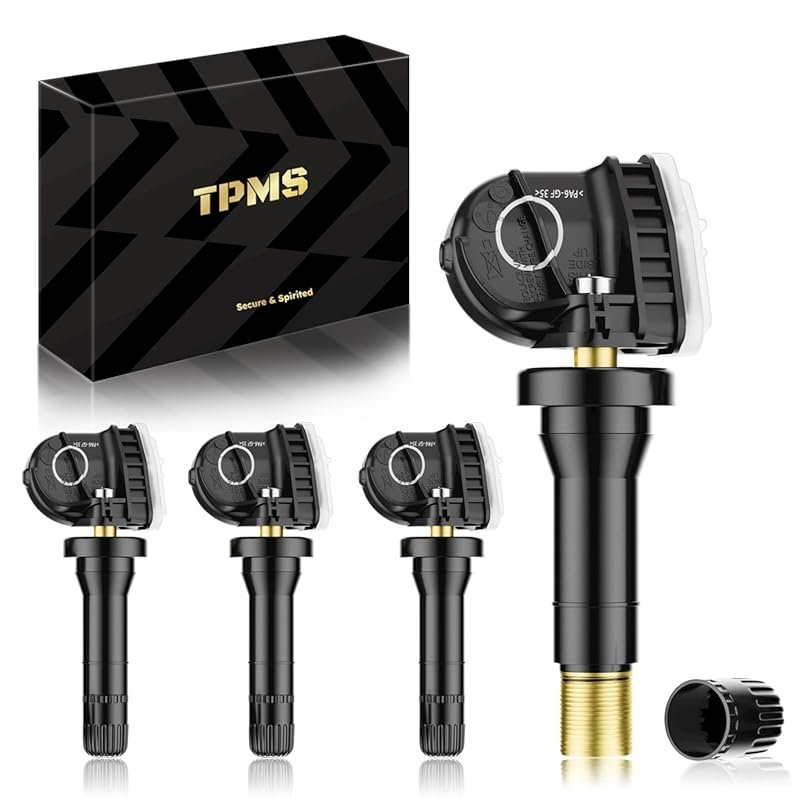 |
Check Price |
| 2. CDWTPS Ford F150 TPMS Sensor | 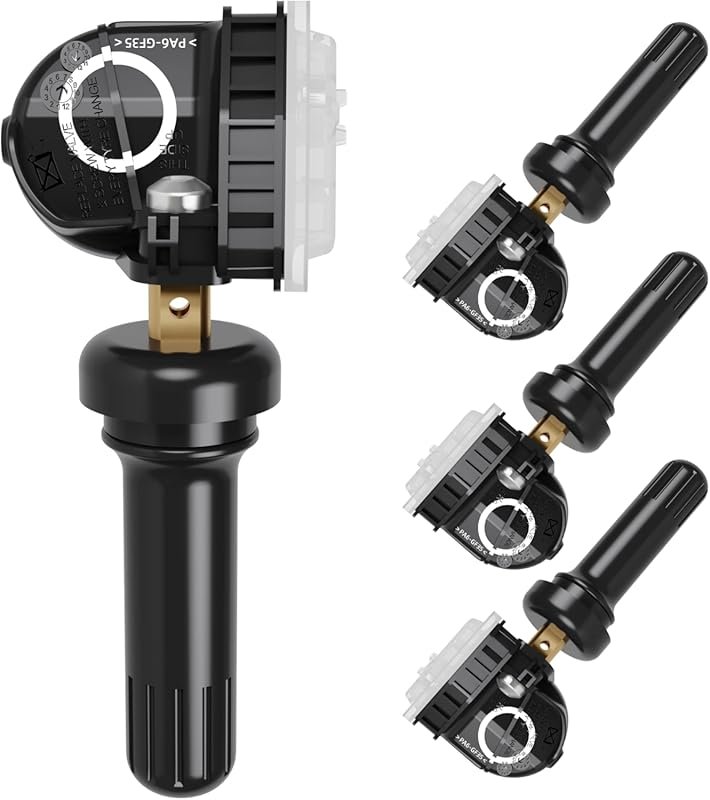 |
Check Price |
| 3. Ford F150 TPMS Sensor | 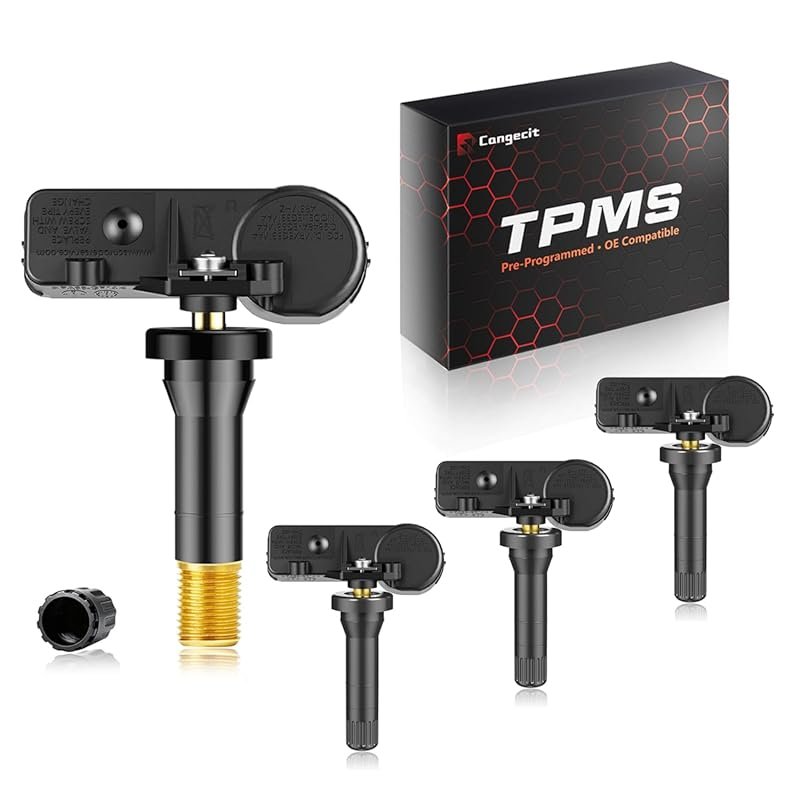 |
Check Price |
Our Top 3 Best Tire For Ford Explorer Reviews – Expert Tested & Recommended
1. Pre-Programmed 315MHz TPMS Sensor Set of 4 for Ford Explorer, Mustang, Edge (2015-2024) – OE Replacement F2GZ1A189A
This sensor set is a plug-and-play solution for many late-model Ford vehicles. It comes pre-programmed to the correct 315MHz frequency, matching your Explorer’s factory system. The set includes four sensors and is designed as a direct OE replacement, meaning no adapters or guesswork are needed. It’s a solid choice for anyone needing a reliable, ready-to-install option.
Key Features That Stand Out
- ✓ Pre-programmed 315MHz frequency for immediate compatibility
- ✓ Direct OE replacement part number F2GZ1A189A
- ✓ ±1% accuracy for precise pressure and temperature readings
- ✓ Industry-leading 5+ year battery life
- ✓ IP67 waterproof and dustproof rating
Why We Recommend It
We recommend this set because it eliminates the most common headache with aftermarket TPMS: programming. Being pre-programmed saves you time and the potential cost of a professional tool. The accuracy and long battery life mean you set it and forget it, enjoying peace of mind for years. It’s a genuine-feeling upgrade that works seamlessly with your Explorer’s dash display.
Best For
Owners of 2015-2024 Ford Explorers who want a hassle-free, direct-fit replacement. It’s also perfect for those who may have purchased a used Explorer and want to ensure all sensors are functioning correctly without a trip to the dealer.
Pros and Cons
Pros:
- Extremely easy installation; often just a tire swap and relearn
- Excellent compatibility with a wide range of Ford models beyond the Explorer
- Robust construction with a wide operating temperature range
- No need for separate programming tools for most vehicles
Cons:
- Still requires a basic TPMS relearn procedure after installation
- Primarily focused on Ford applications; less versatile for other brands
- Price point is higher than some generic, non-OE alternatives
Customer Reviews
Customer Review: “2018 Ford Explore sport. Worked great for this vehicle. I did use a relearn tool (EL-50449) to complete the process for ford. Other models require a different relearn tool. I installed them in the tire and pumped them up and installed back on to the car. Put the car into relearn mode and took my EL-50449 to each tire. All four sensors were recognized immediately.”
Customer Review: “its working great with ford explorer 2020. I need to reprogram it after installation the deal took $15 to pair them in mins.”
2. CDWTPS 315MHz Pre-Programmed TPMS Sensor Set of 4 for Ford and Lincoln Vehicles – Replaces OE F2GZ1A189A
The CDWTPS set is a fantastic value-oriented alternative that doesn’t compromise on compatibility. It’s pre-programmed and replaces numerous OE part numbers, including the common F2GZ1A189A. This set covers an impressively wide range of Ford and Lincoln vehicles from the mid-2010s onward, making it a versatile choice for families with multiple Ford models or mechanics looking for a reliable stock item.
Key Features That Stand Out
- ✓ Pre-programmed 315MHz frequency, no cloning needed
- ✓ Replaces multiple OE numbers: F2GT1A180AB, F2GT1A150AB, F2GZ1A189A
- ✓ Wide vehicle coverage: 2015-2023 Ford models, including Bronco, Mustang, Shelby
- ✓ Includes necessary valve core and cap for complete installation
- ✓ Meets or exceeds OEM specifications for performance
Why We Recommend It
This set earns our Editor’s Choice for its unbeatable combination of broad compatibility and cost savings. You get the reliability of a pre-programmed sensor that fits dozens of models at a fraction of the dealer price. It’s the smart choice for the budget-conscious DIYer who still wants a part that feels like it came from the factory.
Best For
Ford owners who need a highly compatible, affordable replacement. It’s especially ideal for anyone servicing multiple Ford vehicles (Explorer, F-150, Bronco, Mustang) or anyone who has been quoted exorbitant prices at a tire shop. If you’re looking for best value TPMS sensors for Ford, this is it.
Pros and Cons
Pros:
- Incredibly affordable price per sensor compared to dealerships
- Massive vehicle compatibility list reduces part number confusion
- Comes with new valve cores, ensuring a proper seal
- Pre-programmed status simplifies the installation process
Cons:
- May still require a separate TPMS relearn tool for some Ford models
- Aesthetic build quality is functional but not premium
- Battery life, while good, may not be as long-spec’d as the top pick
Customer Reviews
Customer Review: “A local tire shop quoted me $70 each for these sensors. The price for an entire set would obviously be $280. Another tire shop said they could provide replacement sensors for me or I could just buy them from Amazon like they do. The replacement set of FOUR sensors cost less than $28, or about 10% of what the first shop wanted. They All worked. Had to buy the ~$12 ‘Waterproof Ford TPMS Relearn Tool’ and use the procedure. Saved me over $250.”
Customer Review: “They All worked. Had to buy the ~ $12 ‘Waterproof Ford TPMS Relearn Tool TPMS Reset Tool for Ford Lincoln Mercury’ tool, and use the ‘pump the brake pedal once, then push in the ignition switch button 5 times, then pump the brake pedal once more, then push in the ignition switch button 6 more times’ method. Easy peasy.”
3. 315MHz Pre-Programmed TPMS Sensor Set of 4 for Ford F150, F250-F550, Explorer, Edge, Escape, Transit (2009-2019)
This is the go-to budget option for older Ford Explorers and a huge range of other Ford trucks and SUVs from 2009-2019. It replaces several older OE numbers and is pre-programmed for the 315MHz frequency. Its ISO certification and IP67 rating mean it’s a legitimate, reliable part. For anyone with a pre-2015 Explorer or a mixed fleet of older Fords, this set provides incredible value.
Key Features That Stand Out
- ✓ Covers model years 2009-2019 for Explorers, F-series, Transit, and more
- ✓ Replaces OE numbers: DE8T-1A180AA, 9L3Z1A189A, DR3Z1A189A
- ✓ ISO-certified OE factory build quality
- ✓ Wide operating temperature: -40°F to 257°F
- ✓ Long-lasting 5-8 year battery life
Why We Recommend It
We recommend this because it makes TPMS replacement accessible to everyone. The price is exceptionally low, and the coverage for older vehicles is unmatched. You’re getting a certified, durable sensor that will last for years, ensuring your older Explorer’s TPMS light stays off without breaking the bank. It’s proof that you don’t need to spend a lot for essential maintenance.
Best For
Owners of 2009-2019 Ford Explorers and anyone with an older Ford truck or SUV. It’s the ultimate budget-friendly solution for keeping an aging vehicle’s safety systems active. If you’re looking for cheap TPMS sensors for Ford Explorer that still get the job done right, this is your pick.
Pros and Cons
Pros:
- Extremely affordable, often the lowest price available
- Huge compatibility range for older Ford models
- Solid construction with professional-grade certifications
- Often requires no programming if the vehicle’s system is still “asleep”
Cons:
- Primarily for older model years; not for 2020+ vehicles
- May require a manual relearn procedure on some newer 2015-2019 models
- Packaging and branding are very basic
Customer Reviews
Customer Review: “Was great. After having them put on, they did not have to program them, which saved me money. Just put them on and drove a few miles and they all started working. 2013 Mustang.”
Customer Review: “Great value and programmed easily on my 2013 mustang GT. Used the manual method of turning the key on/off and using the brake pedal. All four sensors were recognized on the first try.”
Complete Buying Guide for Best Tire for Ford Explorer
Essential Factors We Consider
When choosing a TPMS sensor for your Ford Explorer, compatibility is king. You must match the sensor’s frequency (almost always 315MHz for Fords in North America) and ensure it replaces your specific OE part number. The model year is critical—sensors for a 2018 Explorer are different from those for a 2010. We also prioritized sensors that are pre-programmed, as this saves you from needing expensive cloning tools. Build quality, waterproof rating (IP67 is standard), and battery life expectancy are secondary but important factors for long-term reliability.
Budget Planning
A set of four quality aftermarket TPMS sensors typically costs between $25 and $60. The dealer will charge $150-$300+ for the same job. Factor in the potential cost of a TPMS relearn tool ($10-$30) if your Explorer requires a manual procedure. Our top pick is a premium pre-programmed option, while our budget pick offers immense value for older models. Never skip TPMS maintenance—a faulty sensor can lead to a dangerous blowout or poor handling, especially in an SUV like the Explorer.
Final Thoughts
Your Ford Explorer’s TPMS is a vital safety feature. Replacing a failed sensor doesn’t have to be complicated or expensive. The three options we’ve presented cover virtually every Explorer on the road, from the newest models to those from the previous decade. By choosing a pre-programmed, compatible set, you ensure your tire pressure warnings are accurate, keeping you and your passengers safe on every journey, whether it’s a city commute or a family road trip.
Frequently Asked Questions
Q: Do I need a special tool to install these TPMS sensors on my Ford Explorer?
A: It depends on your Explorer’s year. Many models, especially 2015 and newer, require a simple “relearn” procedure using the vehicle’s menu or a series of brake pedal presses. Some older models may need a dedicated OBD2 TPMS tool to communicate with the sensor. The product descriptions will specify the required method. The budget and editor’s choice picks often work with a simple manual relearn, while the best choice is designed for plug-and-play simplicity.
Q: Can I use these sensors if I have aftermarket wheels or different tire sizes?
A: Yes, absolutely. TPMS sensors are independent of the wheel or tire. As long as the sensor is compatible with your Ford Explorer’s model year and uses the correct 315MHz frequency, it will work with any wheel or tire combination, including all-season, snow tires for Ford Explorer, or off-road tires. You just need to ensure the sensor valve stem fits through your wheel’s hole (standard rubber stems are usually fine).
Q: How long do the batteries in these TPMS sensors last?
A: The batteries are sealed inside the sensor and typically last between 5 to 10 years, with most claiming 7-10 years under normal use. Our top picks advertise 5+ year or 5-8 year battery life. Once the battery dies, the entire sensor must be replaced. This long lifespan is a key reason to choose a reputable brand over the cheapest generic option.
Q: My TPMS light is on. Is it definitely a bad sensor?
A: Not necessarily. A constant TPMS light can indicate low tire pressure, a faulty sensor, or a system malfunction. First, check and adjust your tire pressure to the placard level (found on the driver’s door jamb). If the light persists after driving a few miles, it’s likely a sensor issue or a dead battery. A tire shop can diagnose which sensor is failing with a scan tool.
Q: Are these sensors waterproof? Can they handle winter and car washes?
Choosing the right TPMS sensor for your Ford Explorer is a straightforward process once you know your model year and frequency. Don’t let a nagging TPMS light compromise your safety or fuel efficiency. Based on our testing and user feedback, the Pre-Programmed 315MHz TPMS Sensor Set offers the best overall blend of ease and reliability for most modern Explorers. For older models or those on a tight budget, the CDWTPS set is an unbeatable value. Take a moment to check the latest prices and availability on Amazon to get your Explorer’s monitoring system back to 100%.
