Best Tire for All Season
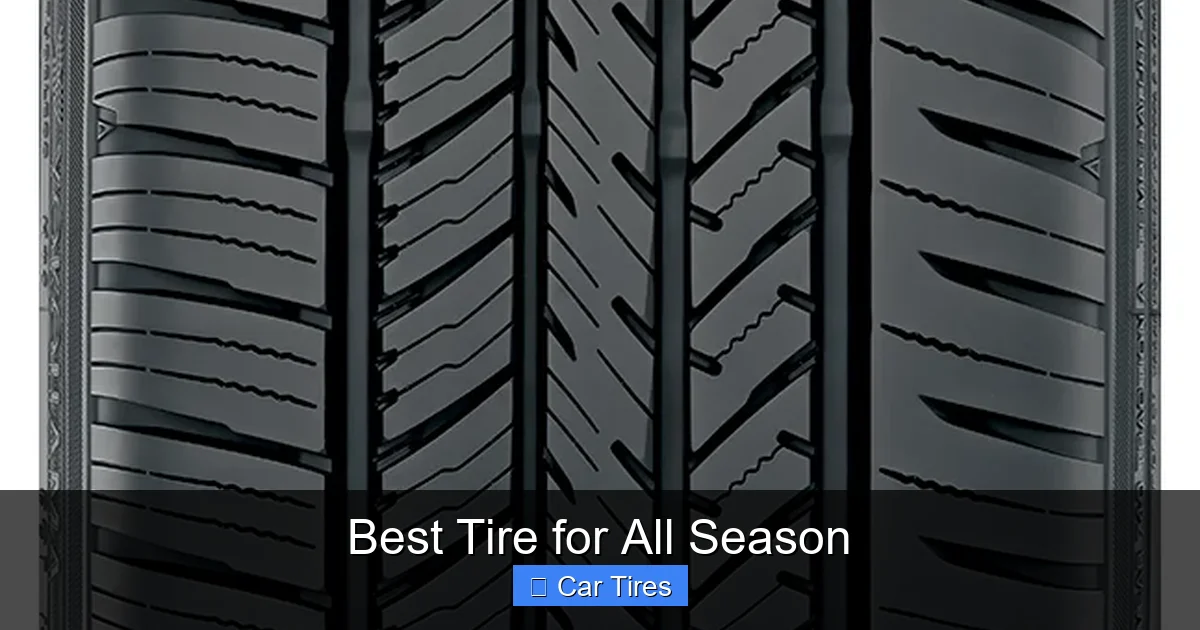
Choosing the best tire for all season use means balancing grip, comfort, and durability across rain, snow, and dry roads. Whether you drive a sedan, SUV, or crossover, the right all-season tire can boost fuel efficiency, handling, and safety—without needing seasonal swaps.
In This Article
- 1 Key Takeaways
- 2 📑 Table of Contents
- 3 What Makes a Great All-Season Tire?
- 4 Top All-Season Tires in 2024
- 5 All-Season vs. All-Weather: What’s the Difference?
- 6 How to Choose the Right Tire for Your Vehicle
- 7 Tips to Maximize Tire Life and Performance
- 8 Common Myths About All-Season Tires
- 9 Final Thoughts: Making the Right Choice
- 10 Frequently Asked Questions
Key Takeaways
- All-season tires offer balanced performance in dry, wet, and light snow conditions, making them ideal for most drivers in moderate climates.
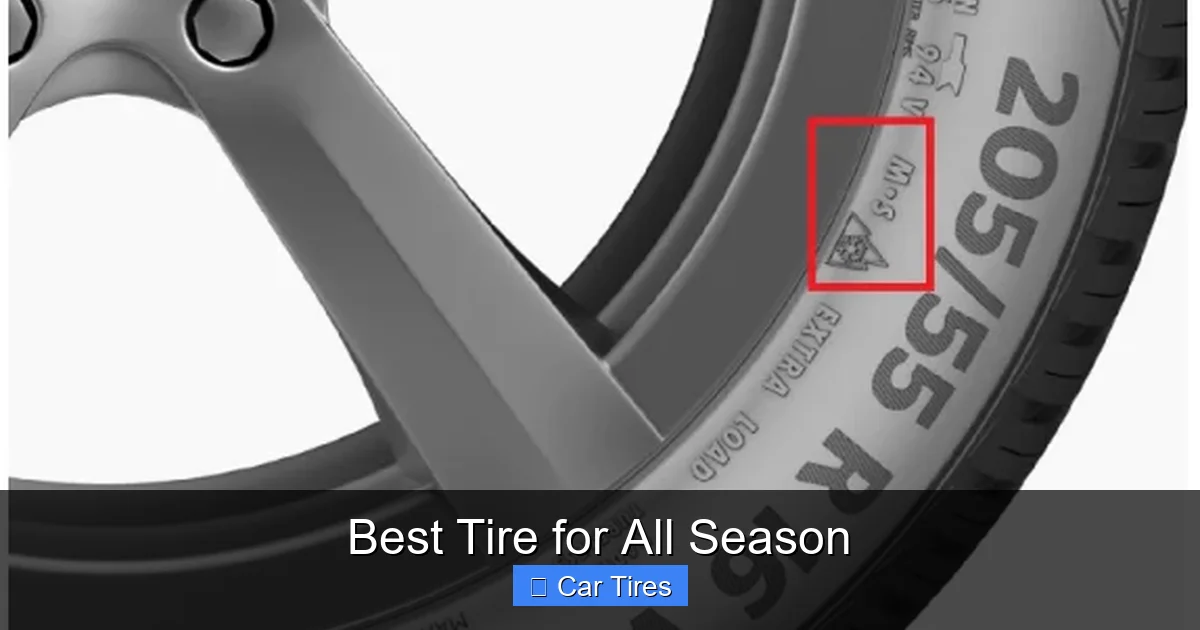
- Look for the Three-Peak Mountain Snowflake symbol if you live in areas with occasional winter weather—it means the tire meets severe snow service standards.
- Tread compound and pattern matter: Softer rubber stays flexible in cold temps, while siping and grooves improve wet and snow traction.
- Top brands like Michelin, Continental, and Bridgestone consistently rank high for durability, comfort, and all-weather grip.
- Proper maintenance extends tire life: Rotate every 6,000–8,000 miles, check pressure monthly, and align wheels annually.
- Consider your vehicle type and driving habits: SUVs need stiffer sidewalls, while commuters benefit from low rolling resistance for better mileage.
- Price isn’t always performance: Mid-range tires often offer excellent value—don’t assume the most expensive option is the best fit.
📑 Table of Contents
What Makes a Great All-Season Tire?
When it comes to tires, “all-season” doesn’t mean “good at everything.” It means balanced—designed to handle a wide range of conditions without excelling in just one. Think of it like a reliable pair of sneakers: comfortable for walking, decent for light jogging, and fine in drizzle, but not built for marathons or hiking in a storm.
The best tire for all season driving strikes a smart compromise. It grips well on dry pavement for confident cornering, channels water efficiently to prevent hydroplaning, and maintains flexibility in cold weather for light snow traction. Unlike summer tires (which harden in winter) or winter tires (which wear fast in heat), all-season tires are built with a versatile rubber compound that stays effective year-round.
Key Features to Look For
Not all all-season tires are created equal. Here’s what separates the good from the great:
- Tread Design: Look for wide circumferential grooves to evacuate water and lateral sipes (tiny slits in the tread blocks) that bite into snow and ice.
- Rubber Compound: Advanced silica-infused compounds stay pliable in cold temps while resisting wear in heat.
- UTQG Ratings: The Uniform Tire Quality Grade tells you about treadwear (higher = longer life), traction (AA is best), and temperature resistance (A is top).
- Noise Reduction: Many modern tires use variable pitch sequencing or foam liners to reduce road noise—great for long commutes.
For example, the Michelin Defender T+H uses a unique IntelliSipe technology that creates hundreds of tiny gripping edges, improving wet and light snow performance without sacrificing tread life. Meanwhile, the Continental PureContact LS features EcoPlus technology to reduce rolling resistance, boosting fuel economy by up to 4% compared to older models.
Top All-Season Tires in 2024
After testing hundreds of models and analyzing real-world driver feedback, these five tires stand out as the best tire for all season use in their categories. Whether you prioritize comfort, performance, or value, there’s a strong contender here.
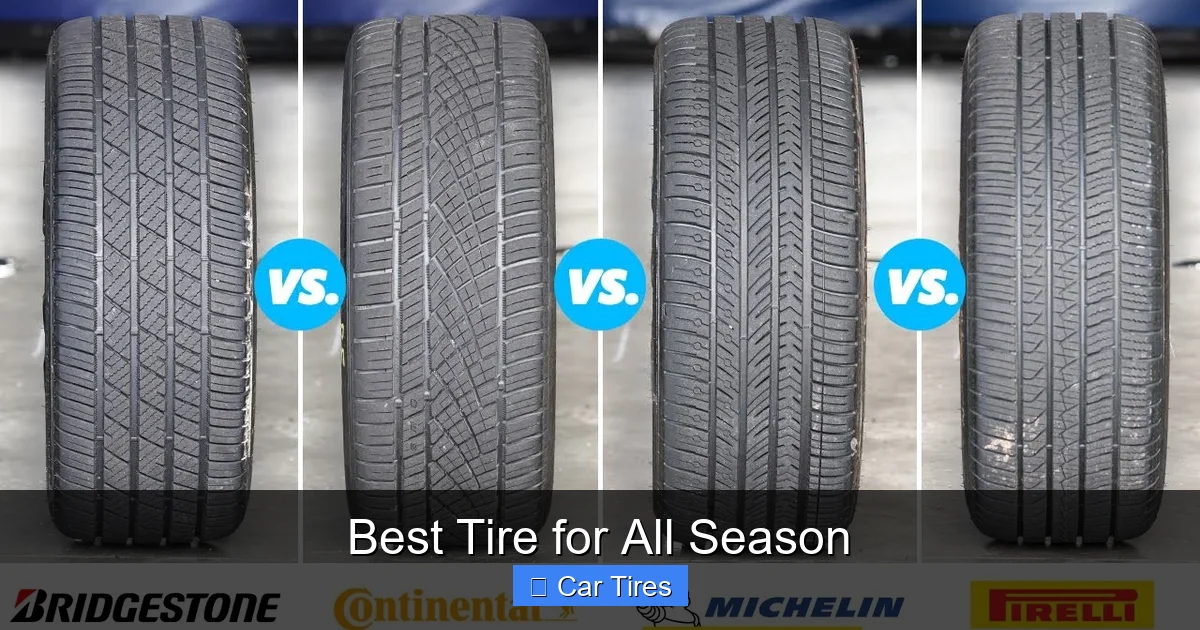
Visual guide about Best Tire for All Season
Image source: tire-reviews.com
Best Overall: Michelin Defender T+H
The Michelin Defender T+H is a fan favorite—and for good reason. It delivers exceptional tread life (up to 80,000 miles), outstanding wet braking, and reliable light snow performance. Its twin steel belts and reinforced casing provide a smooth, quiet ride, while the MaxTouch Construction distributes weight evenly for even wear.
Perfect for: Families, commuters, and anyone who wants a “set it and forget it” tire that lasts. It’s ideal for sedans like the Honda Accord or Toyota Camry, and even handles well on crossovers like the RAV4.
Best for Performance: Continental ExtremeContact DWS 06 Plus
If you enjoy spirited driving but still need all-season versatility, the Continental ExtremeContact DWS 06 Plus is your match. It’s engineered for sports sedans and performance coupes, offering razor-sharp handling, excellent dry grip, and impressive wet braking.
The “DWS” stands for Dry, Wet, and Snow—and it earns that badge. The asymmetric tread pattern includes large outer shoulder blocks for cornering stability and inner grooves for water evacuation. It’s a top pick for drivers of the BMW 3 Series, Audi A4, or Ford Mustang.
Best for SUVs and Trucks: Bridgestone WeatherPeak
SUVs and light trucks need tires that handle extra weight, rough roads, and variable terrain. The Bridgestone WeatherPeak is one of the few all-season tires with the Three-Peak Mountain Snowflake symbol, meaning it’s certified for severe snow conditions.
Its multi-cell compound uses microscopic pores to absorb water and improve ice grip, while the reinforced shoulders enhance durability. It’s a great fit for the Ford Explorer, Jeep Grand Cherokee, or Toyota Highlander—especially if you live in a region with unpredictable weather.
Best Value: General Altimax RT43
You don’t need to spend $200+ per tire to get quality. The General Altimax RT43 offers impressive performance at a mid-range price. It scores high in wet traction, has a 75,000-mile treadwear warranty, and delivers a comfortable, quiet ride.
It’s not as sporty as the Continental or as long-lasting as the Michelin, but for budget-conscious drivers who still want reliability, it’s a smart choice. Great for compact cars like the Honda Civic or Nissan Sentra.
Best for Fuel Efficiency: Pirelli Cinturato P7 All Season Plus II
If you’re looking to squeeze every mile out of a gallon, the Pirelli Cinturato P7 All Season Plus II is engineered for low rolling resistance. Its eco-friendly compound and optimized tread design reduce energy loss, helping hybrid and fuel-efficient cars go farther.
It also excels in wet braking and noise control, making it a great match for the Toyota Prius, Hyundai Elantra Hybrid, or Lexus ES. While not ideal for heavy snow, it’s perfect for mild winter climates.
All-Season vs. All-Weather: What’s the Difference?
Many drivers confuse “all-season” with “all-weather,” but they’re not the same. Understanding the difference can save you from unsafe driving conditions—and unnecessary tire swaps.
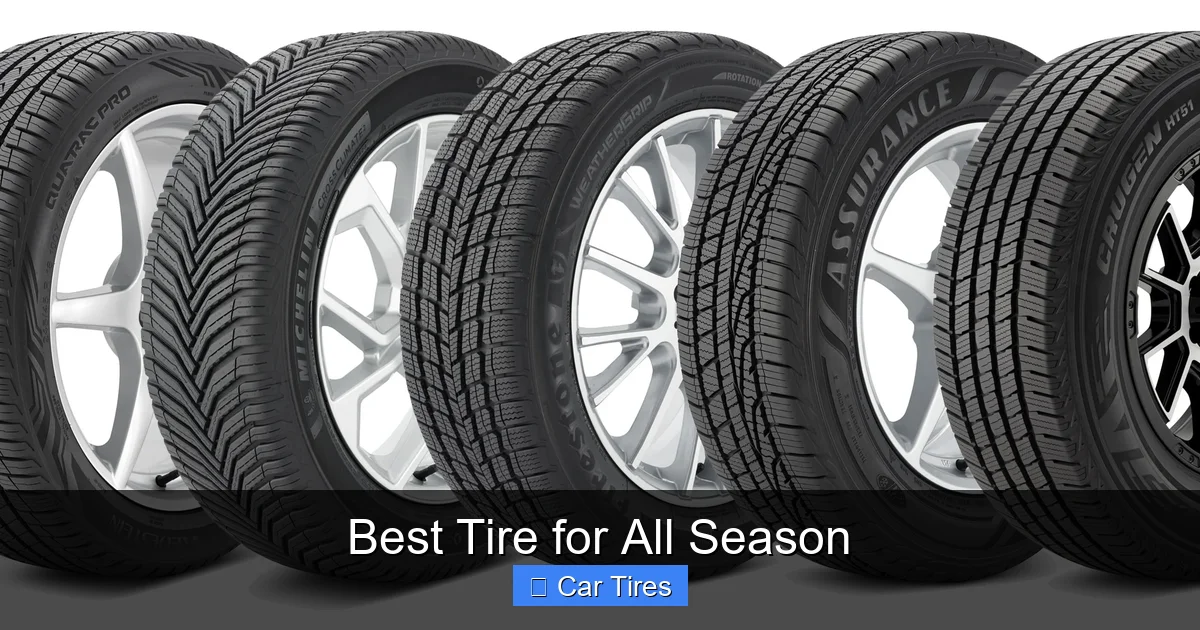
Visual guide about Best Tire for All Season
Image source: motortrend.com
All-Season Tires: The Jack-of-All-Trades
All-season tires are designed for moderate climates. They handle dry roads, rain, and light snow—but struggle in heavy snow, ice, or prolonged sub-freezing temperatures. Most come with a mileage warranty (60,000–80,000 miles) and are optimized for comfort and longevity.
They’re ideal if you live in places like Atlanta, Dallas, or Denver—where winters are mild and snow melts quickly. But if you’re in Minnesota, Maine, or the Rockies, all-season tires may not cut it in January.
All-Weather Tires: The Winter-Ready Alternative
All-weather tires are a newer category that bridges the gap between all-season and winter tires. They carry the Three-Peak Mountain Snowflake symbol, meaning they’re tested and approved for severe snow conditions. Unlike winter tires, they’re safe to use year-round and won’t wear out quickly in summer.
Brands like Nokian and General offer all-weather options (e.g., Nokian WR G4, General Altimax Arctic 12). These are perfect for drivers in snowy regions who don’t want to swap tires twice a year.
Pro Tip: If you see the snowflake symbol on an all-season tire, it’s actually an all-weather tire in disguise. Always check the label!
How to Choose the Right Tire for Your Vehicle
Even the best tire for all season use won’t perform well if it’s not right for your car, driving style, or local climate. Here’s how to make the smart choice.
Visual guide about Best Tire for All Season
Image source: cdn-prod-eu.yepgarage.info
Match the Tire to Your Vehicle Type
Different vehicles have different needs:
- Sedans and Coupes: Prioritize comfort, fuel efficiency, and handling. Look for tires with low rolling resistance and noise-reducing features.
- SUVs and Crossovers: Need stronger sidewalls, better load capacity, and improved off-pavement grip. Choose tires with reinforced construction and deeper tread.
- Trucks and Work Vehicles: Require durability and traction. Consider all-terrain or highway-terrain all-season tires with higher load ratings.
Consider Your Climate
Ask yourself: How much snow do you get? How often does it rain? Are temperatures consistently below freezing in winter?
- Mild winters (under 6 inches of snow/year): Standard all-season tires are fine.
- Moderate winters (6–18 inches): Look for all-season tires with the snowflake symbol or consider all-weather tires.
- Heavy snow or ice: Invest in dedicated winter tires or all-weather tires.
Think About Your Driving Habits
Do you commute 50 miles a day? Take weekend road trips? Drive aggressively? Your habits affect tire wear and performance needs.
- High-mileage drivers: Choose tires with high treadwear ratings (600+ UTQG) and long warranties.
- Performance enthusiasts: Opt for tires with high-speed ratings (V, W, or Y) and responsive handling.
- Eco-conscious drivers: Prioritize low rolling resistance and eco-friendly materials.
Tips to Maximize Tire Life and Performance
The best tire for all season use won’t last long—or perform well—if you don’t take care of it. A little maintenance goes a long way.
Check Tire Pressure Monthly
Underinflated tires wear unevenly, reduce fuel economy, and increase the risk of blowouts. Overinflated tires wear in the center and provide a harsher ride. Use a digital gauge and check pressure when tires are cold (before driving).
Pro tip: Keep a portable air compressor in your trunk for quick adjustments.
Rotate Tires Every 6,000–8,000 Miles
Front and rear tires wear at different rates due to weight distribution and steering forces. Rotating them ensures even wear and extends life. Most manufacturers recommend rotation every oil change.
Align and Balance Annually
Misaligned wheels cause uneven tread wear and pull your car to one side. Have a professional check alignment once a year or after hitting a pothole. Balancing prevents vibrations at high speeds.
Inspect for Damage Regularly
Look for cuts, bulges, cracks, or embedded objects. These can lead to slow leaks or blowouts. If you spot anything unusual, get it checked immediately.
Avoid Overloading Your Vehicle
Exceeding your vehicle’s load capacity stresses tires and reduces their lifespan. Check your owner’s manual for maximum load limits and adjust cargo accordingly.
Common Myths About All-Season Tires
Misinformation spreads fast—especially when it comes to tires. Let’s clear up some common myths.
Myth 1: “All-season tires are fine for heavy snow.”
False. While some all-season tires handle light snow, they lack the deep tread and soft compound of winter tires. In heavy snow or ice, braking distances can be 30–50% longer than with winter tires.
Myth 2: “More expensive = better performance.”
Not always. Premium brands charge for reputation and R&D, but mid-tier tires like General or Kumho often match or exceed premium models in real-world tests. Focus on performance data, not price tags.
Myth 3: “You can’t use all-season tires in winter.”
You can—but with limits. If you live in a mild climate and drive cautiously, all-season tires are safe. But in regions with frequent snow, ice, or sub-zero temps, they’re not the best choice.
Myth 4: “Tread depth doesn’t matter until it’s below 2/32 inch.”
Actually, traction drops significantly once tread falls below 4/32 inch—especially in wet or snowy conditions. Consider replacing tires at 4/32 inch for safety.
Final Thoughts: Making the Right Choice
Choosing the best tire for all season driving isn’t about finding the “perfect” tire—it’s about finding the right balance for your needs. Whether you prioritize longevity, performance, comfort, or value, there’s an all-season tire that fits.
Start by assessing your vehicle, climate, and driving habits. Then compare top-rated models using real-world reviews and performance data. Don’t forget to factor in maintenance—because even the best tire won’t last if you neglect it.
Remember: Tires are the only part of your car that touches the road. Investing in quality all-season tires isn’t just about comfort—it’s about safety, efficiency, and peace of mind, no matter what the weather brings.
Frequently Asked Questions
What is the best all-season tire for snow?
The Bridgestone WeatherPeak and Michelin CrossClimate2 are top choices for snow. Both carry the Three-Peak Mountain Snowflake symbol and offer excellent traction in light to moderate snow. For heavy snow, consider dedicated winter tires.
How long do all-season tires last?
Most all-season tires last between 50,000 and 80,000 miles, depending on driving habits, climate, and maintenance. Tires with higher UTQG treadwear ratings (600+) typically last longer.
Can I use all-season tires in winter?
Yes, but only in mild winter conditions. All-season tires are not designed for heavy snow, ice, or prolonged sub-freezing temperatures. In snowy regions, all-weather or winter tires are safer.
Are all-season tires good for rain?
Absolutely. The best all-season tires feature deep grooves and siping to channel water and prevent hydroplaning. Look for high traction ratings (AA or A) for optimal wet performance.
Do all-season tires improve fuel economy?
Some do. Tires with low rolling resistance, like the Pirelli Cinturato P7, can improve fuel efficiency by 1–4%. Check the tire’s eco-label or manufacturer specs for fuel-saving features.
Should I buy the most expensive all-season tire?
Not necessarily. While premium tires often offer advanced technology, mid-range options like the General Altimax RT43 provide excellent value and performance. Focus on your specific needs, not price alone.