
Best Location for Car Seat: Expert Guide to Safest Placement and Installation

Choosing the right spot for a car seat keeps kids safer and helps you follow the law. Car seats range from infant carriers to convertible and booster seats, and each type fits differently in cars. We focus on where in the vehicle those seats work best and why placement matters for both safety and ease of use.
The biggest factors when picking a location are crash protection, seat belt or LATCH access, and your car’s layout — including airbag positions and seat shape. Placing a rear-facing infant seat in the center rear often gives the best protection in a side impact, while a forward-facing or booster seat may fit better at a rear outboard position with proper anchoring. We tested common placements and setups to recommend practical choices for most families and to point out when a different spot in your vehicle is safer or more practical.
Best Locations for a Car Seat
We tested options and research to find the safest and most practical spots for car seats in different vehicles. Below is our full list of the best car seat locations to help you choose the right spot for your child.
Ellaris 3‑in‑1 Convertible Car Seat

We recommend this seat if you want a slim, travel‑friendly convertible car seat that grows with your child and installs easily.
Pros
- Slim profile saves space in tight cars.
- Simple hook‑style LATCH makes installation quick.
- Machine‑washable pad and removable cup holders are travel friendly.
Cons
- Straps can be fiddly to tighten solidly at times.
- Upper fit may feel loose on some kids until adjusted.
- Not the best fit in very old or very small vehicles.
We used this seat for a few weeks in our family van and a compact car. Installing with the hook‑style LATCH was fast and straightforward, and it stayed put once latched. The slim design let us keep a third seat in the middle row without crowding.
Riding rear‑facing for a baby and switching to forward‑facing for our toddler felt smooth. The five‑position headrest and harness adjusted easily as the kids grew. Padding around the head felt cozy and held up on longer drives.
We took it on a short flight and through airport gates; the compact frame made that part easier than bulkier seats. Removing the cover to toss in the washer worked well after a snack spill. Overall, the Ellaris is a reliable, budget‑friendly choice for families who need a slim, long‑lasting convertible seat.
Graco Extend2Fit
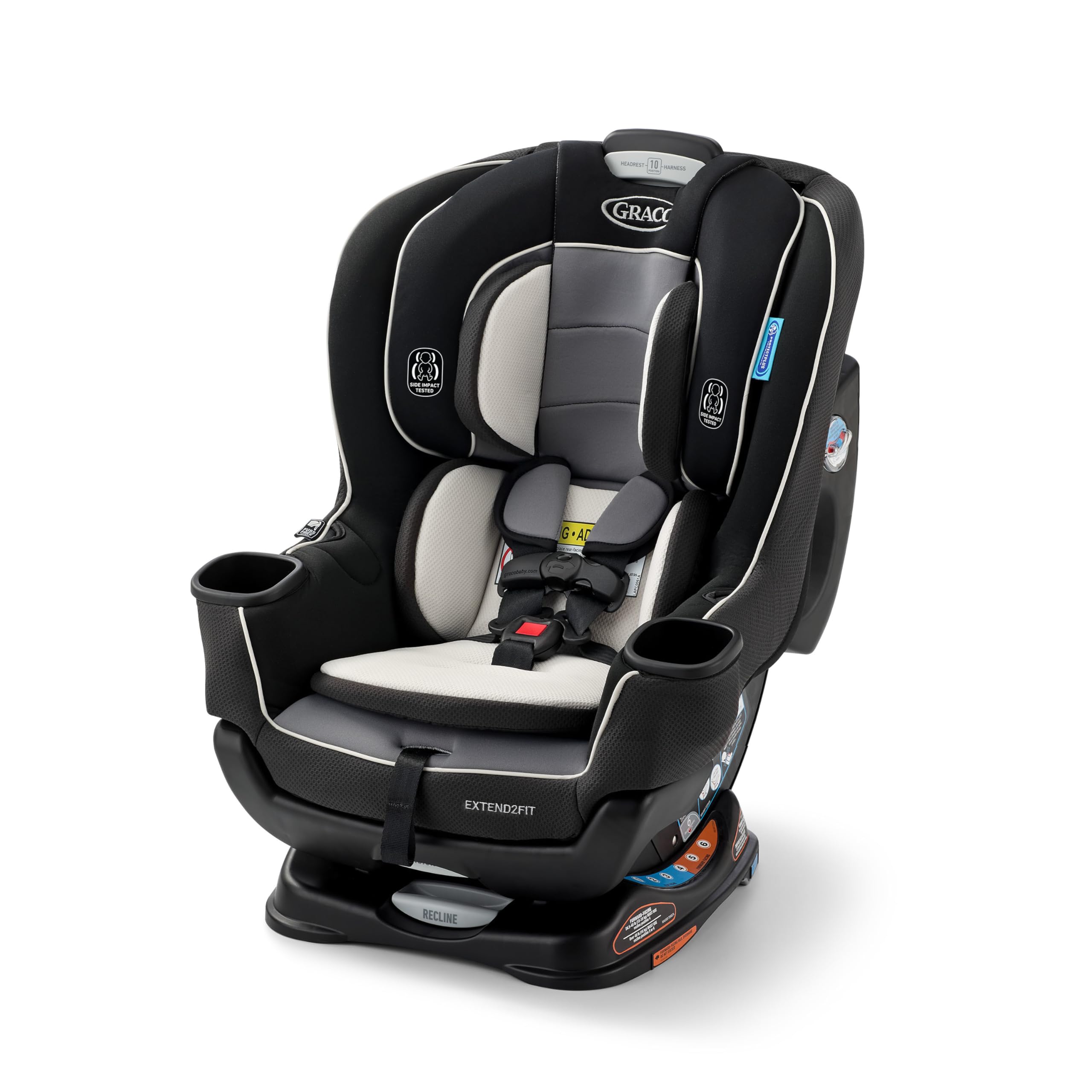
We recommend this seat if you want a sturdy convertible car seat that lets your child ride rear-facing longer with easy adjustments.
Pros
- Extra legroom keeps rear-facing kids more comfortable.
- One-motion headrest and harness make adjustments quick.
- Solid build and safety features give peace of mind.
Cons
- Bulkier than some slim models, so fits tight in small cars.
- Heavier to move between vehicles.
- Fabric can show crumbs and needs regular cleaning.
We used this seat for months and liked how the extension panel gave our taller baby room to stretch while still rear-facing. The harness felt secure, and changing headrest height in one motion saved time during busy mornings.
Installation with the InRight LATCH was fast and held tight. The padding made longer drives calmer, though the seat’s weight made moving it between cars a little harder than we expected.
Overall, the Graco Extend2Fit felt reliable and comfortable for both short trips and long rides, especially if you plan to keep your child rear-facing as long as possible.
Grow & Go Convertible Car Seat — Safety 1st
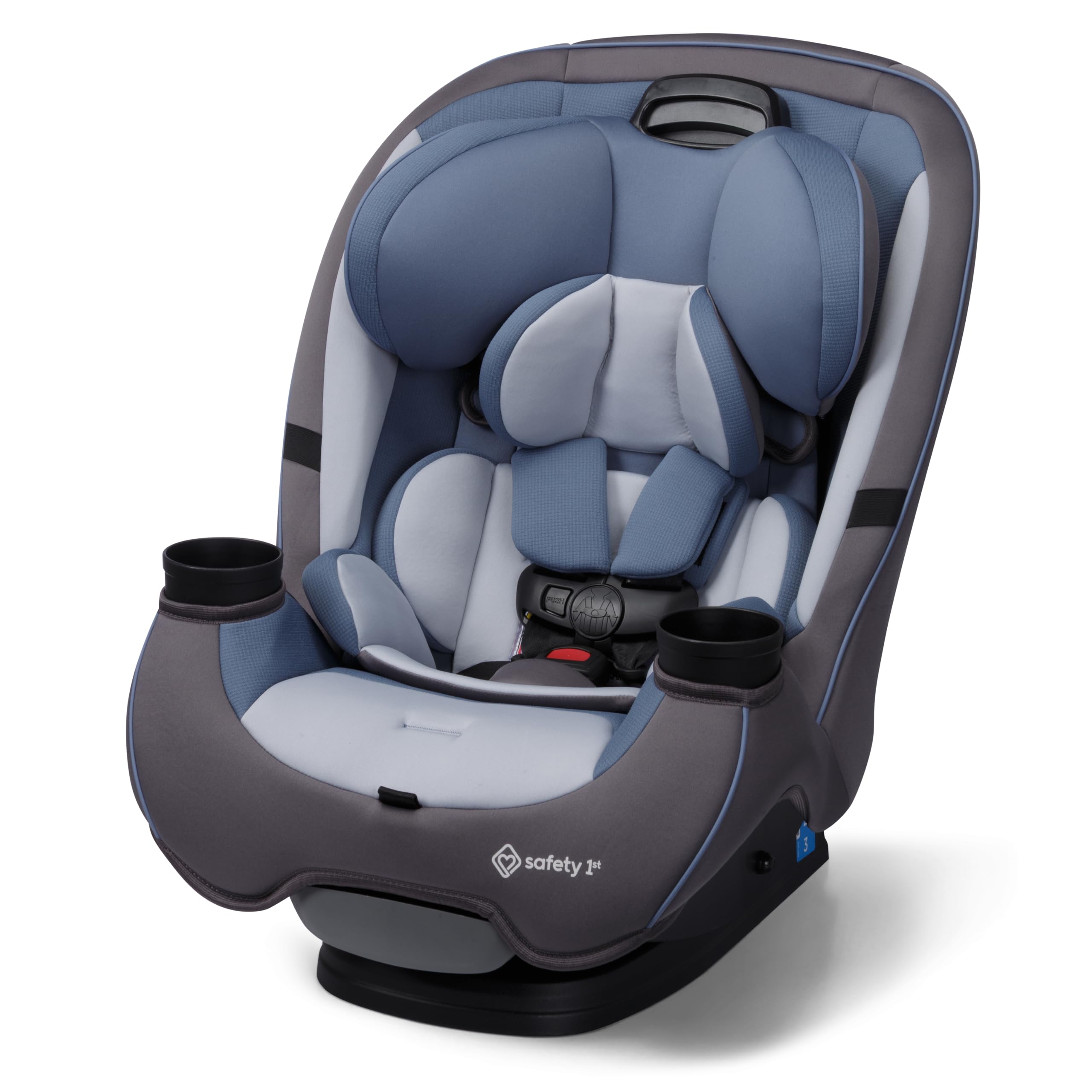
We recommend this seat if you want one car seat that grows with your child from newborn to booster stage and is easy for caregivers to use.
Pros
- Grows with your child through three stages without re-threading the harness.
- Slim profile saves space in the back seat.
- Easy-to-clean pads and removable cup holders.
Cons
- Bulkier than a dedicated infant carrier for tiny cars.
- Some families may find padding less plush than higher-end models.
- Installation can feel fiddly until you get used to the LATCH and tether.
We used this seat for both short errands and longer drives, and it handled daily wear well. Adjusting the headrest and harness in one motion cut our time getting kids buckled. The recline is useful when naps happen on the road.
Switching from rear-facing to forward-facing felt straightforward. The seat stayed reasonably narrow, so we could fit another passenger beside it without a fight. Cup holders come off and go in the dishwasher, which saved us messy-cleaning time after snacks.
We noticed it is heavier and a bit bulkier than infant-only seats, so moving it between cars is not ideal for frequent transfers. Overall, the Safety 1st Grow & Go gave our family reliable fit and usable features for years of use.
Graco SlimFit3

We recommend this seat when you need a slim, long-lasting option that fits three across without sacrificing basic safety.
Pros
- Fits three car seats across, saving back-seat space.
- Grows with a child from rear-facing to booster, so it lasts years.
- Quick-install LATCH and easy harness adjustments.
Cons
- Narrow design can feel snug for larger kids.
- Cup holders are small and can be hard to clean.
- At about 19 pounds, it’s not the lightest for travel.
We pushed three of these in the back of a compact SUV and they actually fit side by side. The slim shell makes carpooling easier and we didn’t have to fight the seat belts to squeeze everyone in.
Installation felt solid. The push-button LATCH clicked in fast and the belt lock-off made forward-facing installs straightforward. The 10-position headrest and no-rethread harness saved time when we adjusted the kids between rides.
Comfort held up on longer drives. The removable inserts kept our infant cradled and the mesh panels helped with airflow. One child did note the seat felt tighter by the time they hit the upper toddler range.
Cleaning is simple thanks to the rapid-remove cover; we took it off and washed it without undoing the harness. The cup holders work for small bottles but pick up crumbs and need a detailed wipe now and then.
Overall, we found the SlimFit3 to be a dependable, space-saving car seat that fits growing families and tight back seats well.
Graco SlimFit3 LX 3-in-1 Convertible Car Seat, Slim Car Seat Fits 3 Across
Vvnonix Car Headrest Fan
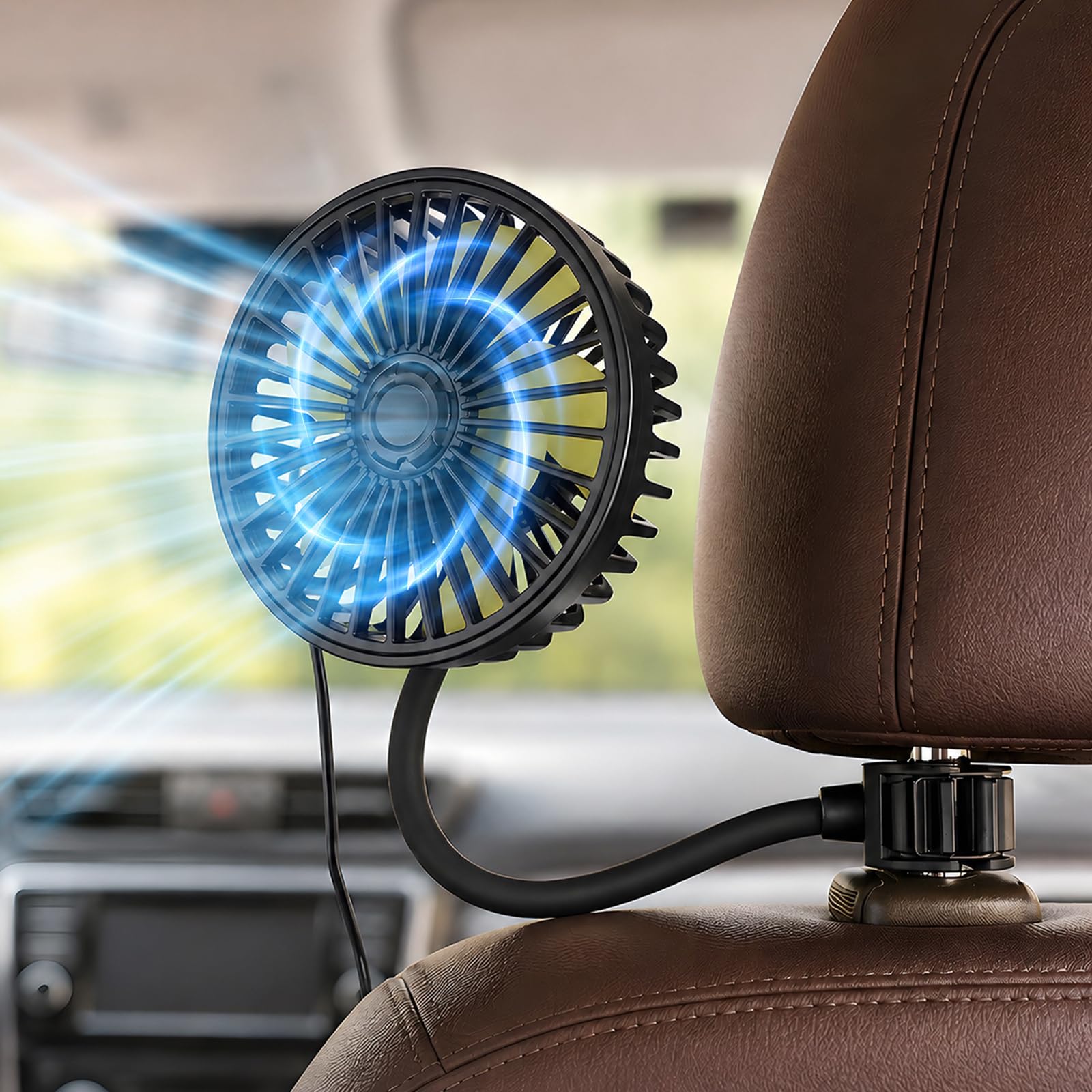
We recommend this fan if you need a simple, quiet way to cool rear passengers on short trips or long drives.
Pros
- Quiet motor that won’t bother sleeping kids.
- 360° adjustable head gives flexible airflow for different seat positions.
- Easy clip-on install works on most headrests without tools.
Cons
- Must stay plugged into USB power while running.
- Airflow can feel warm when car AC is weak.
- Plastic build feels light and not as durable as pricier models.
We used this clipped to our backseat headrest for a few drives and found it very easy to position. The three speeds let us dial gentle airflow for a sleeping toddler or stronger breeze for hot afternoons.
The brushless motor stayed quiet, and the fan did not distract the driver. We liked angling the head to cool feet or faces without moving the whole unit.
Power is the main drawback. You must leave it plugged into a USB port, which can be awkward in some cars unless you have a charger nearby. It also felt a bit light on quality after months of use.
Overall, this Vvnonix fan is a practical, low-cost fix to improve backseat comfort when your car’s vents don’t reach the rear well. If you need cordless power or a heavy-duty build, we would look at higher-end options first.
SCIREATH Mini Tracker
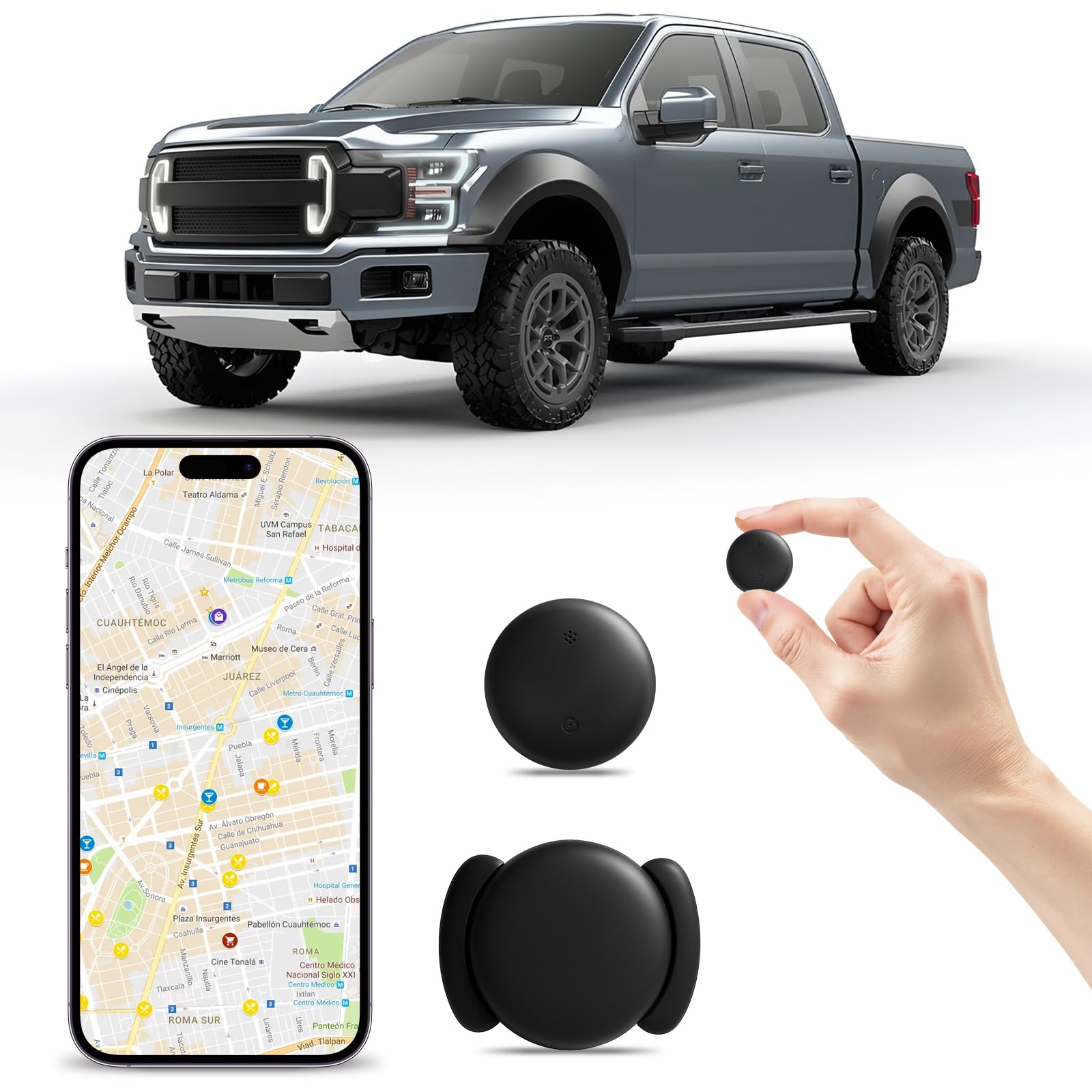
We would buy this only if you need a cheap, hidden tracker for short-range Android-based location updates.
Pros
- Very small and easy to hide.
- No monthly fee or SIM card required.
- Strong magnet and waterproof case for secure placement.
Cons
- Only works with Android 9+ and nearby Android devices for updates.
- Not a real-time GPS — location can lag for days.
- Limited accuracy and depends on other devices to refresh.
We put one in a spare car and the unit fit under the dash with no fuss. The magnetic case held it tight through bumps and rain, and swapping the coin cell felt simple.
Pairing with Google Find Hub took a few minutes and then it showed the last known spot. We noticed it often only updated when another Android device passed within range, so overnight moves did not always show up quickly.
If you want a hidden, low-cost way to check a vehicle’s recent location and avoid monthly fees, this works fine for short-range use. For real-time tracking or precise recovery over long distances, we would look at a true cellular GPS tracker instead.
RGIMF Dual-System GPS Tracker (4-Pack)
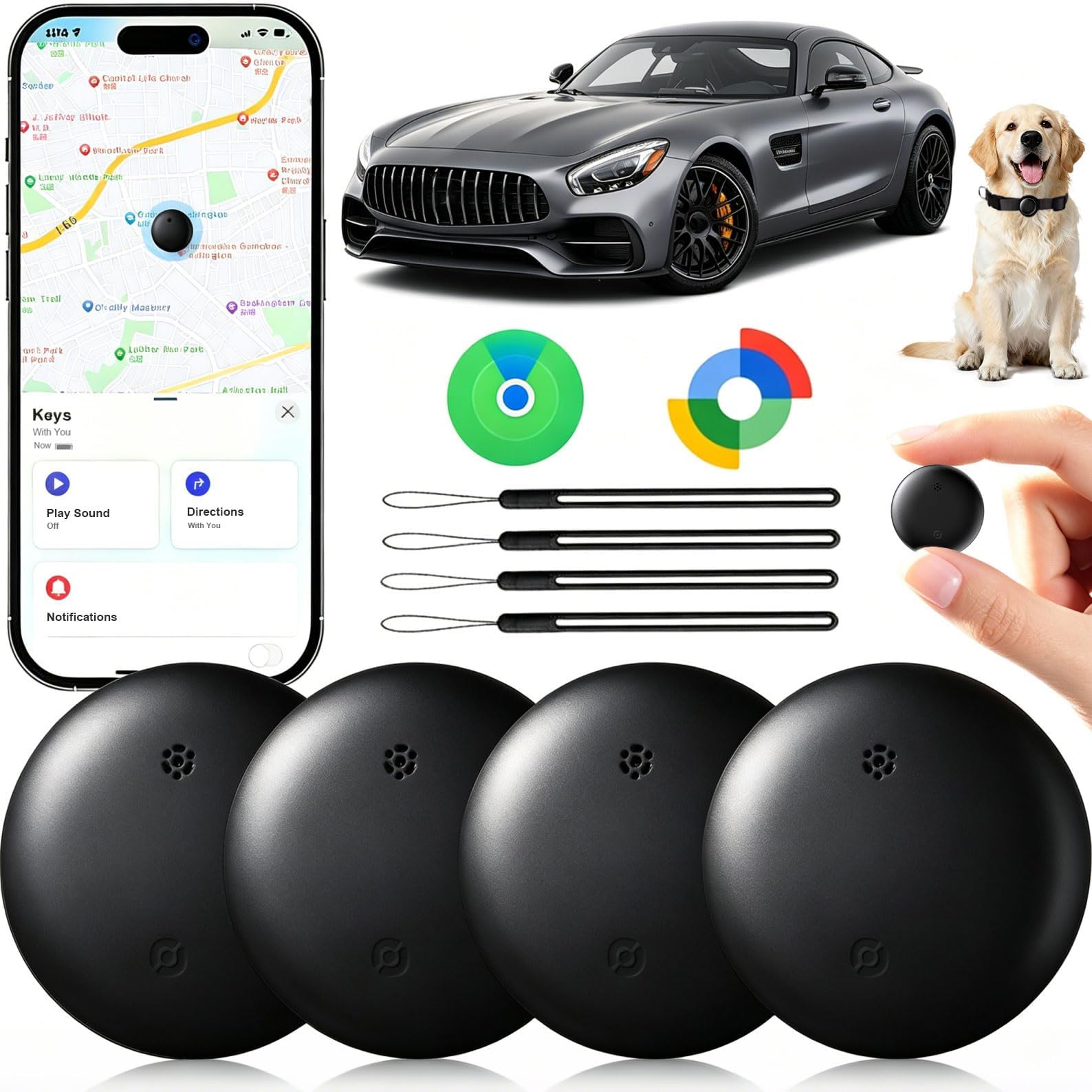
We recommend this tracker if you want an affordable, small tracker that works with both Apple Find My and Google Find Hub and needs no subscription.
Pros
- Works with iOS and Android networks.
- Tiny, waterproof design fits almost anywhere.
- No monthly fees — one purchase covers long use.
Cons
- Can only pair with one platform at a time.
- Location updates can lag or stop in some situations.
- Not guaranteed to help users who don’t carry phones nearby.
We put these tags in cars, on keys, and tucked in a backpack to test real use. Setup was quick and the app paired in seconds. The trackers are light and easy to hide under seats or inside consoles.
When we drove around town the location sometimes updated in real time and other times showed the last known spot until another compatible phone passed by. The loud beeper helped find a tracker lost under a seat or in a bag, but it won’t help if there are no nearby iOS or Android devices to report location.
Battery life seemed long during our tests and the IP66 rating handled a rain-splashed parking lot without issues. We did notice mixed reports from other users, so expect occasional gaps in tracking accuracy depending on surroundings and nearby devices.
Graco TurboBooster 2.0

We recommend this backless booster when you want a simple, lightweight seat that raises your child to the correct belt position.
Pros
- Lightweight and easy to move between cars
- Comfortable for kids; fold-away cup holders are handy
- Solid crash-tested design for peace of mind
Cons
- No latch system; relies on vehicle seat belt
- Backless design gives less head support on long trips
- Not suitable until seat belt fits properly (height limits apply)
We used this booster for school runs and short road trips. It slid into our SUV and our sedan without fuss. The cup holders folded away cleanly and the child liked the low-profile look.
Putting it in was quick since the seat is light. We checked the belt fit every time and liked how the booster raised the child so the lap and shoulder belt sat in the right spots. Moving it between vehicles felt natural and painless.
On longer drives, we noticed less head and upper-back support compared with high-back boosters. For taller kids approaching the 57-inch limit, the backless option works fine, but younger or shorter kids might sleep uncomfortably without a headrest.
Overall, this booster fit our needs when we wanted an easy-to-handle seat that gives a correct belt position and basic protection; we recommend it if your child meets the height and weight rules and you prefer a portable, simple booster.
Graco EasyTurn 360
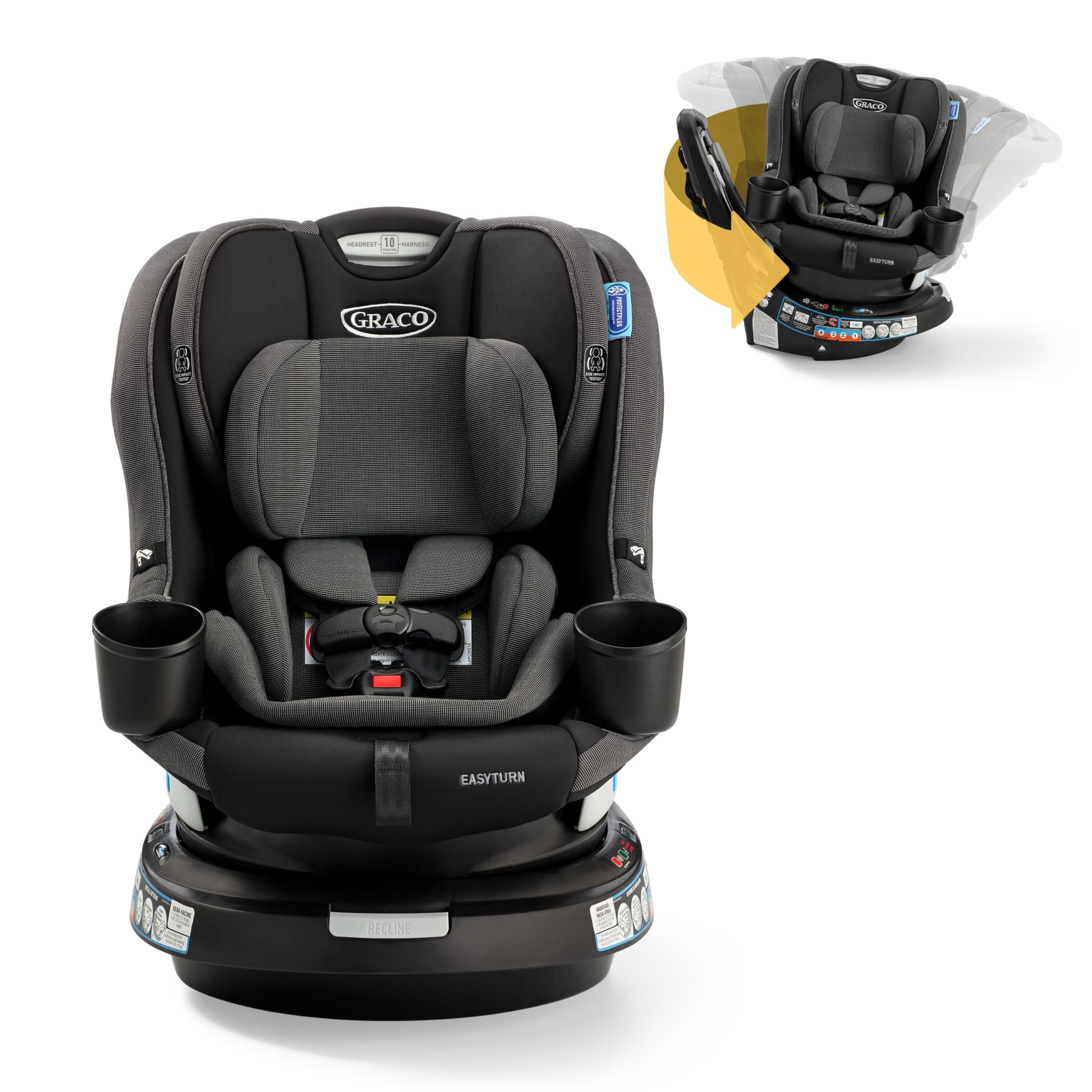
We recommend this seat if you want a rotatable, slim convertible car seat that makes loading easier and grows with your child.
Pros
- Turns 360° with one hand for quick loading and unloading.
- Slim profile saves back-seat space while staying sturdy.
- No-rethread harness and easy installation reduce hassle.
Cons
- Heavier than some infant-only seats, so moving it can be awkward.
- Rotating mechanism can make a small noise when empty.
- Slightly bulky for very small cars despite slim design.
We used this seat daily for weeks and liked how the 360° rotation actually speeds up getting kids in and out. The one-hand twist and audible click gave us confidence the seat was locked in place.
Installation felt faster than most seats we’ve tried. SnugLock and the push-button LATCH made tightening straightforward, and the level indicator helped us get the angle right without guessing.
Kids rode comfortably during naps thanks to the recline and plush inserts. Over time we noticed the unit is solid and heavy, so swapping it between cars is not ideal for quick changes.
Graco Tranzitions 3-in-1 Booster
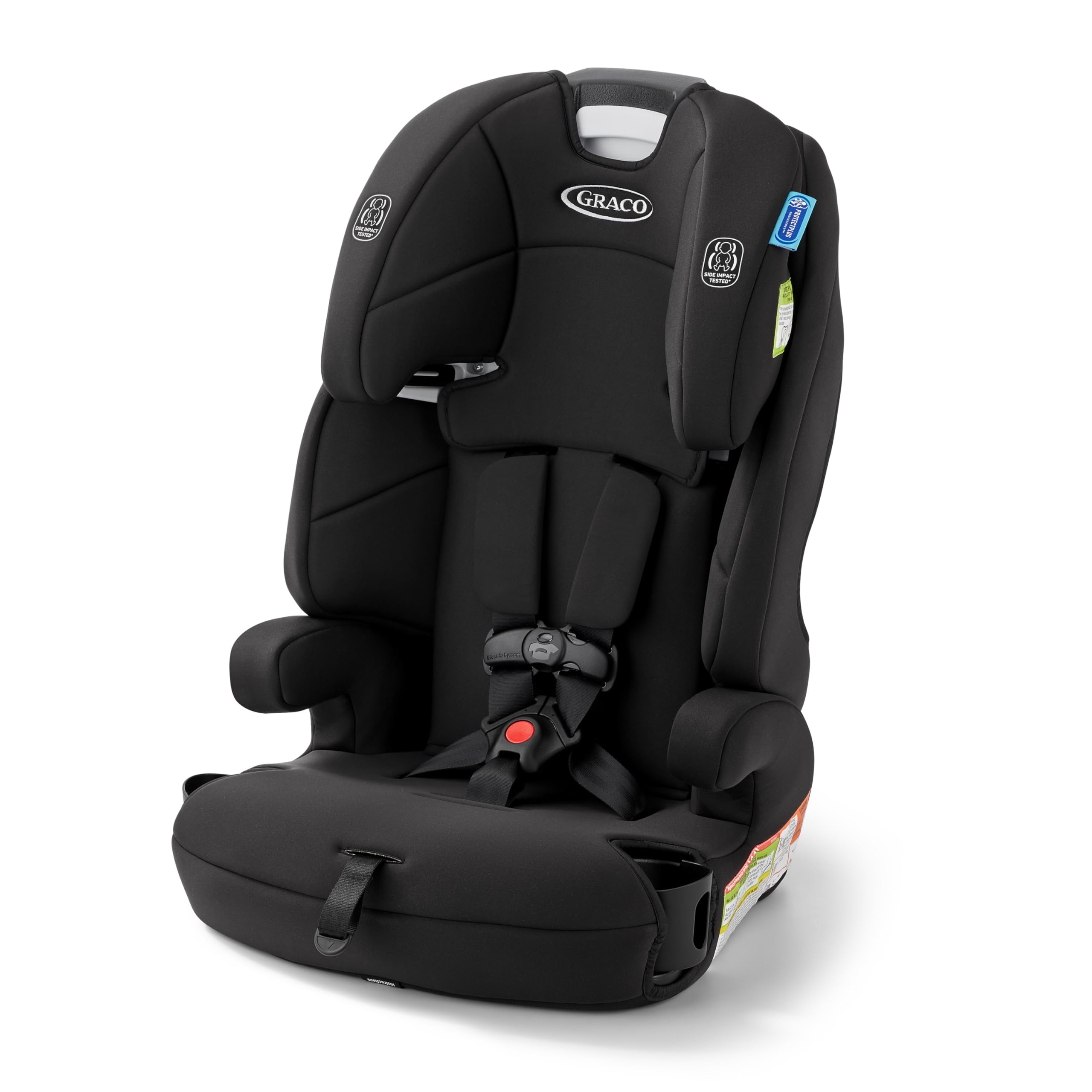
We recommend this seat if you want one lightweight booster that grows with your child and is easy to move between vehicles.
Pros
- Grows with your child from harnessed seat to backless booster.
- Lightweight and skinny, so it fits in tight back seats and carpool lines.
- Simple one-hand headrest and no-rethread harness make daily use fast.
Cons
- Padding feels thinner than some premium seats.
- Less lateral support at leg and arm level for very active kids.
- Not the plushest fabric for long road trips.
We used this seat for our three kids in two cars and liked how quick it is to shift from harness mode to booster mode. The headrest adjusts in one motion and the harness moves with it, which saved time when we swapped cars.
Installation felt secure once we followed the directions. The open-loop belt guides make it easy to route the vehicle belt, and the seat’s light weight meant we could carry it upstairs without strain.
Kids stayed comfortable for short drives, though on long trips we wished for thicker padding. Cup holders were handy and cleaned up fast. Overall, it’s a practical choice for parents who need a flexible, easy-to-handle booster.
Buying Guide
We focus on safety first and fit second when choosing a car seat. Look for models that match your child’s age, weight, and height.
We check for easy, secure installation. Features to prefer: a clear belt path, a tight LATCH system, and a stable load leg or anti-rebound bar if available.
We inspect harness and buckles. The harness should tighten smoothly and sit at the correct height. Buckles should be easy for caregivers to use but hard for a child to unfasten.
We value clear instructions and labels. Manuals and vehicle compatibility guides save time and reduce errors. Consider online videos from trusted safety agencies for installation help.
We compare comfort and fit for short and long rides. Look for good padding, breathable fabric, and adjustable recline. A seat that a child accepts is more likely to be used correctly.
We examine long-term value. Check the seat’s usable lifespan, ease of cleaning, and whether parts are replaceable. Seats without expired or missing labels offer more confidence.
We recommend reviewing independent safety testing and checking for recalls. Use a simple checklist when shopping:
- Age/weight/height fit
- Installation method and ease
- Harness/buckle quality
- Comfort and fabric
- Longevity and maintenance
We test-install before final purchase when possible. A trial in our vehicle helps confirm fit, access, and visibility.
Editor’s Choice
We pick the rear center seat as our top choice for most children. It gives the best balance of protection in side and frontal crashes when a proper car seat fits there.
We prefer seats that allow a snug fit and correct belt routing. If the center lacks LATCH anchors or a firm seatbelt path, the outboard rear seats are next best.
When selecting a car seat, check these quick points:
- Fit: The seat must sit flat and stable.
- Angle: Infant seats need the correct recline.
- Belt path: Follow the manufacturer’s instructions exactly.
We recommend verifying the installation after you place the seat. Use a belt check, a tightness test (less than 1 inch of movement), and, if available, a local inspection station or certified technician.
We like convertible seats that offer clear belt guides and easy harness adjustments. They often work well center or outboard and grow with the child.
Conclusion
We place the car seat in the back middle whenever the vehicle and seat allow it. It usually gives the best protection from side impacts and keeps us farther from airbags and front collisions.
If the center position does not fit the car seat or seat belt, we use the rear passenger side. That spot often makes installation easier and keeps the child within view.
We always follow the car seat and vehicle manuals. Proper installation, correct harness height, and tight attachment matter more than the exact spot.
We check for recalls, inspect the seat regularly, and replace any seat after a crash. We also make use of certified technicians or inspection stations when we need help.
Key points to remember:
- Back seat is safest for children under 13.
- Center is preferred if it fits correctly.
- Use LATCH or seat belt per manuals and local laws.
- Get help from a certified installer when unsure.
We keep the child rear-facing as long as possible, then forward-facing with a harness, and finally a booster until the vehicle belt fits properly. These steps reduce injury risk and help keep travel safer for our children.
FAQS
Q: Where is the safest spot for a car seat?
We place car seats in the back seat, center position when possible. The center is usually farthest from impact in side collisions.
Q: Can we put a car seat in the front seat?
We avoid the front seat if the vehicle has a passenger airbag. Airbags can seriously injure a child in a crash. Use the front only when no back seat exists.
Q: How do we decide between rear-facing and forward-facing?
We keep children rear-facing as long as they fit the car seat limits. Rear-facing supports the head, neck, and spine better in a crash.
Q: Is a seatbelt or LATCH better for installing a car seat?
Both work well when used correctly. We follow the car seat manual and vehicle guide to choose the method that gives the tightest, most secure fit.
Q: How tight should the car seat be?
We expect no more than one inch of movement at the belt path when tested by hand. A tight fit reduces risk in a crash.
Q: Where do we get help installing a car seat?
We recommend certified inspection stations, fire departments, and many hospitals. Many offer free checks and hands-on guidance.
Quick tips:
- Always read both manuals.
- Check the expiration date on the seat.
- Replace after a moderate or severe crash.