Battery Shows Fully Charged but Car Won’t Start

Contents
- 1 Key Takeaways
- 2 📑 Table of Contents
- 3 Why a “Fully Charged” Battery Doesn’t Always Mean It’s Working
- 4 Common Causes: When the Battery Isn’t the Real Problem
- 5 How Temperature Affects Battery Performance
- 6 Parasitic Drain: The Silent Battery Killer
- 7 How to Diagnose and Fix the Problem
- 8 Prevention Tips to Avoid Future No-Start Issues
- 9 When to Call a Mechanic
- 10 Conclusion
- 11 Frequently Asked Questions


Even if your battery shows a full charge, your car might still refuse to start due to hidden issues like corroded terminals, faulty alternators, or bad starters. This guide walks you through the most common culprits and how to fix them—so you’re never stranded again.
You hop into your car, turn the key—and nothing happens. The dashboard lights up, the radio plays, and your phone charger works just fine. Your battery gauge even shows it’s fully charged. So why won’t the engine start?
It’s one of the most frustrating car problems out there: the battery appears healthy, but the car refuses to crank. You’re not alone—this issue plagues drivers every day, especially during cold mornings or after long periods of inactivity. The good news? Most of the time, it’s not a dead battery at all. Instead, it’s often a symptom of a deeper electrical or mechanical issue hiding beneath the surface.
Understanding why your car won’t start—even when the battery seems fine—can save you time, money, and stress. Modern vehicles rely on a complex web of electrical components, and a single weak link can bring the whole system down. From corroded connections to failing alternators, the root cause might surprise you. In this guide, we’ll break down the most common reasons your battery shows fully charged but your car won’t start, how to diagnose them, and what you can do to fix them—often without calling a mechanic.
Key Takeaways
- A fully charged battery doesn’t guarantee a working electrical system: Voltage alone can’t confirm if your battery can deliver the current needed to start the engine.
- Corroded or loose battery terminals are a top cause: Even a small buildup of white or green crust can block power flow, preventing the engine from cranking.
- The alternator may be failing: It keeps the battery charged while driving—if it’s broken, your battery drains quickly, even if it initially shows full charge.
- A bad starter motor can mimic a dead battery: If you hear a clicking sound but the engine doesn’t turn over, the starter could be the real problem.
- Extreme temperatures affect battery performance: Cold weather reduces cranking power, while heat accelerates internal degradation—both can cause no-start issues despite a “full” reading.
- Parasitic drain can silently kill your battery: Faulty electronics or wiring can slowly drain the battery overnight, leaving it unable to start the car in the morning.
- Regular maintenance prevents most no-start problems: Cleaning terminals, testing the charging system, and replacing old batteries (every 3–5 years) can save you from unexpected breakdowns.
📑 Table of Contents
- Why a “Fully Charged” Battery Doesn’t Always Mean It’s Working
- Common Causes: When the Battery Isn’t the Real Problem
- How Temperature Affects Battery Performance
- Parasitic Drain: The Silent Battery Killer
- How to Diagnose and Fix the Problem
- Prevention Tips to Avoid Future No-Start Issues
- When to Call a Mechanic
- Conclusion
Why a “Fully Charged” Battery Doesn’t Always Mean It’s Working
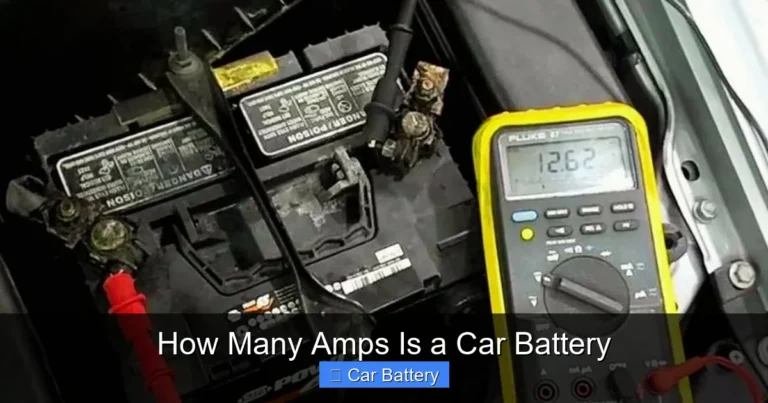
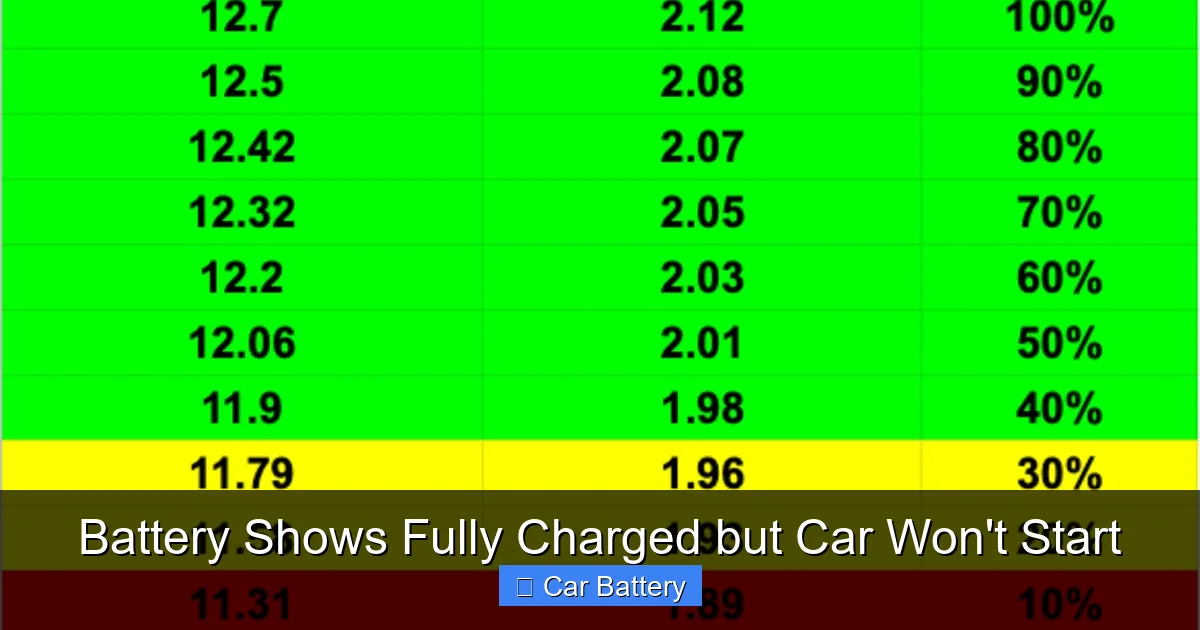
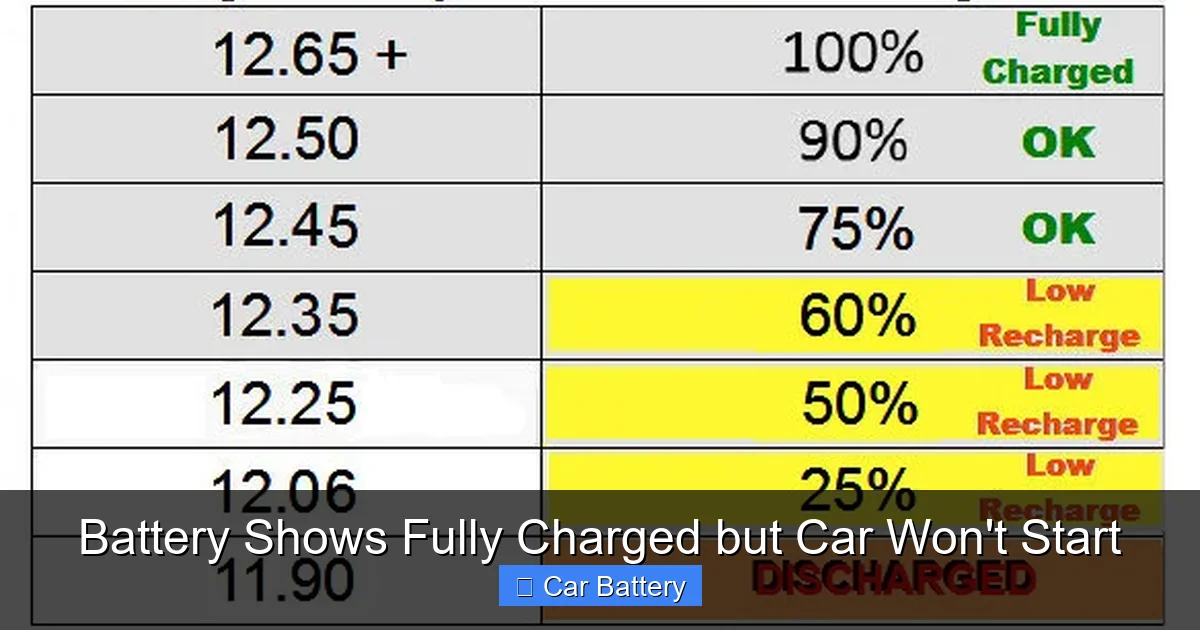
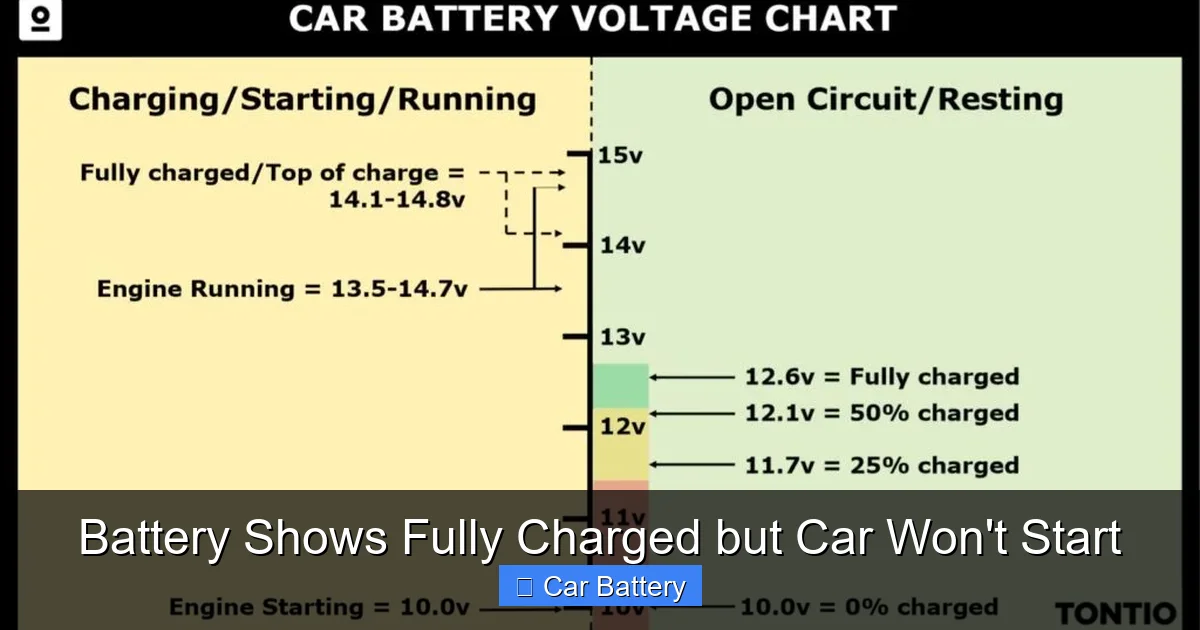
When you check your battery with a voltmeter or see a green dot on a maintenance-free battery, it might read 12.6 volts—the standard for a fully charged 12-volt car battery. But here’s the catch: voltage only tells part of the story. A battery can show full voltage while still being unable to deliver the high current (measured in cold cranking amps, or CCA) needed to turn over the engine.
Think of it like a water tank with a full level but a clogged pipe. The water is there, but it can’t flow when you need it. Similarly, an old or damaged battery might hold a charge but fail under load. This is especially common in batteries over three years old or those exposed to extreme temperatures.
Another factor is sulfation—a buildup of lead sulfate crystals on the battery plates over time. This reduces the battery’s ability to accept and deliver power, even if it appears charged. Sulfation happens gradually and often goes unnoticed until the battery fails to start the car.
So, while a voltage reading is a useful first step, it’s not the final word. To truly assess your battery’s health, you need a load test, which simulates the demand of starting the engine. Many auto parts stores offer this test for free, and it’s the best way to confirm whether your battery is actually up to the task.
Common Causes: When the Battery Isn’t the Real Problem
Visual guide about Battery Shows Fully Charged but Car Won’t Start
Image source: images.saymedia-content.com
Even if your battery shows fully charged, several other components could be preventing your car from starting. Let’s explore the most frequent culprits.
Corroded or Loose Battery Terminals
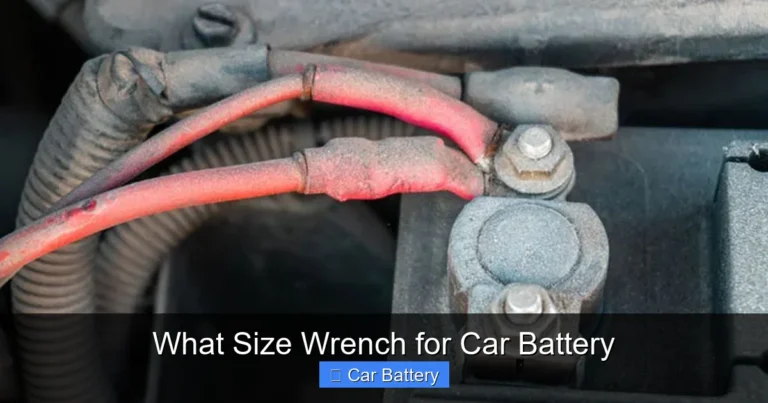
One of the simplest—and most overlooked—causes of a no-start condition is dirty or loose battery terminals. Over time, a white, green, or blue crust forms on the terminals due to chemical reactions between the battery acid and metal. This corrosion acts as an insulator, blocking the flow of electricity from the battery to the starter.
You might not even notice it at first. The corrosion can be subtle, especially if it’s under the terminal clamp. But even a thin layer can be enough to stop your car from starting.
To check, pop the hood and inspect the battery terminals. If you see any powdery buildup, it’s time to clean them. Use a mixture of baking soda and water (about 1 tablespoon of baking soda per cup of water) and an old toothbrush or wire brush. Apply the solution to the terminals, scrub gently, and rinse with clean water. Dry thoroughly, then reconnect the terminals and tighten them securely.
Pro tip: After cleaning, apply a thin layer of petroleum jelly or a commercial terminal protector to prevent future corrosion.
Faulty Alternator
The alternator is the heart of your car’s charging system. It generates electricity while the engine runs, recharging the battery and powering all electrical components. If the alternator fails, your battery will eventually drain—even if it was fully charged when you parked.
A failing alternator might still allow the battery to show a full charge initially, especially if the car was recently driven. But once the engine is off, the battery has no way to recharge. By the next morning, it may not have enough power to start the car.
Signs of a bad alternator include dimming headlights, a battery warning light on the dashboard, or electrical issues like flickering lights or slow power windows. If your car starts but dies shortly after, or if you’ve had to jump-start it repeatedly, the alternator could be the issue.
To test it, use a multimeter to check the voltage at the battery with the engine running. A healthy alternator should produce between 13.8 and 14.4 volts. Anything below 13 volts suggests the alternator isn’t charging properly.
Bad Starter Motor
The starter motor is responsible for turning the engine over when you turn the key. If it fails, you’ll often hear a rapid clicking sound—sometimes called “clicking but no crank”—but the engine won’t turn over.
This symptom is often mistaken for a dead battery, but if your battery shows fully charged and other electronics work fine, the starter is a likely suspect. Starters can fail due to worn brushes, a faulty solenoid, or internal electrical issues.
Testing a starter is more complex and usually requires a mechanic, but you can try tapping it gently with a hammer while someone turns the key. If the car starts, it’s a temporary fix—but the starter needs replacement soon.
Ignition Switch Problems
The ignition switch sends power from the battery to the starter and other systems when you turn the key. If it’s worn or damaged, it might not complete the circuit, even if the battery is fully charged.
Symptoms include intermittent starting, the key getting stuck, or dashboard lights flickering when you turn the key. In some cases, the car might start one day and not the next—with no clear pattern.
Ignition switch issues are more common in older vehicles or those with high mileage. Replacing the switch usually requires professional help, as it’s often integrated into the steering column.
Faulty Neutral Safety Switch or Clutch Interlock
Automatic transmissions have a neutral safety switch that prevents the engine from starting unless the car is in Park or Neutral. Manual transmissions have a clutch interlock switch that requires the clutch pedal to be pressed.
If either switch fails, the car won’t start—even with a fully charged battery. You might hear the starter engage briefly, but the engine won’t turn over.
To test, try starting the car in Neutral (for automatics) or wiggle the gear shifter while turning the key. For manuals, ensure the clutch is fully depressed. If the car starts under these conditions, the switch may need adjustment or replacement.
How Temperature Affects Battery Performance
Visual guide about Battery Shows Fully Charged but Car Won’t Start
Image source: aa1car.com
Weather plays a huge role in your car’s ability to start—even when the battery shows fully charged.
Cold Weather and Reduced Cranking Power
In cold temperatures, the chemical reactions inside a battery slow down, reducing its ability to deliver power. A battery that works fine in summer might struggle to start the engine in winter, especially below freezing.
Cold engines also require more power to turn over because oil thickens and internal friction increases. This double whammy means your battery needs to work harder—just when it’s least capable.
If you live in a cold climate, consider using a battery with higher cold cranking amps (CCA). Also, park in a garage or use a block heater to keep the engine warm.
Heat and Battery Degradation
While cold weather reduces performance, heat accelerates battery wear. High temperatures cause the electrolyte to evaporate and increase sulfation, shortening the battery’s lifespan.
In hot climates, batteries often fail sooner—sometimes in as little as two years. If your battery shows fully charged but your car won’t start on a hot day, it could be nearing the end of its life.
Regular maintenance, like checking fluid levels (in non-sealed batteries) and cleaning terminals, can help extend battery life in extreme heat.
Parasitic Drain: The Silent Battery Killer
Visual guide about Battery Shows Fully Charged but Car Won’t Start
Image source: tontio.com
Parasitic drain occurs when something in your car continues to draw power from the battery even when the engine is off. This can slowly drain the battery overnight, leaving it unable to start the car in the morning—even if it was fully charged the night before.
Common causes include:
– Faulty interior lights (e.g., trunk or glove box light staying on)
– Aftermarket electronics (alarms, dash cams, GPS trackers)
– Malfunctioning relays or control modules
– Short circuits in the wiring
To check for parasitic drain, use a multimeter to measure the current draw with the car off and all accessories disabled. A normal draw is usually under 50 milliamps. Anything higher suggests a problem.
Start by removing fuses one by one to isolate the circuit causing the drain. Once identified, inspect the related components or wiring.
How to Diagnose and Fix the Problem
When your battery shows fully charged but your car won’t start, follow this step-by-step troubleshooting process:
1. **Check the battery terminals** – Look for corrosion or looseness. Clean and tighten if needed.
2. **Test the battery voltage** – Use a multimeter. A reading below 12.4 volts suggests the battery isn’t fully charged.
3. **Perform a load test** – Visit an auto parts store for a free test to check if the battery can deliver power under load.
4. **Inspect the alternator** – With the engine running, check voltage at the battery. It should be 13.8–14.4 volts.
5. **Listen for clicking** – Rapid clicking usually points to a bad starter or weak battery.
6. **Try jump-starting** – If the car starts with a jump but dies later, the alternator may be faulty.
7. **Check fuses and relays** – A blown fuse or stuck relay can prevent the starter from engaging.
8. **Test the ignition switch and safety switches** – Wiggle the key or try starting in Neutral.
If you’re unsure, don’t hesitate to call a professional. Electrical issues can be tricky, and incorrect repairs can cause further damage.
Prevention Tips to Avoid Future No-Start Issues
The best way to deal with a no-start problem is to prevent it from happening in the first place. Here are some practical tips:
– **Clean battery terminals every 6 months** – Prevent corrosion with regular maintenance.
– **Test your battery annually** – Most auto shops offer free testing, especially before winter.
– **Replace old batteries** – Most car batteries last 3–5 years. Don’t wait for failure.
– **Limit short trips** – Frequent short drives don’t allow the alternator to fully recharge the battery.
– **Turn off accessories when parked** – Lights, chargers, and radios can drain the battery over time.
– **Use a battery maintainer** – If you don’t drive often, a trickle charger can keep the battery topped up.
– **Park in a garage** – Protects the battery from extreme temperatures.
By staying proactive, you can avoid the frustration of a car that won’t start—even when the battery shows fully charged.
When to Call a Mechanic
While many no-start issues can be resolved with basic troubleshooting, some problems require professional help. Call a mechanic if:
– You’ve tried jump-starting and the car still won’t start
– The battery and alternator test fine, but the problem persists
– You suspect an electrical fault or wiring issue
– The starter or ignition system needs replacement
Modern vehicles have complex computer systems, and improper repairs can cause more harm than good. When in doubt, it’s better to let a trained technician handle it.
Conclusion
A battery that shows fully charged but won’t start your car is more than just an inconvenience—it’s a sign that something in your vehicle’s electrical system needs attention. While the battery itself might appear healthy, issues like corroded terminals, a failing alternator, or a bad starter can prevent your engine from turning over.
By understanding the common causes and knowing how to diagnose them, you can often resolve the problem yourself—or at least have a clearer idea of what’s wrong before visiting a mechanic. Regular maintenance, seasonal care, and awareness of your car’s electrical health can go a long way in preventing no-start situations.
Remember: a full charge doesn’t always mean full function. Stay informed, stay proactive, and you’ll spend less time stranded and more time on the road.
Frequently Asked Questions
Why does my car battery show full charge but won’t start the engine?
A battery can show full voltage but still fail to deliver the high current needed to crank the engine. This often happens due to internal damage, sulfation, or age. A load test is the best way to confirm if the battery is truly functional.
Can a bad alternator cause a no-start issue even with a charged battery?
Yes. If the alternator fails, the battery won’t recharge while driving. It might start the car once, but after sitting, it could be too drained to start again—even if it initially showed a full charge.
How do I know if my starter is bad?
If you hear a rapid clicking sound when turning the key but the engine doesn’t turn over, and your battery tests fine, the starter is likely faulty. Tapping it gently with a tool might temporarily fix it.
What causes parasitic drain on a car battery?
Parasitic drain happens when electronics or wiring continue to draw power with the car off. Common culprits include interior lights, aftermarket devices, or faulty relays.
Should I replace my battery if it’s over 4 years old?
Yes, it’s a good idea. Most car batteries last 3–5 years. Even if it shows a full charge, an older battery is more likely to fail under load, especially in extreme temperatures.
Can cold weather cause a fully charged battery to fail?
Absolutely. Cold temperatures reduce a battery’s cranking power and increase engine resistance. A battery that works in warm weather might not have enough power to start the car in winter.