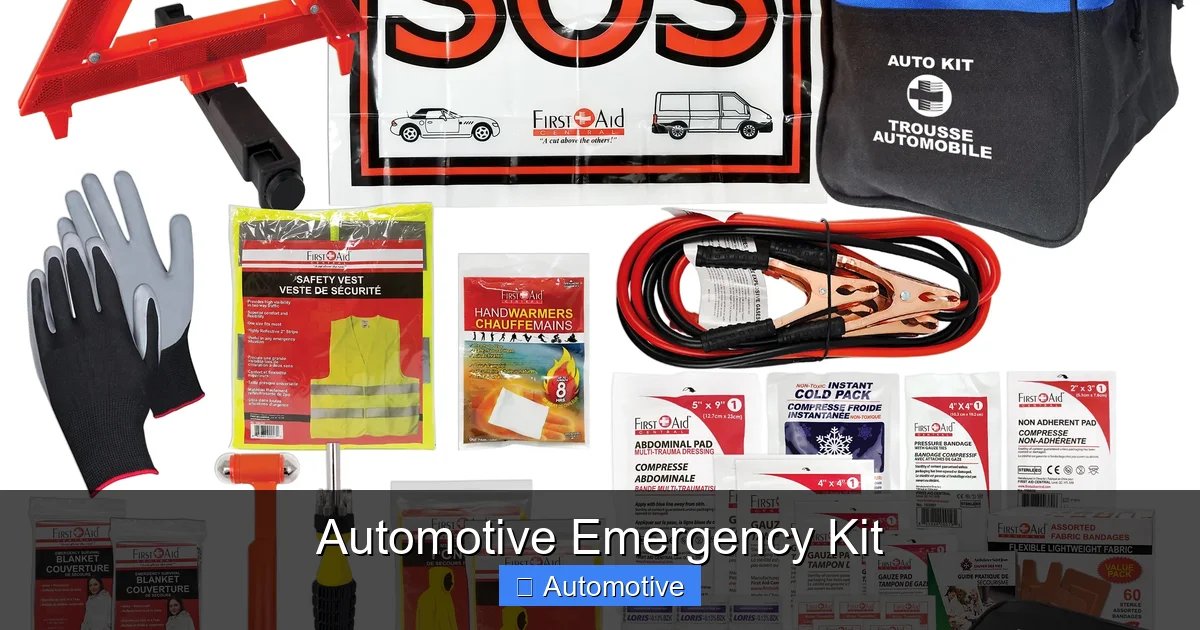
Automotive Emergency Kit

Contents
- 1 Key Takeaways
- 2 📑 Table of Contents
- 3 Why Every Driver Needs an Automotive Emergency Kit
- 4 What’s Inside a Standard Automotive Emergency Kit?
- 5 Customizing Your Kit for Your Needs
- 6 How to Store and Maintain Your Kit
- 7 Common Mistakes to Avoid
- 8 Where to Buy or Build Your Kit
- 9 Real-Life Examples: When Kits Made a Difference
- 10 Final Thoughts: Be Ready, Not Scared
- 11 Frequently Asked Questions

Car LED Headlight Bulb

Rear View Camera

Digital Tire Pressure Gauge

Multipurpose Lubricant Spray
An automotive emergency kit is a must-have for every driver, offering essential tools and supplies to handle breakdowns, accidents, or unexpected weather. Whether you’re commuting daily or taking a long road trip, having a well-stocked kit can mean the difference between a minor delay and a major crisis.
Key Takeaways
- Essential Safety Gear: Items like reflective triangles, LED flashlights, and first aid supplies ensure visibility and immediate care during emergencies.
- Weather Preparedness: Include blankets, hand warmers, and ice scrapers to stay safe in extreme cold or heat.
- Basic Tools and Repair Items: Jumper cables, tire inflators, and duct tape can help you handle minor mechanical issues on the spot.
- Communication and Navigation: A charged power bank and paper maps keep you connected and on track when technology fails.
- Customization Matters: Tailor your kit to your vehicle, climate, and typical driving conditions for maximum effectiveness.
- Regular Maintenance: Check and refresh your kit every six months to ensure all items are functional and up to date.
- Peace of Mind: Simply having a kit reduces stress and increases confidence, knowing you’re prepared for the unexpected.
📑 Table of Contents
- Why Every Driver Needs an Automotive Emergency Kit
- What’s Inside a Standard Automotive Emergency Kit?
- Customizing Your Kit for Your Needs
- How to Store and Maintain Your Kit
- Common Mistakes to Avoid
- Where to Buy or Build Your Kit
- Real-Life Examples: When Kits Made a Difference
- Final Thoughts: Be Ready, Not Scared
Why Every Driver Needs an Automotive Emergency Kit
Picture this: You’re driving home on a rainy evening when your car suddenly sputters and dies on the shoulder of a quiet highway. Your phone battery is at 3%, the nearest gas station is miles away, and visibility is poor. What do you do? This is exactly why every driver should have an automotive emergency kit in their vehicle.
An automotive emergency kit is more than just a collection of random items—it’s a lifeline. It’s designed to help you stay safe, get assistance, and possibly even fix minor issues until help arrives. Whether you’re a daily commuter, a weekend road-tripper, or someone who drives infrequently, emergencies don’t discriminate. Flat tires, dead batteries, sudden storms, or even minor accidents can happen to anyone, anywhere.
The good news? A well-prepared kit can turn a potentially dangerous situation into a manageable one. It gives you control when things go wrong. And the best part? You don’t need to spend a fortune. With a little planning and smart choices, you can build a reliable kit that fits in your trunk and gives you peace of mind every time you hit the road.
What’s Inside a Standard Automotive Emergency Kit?
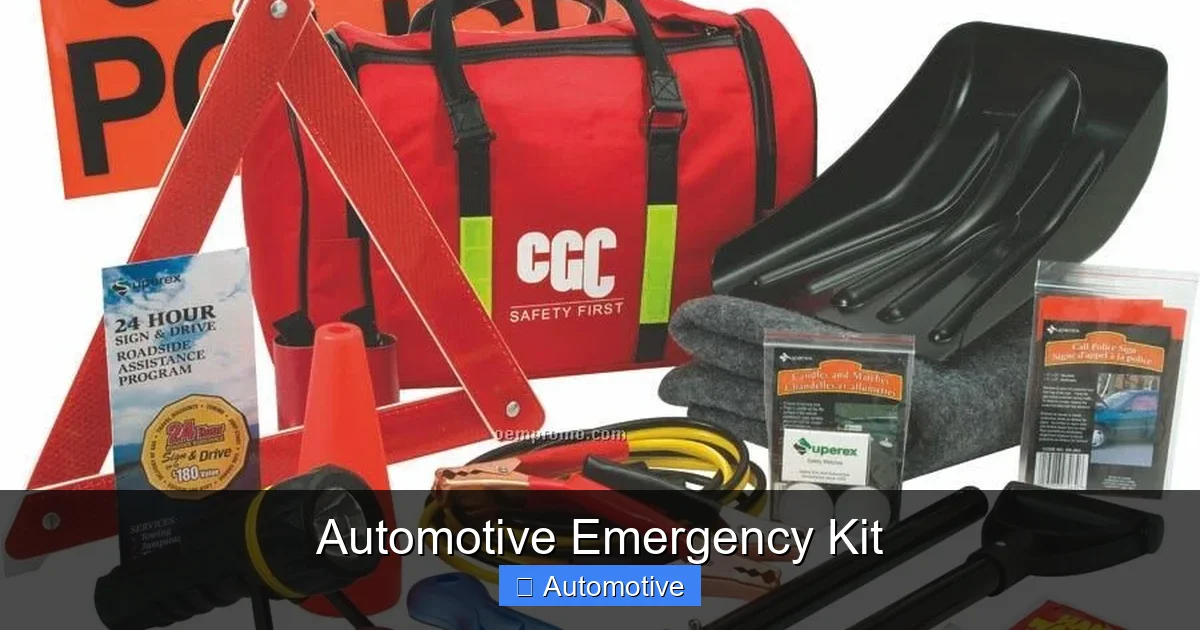
Visual guide about Automotive Emergency Kit
Image source: photo.oempromo.com
So, what exactly should you include in your automotive emergency kit? While kits can vary based on personal needs and climate, most experts agree on a core set of essentials. Think of it as your roadside survival toolkit—compact, practical, and ready when you need it most.
Let’s break down the must-have categories and items that every solid automotive emergency kit should contain.
Safety and Visibility Items
When your car breaks down, especially at night or in bad weather, being seen is critical. Other drivers need to know you’re there—before they get too close.
Start with **reflective warning triangles or flares**. These should be placed 50 to 100 feet behind your vehicle to alert oncoming traffic. LED flares are a great modern option—they’re reusable, weather-resistant, and don’t pose a fire hazard like traditional flares.
Next, include a **high-lumen LED flashlight** with extra batteries or a hand-crank option. A flashlight helps you inspect your car, read instructions, or signal for help. Look for one with a red light mode to preserve night vision and avoid blinding other drivers.
Don’t forget **reflective safety vests**. If you need to get out of your car on a busy road, wearing a bright, reflective vest makes you much more visible to other drivers. Keep one for each passenger if possible.
First Aid and Health Supplies
Accidents happen—even minor ones can lead to cuts, scrapes, or sprains. A compact **first aid kit** is non-negotiable. At a minimum, it should include:
– Adhesive bandages (various sizes)
– Sterile gauze pads and medical tape
– Antiseptic wipes or solution
– Tweezers and scissors
– Pain relievers (like ibuprofen or acetaminophen)
– Instant cold packs
– Disposable gloves
Consider adding personal medications if you or your passengers have known conditions. For example, if someone has allergies, include an antihistamine. If you have asthma, keep an inhaler in the kit.
Also, pack a small **emergency blanket**—the kind made of Mylar. These lightweight, foil-like blankets reflect body heat and are lifesavers in cold weather. They take up almost no space but can prevent hypothermia if you’re stranded for hours.
Tools for Basic Repairs and Maintenance
Sometimes, a quick fix can get you back on the road without waiting for a tow truck. That’s where basic tools come in.
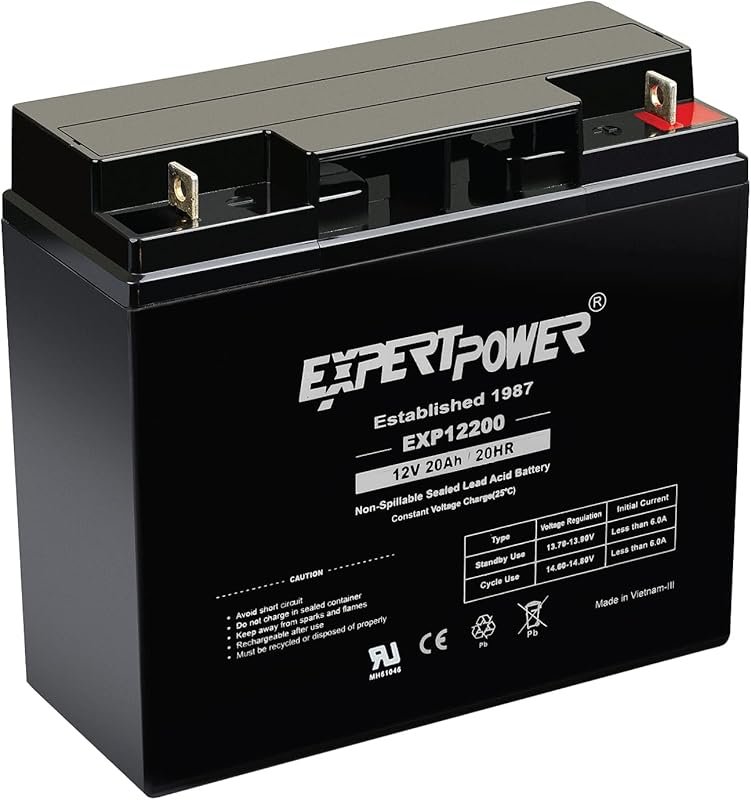
**Jumper cables or a portable jump starter** are essential. A dead battery is one of the most common roadside issues. Traditional jumper cables require another vehicle, but a portable jump starter (also called a jump box) works independently—just charge it regularly.
Include a **tire pressure gauge and portable air compressor**. Underinflated tires can cause blowouts, especially in hot weather. A small 12V air compressor plugs into your cigarette lighter and can inflate a flat enough to get you to a service station.
A **multi-tool or basic toolkit** with screwdrivers, pliers, and a wrench can help with minor adjustments. Duct tape and zip ties are also surprisingly useful for temporary fixes—like securing a loose bumper or patching a hose.
Don’t overlook **fuses and spare bulbs**. If your headlights or brake lights fail, replacing a fuse or bulb might be all you need. Check your vehicle’s manual to know which fuses and bulbs to stock.
Weather-Specific Gear
Your climate plays a big role in what you should pack. A kit for someone in Alaska will look very different from one in Arizona.
In **cold climates**, include:
– Insulated blankets or sleeping bags
– Hand and foot warmers
– Ice scraper and snow brush
– Small shovel (collapsible ones save space)
– Sand or kitty litter for traction under tires
In **hot or desert regions**, prioritize:
– Extra water (at least one gallon per person)
– Cooling towels or misting bottles
– Sunshade for the windshield
– Electrolyte packets or sports drinks
For **rainy or flood-prone areas**, add:
– Waterproof poncho or rain jacket
– Waterproof matches or lighter
– Towel or absorbent cloths
Even if you live in a mild climate, it’s smart to prepare for unexpected weather. A sudden storm or unseasonable cold snap can leave you stranded.
Communication and Navigation Tools
When technology fails, old-school tools can save the day.
Always carry a **portable power bank** to keep your phone charged. Choose one with at least 10,000mAh capacity and multiple USB ports. Solar-powered chargers are a bonus if you’re in remote areas.
Include **paper maps** of your region. GPS and phone maps are great—until you lose signal. A physical map helps you navigate to the nearest town, gas station, or emergency services.
A **whistle** is a simple but effective signaling device. Three sharp blasts are the universal distress signal. It’s lightweight, doesn’t need batteries, and can be heard from far away.
Consider a **hand-crank radio** that picks up NOAA weather alerts. This keeps you informed about storms, road closures, or emergency broadcasts—even if the power is out.
Customizing Your Kit for Your Needs

Visual guide about Automotive Emergency Kit
Image source: aaa.readyamerica.com
There’s no one-size-fits-all automotive emergency kit. The best kits are tailored to your lifestyle, vehicle, and environment.
Consider Your Driving Habits
Do you drive mostly in the city, or do you frequently take long highway trips? If you’re on the road for hours, your needs change.
For **long-distance drivers**, add extra water, non-perishable snacks (like granola bars or nuts), and a small first aid manual. You might also want a tire repair kit with sealant and plugs.
If you **commute daily**, focus on quick fixes and visibility. A compact kit with jumper cables, flashlight, and warning triangles might be enough—but don’t skip the basics.
Vehicle-Specific Additions
Your car type matters. For example:
– **SUVs and trucks** might need a larger shovel or recovery straps if you drive off-road.
– **Electric vehicles (EVs)** may require a charging adapter or info card with charging station locations.
– **Older vehicles** might benefit from extra coolant, oil, and a spare serpentine belt.
Check your owner’s manual for recommended spare parts and fluids. Some cars have unique requirements—like specific fuse types or tire sizes.
Family and Pet Considerations
If you travel with kids or pets, your kit should reflect that.
For **children**, include:
– Non-perishable snacks (crackers, fruit snacks)
– Small toys or coloring books to keep them calm
– Extra layers of clothing
– Diapers and wipes if needed
For **pets**, pack:
– Water and a collapsible bowl
– Leash and waste bags
– Favorite toy or blanket for comfort
– Basic pet first aid supplies (like gauze and antiseptic)
A stressed pet can make an emergency worse. Having familiar items helps keep them calm.
How to Store and Maintain Your Kit
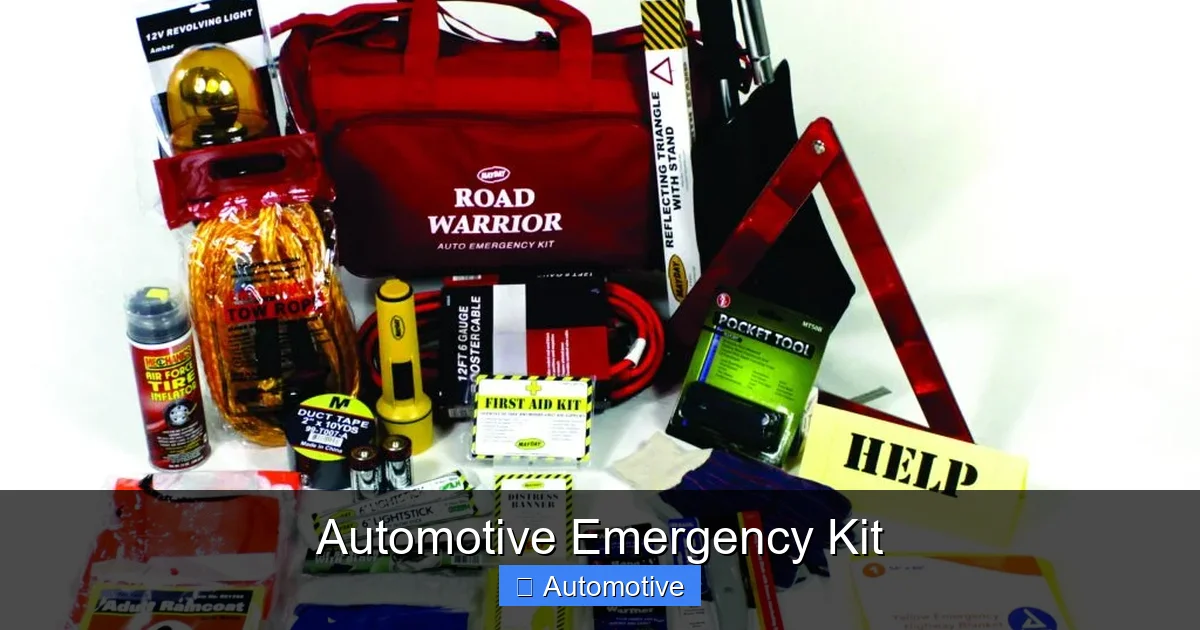
Visual guide about Automotive Emergency Kit
Image source: aaa.readyamerica.com
Having a kit is only half the battle—keeping it ready is just as important.
Choose the Right Storage Container
Your kit should be stored in a **durable, waterproof container**. Hard plastic bins with latches work well, or you can use a heavy-duty duffel bag with compartments. Label it clearly so anyone can find it quickly.
Store it in an **easily accessible spot**—like under the seat, in the trunk, or in a rear storage compartment. Avoid the glove box; it’s too small and may not be reachable if the car is damaged.
Check and Refresh Regularly
Set a reminder to inspect your kit **every six months**. Check expiration dates on medications, food, and batteries. Replace used or expired items immediately.
Test your flashlight, radio, and jump starter. Make sure the power bank holds a charge. If you used any items (like a first aid supply or water), restock them.
Update your kit seasonally. Swap out summer items for winter gear as the weather changes. For example, remove cooling towels in fall and add hand warmers.
Involve the Whole Family
Make sure everyone in your household knows where the kit is and how to use it. Teach older kids how to place warning triangles or use a flashlight. Practice basic steps, like calling for help or changing a tire.
Consider creating a simple **emergency action plan**—write down important phone numbers (roadside assistance, family contacts) and keep it in the kit. Include your insurance info and vehicle details.
Common Mistakes to Avoid
Even the most prepared drivers can make errors when building or using their automotive emergency kit.
Overloading the Kit
More isn’t always better. A cluttered kit is hard to navigate in an emergency. Stick to essentials and avoid “just in case” items that take up space. For example, a full toolbox might be overkill—opt for a compact multi-tool instead.
Ignoring Expiration Dates
Food, medicine, and batteries don’t last forever. A half-empty water bottle or expired pain relievers won’t help when you need them most. Stay on top of replacements.
Forgetting to Test Items
A flashlight with dead batteries is useless. A jump starter that hasn’t been charged in a year won’t start your car. Test everything regularly to ensure it works.
Storing in the Wrong Place
If your kit is buried under luggage or in the back of a packed SUV, you won’t get to it quickly. Keep it visible and reachable.
Where to Buy or Build Your Kit
You have two options: buy a pre-made kit or build your own.
Pre-Made Kits
Many retailers sell ready-to-go automotive emergency kits. These are convenient and often include a good mix of basics. Look for kits from reputable brands like AAA, Lifeline, or First Alert.
Pros: Saves time, usually well-organized, often include a carrying case.
Cons: May include unnecessary items, harder to customize, can be pricey.
DIY Kits
Building your own kit lets you choose exactly what you need. Start with a list, shop sales, and gather items over time.
Pros: Fully customizable, often cheaper, you know exactly what’s inside.
Cons: Takes time and effort, requires research.
Many drivers choose a hybrid approach: buy a basic kit and add personalized items.
Real-Life Examples: When Kits Made a Difference
Stories from real drivers show how an automotive emergency kit can be a lifesaver.
One driver in Colorado was stranded in a snowstorm when her car slid off the road. With no cell service, she used her emergency blanket to stay warm, her flashlight to signal a passing snowplow, and her hand-crank radio to hear weather updates. She stayed safe for over six hours until help arrived.
Another example: A family on a road trip in Texas had a flat tire at night on a remote highway. Using their warning triangles and flashlight, they stayed visible while the father changed the tire. The portable air compressor helped reinflate the spare, and they made it to a repair shop the next morning.
These stories highlight a simple truth: preparation pays off.
Final Thoughts: Be Ready, Not Scared
Driving comes with risks—but that doesn’t mean you should be afraid. An automotive emergency kit is about empowerment. It’s about knowing that if something goes wrong, you’re not helpless.
You don’t need to be a mechanic or survival expert. You just need to be prepared. Start small. Add a few key items today. Check your kit every few months. Teach your family what to do.
Because when the unexpected happens, you won’t be asking, “What if?” You’ll be saying, “I’ve got this.”
And that’s the best feeling of all.
Frequently Asked Questions
What should be in a basic automotive emergency kit?
A basic kit should include a flashlight, first aid supplies, jumper cables, warning triangles, a tire pressure gauge, duct tape, and an emergency blanket. These items cover most common roadside issues.
How often should I check my emergency kit?
Check your kit every six months to replace expired items, test batteries, and ensure everything is in working order. Update it seasonally for weather changes.
Can I build my own kit instead of buying one?
Yes, building your own kit allows for customization and can be more cost-effective. Just make sure to include all essential items and store them properly.
Do I need different items for winter driving?
Yes, winter kits should include ice scrapers, snow brushes, hand warmers, extra blankets, and traction aids like sand or kitty litter.
Should I include food and water in my kit?
Yes, especially if you drive long distances or in remote areas. Pack non-perishable snacks and at least one gallon of water per person.
Where is the best place to store an emergency kit in my car?
Store it in an easily accessible spot like the trunk, under a seat, or in a rear storage compartment. Avoid the glove box or areas that may be blocked in an accident.