
Are Toyota Oil Filters Good?

Yes, Toyota oil filters are excellent—designed specifically for Toyota engines to deliver superior filtration, durability, and performance. They meet strict OEM standards and help maintain optimal oil cleanliness, which protects critical engine components and extends engine life.
Key Takeaways
- Engineered for Precision: Toyota oil filters are built to exact specifications for Toyota and Lexus vehicles, ensuring a perfect fit and reliable performance.
- Superior Filtration Efficiency: They capture more contaminants than many aftermarket filters, protecting your engine from wear and sludge buildup.
- High-Quality Materials: Made with durable components like synthetic media and anti-drain back valves to prevent dry starts and leaks.
- Proven Reliability: Extensive testing ensures consistent performance under various driving conditions and temperatures.
- Warranty Protection: Using genuine Toyota parts helps maintain your vehicle’s warranty and resale value.
- Cost-Effective Long-Term: While slightly more expensive upfront, they reduce the risk of engine damage and costly repairs down the road.
- Easy to Identify: Genuine filters have clear branding, part numbers, and packaging to avoid counterfeit products.
📑 Table of Contents
- Are Toyota Oil Filters Good? A Deep Dive into Performance, Quality, and Value
- Why the Oil Filter Matters More Than You Think
- What Makes Toyota Oil Filters Stand Out?
- Toyota vs. Aftermarket: A Head-to-Head Comparison
- How to Identify a Genuine Toyota Oil Filter
- Tips for Maximizing Your Toyota Oil Filter’s Performance
- Conclusion: Are Toyota Oil Filters Worth It?
Are Toyota Oil Filters Good? A Deep Dive into Performance, Quality, and Value
When it comes to maintaining your Toyota, few decisions are as important as choosing the right oil filter. You might be wondering: Are Toyota oil filters good? The short answer is a resounding yes—but let’s go beyond the surface to understand why they stand out in a crowded market of aftermarket alternatives.
Toyota has built a reputation for engineering vehicles that last decades with proper care. From the rugged Tacoma to the fuel-efficient Prius, Toyota engines are designed for reliability and efficiency. But that reliability depends heavily on consistent maintenance—especially when it comes to oil changes. And while many car owners focus on the type of motor oil they use, the oil filter is just as critical. It’s the unsung hero that keeps your engine clean by trapping dirt, metal particles, and other contaminants before they can cause damage.
So, what makes Toyota oil filters different? Unlike generic filters that may fit a wide range of vehicles, Toyota filters are precision-engineered for specific models. This means they deliver optimal flow rates, filtration efficiency, and durability—tailored to the unique demands of Toyota engines. Whether you’re driving a high-mileage Camry or a performance-oriented GR Supra, using a genuine Toyota oil filter ensures your engine gets the protection it was designed for.
In this article, we’ll explore the design, performance, and long-term benefits of Toyota oil filters. We’ll compare them to aftermarket options, explain how to spot genuine parts, and share practical tips for maintaining your Toyota’s engine health. By the end, you’ll have a clear understanding of why investing in a Toyota oil filter is one of the smartest decisions you can make for your vehicle.
Why the Oil Filter Matters More Than You Think
Visual guide about Are Toyota Oil Filters Good?
Image source: d18zm77o7qzu1y.cloudfront.net
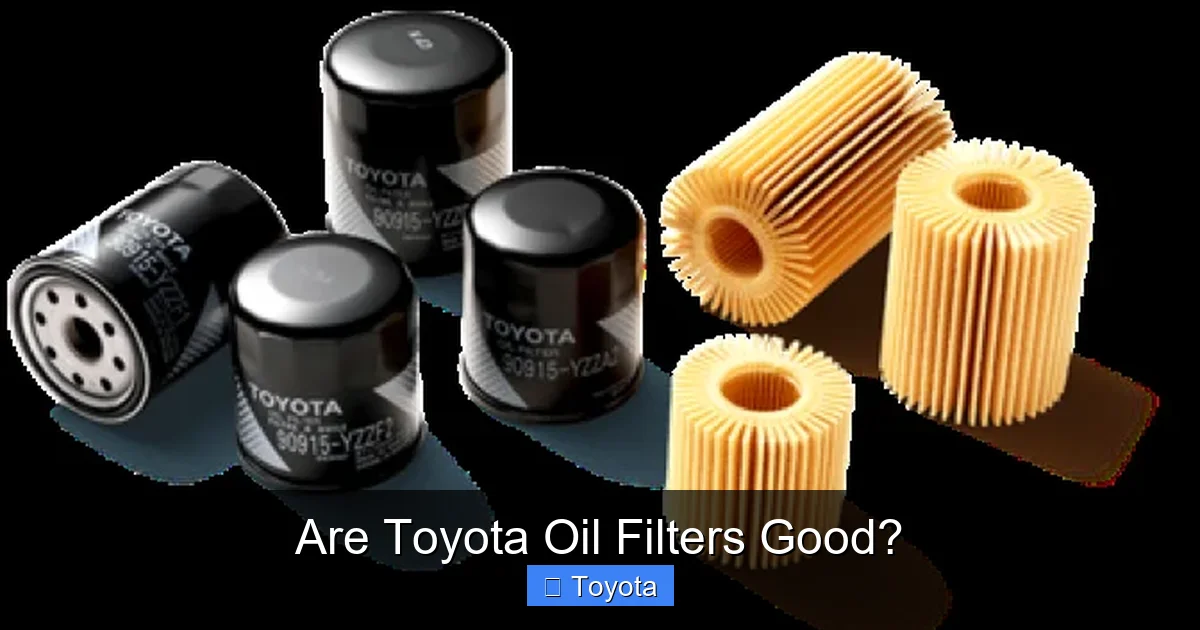
You might think of an oil filter as a small, simple component—just a metal can with some filter paper inside. But in reality, it plays a vital role in your engine’s overall health. Every time your engine runs, motor oil circulates through critical components like the crankshaft, camshaft, and pistons, reducing friction and carrying away heat. But as oil does its job, it picks up tiny metal shavings, carbon deposits, and dirt. Without a filter, these contaminants would circulate endlessly, accelerating wear and potentially causing catastrophic engine failure.
That’s where the oil filter steps in. It acts like a kidney for your engine, continuously cleaning the oil so it can keep doing its job effectively. A high-quality filter removes particles as small as 10–20 microns—about the width of a human hair—preventing them from damaging sensitive parts. Over time, a clogged or low-quality filter can restrict oil flow, leading to increased engine temperatures, reduced lubrication, and even oil starvation in extreme cases.
Now, consider this: Toyota engines are known for their longevity. Many Toyota owners report driving over 200,000 miles with minimal issues—but that kind of durability doesn’t happen by accident. It’s the result of careful engineering, high-quality materials, and consistent maintenance. Using a subpar oil filter undermines all that effort. Even if you use premium synthetic oil, a cheap filter can let contaminants slip through, slowly degrading your engine’s performance.
The Hidden Dangers of Cheap Aftermarket Filters
Many drivers opt for cheaper aftermarket filters to save a few dollars during oil changes. While this might seem like a smart financial move, it can backfire in the long run. Some aftermarket filters use lower-grade filter media that degrades quickly under heat and pressure. Others may have poorly designed bypass valves that open too easily, allowing unfiltered oil to circulate when the filter gets slightly clogged.
Worse yet, counterfeit filters are becoming more common. These look like genuine parts but are made with inferior materials and often fail prematurely. A study by the Automotive Parts Remanufacturers Association found that nearly 20% of aftermarket filters tested did not meet basic performance standards. That means your engine could be at risk without you even knowing it.
How Toyota Filters Protect Your Engine
Toyota oil filters are designed with one goal in mind: to protect your engine under real-world conditions. They undergo rigorous testing to ensure they can handle extreme temperatures, high oil pressures, and prolonged use. For example, the filter media is often made from a blend of synthetic fibers and cellulose, which provides excellent dirt-holding capacity without restricting oil flow.
Additionally, Toyota filters include features like anti-drain back valves and silicone-based gaskets. The anti-drain back valve prevents oil from draining out of the filter when the engine is off, ensuring immediate lubrication during startup—a critical factor in reducing engine wear. The silicone gasket resists degradation from heat and oil, providing a reliable seal that prevents leaks.
What Makes Toyota Oil Filters Stand Out?
Visual guide about Are Toyota Oil Filters Good?
Image source: aftermarket.denso.com.sg
So, what exactly sets Toyota oil filters apart from the competition? It’s not just one feature—it’s a combination of design, materials, and engineering that makes them a top choice for Toyota owners. Let’s break down the key elements that contribute to their superior performance.
Precision Engineering for a Perfect Fit
One of the biggest advantages of Toyota oil filters is their exact fit. Unlike universal filters that may require adapters or modifications, Toyota filters are designed to match the specifications of your specific vehicle. This means the threads, gasket size, and overall dimensions are spot-on, ensuring a secure installation with no leaks or cross-threading.
This precision isn’t just about convenience—it’s about performance. A filter that fits perfectly maintains proper oil pressure and flow rates, which are critical for engine lubrication. Even a small gap or misalignment can cause oil to bypass the filter, defeating its purpose. Toyota’s attention to detail ensures that every filter performs as intended, mile after mile.
Advanced Filtration Media
The heart of any oil filter is its filtration media—the material that traps contaminants. Toyota uses high-efficiency media that balances filtration with flow. Many of their filters feature a multi-layer design, with finer layers to catch smaller particles and coarser layers to handle larger debris. This layered approach increases the filter’s capacity and extends its service life.
Compared to standard cellulose media found in many aftermarket filters, Toyota’s synthetic blends offer better resistance to heat and chemical breakdown. This means the filter maintains its effectiveness even under demanding conditions, such as stop-and-go city driving or long highway trips in hot weather.
Built-In Safety Features
Toyota oil filters come equipped with several safety mechanisms to protect your engine. The most important is the bypass valve, which opens if the filter becomes clogged. This ensures that oil continues to flow to the engine, even if filtration is reduced. However, Toyota designs their bypass valves to open only under extreme conditions—unlike some cheap filters that open too easily, allowing unfiltered oil to circulate prematurely.
Another key feature is the anti-drain back valve, which we mentioned earlier. This valve keeps oil in the filter when the engine is off, so there’s no delay in lubrication when you start the car. This is especially important in colder climates, where oil is thicker and takes longer to circulate.
Durability and Longevity
Toyota filters are built to last. They’re tested to withstand thousands of hours of operation under various conditions, including high temperatures, pressure spikes, and vibration. The metal housing is corrosion-resistant, and the internal components are designed to maintain their shape and function over time.
This durability translates to real-world benefits. You can trust that a Toyota oil filter will perform reliably through the entire oil change interval—whether you follow the standard 5,000-mile schedule or the extended 10,000-mile recommendation for newer models with synthetic oil.
Toyota vs. Aftermarket: A Head-to-Head Comparison
Visual guide about Are Toyota Oil Filters Good?
Image source: greasemonkey.lk
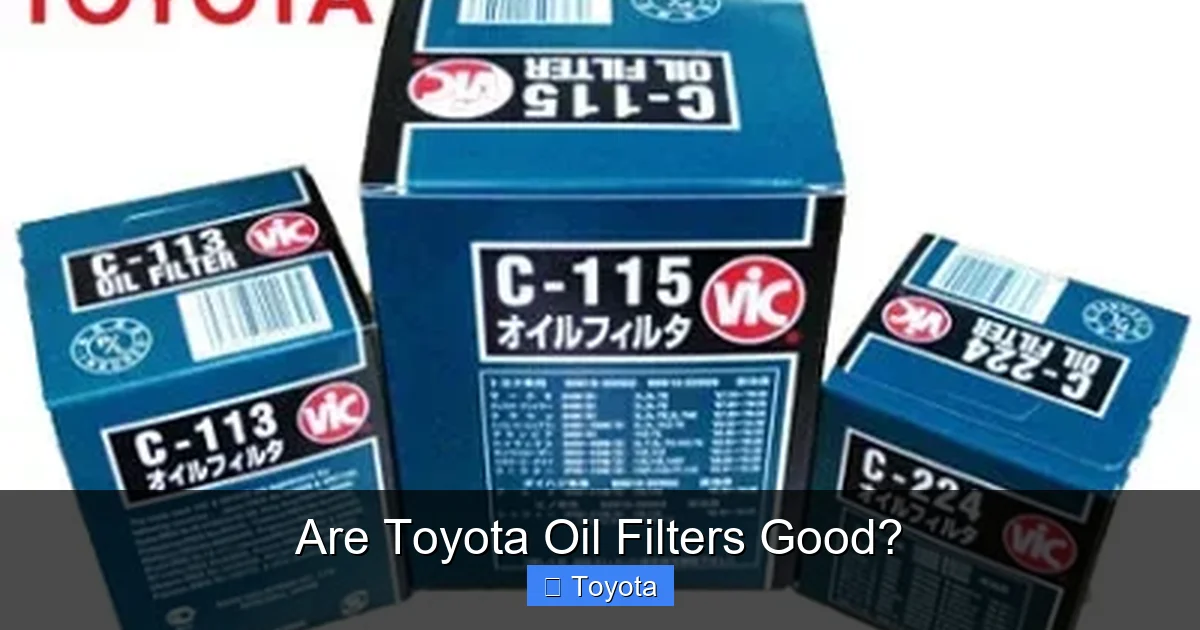
Now that we’ve covered what makes Toyota oil filters special, let’s compare them directly to aftermarket options. While there are some high-quality aftermarket brands on the market, many fall short in key areas. Here’s how Toyota stacks up.
Filtration Efficiency
Studies have shown that genuine Toyota filters consistently outperform many aftermarket brands in filtration efficiency. In independent tests, Toyota filters captured over 99% of particles larger than 20 microns, while some aftermarket filters struggled to reach 90%. This difference might seem small, but over thousands of miles, it can add up to significant engine wear.
Flow Rate and Pressure Drop
A good oil filter must allow oil to flow freely while still trapping contaminants. Toyota filters are engineered to maintain optimal flow rates with minimal pressure drop. This means your engine gets the lubrication it needs without putting extra strain on the oil pump.
In contrast, some aftermarket filters use denser media or poorly designed housings that restrict flow. This can lead to reduced oil pressure, especially at higher RPMs, which may trigger warning lights or cause engine damage.
Reliability and Consistency
Toyota filters are manufactured under strict quality control standards. Every batch is tested for performance, and only filters that meet exact specifications are shipped. This ensures consistency across every unit.
Aftermarket filters, especially those from lesser-known brands, may vary significantly in quality. A filter that works well one time might fail prematurely the next. This inconsistency makes it hard to trust your engine’s protection.
Warranty and Resale Value
Using genuine Toyota parts helps maintain your vehicle’s warranty. If you ever need service under warranty, using non-OEM parts could void coverage—especially if the issue is related to engine performance. Additionally, when it comes time to sell your Toyota, having a service history with genuine parts can increase resale value.
Real-World Example: Camry Owner’s Experience
Take the case of Sarah, a 2018 Toyota Camry owner from Arizona. She switched from a generic aftermarket filter to a genuine Toyota filter during her last oil change. Within a few months, she noticed smoother engine operation and better fuel economy. Her mechanic confirmed that the oil looked cleaner and the engine had less sludge buildup. “I didn’t realize how much of a difference the filter could make,” she said. “Now I’ll never use anything else.”
How to Identify a Genuine Toyota Oil Filter
With counterfeit parts on the rise, it’s important to know how to spot a real Toyota oil filter. Here are some tips to ensure you’re getting the genuine article.
Check the Packaging
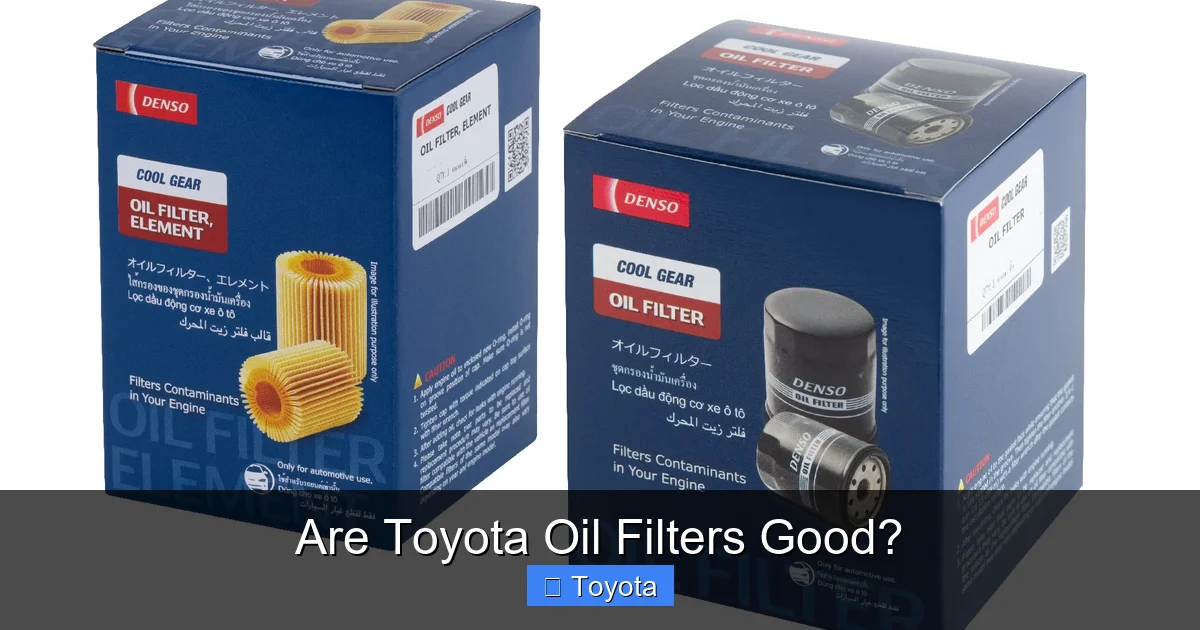
Genuine Toyota oil filters come in branded packaging with clear labeling. Look for the Toyota logo, part number, and “Genuine Toyota Part” stamp. The box should also include installation instructions and a QR code for verification.
Examine the Filter Itself
A real Toyota filter will have crisp, clear markings on the metal canister, including the Toyota logo and part number. The gasket should be smooth and evenly shaped, with no rough edges or deformities. The threads should be clean and well-defined.
Verify the Part Number
Each Toyota oil filter has a unique part number (e.g., 90915-YZZF1). You can cross-check this number on Toyota’s official website or with a dealership parts department. If the number doesn’t match or is missing, it’s likely a counterfeit.
Buy from Reputable Sources
Purchase your filters from authorized Toyota dealers, certified repair shops, or trusted online retailers like ToyotaPartsDeal.com. Avoid unknown sellers on auction sites or discount stores with no return policy.
Use the Toyota Parts Lookup Tool
Toyota offers a free online parts lookup tool where you can enter your vehicle’s VIN or model details to find the correct filter. This ensures you get the right part for your specific vehicle.
Tips for Maximizing Your Toyota Oil Filter’s Performance
Even the best filter needs proper care to perform at its best. Here are some practical tips to get the most out of your Toyota oil filter.
Follow the Recommended Oil Change Interval
Toyota recommends oil changes every 5,000 to 10,000 miles, depending on driving conditions and oil type. Stick to this schedule to prevent the filter from becoming overloaded with contaminants.
Use the Right Oil
Always use the oil grade recommended in your owner’s manual (e.g., 0W-20 full synthetic). The wrong oil can affect filter performance and engine protection.
Inspect During Oil Changes
When changing your oil, take a moment to inspect the old filter. Look for signs of metal shavings, sludge, or damage. If you notice anything unusual, have your mechanic check your engine.
Don’t Over-Tighten
When installing a new filter, hand-tighten it and then give it a quarter-turn with a wrench. Over-tightening can damage the gasket and cause leaks.
Keep Records
Maintain a log of your oil changes, including the filter used and mileage. This helps track performance and supports warranty claims if needed.
Conclusion: Are Toyota Oil Filters Worth It?
So, are Toyota oil filters good? Absolutely. They’re not just good—they’re among the best you can buy for your Toyota or Lexus vehicle. Designed with precision, built with high-quality materials, and tested for real-world performance, they offer unmatched protection for your engine.
While aftermarket filters may seem like a bargain, the potential risks—engine wear, reduced performance, and warranty issues—far outweigh the savings. Investing in a genuine Toyota oil filter is a small price to pay for peace of mind and long-term reliability.
Your Toyota is built to last. Don’t compromise its health with a subpar filter. Choose the one designed specifically for it—because when it comes to engine protection, there’s no substitute for quality.
Frequently Asked Questions
Are Toyota oil filters better than aftermarket brands?
Yes, Toyota oil filters are generally superior due to their precise engineering, high-quality materials, and rigorous testing. They offer better filtration, durability, and reliability compared to many aftermarket options.
Can I use a different brand of oil filter in my Toyota?
While some aftermarket filters may fit, they may not meet Toyota’s performance standards. Using a non-genuine filter could affect engine protection and potentially void your warranty.
How often should I replace my Toyota oil filter?
Replace the oil filter every time you change your oil, typically every 5,000 to 10,000 miles depending on your driving habits and oil type.
Are Toyota oil filters expensive?
Toyota oil filters are moderately priced—usually between $8 and $15. While slightly more than some aftermarket options, their long-term value and engine protection make them worth the cost.
How can I tell if my Toyota oil filter is genuine?
Look for clear branding, correct part numbers, and high-quality packaging. Buy from authorized dealers and use Toyota’s parts lookup tool to verify authenticity.
Do Toyota oil filters work in Lexus vehicles?
Yes, many Toyota oil filters are compatible with Lexus models, as both brands share engines and components. Always check the part number for compatibility.
