
Are Maseratis Good Cars?

Maseratis are undeniably stylish and deliver thrilling performance, blending Italian craftsmanship with powerful engines for a truly engaging drive. However, their reliability and maintenance costs often lag behind German rivals, making them a passion purchase rather than a practical daily driver. While they offer a luxurious, head-turning experience, prospective buyers should weigh the long-term upkeep against the undeniable allure.
Key Takeaways
- Maseratis offer luxury and performance but require higher maintenance costs.
- Build quality is stylish, though reliability lags behind German rivals.
- Resale value drops quickly, making used models a better deal.
- Regular servicing is critical to avoid expensive repairs down the road.
- Ideal for driving enthusiasts who prioritize sound and handling over practicality.
- Consider certified pre-owned to reduce risk and extend warranty coverage.
📑 Table of Contents
- Are Maseratis Good Cars?
- Performance: Italian Passion Meets Raw Power
- Design and Interior: Italian Craftsmanship with a Flair
- Reliability and Maintenance: The Reality Behind the Romance
- Technology and Features: Catching Up to the Competition
- Ownership Experience: More Than Just a Car
- How Maseratis Compare to the Competition
- Final Verdict: Are Maseratis Good Cars?
Are Maseratis Good Cars?
So, you’re thinking about buying a Maserati. Maybe you’ve seen one glide past you on the highway, its low-slung silhouette and growling exhaust note turning heads like it’s auditioning for a movie. Or maybe you’ve been scrolling through Instagram and spotted a gleaming Maserati Ghibli parked outside a rooftop bar in Monaco. Either way, the allure is real. But here’s the real question: Are Maseratis good cars?
Let’s be honest—Maserati isn’t your average sedan or SUV. It’s not the car you buy because it’s practical, fuel-efficient, or covered by a 10-year warranty. It’s the car you buy because you want to feel something. You want the leather-wrapped steering wheel to warm your hands, the engine to sing when you press the accelerator, and the world to slow down just a little when you walk up to it in the parking lot. But beyond the romance and the red paint, does Maserati deliver on performance, reliability, and value? That’s what we’re here to unpack.
In this deep dive, we’ll explore what it’s really like to own and drive a Maserati. We’ll look at performance, build quality, reliability, cost of ownership, and how they stack up against rivals like BMW, Mercedes, and Porsche. Whether you’re a luxury car enthusiast, a curious shopper, or just someone who loves a good engine note, this guide will help you decide if a Maserati is the right fit for you.
Performance: Italian Passion Meets Raw Power
When you think of Maserati, performance is probably the first thing that comes to mind—and for good reason. These aren’t just stylish machines; they’re built to move. Whether it’s the thunderous V8 in the Quattroporte or the agile twin-turbo V6 in the Grecale, Maserati engines are tuned for drama and delight.
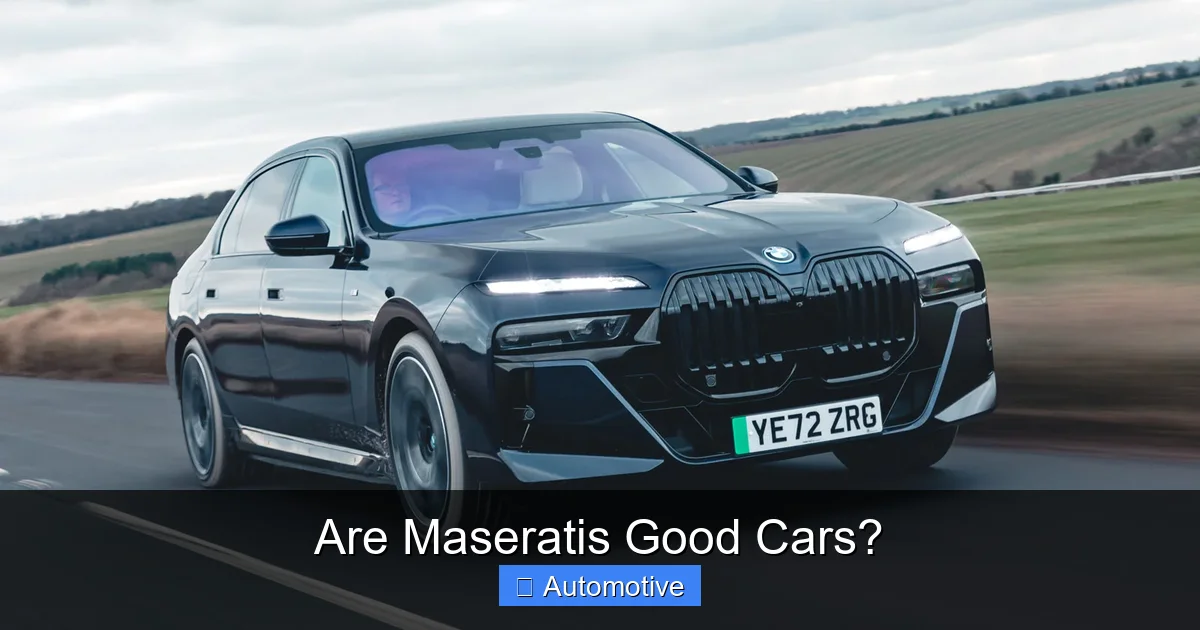
Visual guide about Are Maseratis Good Cars?
Image source: wallpapercave.com
Engine Options That Deliver
Maserati offers a range of engines, but they all share one thing: a love for sound and speed. The brand has historically leaned on Ferrari-sourced powerplants, and even today, many models use engines developed in collaboration with Ferrari or built on shared architecture. For example, the Maserati MC20’s 3.0-liter twin-turbo V6—nicknamed the “Nettuno”—features twin-spark, pre-chamber combustion technology borrowed from Formula 1. It produces 621 horsepower and rockets the MC20 from 0 to 60 mph in under 2.9 seconds.
Even the more accessible models like the Ghibli and Levante offer impressive performance. The Ghibli S Q4, for instance, comes with a 3.0-liter twin-turbo V6 making 424 horsepower. That’s enough to make a 4,300-pound sedan feel like a sports car. And the Levante Trofeo? With a 3.8-liter Ferrari-derived V8 pumping out 580 horsepower, it’s one of the fastest SUVs on the planet.
Handling and Driving Dynamics
Performance isn’t just about straight-line speed. How a car corners, brakes, and responds to input matters just as much. Maseratis are known for their rear-wheel-drive bias (or all-wheel-drive variants like the Q4 system), which gives them a balanced, driver-focused feel. The steering is typically sharp and communicative, especially in sportier trims or with the optional Skyhook adaptive suspension.
Take the Maserati GranTurismo, for example. It’s a grand tourer designed for long-distance comfort, but it still corners like a sports car. On a winding mountain road, the GranTurismo feels planted and eager, with minimal body roll and excellent grip. It’s the kind of car that makes you want to take the long way home.
That said, Maserati’s handling can vary depending on the model and setup. The Levante, while fast, is still a large SUV. It won’t feel as nimble as a Porsche Cayenne, but it makes up for it with a more aggressive exhaust note and a slightly more raw driving experience. If you’re looking for a blend of luxury and performance, Maserati delivers—especially if you enjoy a car that feels alive.
Design and Interior: Italian Craftsmanship with a Flair
Let’s talk about the elephant in the room: Maserati’s design. It’s bold, it’s dramatic, and it’s unmistakably Italian. From the iconic trident logo to the aggressive front grille, every Maserati is designed to stand out. But design isn’t just about looks—it’s about how the car makes you feel when you’re inside.

Visual guide about Are Maseratis Good Cars?
Image source: autoseeks.com
Exterior Styling That Turns Heads
Maserati doesn’t follow trends—it sets them. The brand’s design language is all about proportion, presence, and passion. The long hood, short overhangs, and low roofline give models like the Quattroporte and GranTurismo a classic GT silhouette. The Grecale, Maserati’s newest SUV, blends modern minimalism with traditional cues, like the triple air intakes on the front fenders—a nod to the brand’s racing heritage.
And then there’s the color. Maserati offers a stunning palette, from deep Rosso Trionfale (Triumph Red) to sleek Nero Ribelle (Rebel Black). Optional finishes like matte paint or carbon fiber accents let you personalize your ride. It’s not just a car—it’s a statement.
Interior Luxury and Materials
Step inside a Maserati, and you’re greeted by a cabin that feels more like a Milanese lounge than a car interior. High-quality materials are everywhere: soft leather, real wood trim, brushed aluminum, and even optional Econyl upholstery made from recycled ocean plastic. The seats are supportive and comfortable, with heating, ventilation, and massage functions available on higher trims.
But it’s not just about materials—it’s about细节 (details). The analog clock on the dashboard, the knurled metal shift paddles, the way the doors close with a solid thud—these small touches add up to a sense of occasion. Even the ambient lighting is thoughtfully designed, with soft glows that highlight the contours of the cabin.
That said, Maserati’s interiors haven’t always kept pace with German rivals. While the materials are top-notch, the layout and tech can feel a bit dated. The infotainment system, for example, has been criticized for being slow and unintuitive. But with the launch of the Grecale and updated models, Maserati is catching up. The new MIA (Maserati Intelligent Assistant) system features a 12.3-inch touchscreen, Apple CarPlay, Android Auto, and over-the-air updates.
Customization and Personalization
One of the best things about buying a Maserati is the level of customization. Through the “Fuoriserie” program, you can tailor nearly every aspect of your car—from paint color to interior stitching, carbon fiber trim to custom monograms. Want your initials embroidered on the headrests? Done. Prefer a specific shade of blue that matches your yacht? Maserati can make it happen.
This level of personalization is rare in the automotive world and adds to the emotional connection many owners feel with their cars. It’s not just a vehicle—it’s a reflection of your taste and personality.
Reliability and Maintenance: The Reality Behind the Romance
Now, let’s talk about the elephant in the garage: reliability. This is where Maserati often gets a bad rap. For years, the brand has struggled with perceptions of poor reliability and high maintenance costs. But is that still the case?
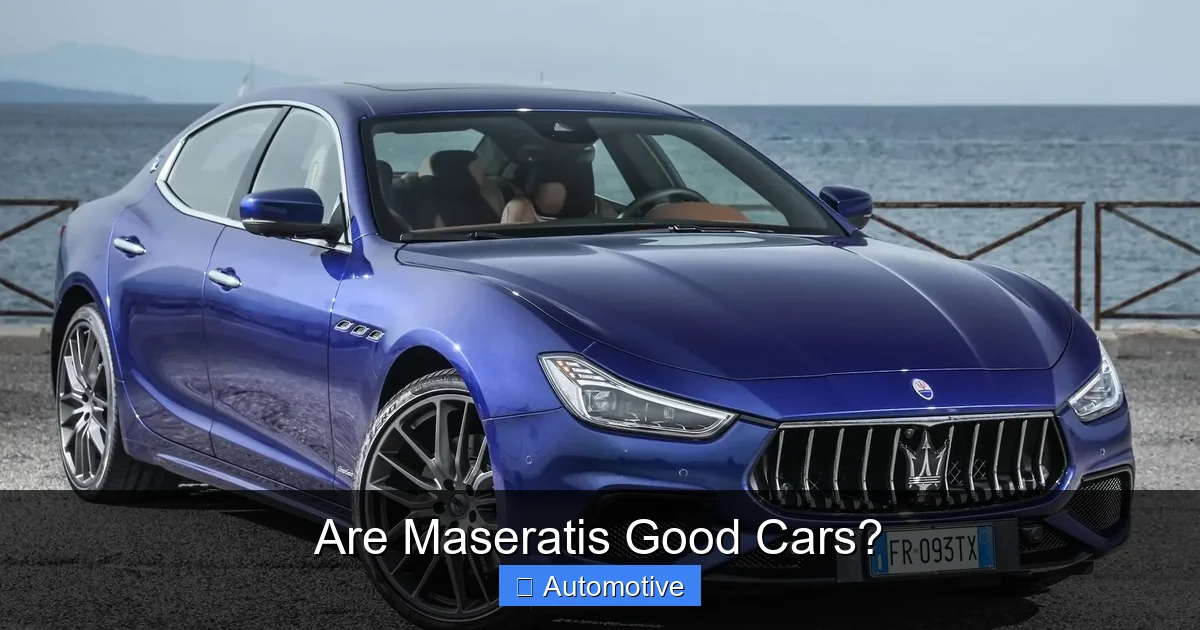
Visual guide about Are Maseratis Good Cars?
Image source: motorbiscuit.com
Historical Reliability Concerns
Let’s be honest—Maserati hasn’t always been the most reliable brand. In the 2000s and early 2010s, models like the Quattroporte and GranTurismo were plagued by electrical gremlins, premature wear, and costly repairs. Consumer Reports and J.D. Power consistently ranked Maserati below average in reliability surveys.
Common issues included faulty infotainment systems, air suspension failures, and transmission problems. And because Maserati parts are specialized and often imported from Italy, repairs could take weeks and cost thousands.
Recent Improvements and Warranty Coverage
The good news? Maserati has been working to improve reliability. Since Fiat Chrysler Automobiles (now Stellantis) took over, the brand has invested in better quality control and manufacturing processes. Newer models like the Grecale and updated Ghibli have shown signs of improvement in early reliability reports.
Maserati also offers a competitive warranty: 4 years/50,000 miles of basic coverage, with 4 years/50,000 miles of powertrain protection. That’s on par with BMW and Mercedes. Additionally, the brand provides 3 years of complimentary scheduled maintenance, which helps offset some of the ownership costs.
Cost of Ownership: What to Expect
Even with improvements, owning a Maserati isn’t cheap. Maintenance and repairs can be significantly more expensive than mainstream brands. For example, a brake job on a Maserati Levante can cost $1,500 or more, compared to $500–$800 for a BMW X5. Tires are also pricier due to the high-performance specs.
Insurance is another factor. Because Maseratis are high-value, high-performance vehicles, premiums can be steep—especially for younger drivers. And if you live in an area with high theft rates, you might pay even more.
But here’s the thing: many Maserati owners accept these costs as part of the experience. They’re not buying a Maserati to save money—they’re buying it for the emotion, the sound, the pride of ownership. If you’re prepared for the financial commitment, the rewards can be worth it.
Technology and Features: Catching Up to the Competition
For years, Maserati lagged behind German rivals in terms of technology. But with the launch of the Grecale and updates to existing models, the brand is finally stepping into the modern era.
Infotainment and Connectivity
The new MIA system is a major upgrade. It features a large, responsive touchscreen, intuitive menus, and seamless smartphone integration. Voice control works well, and the system supports over-the-air updates—something that was unheard of in older Maseratis.
The Grecale also introduces a digital instrument cluster and an optional heads-up display, bringing Maserati in line with competitors like the Audi Q7 and Mercedes GLE.
Driver Assistance and Safety
Maserati now offers a suite of advanced driver assistance systems (ADAS), including adaptive cruise control, lane-keeping assist, blind-spot monitoring, and automatic emergency braking. These features are standard or available on most models, improving both safety and convenience.
That said, the system isn’t as polished as BMW’s Driving Assistant Professional or Mercedes’ Driver Assistance Package. Some users report that the lane-keeping assist can be overly aggressive, and the adaptive cruise control occasionally struggles in heavy traffic. But overall, it’s a significant step forward.
Electric and Hybrid Future
Maserati is also embracing electrification. The brand has announced plans to electrify its entire lineup by 2025. The Grecale will be available as a hybrid, and the upcoming GranTurismo will offer a fully electric version—the Folgore.
The Folgore promises over 700 horsepower and a 0–60 mph time under 2.7 seconds, making it one of the fastest electric cars on the market. It’s a bold move that shows Maserati is serious about staying relevant in a changing automotive landscape.
Ownership Experience: More Than Just a Car
Owning a Maserati isn’t just about driving—it’s about belonging to a community. From exclusive events to concierge services, Maserati offers a lifestyle that goes beyond the vehicle.
Dealer Experience and Service
Maserati dealerships are designed to feel like luxury boutiques. You’ll often find espresso machines, leather seating, and knowledgeable staff who understand the brand’s heritage. Many dealers also offer pickup and delivery for service, so you don’t have to spend a day at the shop.
That said, dealer experiences can vary. Some owners report exceptional service, while others complain about long wait times or lack of communication. It pays to research your local dealer and read reviews before committing.
Community and Events
Maserati owners often form tight-knit communities. The brand hosts events like track days, rallies, and exclusive launches, giving owners a chance to connect and share their passion. There are also numerous Maserati clubs around the world, from the Maserati Owners Club in the UK to the Maserati Club of America.
These events aren’t just about cars—they’re about camaraderie, travel, and shared experiences. For many owners, the social aspect is just as important as the driving.
Resale Value and Depreciation
Like most luxury cars, Maseratis depreciate quickly. A new Maserati can lose 30–40% of its value in the first three years. However, certain models—like the MC20 or limited-edition GranTurismos—hold their value better due to exclusivity and desirability.
If you’re planning to sell in a few years, consider buying a certified pre-owned (CPO) model. Maserati’s CPO program includes a 2-year/unlimited-mile warranty and rigorous inspection, giving you peace of mind.
How Maseratis Compare to the Competition
So, how do Maseratis stack up against rivals like BMW, Mercedes, Audi, and Porsche? Let’s break it down.
| Feature | Maserati Ghibli | BMW 5 Series | Mercedes E-Class | Porsche Panamera |
|---|---|---|---|---|
| Starting Price | $78,000 | $57,000 | $58,000 | $89,000 |
| Horsepower (Base) | 345 hp | 248 hp | 255 hp | 325 hp |
| 0–60 mph | 5.5 seconds | 6.0 seconds | 6.2 seconds | 5.0 seconds |
| Interior Quality | Excellent materials, dated tech | Modern, high-tech | Luxurious, refined | Sporty, driver-focused |
| Reliability | Improving, but still below average | Above average | Average | Above average |
| Driving Experience | Emotional, engaging | Precise, balanced | Comfortable, smooth | Dynamic, athletic |
As you can see, Maserati trades some reliability and tech polish for emotional appeal and Italian flair. It’s not the most practical choice, but it’s one of the most exciting.
Final Verdict: Are Maseratis Good Cars?
So, are Maseratis good cars? The answer depends on what you’re looking for.
If you want a vehicle that’s reliable, fuel-efficient, and packed with the latest tech, a Maserati might not be the best fit. But if you’re after a car that makes your heart race, turns heads, and delivers a driving experience that’s hard to replicate, then yes—Maseratis are absolutely good cars.
They’re not perfect. They can be expensive to maintain, and reliability has been a concern in the past. But for many owners, the joy of driving a Maserati outweighs the drawbacks. It’s a car that reminds you why you fell in love with driving in the first place.
Whether you’re considering a Ghibli, a Levante, or the stunning MC20, a Maserati is more than just transportation. It’s a statement. It’s passion on wheels. And if that’s what you’re after, then a Maserati might just be the perfect car for you.
Frequently Asked Questions
Are Maseratis reliable cars?
Maseratis are known for their luxury and performance, but reliability can be a concern compared to some German or Japanese brands. While newer models have improved, they may require more frequent maintenance and higher repair costs.
Do Maseratis hold their value well?
Maseratis tend to depreciate faster than many competitors, which can be a downside for resale value. However, limited-production models or well-maintained classics may retain value better over time.
Are Maseratis expensive to maintain?
Yes, Maseratis are generally more expensive to maintain due to specialized parts and labor. Routine servicing at authorized dealers can add up quickly, so budgeting for upkeep is essential.
How do Maseratis perform on the road?
Maseratis deliver thrilling performance with powerful engines, precise handling, and a distinctive exhaust note. They offer a sporty, engaging driving experience that stands out in the luxury car segment.
Are Maseratis good for daily driving?
While Maseratis can be used for daily driving, their firm suspension and premium fuel requirements may not suit everyone. They shine on open roads but can feel less practical in city traffic or rough terrain.
What makes Maseratis stand out from other luxury cars?
Maseratis combine Italian design, handcrafted interiors, and emotional driving dynamics that appeal to enthusiasts. Their rarity and brand heritage add to their allure compared to more common luxury vehicles.