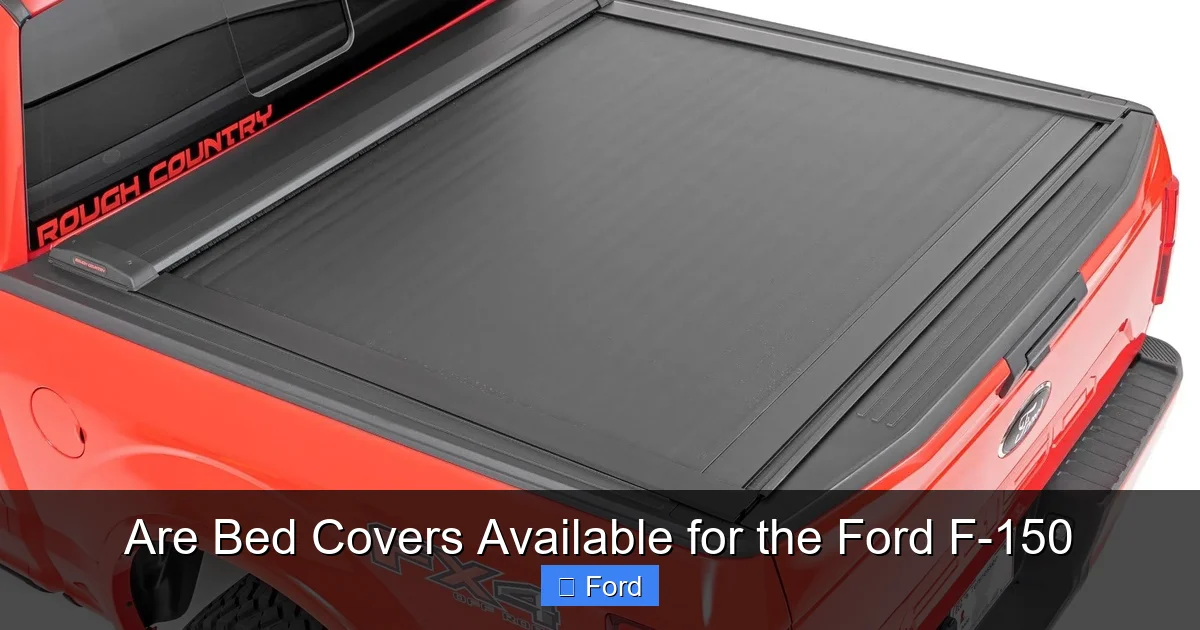
Are Bed Covers Available for the Ford F-150

Contents
- 1 Key Takeaways
- 2 📑 Table of Contents
- 3 Understanding the Different Types of F-150 Bed Covers
- 4 The Tangible Benefits of Adding a Bed Cover to Your F-150
- 5 How to Choose the Perfect Bed Cover for Your F-150
- 6 Installation: What to Expect and Common Pitfalls
- 7 Maintenance and Long-Term Care for Your Investment
- 8 Alternatives and Complementary Accessories
- 9 Conclusion: Making the Right Choice for Your Ford F-150
- 10 Frequently Asked Questions



Yes, a wide variety of bed covers are absolutely available for every generation of the Ford F-150. From simple roll-up tarps to sophisticated retractable systems, you have numerous options to secure your cargo, enhance your truck’s appearance, and potentially improve fuel efficiency. Choosing the right cover depends on your budget, how often you access your bed, and your security needs. Proper measurement and understanding the key features are crucial for a perfect fit and long-lasting satisfaction.
If you’re a proud owner of America’s favorite truck, you’ve likely wondered about protecting that big, beautiful bed. The short answer is a resounding yes—bed covers for the Ford F-150 are not only available; they’re a massive aftermarket industry with options for every need, budget, and model year. Whether you have a 2015 F-150 with a 6.5-foot bed or a 2023 Lariat with the shorter 5.5-foot box, the market has you covered—literally. This guide will walk you through everything you need to know, from the different styles to the nitty-gritty of choosing the perfect one for your rig.
Think of your truck bed as a massive, open-air storage compartment. Without a cover, it’s exposed to rain, snow, sun, road grime, and prying eyes. A bed cover transforms it into a secure, dry, and more efficient cargo space. But with so many choices, it’s easy to feel overwhelmed. That’s why we’re breaking it down simply. We’ll explore the core types of covers, their real-world benefits, how to ensure a perfect fit, and installation insights. By the end, you’ll be a confident F-150 bed cover expert, ready to make a smart purchase that adds value and utility to your truck for years to come.
Key Takeaways
- Universal Availability: Bed covers are manufactured specifically for all F-150 generations, from the 2004-2008 models to the latest 2024+, accounting for variations in bed length (5.5′, 6.5′, 8′) and styling.
- Multiple Styles Exist: The main types are roll-up (soft), folding/hinged (hard), retractable (hard), and one-piece removable (hard), each with distinct pros and cons for access, security, and price.
- Benefits Go Beyond Security: Besides protecting cargo from weather and theft, bed covers can improve aerodynamics and fuel economy by up to 1-2 MPG, reduce wind noise, and shield your bed from UV damage and debris.
- Fit is Non-Negotiable: A “universal fit” cover often leads to poor sealing, flapping, and damage. Always choose a cover designed and tested for your specific F-150’s year, bed length, and bed type (standard vs. flairside).
- Consider Your Usage: Think about how frequently you need full bed access. Daily haulers may prefer a quick-roll soft cover, while those carrying valuable tools might opt for a rigid, lockable folding cover.
- Installation Varies: Most aftermarket covers are designed for DIY installation with basic tools, but some complex retractable systems may require professional mounting for optimal alignment and function.
📑 Table of Contents
- Understanding the Different Types of F-150 Bed Covers
- The Tangible Benefits of Adding a Bed Cover to Your F-150
- How to Choose the Perfect Bed Cover for Your F-150
- Installation: What to Expect and Common Pitfalls
- Maintenance and Long-Term Care for Your Investment
- Alternatives and Complementary Accessories
- Conclusion: Making the Right Choice for Your Ford F-150
Understanding the Different Types of F-150 Bed Covers
The first step in your journey is understanding the main categories of bed covers. They broadly fall into two camps: soft and hard. Within those, the mechanism of operation defines the specific style. Your choice here will dictate nearly every other aspect—cost, ease of use, security level, and aesthetics.
Soft Bed Covers: Roll-Up and Fold-Down Styles
Soft covers are typically made from durable, waterproof vinyl or polyester fabric with reinforced stitching. They are the most affordable entry point and offer great flexibility.
- Roll-Up Tonneau Covers: These are the most popular. The cover rolls up toward the front of the bed, secured by straps or Velcro. They offer quick, full bed access and are very easy to operate. Brands like Gator, Tyger, and Extang dominate this space. They provide decent security from casual theft and weather but can be cut with a sharp tool.
- Fold-Down/Flip-Up Covers: These have rigid or semi-rigid panels that fold accordion-style. You can fold them back to access part of the bed or remove them entirely. They offer slightly better security than roll-ups and often have better sealing. The Pace Edwards Ultraglide is a famous example.
Hard Bed Covers: Maximum Security and Protection
Hard covers are constructed from materials like aluminum, fiberglass, or composite plastics. They are significantly more secure, weather-resistant, and often contribute more to aerodynamic improvements.
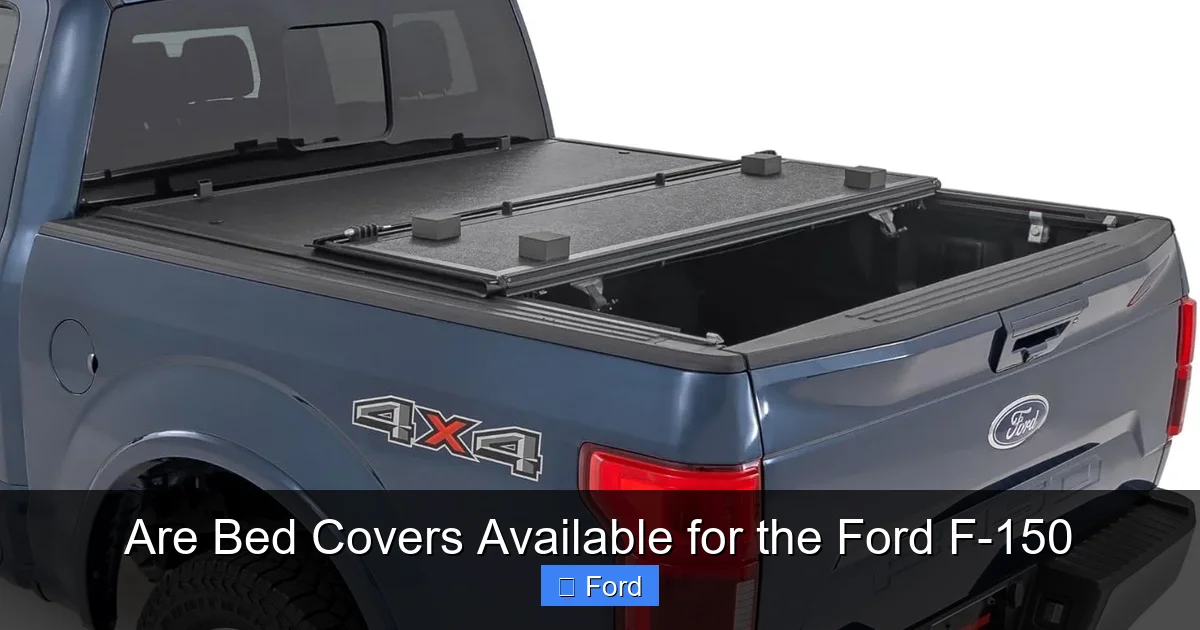
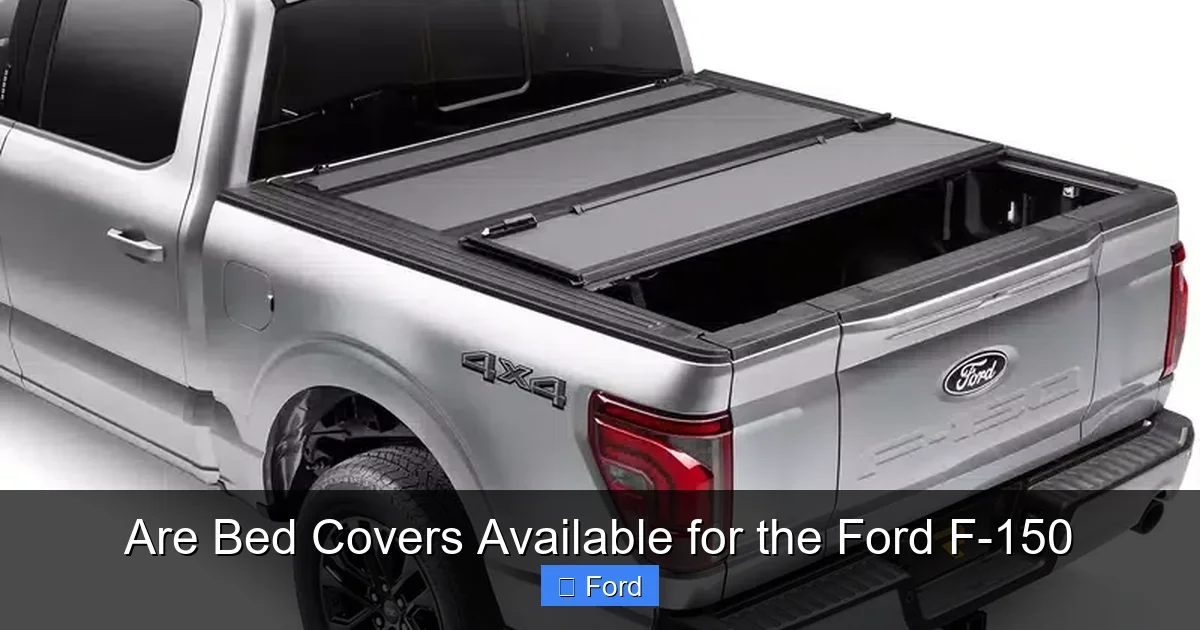
- Folding/Hinged (Tri-Fold) Covers: These are the workhorses of the hard cover world. The cover folds into three panels, allowing you to access one-third of the bed at a time. They lock securely and are very sturdy. The BAK FlipFit and UnderCover Armor are top-tier examples.
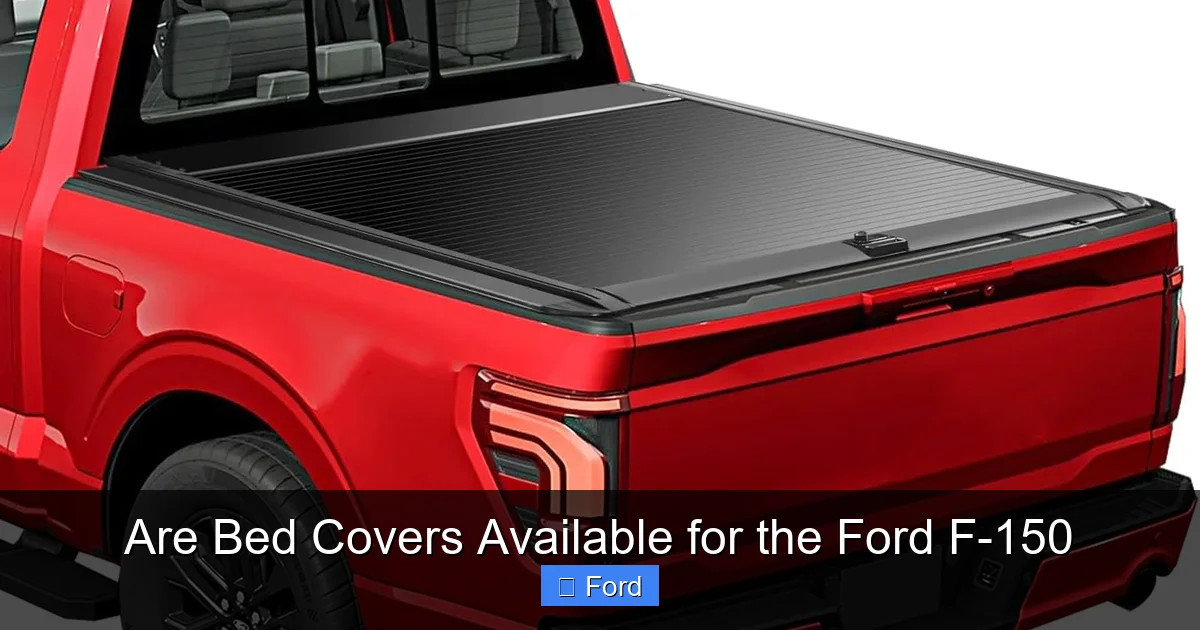
- Retractable Covers: Considered the premium option. A rigid sheet rolls up into a sealed canister mounted at the front of the bed. They offer near-full bed access when retracted and excellent security when closed. Brands like Retrax and Pace Edwards Roll-Bar are leaders here. They are the most expensive but offer unparalleled convenience and a sleek look.
- One-Piece Removable (Lift-Off) Covers: A single, solid panel that lifts off the bed entirely. They provide the highest level of security and weatherproofing but require you to physically remove and store the heavy panel whenever you need full bed access. They are common on work trucks and commercial applications.
The Tangible Benefits of Adding a Bed Cover to Your F-150
Why go through the hassle and expense? The benefits extend far beyond just keeping your groceries dry. A bed cover is a multi-functional upgrade that pays dividends in practicality, protection, and even performance.
Visual guide about Are Bed Covers Available for the Ford F-150
Image source: m.media-amazon.com
Enhanced Cargo Security and Theft Deterrence
This is the primary reason most buyers shop. An uncovered bed is an open invitation for opportunistic thieves. Even a simple soft cover hides your belongings from view, which is the first and most important deterrent. Hard covers, especially folding and retractable models with integrated locks, create a formidable barrier. They require tools and significant time to breach, making your truck a much less attractive target. For contractors and DIY enthusiasts who leave tools in the truck, this peace of mind is priceless.
Improved Fuel Economy and Aerodynamics
An open truck bed is a huge air trap. Air swirls chaotically inside, creating drag. A smooth, sealed bed cover streamlines this airflow. While gains vary by truck, cover style, and driving conditions, most owners report a measurable improvement—often in the range of 1-2% or 0.5-1.5 MPG. For a truck that doesn’t get great mileage to begin with, every bit helps, especially on long highway hauls. The improvement is most noticeable with hard, rigid covers that create a perfect flush surface.
Superior Weather and UV Protection
Rain, snow, sleet, and road salt can wreak havoc on your cargo and your truck’s bed itself. A quality cover keeps everything bone dry. More importantly, it blocks 100% of harmful UV rays. Prolonged sun exposure can fade and embrittle your bed liner, crack dashboard plastics if you leave the tailgate down with windows open, and destroy any cargo left inside. A bed cover acts as a giant sunshade, preserving your truck’s interior and your gear.
Reduced Wind Noise and Improved Cleanliness
If you’ve ever driven on the highway with an empty bed, you know the roar and buffeting. A properly sealed bed cover dramatically quiets the cabin, making for a more pleasant ride. It also prevents dust, pollen, leaves, and highway debris from collecting in your bed. Instead of spending weekends sweeping out a sand-filled box, you’ll simply wipe it down occasionally. This also protects your bed liner from abrasive grit.
How to Choose the Perfect Bed Cover for Your F-150
With the styles and benefits clear, the selection process begins. This is where many people make mistakes. Rushing to buy based on price or looks alone often leads to a poor fit and frustration. You must be a detective about your own truck.
Visual guide about Are Bed Covers Available for the Ford F-150
Image source: m.media-amazon.com
Step 1: Know Your Exact Truck Specs
This is the most critical step. You need three pieces of information:
- Model Year: Changes in bed shape, tailgate design, and stake pocket dimensions happen yearly. A 2010 cover won’t fit a 2021.
- Bed Length: Measure from the inside of the bulkhead (front wall) to the inside of the tailgate. Common lengths are 5.5 feet (short), 6.5 feet (standard), and 8 feet (long). Do not guess. Measure.
- Bed Type: Most F-150s have a “standard” bed. Some, especially older models or special editions, have a “Flairside” or “Styleside” bed, which has different rear corners and fender well shapes. The product listing must explicitly state compatibility with your bed type.
Step 2: Match the Cover to Your Primary Use Case
Ask yourself these questions:
- How often do I need full bed access? Daily for large items? A removable hard cover or retractable is best. Occasionally? A folding or roll-up is fine.
- What am I carrying? High-value tools? Prioritize a hard, lockable cover. Groceries and camping gear? A good soft cover suffices.
- What’s my budget? Soft roll-ups start around $200. Hard folding covers range from $500-$1,200. Retractives can exceed $1,500. Set a realistic budget, but remember you often get what you pay for in durability and fit.
Step 3: Prioritize Key Features
When comparing models, scrutinize these features:
- Material & Construction: For soft covers, look for thick, multi-ply vinyl with UV inhibitors and corrosion-resistant hardware. For hard covers, powder-coated aluminum or composite is ideal for rust resistance.
- Sealing System: A good cover has a continuous, high-density rubber or foam seal that compresses when closed. Ask about “drainage” – there should be channels to prevent water pooling.
- Hardware: Stainless steel or heavily coated bolts and clamps are essential to prevent rust and seizing.
- Warranty: Reputable brands offer lifetime warranties on the cover itself and multi-year warranties on hardware. Read the fine print.
For instance, if you frequently haul dirt bikes or ATVs, a low-profile folding cover that doesn’t obstruct the rear window might be your top priority. Conversely, if you’re a plumber or electrician, a retractable cover that lets you quickly grab a long ladder while keeping smaller tools locked away is ideal. Don’t forget to think about your tailgate. Some covers require a tailgate seal or even a different tailgate handle for full security.
Installation: What to Expect and Common Pitfalls
Most aftermarket bed covers are engineered for do-it-yourself installation. However, “DIY-friendly” doesn’t mean effortless. A proper installation is key to preventing leaks, wind noise, and damage.
Visual guide about Are Bed Covers Available for the Ford F-150
Image source: realtruck.com
The General Installation Process
For a typical clamp-on style (most roll-ups and foldings):
- Clean the bed rail thoroughly. Any dirt or debris will compromise the seal and scratch the cover.
- Dry-fit the cover. Have a helper hold it in place while you check alignment. It should sit flush with the bed rails and not interfere with the tailgate or any factory accessories like bed lights.
- Loosely attach the front clamps. Do not tighten fully yet.
- Close the tailgate and check the seal at the rear. Many covers have an adjustable rear seal or require you to shim the front clamps to achieve a perfect, even seal all around. This is the most crucial step.
- Once the seal is even and the cover sits correctly, tighten all clamps in a criss-cross pattern to ensure even pressure.
- Test the operation. Open and close the cover several times. It should move smoothly without binding.
Common Installation Issues and Solutions
The most common problem is a poor rear seal, leading to leaks. This is almost always due to the bed rail not being perfectly level or the cover not being shimmed correctly. Always use the included foam or rubber shims under the front clamps to raise or lower the front of the cover until the rear seal makes contact evenly. Another issue is interference with a spray-in bed liner. Some liners have a lip that can prevent a clamp from seating properly. You may need to modify the liner slightly or use a different clamp style. If you’re uncomfortable, many local truck accessory shops offer professional installation for a fee. It’s a small price to pay for a perfect, leak-free fit.
Maintenance and Long-Term Care for Your Investment
A bed cover is an investment in your truck’s utility. With a little care, it will last for many years.
- Regular Cleaning: Wash the cover with mild soap and water. For vinyl, use a dedicated vinyl cleaner/conditioner a few times a year to prevent cracking and UV damage. Avoid harsh chemicals and abrasive brushes.
- Lubrication: The hinges, rails, and locking mechanisms on hard covers need occasional lubrication. Use a silicone-based spray on hinges and a dry Teflon lubricant on rails to avoid attracting dust.
- Seal Inspection: Periodically check the rubber seals for cracks, cuts, or hardening. Clean them with a rubber protectant. A damaged seal is the #1 cause of leaks.
- Winter Care: If you live in a snowy climate, be mindful of ice buildup. Never force a frozen cover open or closed. Use a de-icer spray or warm water (not boiling) to melt ice. Ensure all water drains freely from the cover’s channels to prevent freezing in place.
- Storage: If you remove the cover for an extended period, store it in a cool, dry place out of direct sunlight. For soft covers, roll it loosely, don’t fold it sharply, to prevent creases.
Alternatives and Complementary Accessories
Bed covers aren’t the only game in town. Depending on your needs, you might consider other solutions or add-ons.
Tonneau Covers vs. Camper Shells
We’ve focused on tonneau-style covers, which are low-profile. A camper shell or truck cap is a full-height, windowed enclosure that turns your bed into a sealed, climate-controlled compartment. It’s a much larger, more permanent, and expensive solution. It’s perfect for those who want to sleep in their truck, store extremely sensitive gear, or convert their F-150 into a mini-camper. For most users who just want to secure and cover the bed, a tonneau cover is the more practical and versatile choice. You can explore the best camper shell options for the Ford F-150 if you need full-height protection.
The Role of Bed Liners
A bed cover and a bed liner are best friends, not competitors. A liner protects the bed’s metal from dents and scratches caused by cargo. A cover protects the cargo from the elements. Using both provides comprehensive protection for your truck and your gear. If you have a spray-in liner, ensure your chosen bed cover is compatible, as some clamps may not work over a thick liner lip.
Security Add-Ons
Even with a hard cover, determined thieves might target the cover itself. Consider a cover-specific lock upgrade or a wheel well lock system that secures the cover to the bed. For soft covers, a simple lockable cable that threads through the cover’s grommets and around the tailgate handle adds a layer of deterrence. Pairing a good cover with a set of secure wheel locks for your F-150’s spare tire and wheels creates a more holistic security strategy for your entire vehicle.
Conclusion: Making the Right Choice for Your Ford F-150
So, are bed covers available for the Ford F-150? Not just available—they’re thriving, with a solution for every single model on the road. The journey to the perfect cover starts with knowing your truck’s exact measurements and ends with a clear-eyed view of how you use your bed. Don’t be swayed by flashy ads; instead, focus on fit, material quality, and the features that matter to your daily routine.
Remember, a well-chosen bed cover does more than hide your stuff. It’s a shield against weather, a barrier against theft, and a modest contributor to better fuel economy. It keeps your truck bed clean and your cabin quiet. Take the time to research, read reviews from owners with your same year and bed length, and don’t be afraid to ask detailed questions before you buy. The right cover will become an indispensable part of your F-150, seamlessly integrating into your lifestyle and adding tangible value to your driving experience every single day. Your truck’s bed is one of its greatest assets—protect it wisely.
Frequently Asked Questions
Will any “universal” bed cover fit my Ford F-150?
No. While marketed as universal, these often provide a poor fit, leading to leaks, wind noise, and damage. You must select a cover specifically designed for your F-150’s exact year, bed length (5.5′, 6.5′, 8′), and bed style (standard/flairside) for a proper seal and function.
Which type of bed cover is most secure?
Hard folding (tri-fold) and retractable covers are the most secure. They are made of rigid materials and feature integrated locking mechanisms that require tools to defeat, offering the best protection against theft for valuable cargo.
How much can a bed cover really improve my F-150’s fuel economy?
While not a massive jump, most owners of hard, flush-fitting covers report a consistent gain of 0.5 to 1.5 MPG, especially at highway speeds. The improvement comes from drastically reducing aerodynamic drag in the truck bed.
Can I install a bed cover myself, or do I need a professional?
Most aftermarket tonneau covers are designed for DIY installation with basic tools like socket wrenches. The key is careful alignment and proper shimming to ensure a watertight seal. Complex retractable systems may be more challenging, and professional installation is recommended for a perfect fit.
Will a bed cover damage my factory or aftermarket bed liner?
No, if installed correctly. Quality covers use clamp pads to distribute pressure. However, some thick spray-in liners have a lip that can interfere with clamp placement. You may need to slightly trim the liner or use different clamps, which a good retailer will advise on.
How do I maintain my bed cover to ensure it lasts?
Clean it regularly with mild soap and water. For vinyl covers, use a vinyl conditioner to prevent cracking. Lubricate hinges and rails on hard covers annually with silicone spray. Inspect seals for cracks and keep drainage channels clear of debris to prevent water pooling and freezing.