
What Is The Difference Between Road & Mt Bike Helmets: Why

Road helmets prioritize aerodynamics and ventilation; mountain helmets focus on coverage, stability, and visor protection.
I’ve spent years riding both road and mountain bikes and fitting helmets for friends and customers. This article explains what is the difference between road and mountain bike helmets in clear, practical terms so you can pick the right helmet for your riding style. Read on for design details, safety differences, real-world tips, and buying guidance you can trust.

How road and mountain bike helmets differ: a quick overview
Road and mountain bike helmets differ in shape, coverage, ventilation, visor use, and accessory compatibility. Road helmets favor light weight and airflow for speed. Mountain helmets add rear coverage, stronger brim or full-face protection, and better stability for rough trails. Knowing what is the difference between road and mountain bike helmets helps you choose one for commuting, racing, trail riding, or bikepacking.

Design and coverage differences
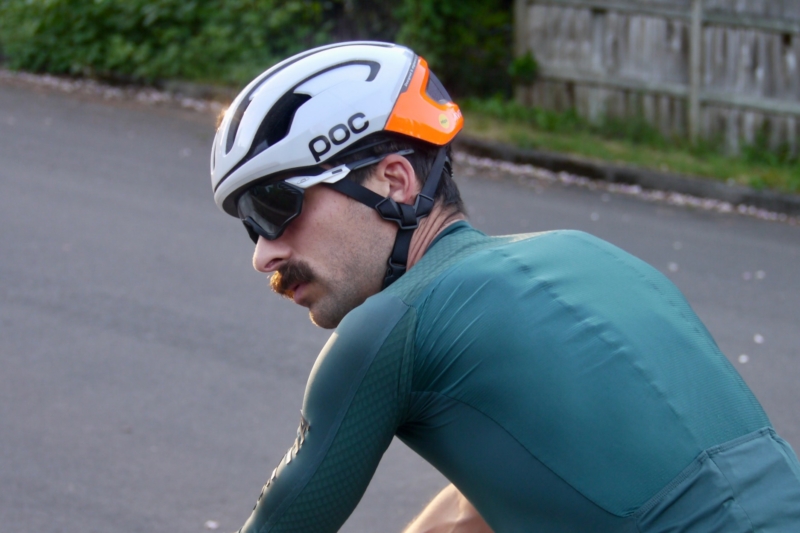
Road helmets are sleek and low-profile. They have long, open vents and a rounded rear to cut wind. They sit higher on the head with less rear coverage.
Mountain bike helmets often extend further down the back of the skull. They may include an integrated visor or be available as full-face models for aggressive trail riding. Many MTB helmets emphasize protection for impacts common on rocks, roots, and branches.
Key design points:
- Road helmet features
- Large channels and vents for cooling
- Aerodynamic shapes for speed
- Minimal visor or none
- Mountain helmet features
- Extended rear and side coverage
- Visor to block sun and trail debris
- Options: trail helmet (open face) and full-face helmet
These design choices are central to what is the difference between road and mountain bike helmets; each design fits the demands of its riding environment.
Ventilation, aerodynamics, and weight
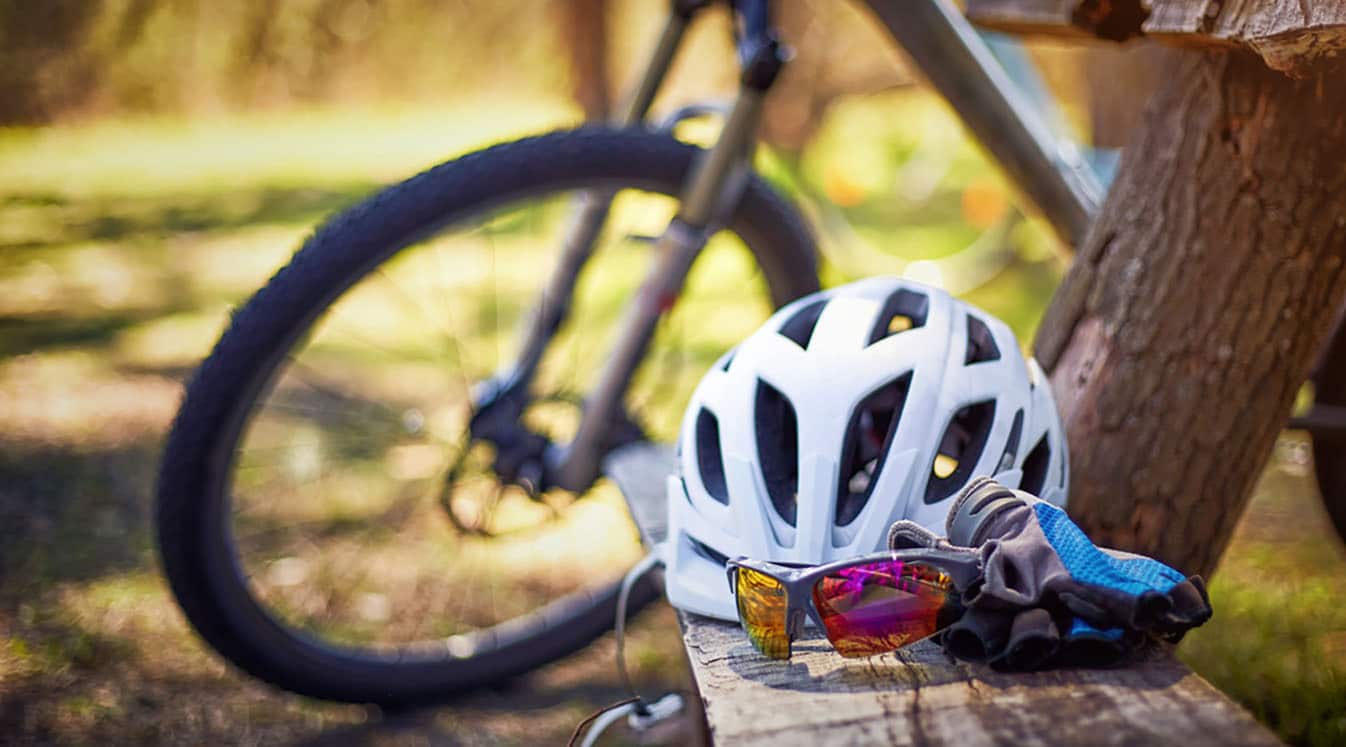
Road helmets maximize airflow while minimizing drag. Vent layout and internal channels push cooling air across the scalp at speed. Road helmets are typically lighter to reduce neck strain during long rides.
Mountain helmets prioritize protection over pure aerodynamics. They still ventilate, but vents are often smaller and positioned to keep dust and mud out. The added material and visor increase weight slightly, but that trade-off improves protection on rough terrain.
Practical comparison:
- Road helmets: better airflow, lower weight, more aero
- Mountain helmets: balanced airflow with debris control, slightly heavier
If you wonder what is the difference between road and mountain bike helmets in comfort, ventilation and weight are big parts of the answer.
Safety standards and impact protection
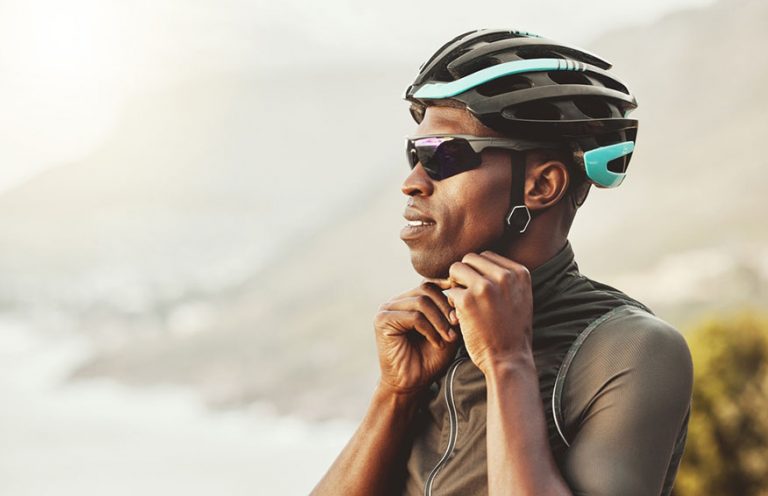
Both helmet types meet common safety standards like CPSC (US) and EN (Europe), but test priorities differ. Road helmet tests emphasize linear impacts and retention strength. Mountain helmets, especially full-face models, are tested for higher energy impacts and facial/ jaw protection. Rotational impact protection technologies are common across both categories.
What to look for:
- Certification stickers (CPSC, EN, ASTM)
- Rotational impact systems (MIPS, SPIN, etc.)
- Construction type: in-mold polycarbonate over EPS foam is common
Understanding what is the difference between road and mountain bike helmets in safety terms helps you match a helmet’s protective features to likely crash scenarios.
Fit, retention systems, and comfort
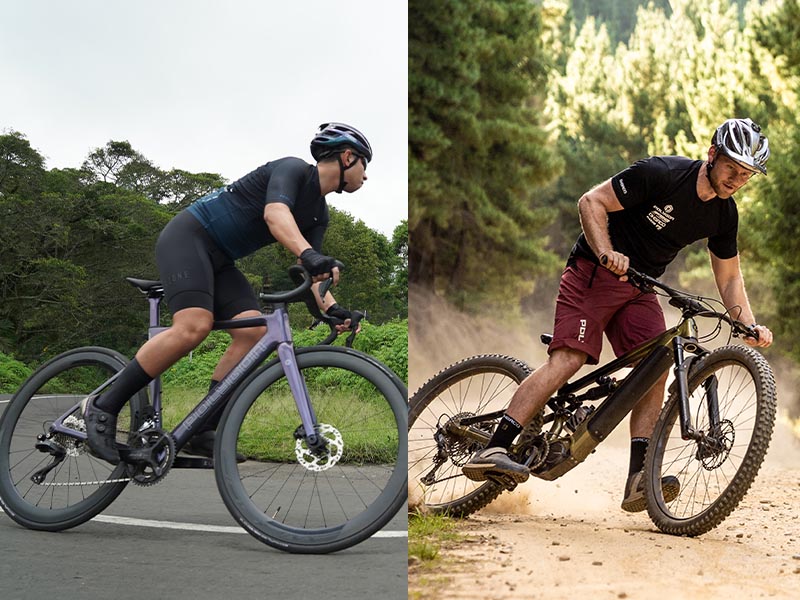
A helmet that fits well protects better and is more comfortable on long rides. Road helmets often use minimal, well-ventilated padding and a low-profile retention dial. Mountain helmets use thicker padding and adjustable visors and may have more aggressive retention to hold the helmet steady on rough trails.
Fit tips:
- Measure head circumference and follow the manufacturer size chart
- Try the helmet on with straps tightened and the dial snug
- Ensure the helmet sits level and covers the forehead without tilting back
Fit differences are a key part of what is the difference between road and mountain bike helmets—MTB helmets aim to stay put during bumpy descents.
Visors, accessories, and modular options
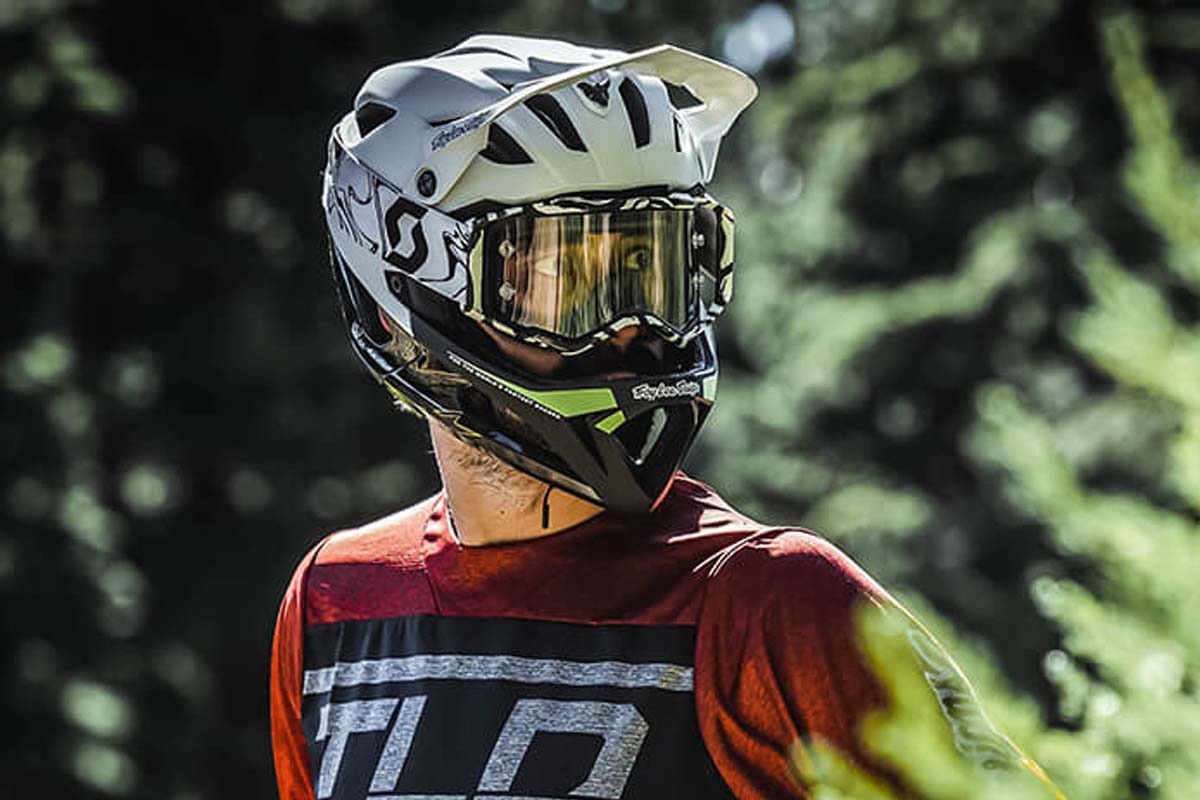
Visors are a strong visual and functional difference. Road helmets either lack visors or have minimal peak options. Mountain helmets include adjustable visors for glare reduction and branch protection. Full-face mountain helmets add chin bars and sometimes removable jaw sections.
Accessory differences:
- Mountain helmets: visor, goggle compatibility, camera/light mounts, chin bar options
- Road helmets: aero covers, integrated lights, mirror mounts, fewer visor needs
Knowing what is the difference between road and mountain bike helmets when it comes to accessories helps you plan for commutes, night rides, or camera setups.
When to choose a road helmet vs a mountain helmet
Choose a road helmet if:
- You ride primarily on paved roads
- You value low weight and maximum ventilation
- You race or ride long distances at sustained speeds
Choose a mountain helmet if:
- You ride singletrack, technical trails, or do downhill
- You want more rear coverage, a visor, or a full-face option
- You carry a pack and need stable fit on rough terrain
Checklist to decide:
- Riding terrain: road vs trail
- Speed and duration: long fast rides favor road helmets
- Risk type: falls on rocks and roots favor mountain helmets
This practical guide addresses what is the difference between road and mountain bike helmets for most riders.

Quick questions riders ask (People Also Ask)
Q: Can I use a road helmet for mountain biking?
A: You can for easy, non-technical trails, but you lose extra coverage and visor protection; consider a trail helmet for safety.
Q: Are mountain helmets heavier than road helmets?
A: Generally yes, but the difference is small and justified by extra material and features.
Q: Does a visor reduce ventilation?
A: A visor can slightly change airflow but most trail helmets are designed to maintain good ventilation while protecting from glare and debris.

Personal experience, tips, and mistakes to avoid
I started with a road helmet for everything, including light trail rides. After a few near-misses on rooty descents, I switched to a trail helmet and felt more secure. Key lessons:
- Don’t assume one helmet fits all rides. Match helmet type to the terrain.
- Test fit with the gear you’ll wear, like goggles or sunglasses.
- Replace helmets after a crash or every 5–7 years, even if they look fine.
Practical tips:
- Try helmets late in the day when your hair and head size are typical
- Bring your glasses or goggles to test compatibility
- Check for a snug dial fit and stable retention on bumpy surfaces
These real-world notes underscore what is the difference between road and mountain bike helmets in everyday use.
Frequently Asked Questions of what is the difference between road and mountain bike helmets
What major features separate road and mountain bike helmets?
Road helmets focus on low weight, ventilation, and aerodynamics. Mountain helmets prioritize coverage, a visor, and stability for trail impacts.
Can I use a mountain helmet on the road?
Yes, a mountain helmet can be used on the road, but it may be heavier and less aerodynamic than a road helmet.
Do both helmet types use the same safety standards?
Both typically meet common standards like CPSC or EN, but test emphasis differs by helmet type and intended use.
Are full-face helmets only for downhill riders?
Full-face helmets are ideal for downhill and e-MTB enduro; some riders also use them for bike park days or aggressive trail runs.
How often should I replace my helmet?
Replace after a significant crash or every 5–7 years due to foam degradation and evolving safety tech.
Is rotational impact protection important?
Yes. Rotational impact protection reduces twisting forces in angled impacts and is beneficial in both road and mountain helmets.
Conclusion
Road and mountain bike helmets differ in design, coverage, ventilation, accessories, and intended crash protection. Match your helmet to the terrain you ride most. If you race on pavement, pick a light, well-ventilated road helmet. If you spend time on trails, choose a mountain helmet with extra rear coverage and a visor—or a full-face for aggressive riding. Take time to fit the helmet properly, replace it when needed, and consider technologies like rotational impact protection. Try both styles before buying and pick the one that fits your comfort and safety needs.
Ready to choose? Test a few helmets, ride with them, and leave a comment about which models worked best for you.

