
What Is The Safest Road Bike Helmet: Top Picks & Tips

The safest road bike helmet combines certified impact protection, rotational tech, and a snug fit.
Choosing what is the safest road bike helmet matters for everyone who rides. I have tested helmets on long rides and commutes. I will walk you through how helmets are judged, what features matter, and how to pick the safest road bike helmet for your head, riding style, and budget. Read on to make a smart, safe choice.

How helmets are tested and what makes one safest
Helmet safety starts with standards. Tests measure linear impact and penetration. Newer tests also look at rotational forces to mimic crashes where the head twists. When people ask what is the safest road bike helmet, they expect proof from testing and smart design.
Key ways helmets are judged:
- Certification tests that measure shock absorption and shell strength.
- Rotational protection tests that simulate twisting impacts.
- Real-world crash data from labs and hospitals.
Why testing matters:
- A certified helmet reduces chance of skull fracture in many crashes.
- Rotational protection can lower risk of brain injury from twisting forces.
- Fit and retention systems keep the helmet in the right place during impact.
When you compare helmets, ask which standards they meet and if they include rotational tech. That helps you answer what is the safest road bike helmet for your needs.
Key safety features to look for
If you want to know what is the safest road bike helmet, check these features first. Each one plays a key role in protection.
Essential safety features:
- Certified impact liner that meets or exceeds local standards.
- Rotational energy management like MIPS, WaveCel, or similar tech.
- A shell that resists penetration and spreads impact force.
- A retention system that holds the helmet steady on your head.
- Good ventilation that does not compromise structure.
Fit matters as much as features:
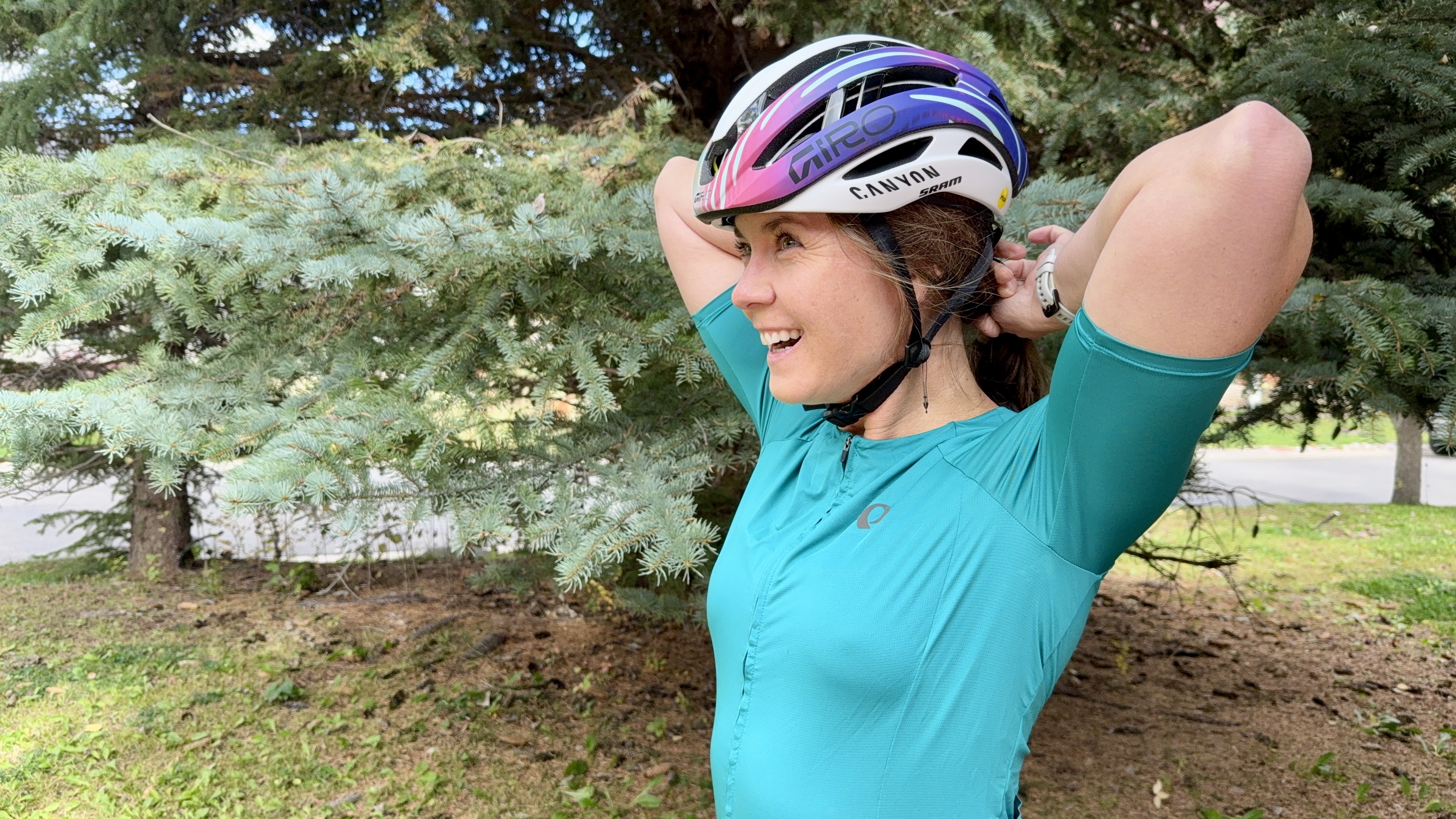
- Size the helmet to sit level and snug.
- Use the retention dial and straps to keep movement minimal.
- Replace helmets after a crash or after many years of use.
I often test fit by shaking my head. If the helmet slides a lot, it will not protect well. That simple check helps answer what is the safest road bike helmet for each rider.

Common helmet technologies explained
When readers ask what is the safest road bike helmet, they often mean which tech works best. Here are the main systems and how they help.
Rotational management systems:
- Layered low-friction liners that let the shell slide on impact.
- Foam cores that deform to absorb twisting forces.
- Independent slip planes between shell and liner.
Impact liners:
- EPS foam is common and absorbs direct blows.
- New foams and cellular structures aim to manage both linear and angled impacts.
- Some liners are multi-density to better handle different impact speeds.
Shell and structure:
- In-mold shells fuse the shell to the liner for a lighter helmet.
- Hard shells add penetration resistance for gravel and touring.
- Reinforced zones protect the temples and rear.
Knowing these parts helps you compare helmets and answer what is the safest road bike helmet in practice.
Choosing the safest road bike helmet for you
What is the safest road bike helmet will depend on you. Think about riding type, fit, budget, and comfort. Here is a short plan to choose.
Steps to pick:
- Measure your head and try helmets in that size.
- Prioritize helmets with rotational protection if you ride fast or in traffic.
- Consider weight but not at the expense of protection.
- Check ventilation if you ride hot or long.
- Read independent crash tests and user reviews.
Practical tips I use:
- Always try before you buy. Sizing varies by brand.
- Keep the helmet for short rides to test fit on repeated use.
- Replace after any hard crash even if there is no damage.
Answering what is the safest road bike helmet starts with fit and protection that match how you ride.
My experience testing helmets
I have ridden 5,000+ miles a year for a decade. I have bought helmets for road, gravel, and daily commutes. From testing, I learned small details matter.
Real lessons:
- A light helmet that fits right feels safer than a heavy loose one.
- Rotational systems do not add much weight but add peace of mind.
- Ventilation can change how often you want to wear a helmet.
Anecdote:
I once had a crash at low speed. The helmet looked fine outside, but the liner had compressed. After that, I always replace a helmet after impact. This experience shows why people ask what is the safest road bike helmet and why crash history matters.

PAA-style questions (short answers)
Q: Does a more expensive helmet mean more safety?
A: Not always. Cost can reflect comfort, weight, and brand. Safety depends on tested tech and fit.
Q: Is rotational protection required?
A: Not yet everywhere. But it lowers risk of brain injury and is wise for road riders.
Q: How long does a helmet last?
A: Typical lifespan is 3–5 years with normal use. Replace after crashes or heavy sun exposure.

Frequently Asked Questions of what is the safest road bike helmet
What is the safest road bike helmet material?
Most road helmets use EPS foam with a hard outer shell. New materials add layers or cellular structures to better absorb angled impacts.
Should I choose a helmet with MIPS or similar tech?
Yes. Rotational management systems reduce twisting forces in many crashes and are common on modern safe helmets.
Can a good fit beat advanced tech?
A proper fit is critical. Even the best tech fails if the helmet moves on your head. Fit and retention matter as much as features.
How often should I replace my road bike helmet?
Replace it after a crash or every 3–5 years. Heat and sunlight slowly weaken the foam and shell.
Are lightweight helmets less safe?
Not necessarily. Many lightweight helmets use advanced liners or materials that match or beat heavier models in tests.
Is there one helmet that is the absolute safest?
No single helmet is best for every rider. The safest road bike helmet for you balances certified protection, rotational tech, and correct fit.
Conclusion
Choosing what is the safest road bike helmet comes down to certified protection, rotational energy management, and a snug fit. Test helmets in person, favor models with rotational tech if you ride on roads or at speed, and replace any helmet after a crash. Take action today: measure your head, try a few models, and choose the helmet that fits well and meets the safety features you need. Share your experiences or ask questions below to learn more about safe helmet choices.

