
How To Measure Head For Road Bike Helmet: Accurate Fit

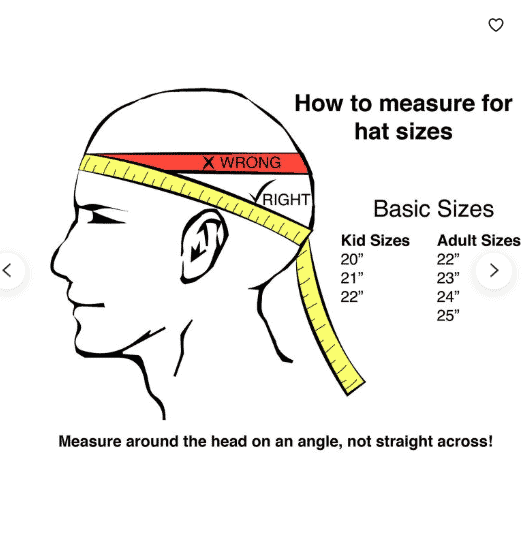
Measure your head with a soft tape around the widest part, about 1 inch above your eyebrows.
I’ve been fitting road helmets for years and helping riders avoid poor fits and discomfort. This guide shows exactly how to measure head for road bike helmet the right way. You’ll learn simple steps, tools to use, common mistakes, and how to pick a helmet size that keeps you safe and comfy. Read on for clear, tested advice you can use before your next ride.

Why proper fit matters for road helmets
A good fit keeps the helmet where it belongs in a crash. A loose helmet can move and fail to protect you. A too-tight helmet hurts and distracts you while riding. Knowing how to measure head for road bike helmet is the first step to a safer and more comfortable ride.

Tools you need to measure your head
You only need a few simple things. Use a flexible cloth or vinyl tape measure. If you don’t have one, use a piece of string and a ruler. You may also want a mirror or a friend to help for better accuracy.

Step-by-step: how to measure head for road bike helmet
Follow these clear steps for a precise measurement.
- Position the tape
- Place the tape about 1 inch (2.5 cm) above your eyebrows.
- Go across the forehead and above the ears.
- This spot is the widest part of most heads.
- Wrap evenly
- Wrap the tape around the head horizontally.
- Make sure it stays level all the way around.
- Avoid tilting up or down.
- Check tension
- Pull the tape snug but not tight.
- You should be able to slide a finger under it.
- Record the number in centimeters first, then inches.
- Repeat and average
- Measure at least twice to be sure.
- If numbers differ, take the average.
- Use the final number to find size charts.
- Convert and match
- Compare your measurement to the helmet brand’s size chart.
- Brands differ, so always check the maker’s chart.
- If you’re between sizes, read brand guidance or try both sizes.

Source: umfg.is
How to read sizing charts and choose fit
Helmet sizes often come as Small, Medium, Large, or S/M, M/L. Each label links to a range of head circumference. Match your measured number to that chart. Also consider helmet shape. Some helmets run narrow or round and affect comfort. If unsure, try the helmet on before buying.

Fit checks after you buy: final tuning
A helmet should sit level on your head. The front edge should be about one finger-width above your eyebrows. Use the retention dial or straps to snug the helmet. The helmet should not rock forward, back, or side to side.
 problems and quick fixes”
style=”max-width: 100%; height: auto; border: 2px solid black; border-radius: 10px; display: block; margin: 0 auto;”
loading=”lazy”
/>
Common fit problems and quick fixes
Problem: Helmet slides forward onto your eyes.
- Fix: Tighten retention and chin strap. If it still slides, try a smaller size.
Problem: Helmet feels tight at temples.
- Fix: Try another model or a different shell shape. Pads can be swapped for thinner ones.
Problem: Chin strap chafes or pinches.
- Fix: Adjust placement under the ear and trim excess strap if needed.
Problem: Gaps at the rear.
- Fix: Use a thicker pad set or a model with deeper rear coverage.
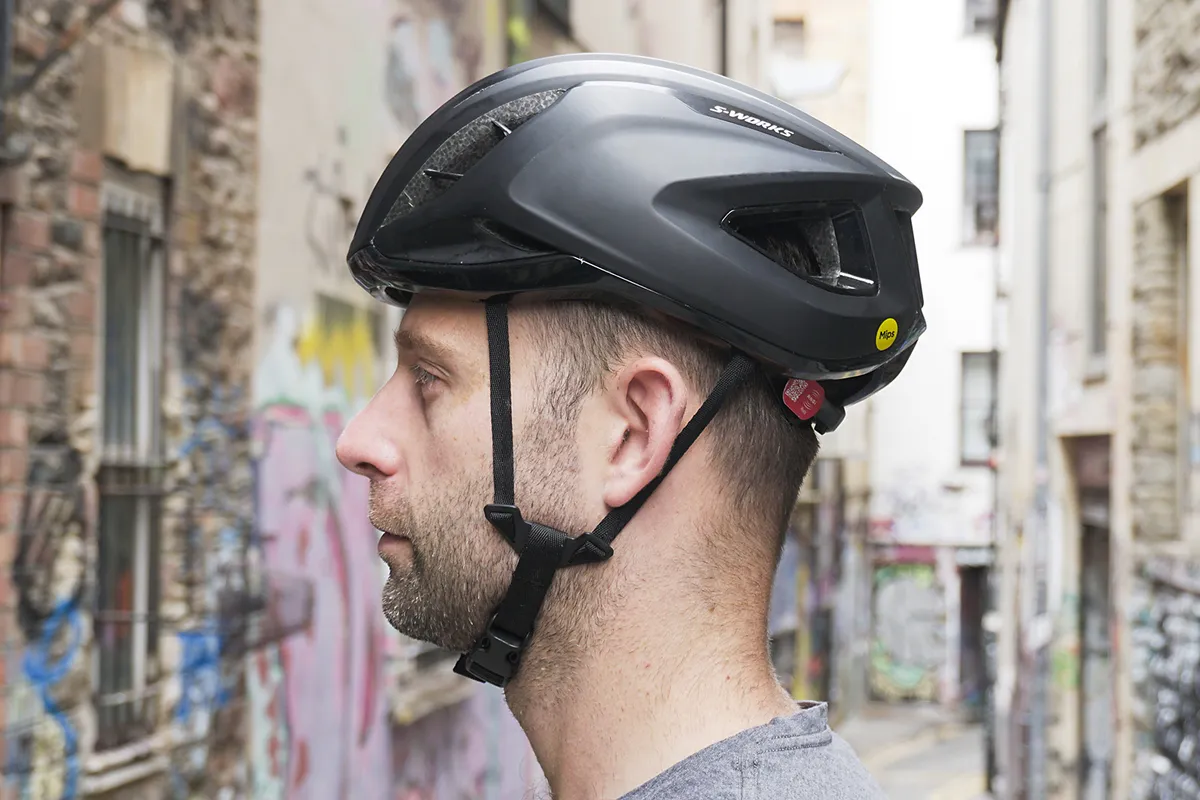
Source: bikeradar.com
PAA-style quick questions
What part of the head do you measure for a bike helmet?
- Measure around the widest part of the head. Place the tape about one inch above the eyebrows and above the ears.
How tight should a road bike helmet be?
- It should be snug and stable but not painful. You should be able to slide one finger under the strap.
Can I use a ruler instead of a tape measure?
- Yes, but use a string first. Mark the string and measure it with the ruler for accuracy.

Source: ridgeandriver.com
Personal experience: mistakes I made and lessons learned
Early in my cycling years I trusted labels and skipped measuring. I bought a helmet that sat too far back and gave me headaches. After learning how to measure head for road bike helmet properly, I found models that fit my head shape and feel great on long rides. I now always measure before ordering online and keep a small tape measure in my kit. It has saved me from returns and discomfort many times.
Safety features to consider beyond size
Size is key, but features matter too. Look for good retention systems that allow fine tuning. Consider helmets with multi-directional impact protection systems for extra crash protection. Ventilation, weight, and pad quality affect comfort and long rides. Also confirm the helmet meets safety standards recommended for your region.
Common helmet fit terms to know
Retention system
- The dial or mechanism that tightens the helmet around your head.
Shell coverage
- The area of head the helmet protects. Road helmets focus on the top and sides.
Pads
- Cushions that affect comfort and minor fit tweaks.
Chin strap
- Keeps the helmet in place. It must sit snug under the chin.
How to measure head for road bike helmet when buying online
Measure at home using the steps above. Check the brand’s size chart before adding to cart. Read reviews about fit and shape. If unsure, buy from a seller with free returns so you can try both sizes.
How to maintain a good fit over time
Replace pads if they compress. Keep the retention dial clean and functional. Straps can wear; inspect straps for fraying. Replace the helmet after a crash or after the manufacturer’s recommended lifespan, usually 3–5 years.
Frequently Asked Questions of how to measure head for road bike helmet
How often should I re-measure my head for helmet fit?
Measure when you buy a new helmet or if your current helmet feels loose or tight. Head size rarely changes, but haircuts and weight changes can affect fit.
Is there a universal helmet size chart I can use?
No. Sizes vary by brand and model. Always match your measurement to the specific brand’s chart.
Should the helmet sit above my eyebrows or on them?
The helmet should sit about one finger-width above your eyebrows. This keeps the forehead protected and vision clear.
Can I wear a cap or beanie under my road helmet?
Thin caps are okay, but thick layers affect fit. If you wear liners, re-measure and re-check the helmet’s snugness.
What if I am between sizes?
Try both sizes if possible. Choose the size that allows the best stability and comfort. Use thicker pads to fine-tune fit or return for a different model.
Conclusion
Measuring your head is a quick step that makes rides safer and more enjoyable. Use a soft tape measure, place it about 1 inch above the eyebrows, and match your reading to the brand chart. Try helmets on when you can and fine-tune using pads and the retention system. Take action today: measure your head, check size charts, and get a helmet that fits well and inspires confidence on the road. Leave a comment about your fit experience or share which helmet worked best for your head shape.

