
Road Bike Helmet: Best Lightweight Picks And Safety Tips

A road bike helmet protects your head and improves comfort, fit, and riding confidence.
I’ve spent years testing helmets on long rides, fast group rides, and solo climbs. This guide explains how a road bike helmet works, what features truly matter, and how to pick one that fits your ride style and budget. Read on for clear tips, real-world lessons, and simple steps to choose the best road bike helmet for you.
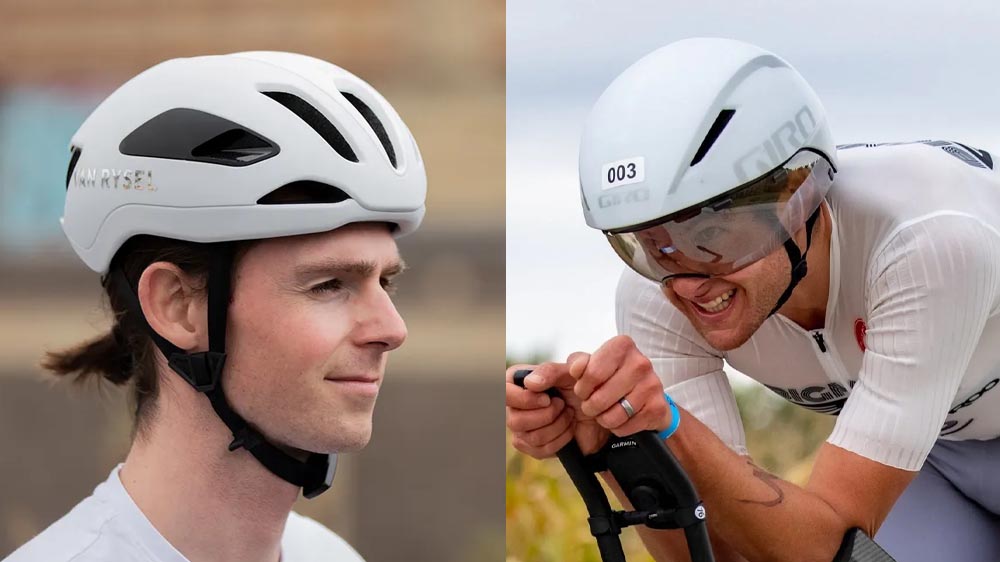
Why a road bike helmet matters
A road bike helmet reduces the risk of serious head injury in a crash. It does this by absorbing and spreading impact forces. Modern helmets are light, ventilated, and designed to work with safety tech like MIPS.
Wearing the right road bike helmet also boosts comfort. A good fit cuts wind noise and keeps sweat away. I always feel more confident when my helmet fits well and stays put during sprints and descents.
Riding without a certified road bike helmet increases risk. Even slow falls can cause concussive forces. A helmet is inexpensive compared with the cost of an injury.

Key features to look for in a road bike helmet
Choose features that match how and where you ride. Here are the most important parts to check.
- Ventilation
- Large vents matter if you ride hot or climb a lot.
- More venting can mean less weight and better cooling.
- Fit system
- A secure dial or strap keeps the helmet stable.
- Try the fit with temple and occiput contact points.
- Retention and straps
- Straps should sit flat and form a V under each ear.
- A snug chin strap prevents forward motion during impact.
- Safety tech
- Multi-directional impact protection systems reduce rotational forces.
- Look for models with tested impact mitigation.
- Shell and liner
- In-mold shells bond outer shell to EPS foam for lower weight.
- Removable pads make cleaning easy.
- Weight and aerodynamics
- Lighter helmets reduce neck fatigue on long rides.
- Aero helmets cut drag but can reduce ventilation.
- Certification
- Check for CPSC (US), CE, or other local certifications.
- Certified helmets meet minimum crash protection standards.
Testing these features on real rides is key. I prefer helmets that balance venting and weight for all-day comfort.

Types of road bike helmets and who they suit
Not all road bike helmets are the same. Pick one that fits how you ride.
- Lightweight ventilated helmets
- Best for climbing and long rides.
- Prioritize cooling and low weight.
- Aerodynamic helmets
- Made for time trials and fast flat rides.
- Best if you race or ride at high speed.
- Commuter and urban road helmets
- Often include extra coverage and visibility.
- Some have integrated lights or reflective panels.
- Endurance or all-round helmets
- Balanced venting and comfort for daily riders.
- Good for mixed terrain and long days.
- Integrated helmet with accessories
- Built-in lights, visors, or camera mounts.
- Useful for commuters and adventure riders.
Think about where you ride most. I switched to a more ventilated road bike helmet after moving to a warmer climate. It made a big comfort difference.

How to choose the right road bike helmet
Follow a simple process to pick the right helmet.
- Measure your head
- Use a soft tape above the ears and eyebrows.
- Compare to the manufacturer’s size chart.
- Test the fit
- Center the helmet and tighten the retention.
- Shake your head; the helmet should not move much.
- Check chin strap and fit pads
- Straps should be snug but not tight.
- Pads should touch but not pinch your head.
- Consider riding style
- Choose aero for speed, ventilated for heat.
- Think about commuting features if needed.
- Inspect safety features
- Confirm the helmet has proper certification.
- Consider a helmet with rotational impact tech.
People ask if a snug helmet is too tight. A properly fitted road bike helmet feels firm but comfortable. I learned to swap pads to fine-tune fit. That small change solved pressure points on a long ride.

People Also Ask (PAA) style questions
How tight should a road bike helmet be?
It should be snug and stable but not painful. You should fit two fingers between the strap and your chin.
When should I replace my road bike helmet?
Replace after a crash or visible damage. Also replace after 3 to 5 years due to foam degradation.
Does an expensive road bike helmet offer better safety?
Higher price often buys comfort, lower weight, and features. Basic certified helmets still meet safety standards.

Maintenance, care, and replacement of your road bike helmet
Caring for a helmet keeps it safe and comfortable.
- Cleaning
- Use mild soap and water on pads and shell.
- Avoid strong solvents that weaken foam.
- Storage
- Keep out of direct sun and heat.
- Store on a shelf, not in a packed bag with heavy items.
- Straps and buckles
- Check for frays and proper buckle function.
- Replace straps if damaged.
- Replacement timeline
- Replace after any crash, even if the damage is not visible.
- Replace every 3 to 5 years, depending on use and storage.
I once kept a helmet too long and noticed the foam felt brittle. Replacing it restored peace of mind and comfort.
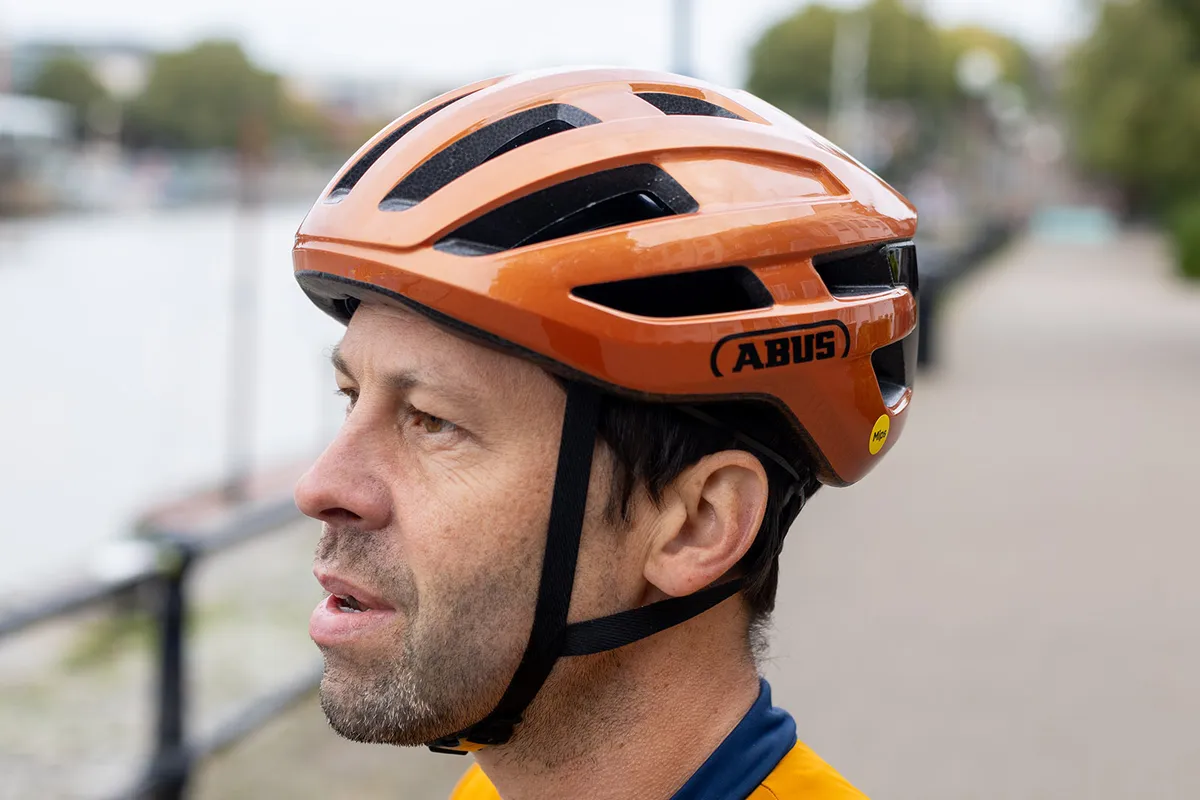
Common myths and safety trade-offs
Clear up common misconceptions about road bike helmets.
- Myth: A helmet prevents all head injuries
- Reality: Helmets reduce risk but do not eliminate injury.
- Myth: Only full-face helmets protect well
- Reality: Road bike helmets are designed for typical road impacts.
- Myth: Lighter helmets are always safer
- Reality: Lighter often means premium materials and comfort. Safety depends on design and certification.
- Trade-off: Aerodynamics vs ventilation
- Aero helmets reduce drag but may run hotter.
- Choose based on the rides you do most.
I once bought an ultra-aero helmet for a group ride and overheated on the climb. I now keep one aero and one ventilated helmet. That solved the trade-off for me.

Personal experience and practical tips
I’ve tested many road bike helmets across seasons. Here are what I learned.
- Try before you buy
- Different brands fit different head shapes.
- A demo ride helps confirm comfort.
- Adjust fit early
- Spend time with the pads and retention system for a few rides.
- Minor tweaks fix most pressure spots.
- Balance features with budget
- Mid-range helmets often offer the best value for most riders.
- Spend more for weight savings if you race.
- Keep a spare
- A backup helmet can be handy for night rides or guests.
- It also helps when your primary helmet is in the wash.
One mistake I made was skipping a proper fitting session. I spent weeks with a helmet that caused sore temples. Lesson learned: fit matters more than looks.
Frequently Asked Questions of road bike helmet
What is the difference between a road bike helmet and a mountain bike helmet?
A road bike helmet is lighter with more ventilation and less rear coverage. Mountain bike helmets offer more rear and side protection and sometimes a visor.
Is MIPS necessary for a road bike helmet?
MIPS adds protection against rotational forces but is not required. It can reduce some brain injury risks in certain crashes.
Can I use a commuter helmet for road cycling?
Yes, if it fits well and meets safety standards. Commuter helmets may weigh more and have less ventilation than road-specific helmets.
How should a road bike helmet fit on my head?
It should sit level on your head and low on your forehead. The retention should be snug and straps form a V under each ear.
How long does a road bike helmet last?
Replace after any crash or visible damage. As a rule, consider replacement every 3 to 5 years depending on use and exposure.
Do I need a new helmet after a small crash?
Yes. Even small impacts can cause invisible foam compression. Replace the helmet to ensure full protection.
How do I clean helmet pads safely?
Remove pads when possible and wash with mild soap and water. Let them air dry before reattaching.
Can I travel with my road bike helmet in checked luggage?
It’s better to carry it on board. Checked luggage can crush the helmet. If you must check it, use a hard case or pack it well.
Conclusion
A road bike helmet is a small investment that delivers big safety and comfort benefits. Choose one that fits your head, matches your riding style, and meets safety standards. Test the fit, keep it clean, and replace it after impacts or after a few years of use.
Ride smart, wear your helmet, and share your helmet stories or questions below. Want to learn more? Subscribe or comment to get practical tips and hands-on reviews.

