
12 Best Road Bike Helmet Guide: Top Picks, Safety Ratings, and Fit Tips

Road cycling demands speed, control, and safety. A good road bike helmet protects the head in crashes, improves airflow to keep riders cool, and stays light so it does not tire the neck on long rides. Road helmets also vary in shape, ventilation, and fit systems to suit different riding styles and weather.
Buyers should focus on fit, safety certifications, ventilation, weight, and visibility features like reflective elements or MIPS-style rotation protection. A properly fitting helmet that meets recognized safety standards and feels comfortable during long rides gives the best balance of protection and performance. This guide compares top models, explains how to fit and maintain a helmet, and points out common buying mistakes riders should avoid.
12 Best Road Bike Helmets
They picked helmets that balance safety, fit, and airflow for road cycling. The list highlights top models for speed, comfort, and value to help readers choose the right helmet.
Smith Signal MIPS Helmet

It’s a solid choice for riders who want a light, well-ventilated helmet with MIPS protection at a fair price.
Pros
- Very lightweight and comfortable for long rides
- Strong ventilation keeps head and glasses from fogging
- Easy, precise fit with the VaporFit dial
Cons
- Fit can feel snug for some head shapes
- Lacks extra padding options for those who want more cushion
- Not the fanciest styling compared with premium models
They used this helmet on mixed road rides and found it stayed light over several hours. The ratchet fit made small adjustments quick and kept the helmet stable on climbs and descents.
Air moved well through the fixed vents, and the AirEvac worked with sunglasses to cut lens fog. Riding in warm conditions felt noticeably cooler than older, bulkier helmets.
Crash protection felt reassuring thanks to the Koroyd zones and MIPS liner. The shell is simple and durable, though riders wanting plush padding might miss extra softness.
Overall, it balances performance and value without fuss. It fits most riders who want comfort, breathability, and basic advanced safety features.
Giro Syntax MIPS

It’s a strong choice for riders who want a light, well-ventilated helmet with MIPS protection and an easy, secure fit.
Pros
- Comfortable, adjustable fit that stays stable on long rides
- Very light and well-ventilated for hot-weather riding
- Feels solid and well-made without excess bulk
Cons
- Looks a bit larger than some sleek race lids
- Vent openings could be slightly bigger for extreme heat
- MIPS adds cost and some riders debate the benefit
They tightened the straps, dialed the Roc Loc 5 fit, and the helmet settled into place with no wobble. The padding felt soft but not sloppy, and it stayed comfortable on a few long rides.
Air moved through the 25 vents well enough that sweat didn’t pool, though on a very hot day it felt like it could use more raw airflow. The shell is thin but solid, and the in-mold construction made it feel durable without extra weight.
The MIPS liner gave peace of mind when riding fast or taking corners, and the shape gives slightly deeper coverage across the temples. It doesn’t aim to be the smallest profile on the market, but it balances protection, comfort, and style for most road riders.
Giro Register II MIPS
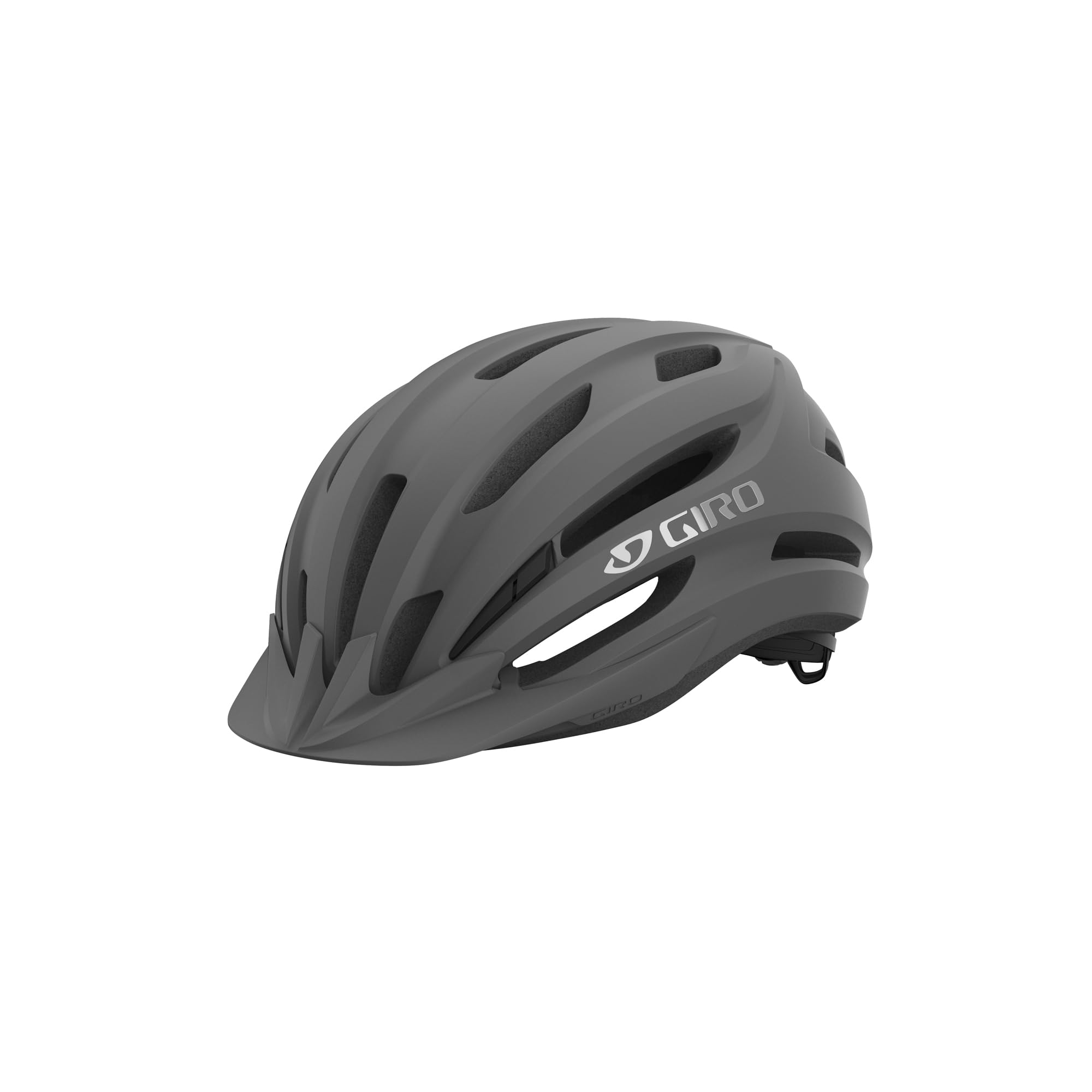
It’s a solid choice for riders who want a comfy, well-ventilated helmet with modern safety features at a fair price.
Pros
- Feels light and sits comfortably for long rides
- Good airflow even on warm days
- Built-in MIPS adds extra rotational protection
Cons
- Visor is removable but feels a bit basic
- Fit can be snug for very large heads despite “universal” sizing
- Not as flashy as high-end race helmets
They made this helmet noticeably light. On a 20-mile morning ride it stayed secure without pressure points, and the straps adjusted easily. The vents moved air well, so sweat felt less annoying on humid climbs.
The MIPS layer gave confidence when cornering over rough roads. It is subtle but reassures riders who follow helmet safety tech. The shell feels sturdy without being heavy, and the finish held up after several commutes.
The removable visor works for sunny rides but looks simple. Someone who wants a race-style helmet might want sleeker lines or extra features. Overall it combines practical comfort, decent protection, and good value for most recreational road riders.
Giro Register MIPS II
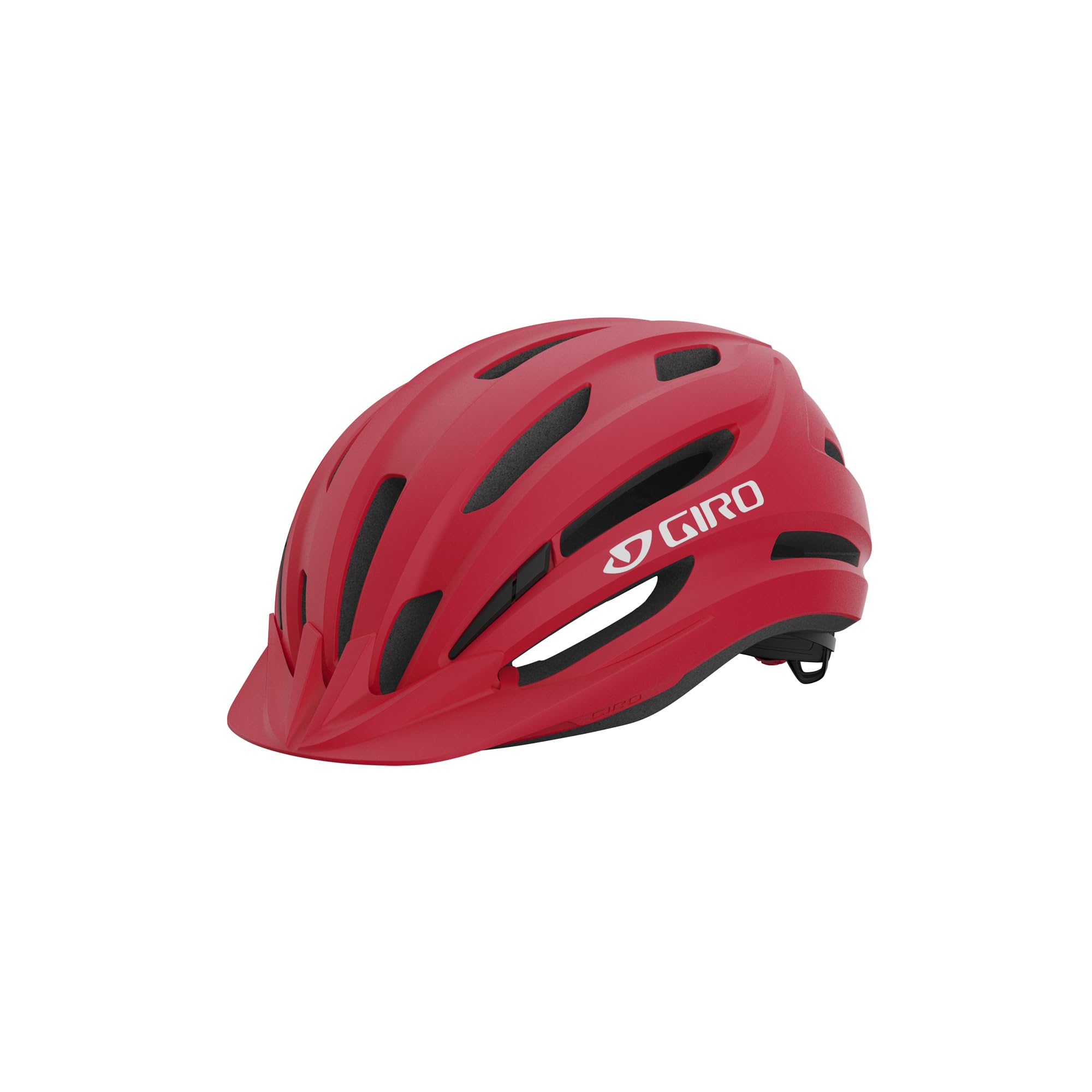
It’s a solid choice for riders who want a well-ventilated, comfortable helmet with MIPS protection at a fair price.
Pros
- Comfortable fit that adjusts easily for different head sizes
- Good ventilation for long rides
- MIPS adds extra rotational impact protection
Cons
- Visor is removable but offers limited sun coverage
- Not as light as high-end race helmets
- Universal fit may feel bulky to some riders
The first time it was used, the fit system made getting comfortable quick. The straps and pads sat right, and the helmet did not shift during a three-hour ride.
Air flowed well through the vents on hot days, and sweat did not pool. It felt breathable compared with cheaper hard-shell helmets tried before.
The MIPS layer gave extra confidence on mixed-road rides. The shell felt sturdy, though weight-wise it wasn’t the lightest option for competitive riders.
The removable visor is handy for bright, low-angle sun but blocks less than larger visors. Riders who want a race-style, ultra-light helmet may prefer a different model.
Overall, it worked well for commuting, club rides, and casual long rides where comfort, ventilation, and safety matter.
Giro Agilis MIPS — Matte Black/Bright Red, Large
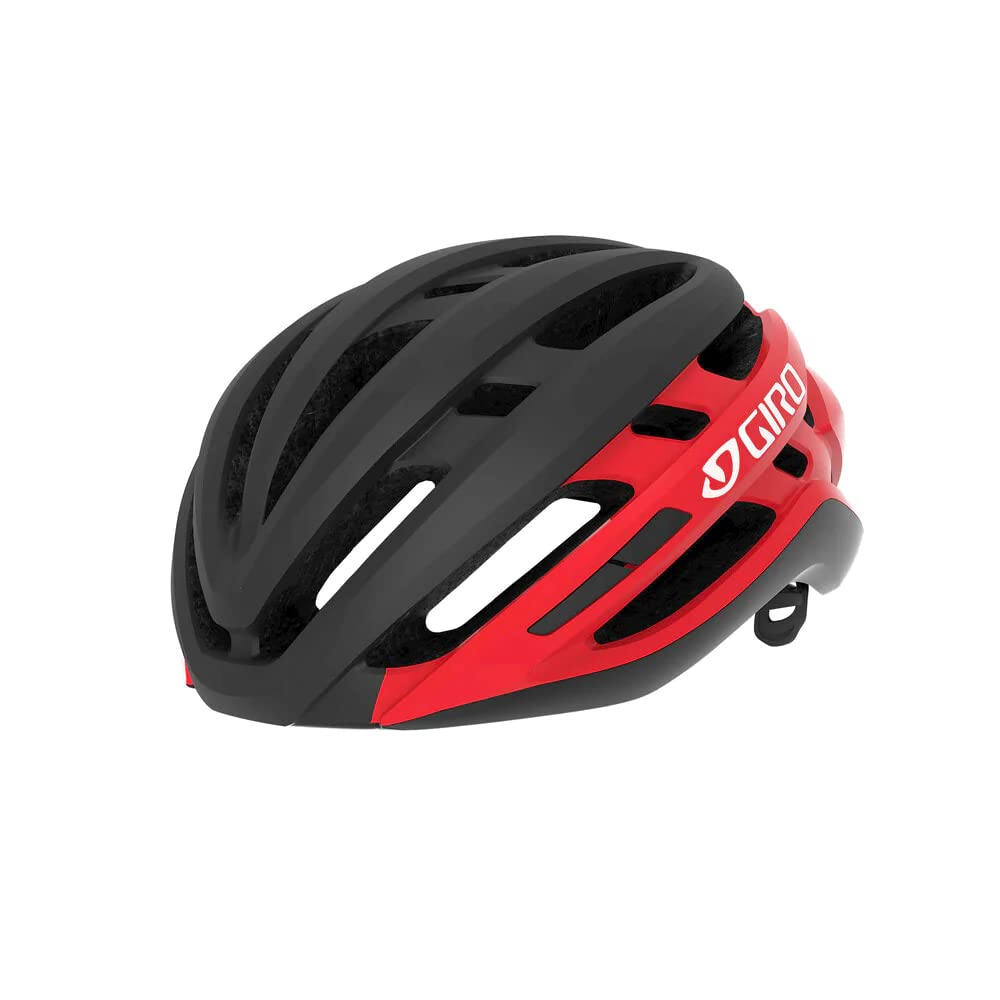
This helmet is a strong choice for road riders who want light weight, good ventilation, and added MIPS safety without paying for a race-only shell.
Pros
- Feels very light and sits comfortably for long rides.
- Venting keeps the head cool on warm days.
- Simple dial fit makes quick adjustments easy.
Cons
- Matte finish can show scuffs after regular use.
- Not as aero as race-focused helmets.
- Fit may feel odd for very round or very long heads.
They tested this helmet on mixed road rides and found it balanced comfort and airflow well. The Roc Loc 5 dial tightened easily after a few miles, and the padding dried fast after a sweaty climb.
Air moved through the vents noticeably, so heat didn’t build up on sunny rides. The shell felt sturdy and the MIPS liner sat low and unobtrusive, giving added confidence in crashes without bulk.
On short, fast efforts the helmet didn’t feel as wind-slicing as some race lids, but it stayed steady at speed and never bounced. Overall, it worked well for daily training, long rides, and club spins.
Giro Cielo MIPS — Matte Sharkskin, Medium
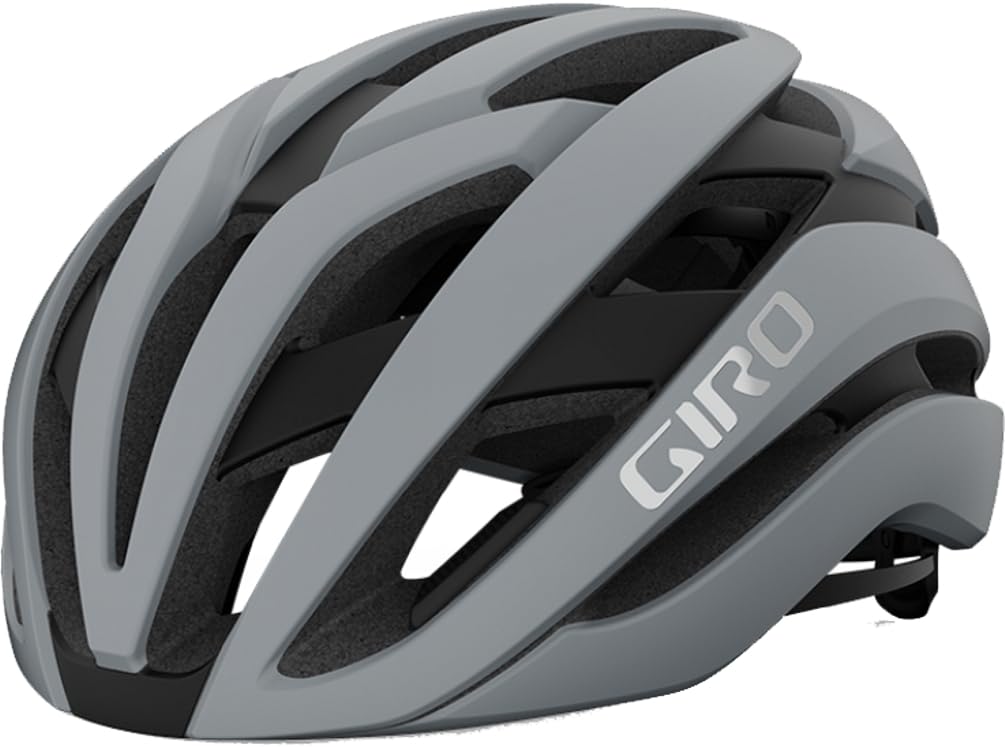
It’s a strong choice for riders who want light weight, steady ventilation, and a snug adjustable fit on long road or gravel rides.
Pros
- Very good airflow that keeps the head cool.
- Lightweight and comfortable for long rides.
- Fit dial lets you fine-tune position and pressure.
Cons
- Medium sizing may run small for some heads.
- Ventilation can let in more wind on cold days.
- Padding can compress over long-term use.
The helmet felt light the moment it went on and barely added weight during a three-hour ride. The vents move a lot of air, so sweat dried quickly and hair stayed mostly dry on hot climbs.
Adjusting the ROC LOC dial was fast and secure. It sat low enough to feel stable without pressure points, and the MIPS layer added a quiet sense of extra protection.
Some rides into cooler wind made the vents feel drafty. Also, one should double-check size before buying; the medium I used fit snugly and might be tight for some adults.
Giro Isode MIPS II
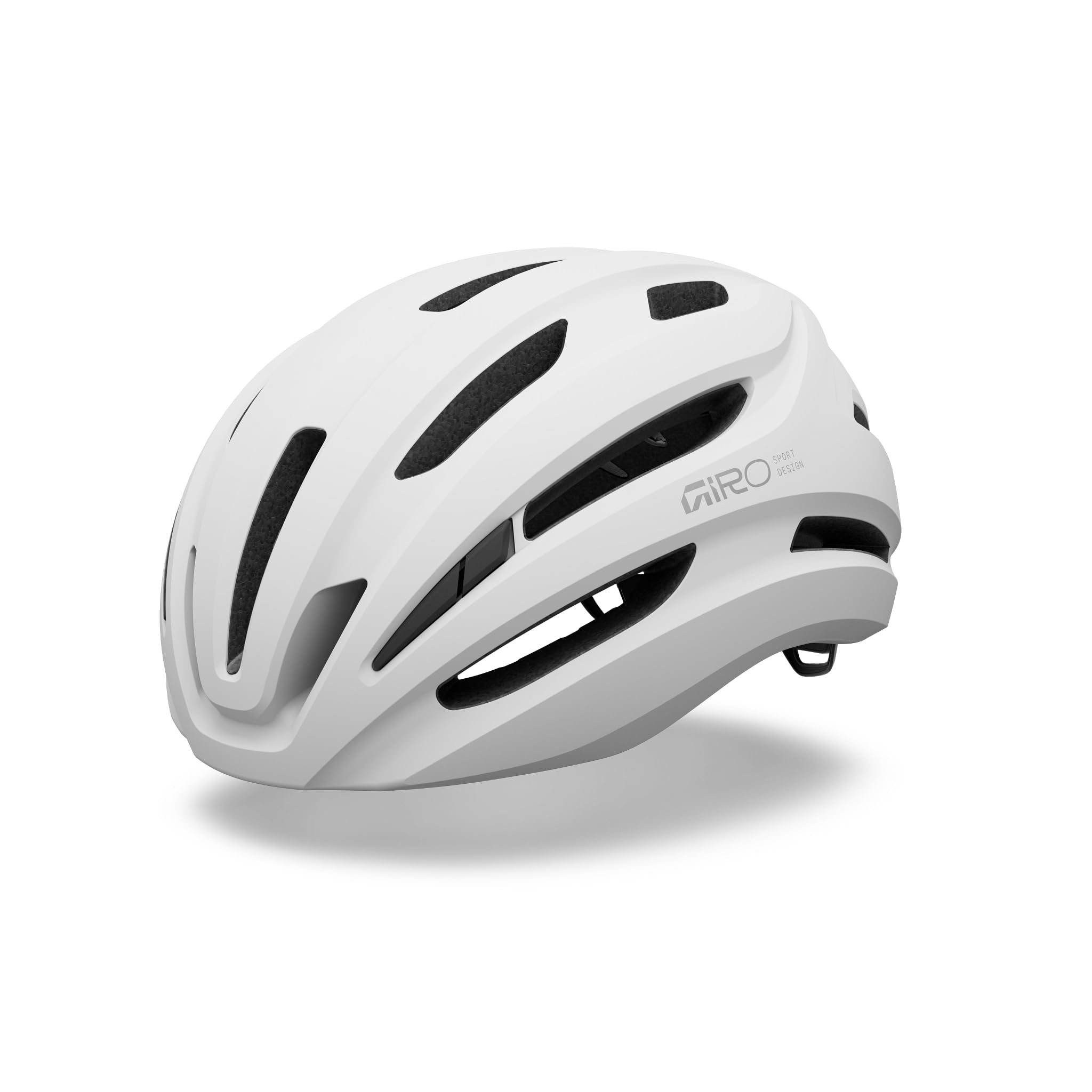
This helmet is a solid choice for riders who want pro-style vents, light weight, and easy fit adjustment in one package.
Pros
- Very breathable on long rides
- Simple one-hand fit dial that stays put
- Feels light without losing a safe, snug fit
Cons
- Mips feel thinner than some high-end systems
- Not as padded for very long century rides
- Venting can let wind noise through at high speed
They tested this helmet on mixed asphalt and rolling hills and noticed it kept the head cool on climbs. The large vents and deep internal channels moved air well, so sweat dried faster than with older helmets.
The Roc Loc Sport dial made small fit tweaks easy mid-ride. It clicked firmly and held position, and the ponytail slot worked for a low pony. The overall shell feels compact, so it sat close without pressure points.
Mips Evolve Core gave an extra sense of protection during a hard practice fall, though it felt less bulky than some premium Mips liners. The in-mold shell cut weight, and the helmet stayed secure at speed without wobbling.
Riders who want a lightweight, ventilated helmet with a simple fit system will like this one. Those who need extra plush padding or maximal Mips volume might look elsewhere.
Buy it on Amazon: Giro Isode MIPS II Cycling Helmet Matte White Universal Adult
Schwinn Thrasher Helmet

It’s a solid buy for casual and fitness riders who want a comfortable, well-ventilated helmet at a low price.
Pros
- Lightweight and stays comfortable on longer rides
- Easy dial fit gives a secure, custom feel
- Good airflow with many vents and a removable visor
Cons
- Fit can run tight for heads over 62 cm
- Simple design lacks premium finishes
- No built-in lights on the non-lighted model
The Thrasher felt light the first time they put it on and stayed that way during a two-hour loop. The dial in back let them tighten it quickly, and the strap adjustments kept the helmet from wobbling when they looked over their shoulder.
Vents moved air well on warm days, and the removable pads cleaned up easily after sweaty rides. The small visor cut glare on sunny stretches but came off without fuss when they wanted a cleaner look.
They noticed the shell and plastic trim feel basic compared with pricier helmets. It still gave confidence on city streets and quiet country roads, but riders with very large heads might need a different size.
Kask Protone Icon

It’s a solid pick for riders who want a very light, well-ventilated helmet with a clean aerodynamic shape.
Pros
- Very comfortable fit that stays stable on long rides
- Excellent ventilation keeps the head cool in warm weather
- Feels light while still seeming well built
Cons
- Adjustment dial can feel fragile after heavy use
- Higher price than budget helmets
- Finish and color tone may differ from photos
The first time they put it on, the helmet felt snug and balanced. Padding sits comfortably against the scalp and the straps are easy to set without fuss. Riding for several hours, they noticed good airflow and less sweat buildup than with other road helmets.
On fast rides the shell’s shape seemed to cut wind without feeling tight. The rear stabilizer and internal frame give a secure feel when cornering or climbing. Small touches like washable liners make upkeep simple after muddy or sweaty rides.
They did see one downside: a neighbor’s unit had the adjustment dial fail after a few months, which left it unusable until repaired. For most buyers, the Protone Icon offers premium comfort and cooling, but those who demand long-term toughness from all small parts should inspect the fit system regularly.
MET Trenta 3K Carbon MIPS
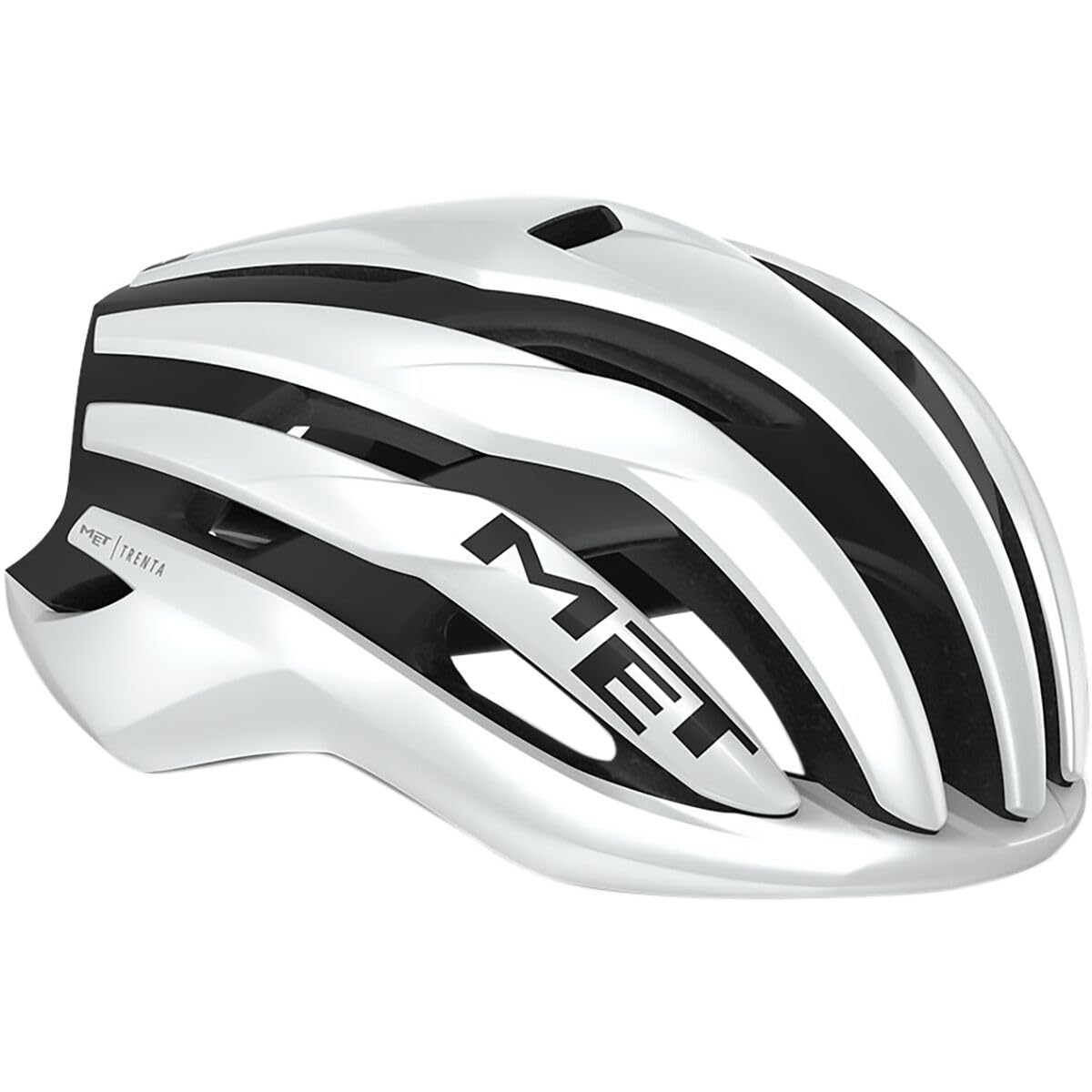
This helmet is worth buying for riders who want a very light, well-ventilated aero helmet that still focuses on safety and fit.
Pros
- Very light and feels fast on long rides.
- Excellent ventilation that keeps the head cool.
- Secure, adjustable fit that works well for narrow heads.
Cons
- Older model with mixed crash-test notes versus newer versions.
- Tight fit with liners or thicker caps in cold weather.
- Color may differ from product photos.
They made this helmet feel like a race-day piece the first time they clipped in. The carbon shell and slim tail cut wind and the vents move air where it counts. Riding hard on the drops felt noticeably cooler than other aero lids tried on hot days.
Fit adjustment is precise and stays put through climbs and sprints. He found the dial and straps comfortable with no hot spots after several hours. Riders with narrow or long heads will likely find a very good fit; wider heads may feel it sits snug.
Protection felt solid and the MIPS AIR padding moved smoothly without adding bulk. Keep in mind this is the 2022 version, and some newer models show different crash-test results. If cold-weather layering matters, a thicker cap can make the fit too tight.
Grab the MET Trenta 3K Carbon MIPS on Amazon: MET Trenta 3K Carbon MIPS Road Bike Helmet.
Giro Vanquish MIPS
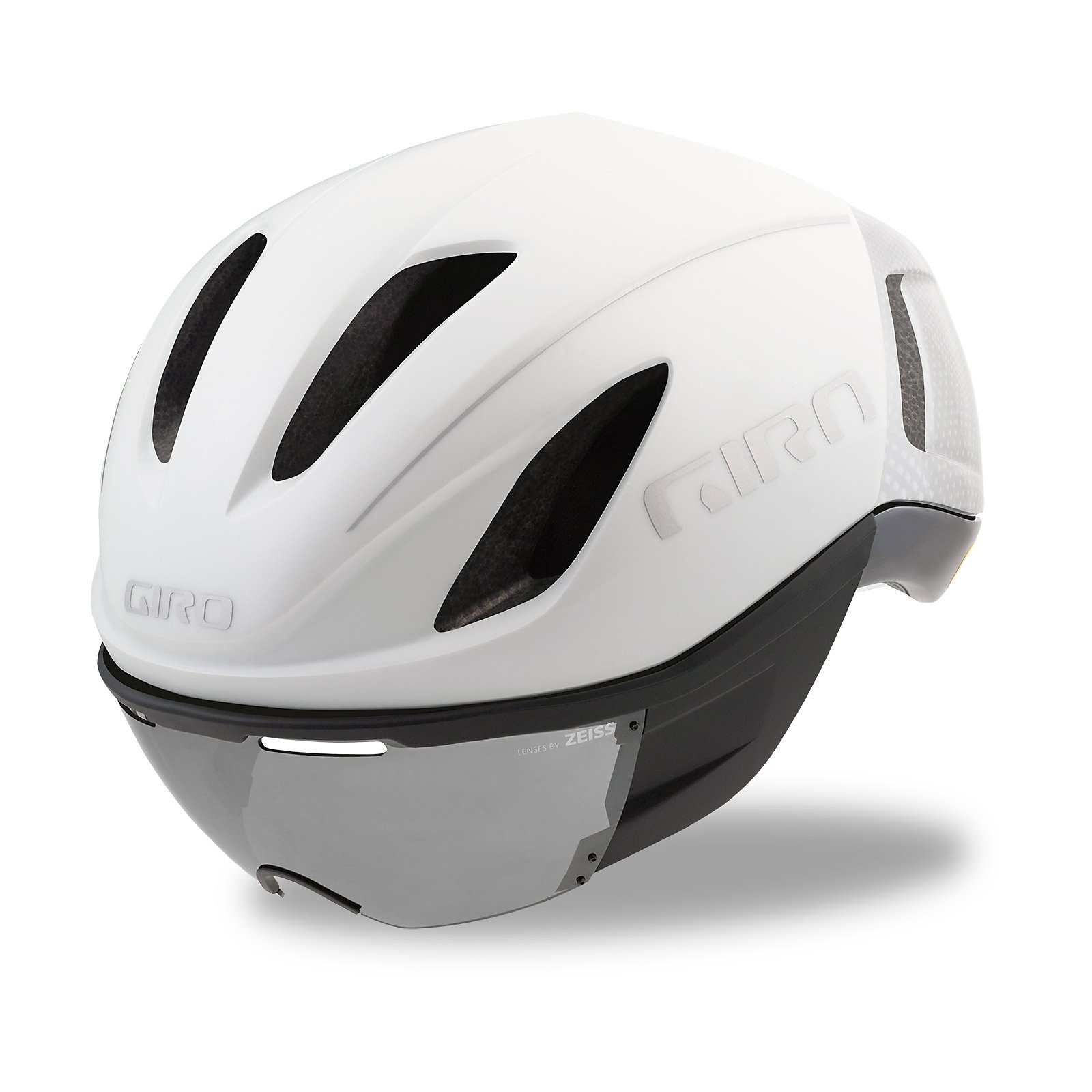
This helmet is worth buying for riders who want top-end aerodynamics, a secure fit, and a built-in visor that cuts glare.
Pros
- Very aerodynamic and fast-feeling on climbs and flats
- Comfortable fit with firm retention system
- Integrated visor keeps wind and sun out of the eyes
Cons
- Visor can fog in very humid conditions
- Price is high compared with basic road helmets
- Not as ventilated as some lightweight helmets
They felt fast the first time they clipped in. The Vanquish shapes airflow so you notice less drag when you pick up speed. It also sat snug and stable without rubbing on long rides.
The visor made it easier to focus on the road. It blocked sun and wind well, and switching to sunglasses was simpler because the helmet paired cleanly with glasses. On humid mornings the shield sometimes fogged, so they kept an anti-fog wipe handy.
Padding and the retention dial stayed comfortable on multi-hour spins. The helmet felt solid and protective. For riders who value aero performance and a clean visor setup, this helmet delivers even if it costs more.
POC Ventral Air MIPS
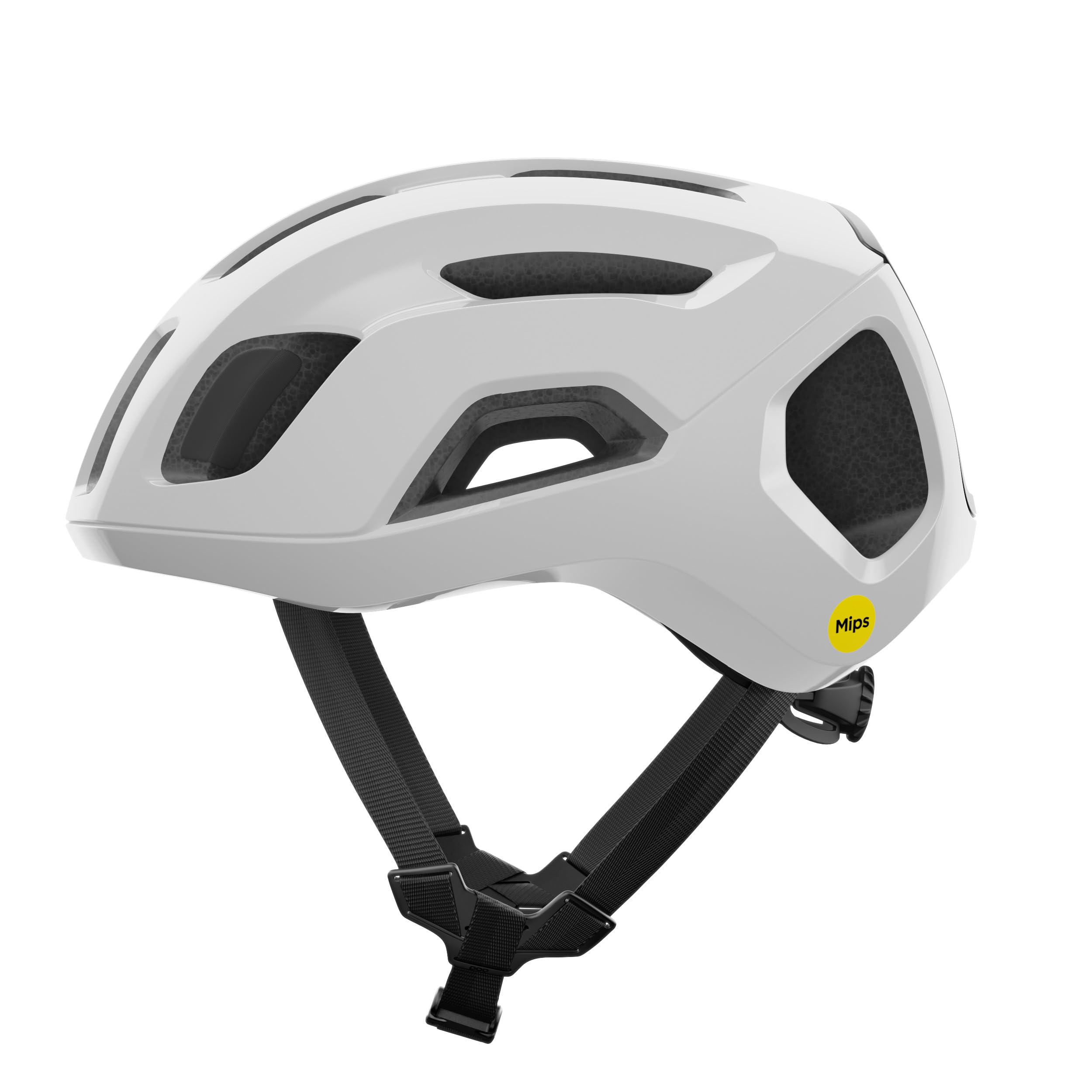
It is a strong choice for riders who want top ventilation, low weight, and added rotational protection.
Pros
- Excellent airflow that keeps the head cool on hot rides.
- Very light and comfortable for long efforts.
- Mips and solid shell give a confident feel of safety.
Cons
- Price is higher than basic helmets.
- Fit can feel snug for some head shapes.
- Few vents can channel road spray on wet days.
They designed this helmet to move air through clean channels, and that shows on every climb. Wearing it on a long sunny ride, the cooling was noticeable and the head stayed dryer than with my older helmets.
Adjustment is simple and secure. The size dial locks well and the straps sit flat, so it stays put during sprints and descents. The eye garage also makes switching sunglasses easy without fumbling.
The Mips layer and unibody shell feel reassuring without adding bulk. It does cost more, but the mix of comfort, ventilation, and safety makes it worth considering for serious road riders.
Buying Guide
Choosing the right road bike helmet starts with fit. It should sit level on the head and feel snug without pressure. Straps must form a Y under each ear and a dial or padding should hold it steady.
Look for safety features that matter. Check for certifications from recognized testing bodies. Consider multi-impact or MIPS-style designs that reduce rotational forces in a crash.
Think about ventilation and weight. More vents improve airflow on hot rides. Lighter helmets feel better on long rides but may trade off some padding or coverage.
Consider coverage and shape. Road helmets usually offer more aero profiles and rear coverage. Make sure the helmet covers the temples and back of the head adequately for the rider’s style.
Inspect comfort and adjustability. Removable pads help with hygiene. An easy-to-use retention system lets riders fine-tune the fit while wearing gloves.
Use practical extras to match needs. Built-in visors suit bright sun or debris. Integrated lights or reflective accents increase visibility in low light. Compatibility with eyewear or communication gear can matter to commuters and group riders.
Balance price and durability. Higher cost can mean lighter materials, better ventilation, or advanced safety tech. Verify warranty and crash-replacement policies to protect the purchase.
Compare helmets in person when possible. Trying helmets on reveals pressure points and real comfort. If ordering online, check the seller’s return policy and size guides first.
Common Mistakes to Avoid
They choose the wrong size. A helmet that is too loose or too tight will not protect well. Measure head size and try helmets on before buying.
They wear the helmet too high or too low. The front should sit about two finger-widths above the eyebrows. Straps should form a V under each ear and the chin strap should be snug.
They skip adjusting the fit system. Many helmets have a dial or pads for fine-tuning. Small adjustments improve comfort and safety.
They keep old or damaged helmets. Cracks, deep scratches, or after a crash mean replacement is needed. Manufacturers recommend replacing helmets every 3–5 years or after an impact.
They buy only for looks. Style matters, but safety features like certified impact protection and good ventilation matter more. Check for safety standards such as CPSC or EN 1078.
They overtighten straps or leave them too loose. Overtightening causes discomfort; loose straps reduce protection. Aim for a balance: secure but comfortable.
They ignore maintenance and cleaning. Sweat and sun degrade materials over time. Clean with mild soap and water, and store out of direct sunlight.
They assume weight equals safety. Lighter helmets can be safe if they meet standards. Read specs and certifications rather than trusting weight alone.
They forget to try helmets with accessories. Sunglasses, goggles, or communication devices can change fit. Test these together before long rides.
How to Properly Fit a Bike Helmet
A helmet should sit level on the head, not tilted back. It must cover the forehead just above the eyebrows to protect the front of the skull.
Use the size chart from the helmet maker to pick the right shell size. Try the helmet on and shake the head gently; the helmet should not move more than an inch.
Adjust the internal fit system so the helmet feels snug but not tight. The band or dial at the back should hold the helmet centered and stable.
Set the side straps to form a “V” under each ear. The buckle should sit under the chin and not press on the throat.
Fasten the chin strap and tighten until two fingers fit between the strap and the chin. The strap should be snug during motion but allow comfortable breathing and talking.
Check fit with simple tests:
- Rock the helmet front to back and side to side.
- Open the mouth wide; the helmet should pull down slightly.
- Wear sunglasses or a cap to make sure the helmet still fits.
Replace a helmet after a crash, even if it looks fine. Helmets age and lose protection over time; follow the manufacturer’s replacement recommendations.
Maintenance & Lifespan
They should inspect the helmet before every ride. Check for cracks, deep dents, loose straps, and worn buckles. Any visible damage means the helmet may not protect properly.
The foam inside compresses over time. Replace a helmet after a crash, even if damage is not obvious. Impact forces can weaken internal structure without clear signs.
Manufacturers usually recommend replacing a helmet every 3–5 years. Heat, sweat, and sunlight speed up wear. Store the helmet in a cool, dry place away from direct sun.
Clean the shell with mild soap and water. Remove pads and wash them by hand or follow the maker’s instructions. Avoid strong solvents and machine washing to protect the foam and straps.
Keep a simple log of purchase date and any impacts. Note small cracks, strap fraying, or broken vents. This helps decide when replacement is needed.
Common warning signs:
- Cracked or crushed foam
- Frayed or weak straps
- Loose lining that won’t reattach
- Helmet feels loose after adjusting
Proper care extends service life but does not make a helmet indestructible. When in doubt, replace it.
Final Verdict (Best Picks Recap)
They picked helmets that match different rider needs: light weight, top protection, budget value, and comfort. Each helmet earned its spot for clear reasons that riders can trust.
- Best overall: A balanced choice for fit, safety, and ventilation. It suits most riders who want one reliable helmet.
- Best for aerodynamics: Designed to cut wind and save energy on long rides and races. It may trade some ventilation for speed.
- Best for comfort: Prioritizes fit and padding for long hours in the saddle. Riders who ride daily will appreciate the steady comfort.
- Best value: Offers solid protection and features at a lower price. Good for beginners or casual riders on a budget.
They should pick based on what matters most: weight, ventilation, fit, or price. Riders who plan long fast rides will favor aerodynamic models. Commuters and casual cyclists may prefer comfort or value picks.
Fit remains the single most important factor. A properly fit helmet protects better and feels better. Trying helmets on before buying is the safest choice.
FAQ Section
What size helmet should they choose?
They should measure head circumference just above the eyebrows. Use the brand’s size chart and adjust the fit pads or retention dial until the helmet sits level and snug.
How often must they replace a helmet?
Replace after any crash or after 3–5 years of regular use. Materials age and lose protective ability over time.
Are more expensive helmets always safer?
Not always. Higher price can mean lighter weight or better vents, but safety depends on certified construction. Look for helmets with CPSC, CE, or other relevant safety certifications.
What about ventilation and comfort?
More vents improve airflow but can reduce insulation in cold weather. Fit and padding matter most for comfort; removable washable pads help keep it fresh.
Should they use MIPS or similar tech?
MIPS and similar systems aim to reduce rotational forces in angled impacts. They add a small cost and slight weight but can increase protection in some crashes.
How to care for a helmet?
Wipe with mild soap and water; avoid strong solvents and prolonged sun exposure. Store in a cool, dry place away from heavy items that can deform it.
Can accessories affect safety?
Yes. Aftermarket lights, cameras, or stickers can change how a helmet performs. Use accessories designed for helmets and follow manufacturer guidance.
