
Does Hyundai Provide Loaner Cars

Hyundai does offer loaner cars, but it’s not a universal, guaranteed program for every customer or every service. Availability is primarily tied to warranty-covered repairs and varies significantly by individual dealer policy. You must always call your specific Hyundai dealership in advance to confirm their current loaner car policy, availability, and any associated requirements or fees. Understanding these nuances is key to avoiding surprises when your Hyundai is in the shop.
Key Takeaways
- Program is Dealer-Dependent: There is no corporate-mandated, universal loaner car program. Each Hyundai dealership independently decides if, and how, to offer this service.
- Tied to Warranty Repairs: Loaners are most commonly provided for repairs that are covered under Hyundai’s New Vehicle Limited Warranty or other manufacturer warranties.
- No Absolute Guarantee: Even with a warranty repair, a loaner is a courtesy, not a right. Availability depends on the dealer’s fleet size and current demand.
- Requirements Apply: You will likely need a valid driver’s license, proof of insurance, and may need to sign an agreement. Some dealers charge a nominal fee or require a fuel deposit.
- Alternatives Exist: If a loaner isn’t available, ask about “rental reimbursement” (if covered by warranty), or your own insurance/credit card rental benefits.
- Always Call Ahead: The single most important rule. Never assume a loaner car is available. Confirm policies and reserve a vehicle before your appointment.
- Competitor Context: Many brands like Toyota and Kia have similar dealer-dependent programs, so this variability is common across the industry.
📑 Table of Contents
- Understanding Hyundai’s Service Loaner Program: It’s Not One-Size-Fits-All
- How Hyundai’s Loaner Program Works (When It’s Available)
- Who Qualifies for a Hyundai Loaner Car? The Eligibility Rules
- What to Expect: The Realities and Limitations of Hyundai Loaners
- Alternatives and Backup Plans: When a Loaner Isn’t an Option
- How Hyundai Compares: What About Toyota, Kia, and Others?
- The Bottom Line: Your Action Plan for Securing a Hyundai Loaner
Understanding Hyundai’s Service Loaner Program: It’s Not One-Size-Fits-All
So, your Hyundai needs service. Maybe it’s a routine oil change, or perhaps a more involved warranty repair. A big question pops into your head: “How will I get to work? How will I pick up the kids?” The thought of a courtesy, or “loaner,” car from the dealership is a huge relief. But when you start asking around, the answers about Hyundai loaner cars can be frustratingly vague. “It depends on the dealer.” “Only for warranty work.” “We have a few, but they go fast.” What’s the real story?
Let’s clear the fog. The short answer is: Yes, many Hyundai dealerships provide loaner cars, but there is no single, company-wide Hyundai Motor America policy that guarantees one for every customer. Instead, the decision to offer loaners, the rules governing their use, and the size of the loaner fleet are left to the individual dealership owner or general manager. This means your experience at Hyundai Downtown could be completely different from Hyundai of the Suburbs. This guide will walk you through exactly how it works, how to navigate the system, and what to do if you find yourself without a set of wheels.
The “Courtesy” vs. The “Guarantee”
It’s crucial to frame this correctly. A loaner car is a courtesy—a gesture of goodwill to enhance customer satisfaction and convenience. It is not a contractual obligation Hyundai has with you as a consumer, except in very specific, rare circumstances that might be outlined in a special purchase or lease agreement (which you should always read). Because it’s a courtesy, the dealer has full discretion. This is why calling ahead isn’t just a good idea; it’s the only way to get a definitive answer for your specific situation.
How Hyundai’s Loaner Program Works (When It’s Available)
When a dealership does participate in a loaner program, the mechanics are fairly standard across the industry. Here’s the typical flow, from drop-off to pick-up.

Visual guide about Does Hyundai Provide Loaner Cars
Image source: hyundaimaintenance.com
Step 1: The Appointment and The Ask
When you schedule your service appointment—whether online or over the phone—is the perfect time to inquire about a loaner. Don’t wait until you’re at the service desk. A good service advisor will often ask if you need a loaner, but you should be proactive. Say, “I’ll need a loaner car for this warranty repair. Do you have availability, and what are your procedures?” This does two things: it reserves a car if possible, and it signals to the advisor that you expect this service, making it harder for them to say no later if they have one available.
Step 2: The Paperwork and The Check-Out
If a loaner is available, you’ll fill out a “loaner agreement” or “courtesy vehicle contract.” This is a standard legal document. Read it carefully. You are responsible for that vehicle. Key things to look for:
- Insurance: The dealer’s insurance typically covers major accidents and liability, but you are often responsible for any deductible. More importantly, they will require you to have your own personal auto insurance that extends to the loaner. They’ll ask for your insurance card.
- Fuel Policy: Most operate on a “full-to-full” policy. You receive the car with a full tank and must return it with a full tank. If you don’t, they’ll charge you for the missing fuel at a premium rate plus a refueling fee.
- Condition Report: You and the service staff will walk around the loaner, noting any existing scratches, dents, or damage on a form. This protects you from being charged for pre-existing damage. Take your own photos or video for extra security.
- Mileage Limit: Some dealers impose a daily or total mileage limit on their loaners (e.g., 100 miles per day). Exceeding it may incur a fee.
- Fees: While many dealers offer the loaner itself for free for warranty work, some may charge a small administrative fee (e.g., $10-$25) or require a refundable cash deposit for the fuel tank or toll pass.
Step 3: The Wait and The Return
You’ll be given the keys, a copy of the registration, and the loaner agreement. The service advisor will give you an estimated time of completion. The loaner is usually a base-model vehicle—often a Hyundai Elantra or Kona, sometimes a Sonata. It will be clean but may not have all the premium features of your personal car. When your service is done, you’ll be called. Return the loaner to the same spot you picked it up from, with a full tank, and hand in the keys and paperwork.
Who Qualifies for a Hyundai Loaner Car? The Eligibility Rules
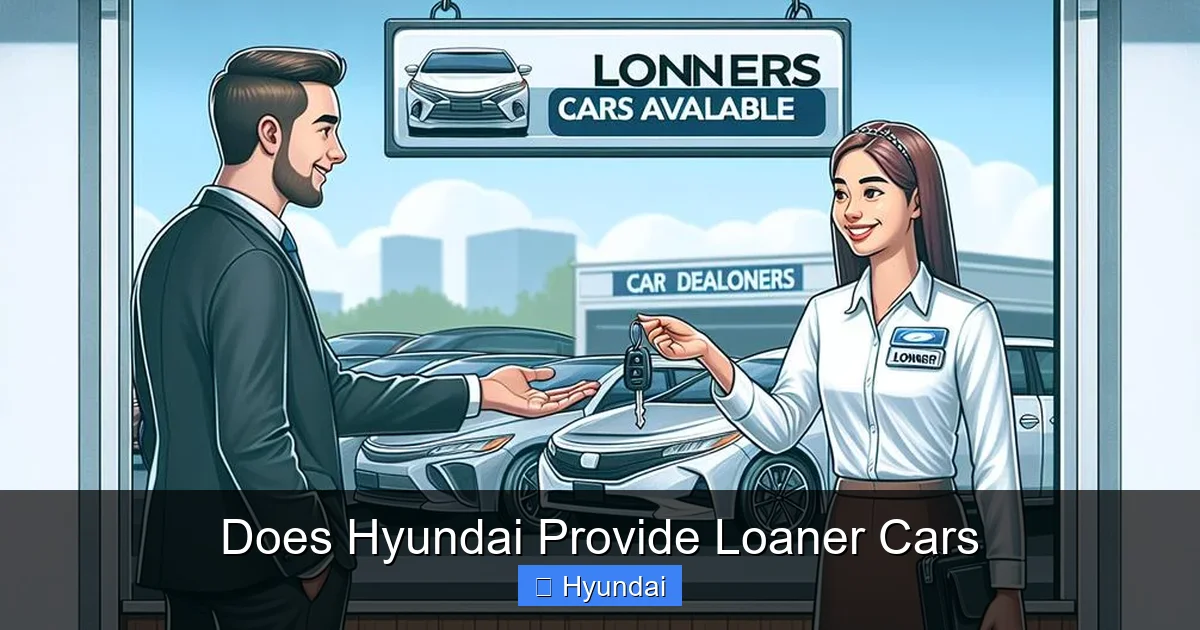
Eligibility is the core of the confusion. Here are the primary factors that determine whether a dealer will offer you a loaner.
Visual guide about Does Hyundai Provide Loaner Cars
Image source: hyundaimaintenance.com
Primary Factor: Warranty Coverage
This is the most common and consistent rule. Loaner cars are almost exclusively reserved for repairs that are covered under Hyundai’s manufacturer warranties. This includes:
- The 5-year/60,000-mile New Vehicle Limited Warranty (bumper-to-bumper).
- The 10-year/100,000-mile Powertrain Limited Warranty.
- Other specific warranties like the 5-year/60,000-mile corrosion warranty or federal emissions warranty.
If the repair is not covered by warranty—like routine maintenance (oil changes, tire rotations, brake pads due to wear), accidental damage, or customer-incurred issues—the dealer is under no obligation to provide a loaner. They may offer one as an extreme courtesy, but they are far more likely to say no or direct you to a rental car agency they partner with.
Secondary Factor: Dealer Participation and Fleet Size
A dealer in a large metropolitan area with 50 service bays and a dedicated service manager is much more likely to have a fleet of 10-15 loaner vehicles than a small, rural dealer with 5 bays. The dealer’s business model matters. Some dealers see loaners as a critical customer retention tool and invest heavily in the program. Others view it as an unnecessary cost and offer them only for the most complex, multi-day warranty jobs. This is why calling your specific dealer is non-negotiable.
Tertiary Factors: The Type of Repair and Your Relationship
Even within warranty repairs, the duration and complexity play a role. A 2-hour brake caliper replacement might not warrant a loaner, while a multi-day transmission repair almost certainly will. Additionally, if you are a repeat customer who has purchased multiple vehicles from that dealership, they may be more inclined to go the extra mile (literally) for you. Loyalty has its perks.
What About Maintenance and Non-Warranty Work?
This is where expectations must be managed. For standard maintenance or non-warranty repairs, you should not expect a free loaner. Your options are:
- Rental Car Reimbursement: Some extended warranties or certain factory warranties (rarely the standard one) include a daily rental allowance (e.g., $35/day). The dealer may facilitate this, or you pay upfront and seek reimbursement.
- Dealer-Shuttle Service: Many dealers offer a shuttle service to a local airport, hotel, or a central drop-off point within a certain radius. This is a common alternative to loaners for shorter services.
- Rideshare/Taxi: You may be offered a voucher for Uber/Lyft or a taxi for a short trip.
- Customer Lounge: A comfortable waiting area with Wi-Fi, coffee, and TVs is the standard fallback for waitable services.
Understanding these distinctions helps you ask the right questions. Instead of “Do you have loaners?” you can ask, “For this warranty-covered fuel pump replacement, which typically takes two business days, what is your standard loaner car procedure?”
What to Expect: The Realities and Limitations of Hyundai Loaners
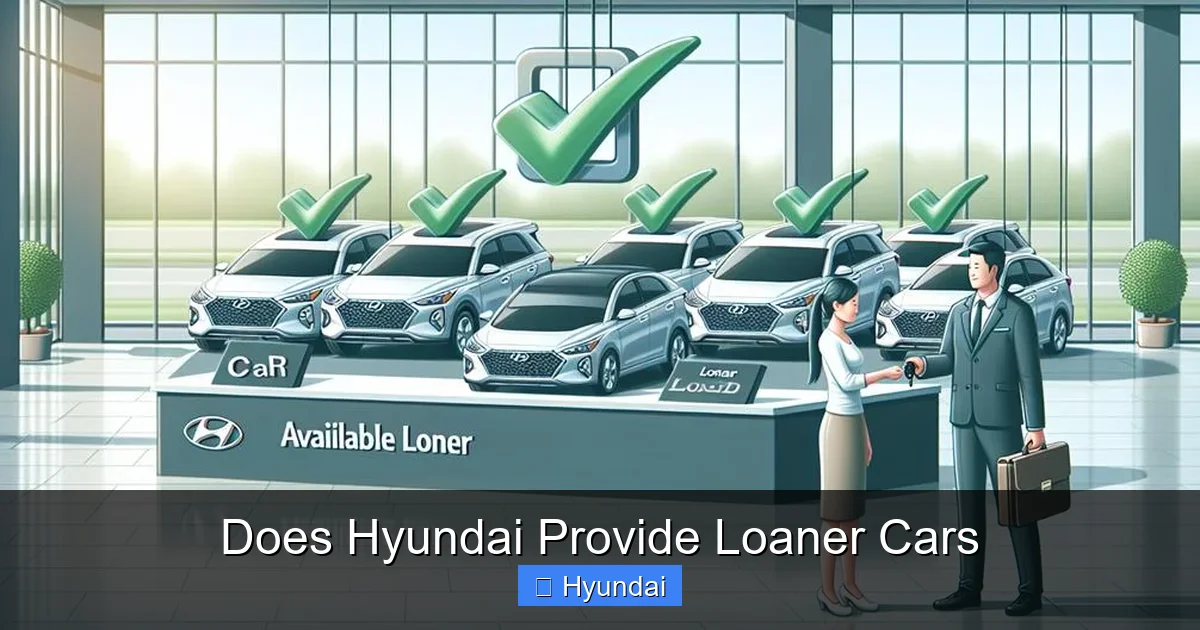
Even when you qualify and a loaner is available, there are practical limitations and realities you should prepare for.
Visual guide about Does Hyundai Provide Loaner Cars
Image source: hyundaimaintenance.com
It’s Not a Swap: You’re Getting a Different Car
Do not expect to get a loaner identical to your Hyundai Palisade if you drive a top-trim model. You will get a base-model vehicle, often the most affordable sedan or SUV in their current inventory. You lose your custom settings, your preferred seat position, your premium sound system, and your car’s familiarity. This is a temporary inconvenience, but it’s part of the deal. Check the loaner for basic functionality (lights, wipers, AC) before you drive off.
Availability is Fleeting
Dealers with small fleets can run out quickly, especially on Monday mornings when everyone is dropping off their car after the weekend. If you call on a Friday for a Monday appointment and the service advisor says, “We think we’ll have one,” that is not a reservation. You must get a firm “yes, we have a car reserved for you” before you commit to dropping your car off. If they say no, you can decide then and there if you want to proceed with the service or reschedule for a time when one might be available.
The Insurance Question is Critical
Your personal auto insurance policy is your primary coverage. The dealer’s insurance is secondary. You must verify with your insurance agent that your policy extends to a rented or loaner vehicle. Most standard policies do, but it’s not universal. If you have a very high deductible on your personal policy, you might consider purchasing the optional collision damage waiver (CDW) the dealer may offer for an extra daily fee. This transfers the risk of any damage to the loaner from you to the dealer’s insurance for that incident.
Cleanliness and Condition
Loaner cars are used by dozens of people. They are cleaned between users, but they are not detailed. Expect a basic vacuum and wipe-down. Check the interior for any damage or excessive mess before accepting the car and note it on the agreement.
Alternatives and Backup Plans: When a Loaner Isn’t an Option
What happens if the dealer says, “Sorry, no loaners available today,” or your repair isn’t warranty-related? You need a plan B. Here are your best alternatives.
Rental Car Reimbursement Through Warranty
First, ask the service advisor: “Is there a rental reimbursement allowance on this warranty repair?” Some Hyundai warranties, particularly for certain components or in specific situations (like a long-term defect that requires multiple visits), may include a per-diem rental allowance. If so, the dealer may have a partnership with a local Enterprise or Hertz and can arrange it, often billing the warranty directly. If not, you might pay and get reimbursed by Hyundai Customer Center later—but get this pre-approved in writing if possible.
Your Own Insurance or Credit Card Benefits
This is a huge, often-overlooked resource. Many personal auto insurance policies include rental car coverage as an optional add-on or as part of comprehensive coverage. Call your agent. Similarly, many premium credit cards (like Chase Sapphire Reserve, American Express Platinum) offer rental car coverage as a cardholder benefit. You would rent the car yourself, pay with that card, and the card’s insurance would be primary. This gives you complete control over the rental class and duration.
Third-Party Rental Companies and Dealer Partnerships
If you need to arrange your own rental, ask the dealer if they have a preferred vendor. They might have a discount code or a streamlined billing process. Otherwise, use apps like Kayak or Hertz directly. For multi-day repairs, weekly rental rates can sometimes be cheaper than daily rates.
The “No-Cost” Alternatives for Shorter Services
If your service is estimated at 2-4 hours, leverage the dealer’s shuttle service or ask for a rideshare voucher. Some forward-thinking dealers will offer a $20 Uber credit as a courtesy for a standard oil change if you don’t want to wait. It never hurts to ask politely, “Is there any possibility of a ride-share voucher for today since I have a meeting to get to?”
Consider a Mobile Service
For certain maintenance items like oil changes, tire rotations, or battery replacement, see if your dealer offers mobile service. A technician comes to your home or office, performs the work, and you never lose the use of your car. Hyundai’s “Hyundai Assurance” program in some markets includes mobile maintenance. This is the ultimate convenience, eliminating the loaner question entirely for eligible services.
How Hyundai Compares: What About Toyota, Kia, and Others?
Hyundai’s dealer-dependent model is actually quite common in the industry. Let’s see how it stacks up against direct competitors.
Hyundai vs. Kia
This is a fascinating comparison because Hyundai and Kia are sister companies with intertwined engineering but separate dealership networks. The situation is virtually identical. Kia also does not have a mandatory, corporate-wide loaner car program. Eligibility and availability are 100% at the discretion of the individual Kia dealer, with the same primary tie to warranty-covered repairs. You can expect a similar experience at a Kia dealership as at a Hyundai one. The key difference might be the size and model mix of the loaner fleets, which varies by individual dealer philosophy and location.
Hyundai vs. Toyota
Toyota is often held up as the gold standard for customer service and reliability. However, when it comes to loaner cars, the principle is the same. Toyota does not have a universal, guaranteed loaner program for all dealers. While many large, volume Toyota dealers boast extensive loaner fleets as a key selling point, smaller dealers may have more limited programs. The primary eligibility factor—warranty-covered repairs—is consistent. The experience can vary dramatically from one Toyota store to another, just as it does with Hyundai. You can read more about the specifics of Toyota’s loaner car policy to see the parallels.
The Luxury Brand Contrast: Genesis
It’s worth noting Hyundai’s luxury division, Genesis. Genesis, operating under a different dealer network (Genesis Studio or Genesis-certed Hyundai dealers), generally has a more robust and standardized courtesy vehicle program as part of its premium ownership experience. While still not an absolute guarantee, the expectation and investment in loaner vehicles are typically higher to match the brand’s luxury positioning. This highlights that the standard Hyundai program is positioned as a mainstream value brand offering.
The takeaway? Don’t assume any mainstream brand (Honda, Nissan, Ford, etc.) has a guaranteed, universal loaner program. The dealer-dependent model is the industry standard. Your research must always be localized to your specific dealership.
The Bottom Line: Your Action Plan for Securing a Hyundai Loaner
After all this, the path forward is simple but requires proactive effort. Here is your step-by-step action plan.
- Call Your Specific Dealer’s Service Department. Do not call the general sales number. Ask: “What is your policy on loaner vehicles for warranty-covered service? Do you have availability for [date] for a [your car model] service?” Get a firm commitment.
- When Scheduling, Re-Confirm. When you book the appointment, say, “We spoke about a loaner car. Can you please put a note on the work order to reserve one?”
- Arrive Prepared. Bring your driver’s license, vehicle registration, and proof of insurance. Have your insurance company’s phone number handy in case the dealer needs to verify coverage.
- Inspect and Document. Do a thorough walk-around of the loaner with the service staff. Note every existing flaw on the agreement and take timestamped photos/video on your phone.
- Know Your Alternatives. Before you even call, call your insurance agent to confirm your rental coverage. Check your credit card benefits. This knowledge gives you leverage and a backup plan.
- Understand the Warranty Context. If your repair is not warranty-related, immediately pivot to asking about shuttle service, rental reimbursement, or rideshare options. Managing your expectations is half the battle.
The Hyundai ownership experience is defined by value, long warranties, and increasingly sophisticated vehicles. The loaner car program, where it exists, is a valuable piece of that ownership puzzle. But it’s a piece you must actively assemble by communicating clearly with your dealer. By doing your homework, asking the right questions, and having a Plan B, you can navigate any service appointment with minimal stress and maximum convenience, loaner car or not.
Frequently Asked Questions
Does Hyundai always provide a loaner car for warranty repairs?
No, Hyundai does not always provide one. While many dealers offer loaners for warranty-covered repairs, it is not a guaranteed, corporate-mandated benefit. Availability depends entirely on the individual dealership’s policy and their current fleet of loaner vehicles. You must always call your specific dealer to confirm.
Do I have to pay for a Hyundai loaner car?
For warranty-covered repairs, the loaner car itself is typically provided free of charge as a courtesy. However, you are responsible for providing your own insurance, returning the car with a full tank of gas, and you may be liable for a deductible if the loaner is damaged. Some dealers may charge a small administrative fee or require a refundable fuel deposit.
Can I get a Hyundai loaner for routine maintenance like an oil change?
It is highly unlikely. Loaner cars are primarily reserved for warranty-covered repairs that take a significant amount of time (often multiple hours or days). For routine maintenance, dealers usually offer a comfortable waiting lounge, a shuttle service, or in some cases, a rideshare voucher. You should not expect a loaner for a standard service appointment.
What happens if my Hyundai dealer doesn’t have a loaner available?
If a loaner is unavailable, ask about a “rental reimbursement” if your warranty covers it. Your best alternatives are to use your own auto insurance or credit card rental benefits to rent a car from a third-party agency, or utilize the dealer’s shuttle service if applicable. Always have this backup plan ready before you drop off your vehicle.
What documentation do I need to get a Hyundai loaner car?
You will need a valid driver’s license, current vehicle registration for your own car, and proof of your personal auto insurance. The dealer will provide a loaner agreement form for you to sign, which outlines your responsibilities. Be prepared to leave a credit card imprint for potential fuel or damage charges, depending on the dealer’s policy.
Are electric or hybrid Hyundai models eligible for loaner cars?
Yes, if the repair is warranty-related and the dealer has loaner vehicles available. However, some dealers may have a limited selection of EV or hybrid loaners (like an Ioniq or Ioniq 5). You may be offered a conventional gasoline loaner instead. It’s another excellent question to ask when you call to schedule your appointment for your Ioniq or Sonata Hybrid.
