
What Gls Stands for on Hyundai Models

GLS on Hyundai stands for “Grand Luxury Sedan” or “Grade Level Sedan,” representing a mid-to-high trim with enhanced features. It’s available on models like Sonata, Elantra, and Tucson, offering a blend of comfort, tech, and value. Understanding GLS helps you select the best Hyundai for your lifestyle and budget.
Ever stared at a Hyundai badge and wondered what those letters mean? You’re not alone. Car trim levels can be a maze of acronyms and names, and “GLS” is one of the most common on Hyundai vehicles. Whether you’re shopping for a new car or just curious, understanding what GLS stands for can save you from confusion and help you make a smarter choice. In this guide, we’ll dive deep into the world of Hyundai GLS, decoding its meaning, exploring its history, and seeing how it stacks up against other trims. So, buckle up as we unravel the mystery behind those three little letters.
Hyundai uses GLS as a trim designation across many of its models, from compact sedans to family SUVs. But what does GLS actually mean? Is it just a random code, or does it signify something specific? And more importantly, why should you care? Well, if you’re in the market for a Hyundai, knowing what GLS includes can mean the difference between getting a car that meets your needs and overspending on features you don’t need. Let’s break it down in simple terms.
Key Takeaways
- GLS Meaning: GLS typically stands for “Grand Luxury Sedan” or “Grade Level Sedan,” but it’s Hyundai’s way of denoting a specific trim level with added features over base models.
- Trim Positioning: In Hyundai’s lineup, GLS is often a mid-level trim, sitting above SE and below Limited or Ultimate trims, providing a balance of affordability and amenities.
- Model Availability: GLS is offered on various Hyundai models, including sedans like Sonata and Elantra, and SUVs like Tucson and Santa Fe, though availability varies by year and market.
- Feature Set: GLS trims usually include upgrades like premium interior materials, advanced infotainment systems, and additional safety features compared to lower trims.
- Value Proposition: Choosing GLS can offer excellent value for money, as it includes many desirable features without the higher cost of top-tier trims.
- Research is Key: Always check the specific features for the model year you’re interested in, as trim levels and their contents can change over time.
📑 Table of Contents
What Does GLS Stand For? Decoding the Acronym
The Official Meaning
So, what does GLS stand for? Officially, Hyundai has stated that GLS stands for “Grand Luxury Sedan” or sometimes “Grade Level Sedan.” However, it’s important to note that these are backronyms—terms created after the fact to fit the letters. In reality, GLS is primarily a trim level code used by Hyundai to differentiate between various equipment packages. It doesn’t always directly correlate to “luxury” or “sedan,” especially since Hyundai applies the GLS badge to SUVs and crossovers as well. For example, you’ll find GLS on the Hyundai Tucson SUV, which isn’t a sedan. So, while the acronym hints at luxury, its practical meaning is more about a specific set of features and price point.
Common Misconceptions
Many people assume GLS means “Grand Luxury Sedan” and expect it to be the top-tier trim. But that’s not always true. In Hyundai’s hierarchy, GLS is often a mid-level trim. For instance, in the Hyundai Sonata, the trims might be SE, GLS, SEL, and Limited. Here, GLS is above SE but below SEL or Limited. This can vary by model and year. Another misconception is that GLS is only for sedans. As mentioned, it’s used on SUVs like the Tucson and Santa Fe. So, don’t let the “S” in GLS fool you—it’s a versatile trim designation across Hyundai’s lineup.
How Hyundai Uses GLS
Hyundai uses GLS as part of its trim nomenclature to create a clear, incremental structure. Typically, the base model is SE (Special Equipment), then GLS adds more features, followed by SEL (Special Edition Luxury) or similar, and then Limited or Ultimate as the top trim. This system helps buyers quickly understand where a model stands in terms of features and price. For example, a Hyundai Elantra GLS will have more amenities than an Elantra SE but fewer than an Elantra Limited. The exact features can vary, but GLS consistently represents a step up from the entry-level.
The Evolution of GLS in Hyundai’s Lineup
Historical Context
GLS has been part of Hyundai’s trim strategy for decades. It emerged in the 1990s as Hyundai aimed to improve its brand image and offer more sophisticated vehicles. Early on, GLS was often associated with luxury features in models like the Sonata and XG300. As Hyundai expanded its lineup, GLS was applied to various models to denote a higher trim level. Over time, as Hyundai introduced more trims like SEL and Limited, the positioning of GLS shifted, but it remained a key mid-tier option.
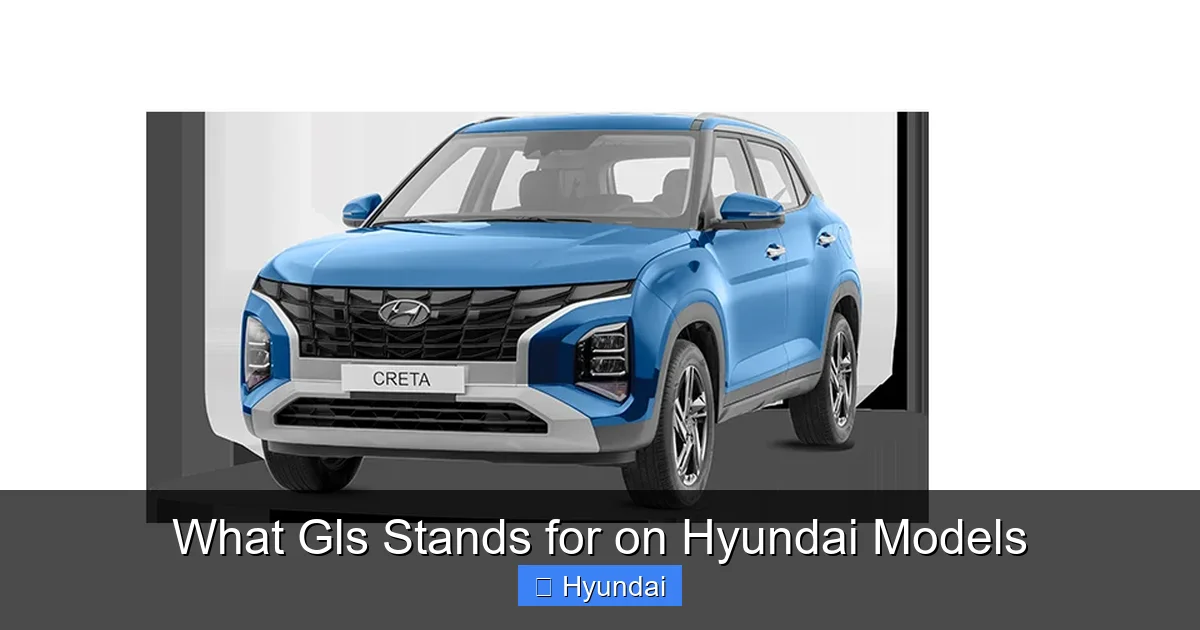
Visual guide about What Gls Stands for on Hyundai Models
Image source: hyundai.com.mx
Changes Over the Years
The meaning and features of GLS have evolved. In older models, GLS might have included leather seats and a sunroof as standout features. Today, with advancing technology, GLS trims often come with standard touchscreens, advanced safety suites, and premium audio. For instance, a 2020 Hyundai Sonata GLS has Apple CarPlay, Android Auto, and Hyundai SmartSense safety features, whereas a 2010 Sonata GLS might have had fewer tech goodies. This evolution reflects industry trends and consumer expectations, making GLS a more tech-forward choice over time.
GLS in Different Markets
Interestingly, GLS isn’t used uniformly globally. In some markets, Hyundai might use different trim names like “Classic” or “Comfort.” But in North America and many other regions, GLS is a staple. This can affect used car listings and imports, so if you’re buying a Hyundai from another country, check the local trim designations. For most buyers in the US, GLS is a familiar and consistent term, simplifying the shopping process.
GLS vs. Other Hyundai Trims (SE, SEL, Limited, etc.)
Trim Level Hierarchy
To understand GLS, you need to see it in context. Here’s a typical hierarchy for a Hyundai sedan like the Sonata or Elantra:
- SE: Base model, essential features, lowest price.
- GLS: Mid-level, adds comfort and convenience features.
- SEL: Often above GLS, with more premium upgrades.
- Limited/Ultimate: Top trim, with all available features.
But this isn’t set in stone. In some models, like the Tucson SUV, the trims might be SE, SEL, GLS, and Limited. In these cases, GLS might be between SEL and Limited. Always check the specific model year’s brochure to avoid confusion.
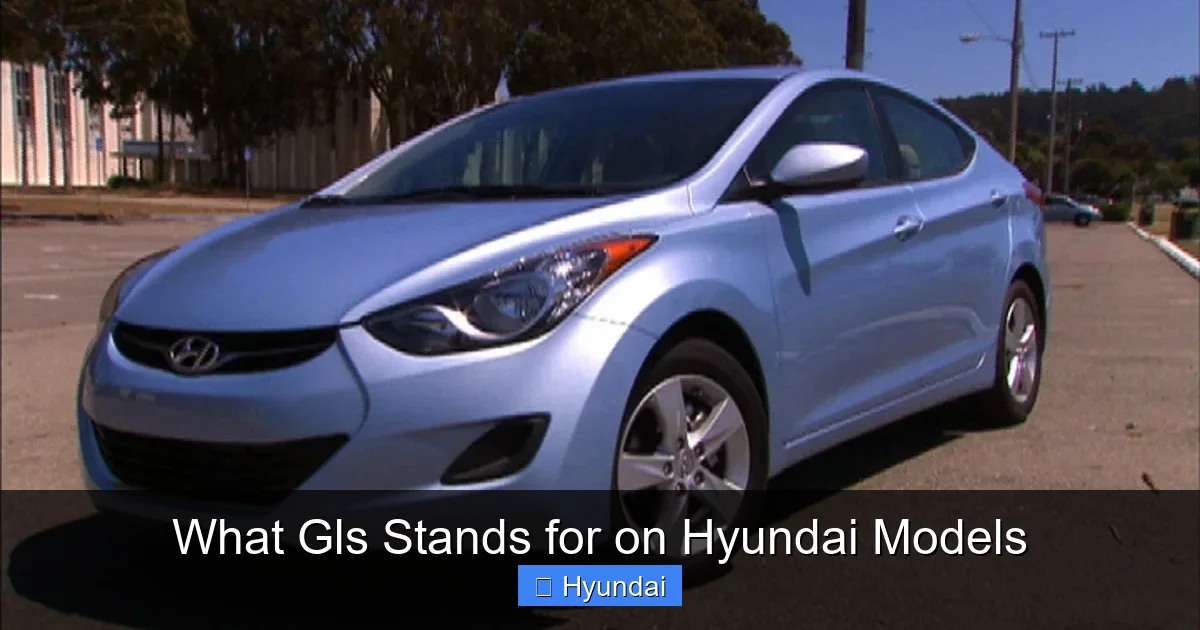
Visual guide about What Gls Stands for on Hyundai Models
Image source: thecarhow.com
Feature Comparisons
Let’s compare features. For a 2023 Hyundai Elantra:
- SE: Cloth seats, 8-inch touchscreen, basic safety like Forward Collision-Avoidance Assist.
- GLS: Upgraded cloth or optional leather, 10.25-inch touchscreen, wireless charging, and additional safety features like Blind-Spot View Monitor.
- SEL: Similar to GLS but with Bose premium audio and sometimes a panoramic sunroof.
- Limited: Leather seats, heated and ventilated front seats, and advanced driver aids like Highway Driving Assist.
So, GLS offers a sweet spot with many features without the highest cost. It’s ideal for those who want more than basics but don’t need every luxury.
Price Points and Value
Typically, GLS trims are priced 10-20% above the SE model and 10-15% below the SEL or Limited. This makes GLS an attractive value proposition. You get significant upgrades for a moderate price increase. For budget-conscious buyers who want more than basics, GLS is often the recommended choice. However, always calculate the cost per feature to ensure it aligns with your priorities. Sometimes, a lower trim with added packages might be cheaper, but GLS bundles features conveniently.
Key Features and Amenities in GLS Models
Exterior and Interior Upgrades
GLS trims usually include exterior enhancements like larger wheels (e.g., 17-inch vs. 16-inch on SE), chrome accents, and sometimes LED headlights. Inside, you’ll find higher-quality materials, such as soft-touch surfaces, upgraded cloth seats, and sometimes ambient lighting. For example, a Hyundai Tucson GLS has a power-adjustable driver’s seat and dual-zone automatic climate control, which are not always standard on SE. These upgrades enhance daily comfort and give the cabin a more upscale feel without the full luxury price tag.
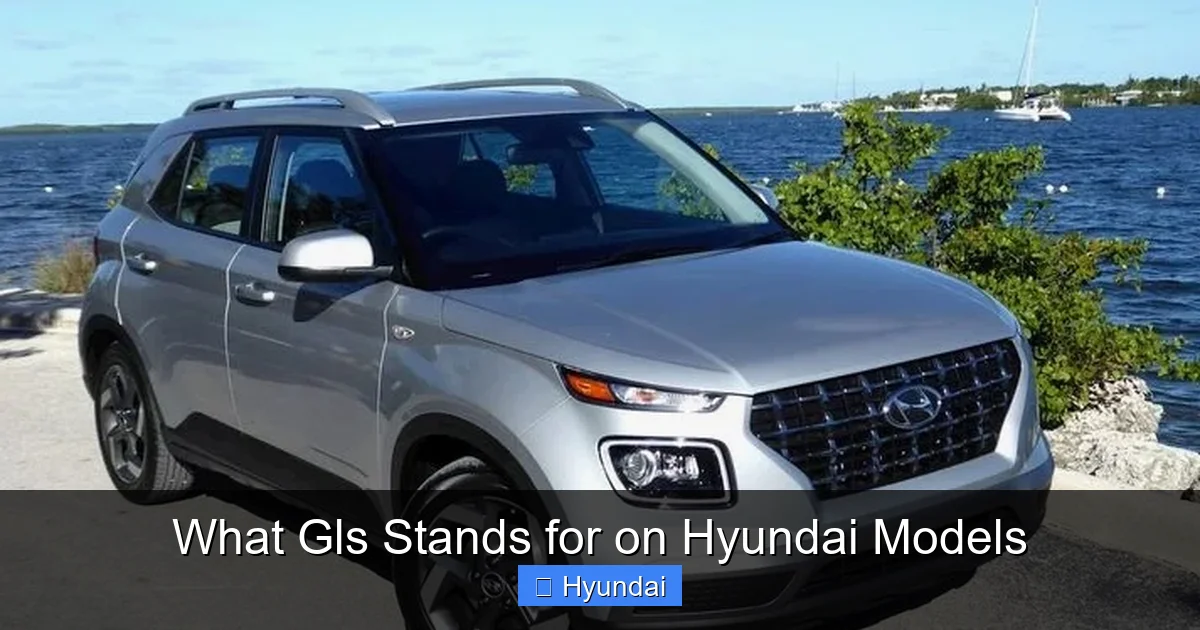
Visual guide about What Gls Stands for on Hyundai Models
Image source: newhyundaimodels.com
Technology and Safety
Tech is a big part of GLS. Expect a larger infotainment screen with navigation, more USB ports, and connectivity options like Bluetooth and wireless Apple CarPlay/Android Auto. Safety-wise, GLS often includes Hyundai SmartSense with features like Forward Collision-Avoidance Assist, Lane Keeping Assist, and Driver Attention Warning. Some GLS models may also have features like Auto Hold, which keeps the brakes applied when stopped, reducing driver fatigue in traffic. To understand how Auto Hold works and its benefits, you can read our in-depth explanation on What Does Auto Hold Mean On A Hyundai. This feature is common in GLS trims and adds convenience for city driving.
Performance and Efficiency
Performance in GLS trims is usually similar to lower trims, as engine options are often shared. However, GLS might offer available all-wheel drive on SUVs or more powerful engine options in some models. Fuel efficiency is typically comparable across trims since weight differences are minimal from added features. But, with extra amenities, GLS might have a slight impact on efficiency due to additional weight from things like larger wheels or tech components. Always check EPA ratings for the specific trim.
Which Hyundai Models Offer GLS? (Examples across years)
Sedans: Sonata and Elantra
The Hyundai Sonata has long offered GLS. For instance, the 2022 Sonata GLS includes a 12.3-inch digital cluster, wireless charging, and Hyundai Digital Key—features that elevate the driving experience. The Elantra GLS is popular too, with features like a 10.25-inch touchscreen, heated front seats, and a hands-free trunk. If you own an Elantra GLS, maintaining it properly is key for longevity. For battery needs, we suggest checking out our guide on the Best Battery For Hyundai Elantra to ensure reliable performance, especially in extreme weather conditions.
SUVs: Tucson and Santa Fe
The Hyundai Tucson GLS is a favorite in the compact SUV segment. It adds features like a power liftgate, blind-spot monitoring, and rear cross-traffic alert to the SE’s offerings. The Santa Fe GLS, in larger SUVs, includes third-row seating in some years and premium audio systems. For Tucson GLS owners, tire choice affects handling, comfort, and fuel efficiency. Explore the Best Tires For Hyundai Tucson to find the perfect match for your driving conditions, whether it’s all-season, winter, or performance tires.
Other Models: Kona, Venue, etc.
Smaller models like the Hyundai Kona and Venue also have GLS trims in some markets. These offer the GLS badge on subcompact SUVs, providing a higher trim option with added tech like a touchscreen and safety features. Availability can vary by year and region, so always verify when shopping used or new. For example, the 2023 Kona GLS might include a sunroof and heated seats, making it a compact yet feature-rich choice.
Buying Tips: Is GLS the Right Trim for You?
Assessing Your Needs
Think about what you need. Do you want basic transportation or added comfort? GLS is ideal if you desire features like a better sound system, advanced safety, and interior upgrades without paying for the top trim. Consider your daily driving: if you spend lots of time in your car, the GLS amenities can enhance comfort with things like dual-zone climate control and power seats. List your must-haves and see if GLS covers them.
Budget Considerations
Set a budget and compare trims side-by-side. Calculate the cost difference between SE and GLS. Often, the added features in GLS justify the price hike if you value those extras. But if you’re strictly budget-focused, SE might suffice. Also, consider long-term costs: GLS might have higher insurance or repair costs due to more complex features like advanced infotainment or safety systems. Factor in potential maintenance for tech components.
Resale Value and Long-Term Ownership
Trims with more features often hold resale value better. GLS, being popular, can have good resale because it appeals to a broad range of buyers. However, top trims like Limited might depreciate faster due to higher initial cost. For long-term ownership, ensure that GLS features are ones you’ll use regularly; otherwise, you’re paying for unused amenities. Test drive different trims to feel the differences in comfort and usability.
In conclusion, GLS on Hyundai models is a trim designation that signifies a step up from base models with added luxury, tech, and safety features. It’s a versatile badge found on sedans and SUVs, offering strong value for buyers who want more without the premium price of top trims. By understanding what GLS includes and how it compares to other trims, you can make an informed decision that fits your needs and budget. Always research specific model years and take test drives to experience the features firsthand. Happy car shopping!
Frequently Asked Questions
What does GLS stand for on Hyundai?
GLS on Hyundai typically stands for “Grand Luxury Sedan” or “Grade Level Sedan,” but it’s primarily a trim level code indicating a mid-to-high feature set. It’s used across various Hyundai models, not just sedans, to denote enhanced amenities over base trims.
Is GLS the best trim on Hyundai?
No, GLS is usually a mid-level trim. Top trims like Limited or Ultimate offer more premium features. GLS provides excellent value with many upgrades, but it’s not the highest designation in most Hyundai lineups.
Which Hyundai models have GLS?
GLS is available on many Hyundai models, including the Sonata, Elantra, Tucson, Santa Fe, and Kona. Availability varies by model year and market, so check specific listings for the year you’re interested in.
What features are standard on GLS?
Standard GLS features often include upgraded interior materials, larger touchscreens, advanced safety like Hyundai SmartSense, and comfort additions such as dual-zone climate control. Exact features depend on the model and year.
How does GLS compare to SEL?
GLS and SEL positions vary by model. In some, GLS is below SEL with fewer premium features; in others, GLS might be between SEL and Limited. Always compare specific trims side-by-side to see feature differences.
Should I buy a GLS or SE?
Choose GLS if you want added comfort, tech, and safety without the cost of higher trims. Opt for SE if you prioritize budget and only need basic features. Test drive both to decide which trim suits your lifestyle best.
