
Ac Compressor for a 2011 Hyundai Sonata

Is your 2011 Hyundai Sonata’s air conditioner blowing hot air? The culprit is often the AC compressor. This vital pump pressurizes refrigerant, and when it fails, cooling stops. Replacement costs typically range from $500 to $1,200+, with parts making up most of the expense. While a professional job is recommended due to system complexity, understanding the signs, options, and involved steps empowers you as a car owner. Regular system maintenance can extend its life and prevent costly breakdowns.
Summer in a car with a dead air conditioner is no joke. The soothing hum of cool air becomes a memory, replaced by the stifling heat of a mobile greenhouse. For owners of the reliable and popular 2011 Hyundai Sonata, this problem often traces back to one critical component: the AC compressor. This isn’t just a minor inconvenience; it’s a complex repair that can put a dent in your wallet. But knowledge is power. Understanding exactly what your Sonata’s AC compressor does, how it fails, what your replacement options are, and what the process entails can turn a daunting mystery into a manageable project. This guide will walk you through every detail, from symptom spotting to cost breakdowns, helping you make informed decisions and keep your midsize sedan comfortable year-round.
Key Takeaways
- The AC compressor is the heart of your Sonata’s cooling system: It pressurizes and circulates refrigerant. Without it, the A/C cannot produce cold air.
- Common failure signs include loud noises, hot air, and clutch issues: Listen for squealing or grinding, and check if the clutch doesn’t engage. Refrigerant leaks are also a primary cause.
- Replacement is labor-intensive and requires special tools: It involves recovering refrigerant, removing the old compressor, and precisely recharging the system. Professional installation is strongly advised.
- Costs vary widely based on part choice and labor rates: Expect $500-$1,200+ total. OEM parts are more expensive but often more reliable; quality aftermarket can be a cost-effective alternative.
- Preventive maintenance is key: Running the A/C weekly, ensuring the condenser is clean, and addressing engine cooling issues (like a failing thermostat) can prolong compressor life.
- Related systems affect compressor health: A weak battery or cooling system problem can increase strain on the A/C system.
📑 Table of Contents
- Understanding the Heart of Your Sonata’s A/C System
- Recognizing the Warning Signs of a Failing Compressor
- Your Replacement Options: OEM vs. Aftermarket
- The Replacement Process: Why You Need a Professional
- Breaking Down the Costs: Parts and Labor
- Extending the Life of Your New Compressor: Maintenance Tips
- Conclusion: Making an Informed Decision
Understanding the Heart of Your Sonata’s A/C System
Before we dive into failure and fixes, let’s understand the star of the show. The AC compressor in your 2011 Hyundai Sonata is essentially a powerful pump. Its sole job is to take low-pressure refrigerant gas (typically R-134a in this model year) and compress it into a high-pressure, high-temperature gas. This pressurized gas then travels to the condenser (in front of your radiator) where it cools and condenses into a liquid. From there, it moves to the evaporator inside your cabin, where it absorbs heat and blows cold air. The compressor is driven by your engine’s serpentine belt via a clutch, allowing it to engage and disengage as needed.
The 2011 Sonata’s Specific Compressor
Your 2011 Sonata likely came with either a 2.4L 4-cylinder or a 3.3L V6 engine. The AC compressor used is specific to the engine type and the vehicle’s HVAC system design. For these models, common OEM (Original Equipment Manufacturer) suppliers include companies like Denso, Sanden, or Valeo. These units are engineered to meet Hyundai’s exact specifications for durability, efficiency, and fitment. When seeking a replacement, ensuring compatibility with your specific engine (2.4L vs. 3.3L) and VIN is non-negotiable for a proper fit and function.
Recognizing the Warning Signs of a Failing Compressor
A failing AC compressor rarely gives a gentle warning. It usually announces its demise with several unmistakable symptoms. Catching these early can sometimes save you from a complete system failure and the contamination that often comes with it.
Visual guide about Ac Compressor for a 2011 Hyundai Sonata
Image source: sgwangacc.com.my
The Classic Symptoms
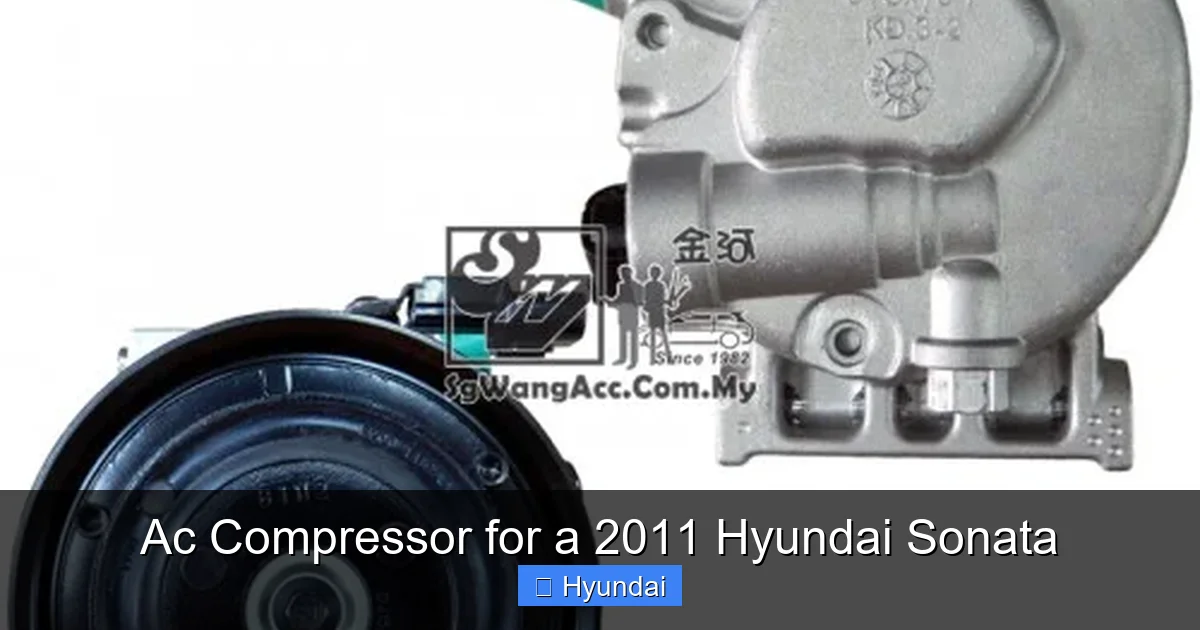
The most obvious sign is hot air blowing from your vents when the A/C is on max. But there are other clues. Listen carefully: do you hear a loud squealing, grinding, or rattling noise from the engine bay, especially when you turn the A/C on? This often indicates internal mechanical failure—worn bearings, broken valves, or seized components. Another telltale sign is a compressor clutch that doesn’t engage. You can often see the clutch plate on the front of the compressor. With the engine running and A/C on, it should be spinning with the belt. If it’s stationary, the clutch may have failed, or the system may have low/no refrigerant pressure, which disengages the clutch as a safety measure. Finally, visible refrigerant leaks around the compressor shaft or body are a direct path to failure. Refrigerant is the lifeblood of the system; without it, the compressor runs dry and destroys itself.
Your Replacement Options: OEM vs. Aftermarket
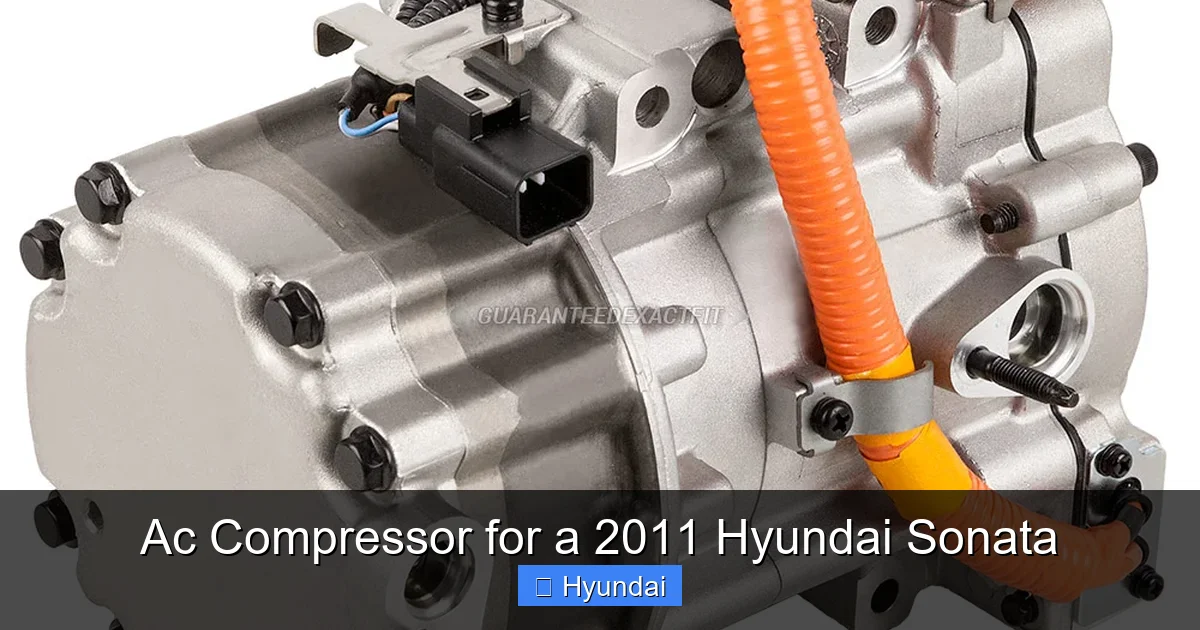
Once you’ve confirmed the compressor is the problem, you face a critical choice: Original Equipment Manufacturer (OEM) or aftermarket. This decision impacts cost, warranty, and longevity.
Visual guide about Ac Compressor for a 2011 Hyundai Sonata
Image source: carsteering.com
OEM (Dealer) Parts
An OEM part is identical or virtually identical to what was installed on your Sonata at the Hyundai factory. You purchase it through a Hyundai dealership or an authorized distributor. The pros are undeniable: guaranteed perfect fitment, consistent quality, and typically a solid warranty (often 12 months/unlimited miles). This is the “no-surprises” path. The major con is cost. OEM compressors for a 2011 Sonata can range from $700 to $1,200+ for the part alone, depending on the supplier and your engine type.
Aftermarket (New & Remanufactured)
The aftermarket offers a spectrum of choices. New aftermarket compressors are built by companies like Four Seasons, UAC, or GPD to meet or exceed OEM specifications. They are often 30-50% cheaper than OEM and come with good warranties (usually 1-3 years/limited miles). Remanufactured compressors are used units that have been completely disassembled, cleaned, inspected, and rebuilt with new components (bearings, seals, clutch, etc.). They are the most budget-friendly option, often costing half or less of a new OEM unit. However, quality varies wildly by rebuilder. Stick to reputable brands with strong warranties. For a 2011 Sonata, a high-quality new aftermarket or a certified remanufactured unit from a trusted brand is an excellent value proposition for many owners.
The Replacement Process: Why You Need a Professional
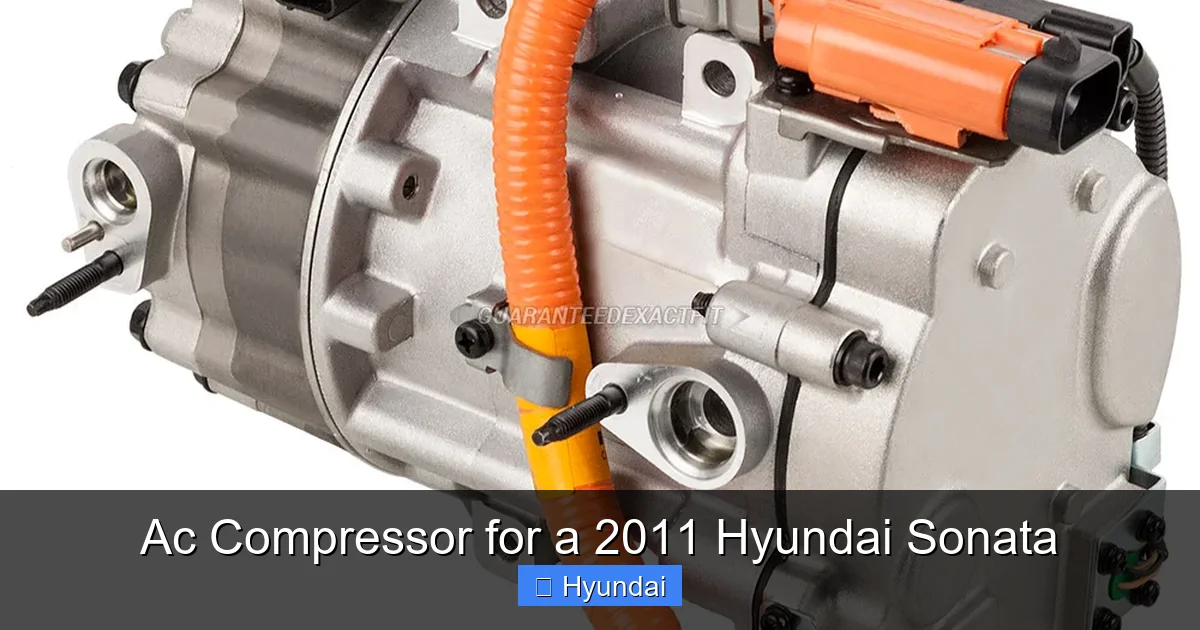
This is the most crucial section. Replacing an AC compressor is NOT a typical DIY weekend project for the average car enthusiast. It’s a professional-grade job for several non-negotiable reasons.
Visual guide about Ac Compressor for a 2011 Hyundai Sonata
Image source: carsteering.com
The Refrigerant Hazard
First and foremost is the refrigerant. Since 1994, all automotive A/C systems use HFC refrigerants (like R-134a). These are greenhouse gases. In the U.S., it is illegal to intentionally vent refrigerant into the atmosphere under EPA regulations. The system must be properly “recovered” using a special machine that captures, cleans, and stores the refrigerant for reuse or safe disposal. This machine costs thousands of dollars. Furthermore, refrigerant can cause severe frostbite on contact with skin. Professionals have the tools, training, and certifications (like EPA 608) to handle this safely and legally.
System Contamination and Flushing
When a compressor fails, it often sheds metal shavings and debris into the refrigerant oil, which circulates throughout the entire A/C system. This contamination is like sand in your engine’s oil—it will destroy the new compressor if not removed. The standard procedure is to flush the condenser, evaporator, and all hoses with a specialized solvent to remove every trace of debris. Some shops recommend replacing the condenser and receiver/drier (or accumulator) outright, as these are the most common places for debris to lodge. This adds to the cost but protects your expensive new part. A DIYer almost never has the proper flushing equipment or knowledge to do this adequately.
The Precision of Evacuation and Recharge
After installation, the system must be placed in a deep vacuum for a prolonged period (often 30-60 minutes) to boil off any remaining moisture and air. Moisture in the system combines with refrigerant to form corrosive hydrochloric acid. The system is then charged with the exact amount of refrigerant and the correct type of PAG (Polyalkylene Glycol) oil specified for your Sonata’s compressor. Overcharging or undercharging by even a few ounces will kill efficiency and can damage the compressor. Professionals use electronic charging machines that are vastly more accurate than cans from an auto parts store.
Breaking Down the Costs: Parts and Labor
So, what will this repair set you back? The cost for a 2011 Hyundai Sonata AC compressor replacement is a range, not a fixed number, influenced by part choice, your geographic location, and the shop’s labor rate.
Parts Cost Breakdown
- OEM Compressor: $700 – $1,300+
- New Aftermarket Compressor: $400 – $800
- Remanufactured Compressor: $250 – $600
Critical Associated Parts: Most reputable shops will strongly recommend or require replacing the receiver/drier (or accumulator, ~$50-$120) and the expansion valve or orifice tube (~$30-$80) because they contain desiccant that absorbs moisture and can trap debris. The serpentine belt may also be replaced during the job (~$30-$70). Condenser flushing or replacement can add $100-$400. It’s common for the total parts bill, with these essentials, to be 1.5x to 2x the cost of the compressor itself.
Labor Cost and Time
Labor is where the real cost accumulates. Replacing the compressor on a 2011 Sonata is a significant undertaking. It involves removing the serpentine belt, possibly the front wheel and splash shield for access, disconnecting electrical and refrigerant lines, unbolting the old compressor, and then reversing the process. The required system recovery, flush, evacuation, and recharge adds considerable time. Total labor time is typically 4.0 to 6.5 hours. With national average labor rates ranging from $85 to $150 per hour, you can expect a labor bill of $340 to $975.
Total Estimated Cost
Putting it all together (using a mid-range new aftermarket compressor and including all recommended associated parts):
- Parts (Compressor + Receiver/Drier + Exp. Valve + Belt): ~$600 – $1,000
- Labor (5.5 hrs @ $110/hr): ~$605
- Grand Total: ~$1,200 – $1,600
An OEM-only job with condenser replacement could easily exceed $2,000. A budget remanufactured compressor job with minimal associated parts might be found for $800-$1,000, but carries higher long-term risk if the system isn’t perfectly cleaned.
Extending the Life of Your New Compressor: Maintenance Tips
You’ve just invested in a new heart for your Sonata’s A/C. Let’s keep it beating for years to come. The best maintenance is simple system use and vigilance.
Use It Regularly, Even in Winter
This is the #1 tip. Run your A/C on the fresh air setting (not recirc) at least once a week during colder months, for about 5-10 minutes. This circulates refrigerant and lubricant through the compressor, keeping its seals moist and preventing them from drying out and leaking. It also helps dehumidify the cabin and defog windows faster.
Keep the Condenser Clean
The condenser sits in front of your radiator and looks like a smaller radiator. Its job is to dissipate heat. If it’s caked with bugs, leaves, and road debris, it can’t cool the refrigerant efficiently. This forces the compressor to work harder and run hotter, accelerating wear. Periodically (especially in spring/fall) gently spray it with a garden hose from the inside out to clear debris. Ensure your tire and wheel well areas are also clean to prevent debris from clogging it.
Address Engine Cooling Issues Immediately
Your A/C condenser shares airflow with the engine radiator. If your engine is running hot due to a failing thermostat, low coolant, or a clogged radiator, the condenser’s efficiency plummets. The A/C system has to fight against excessive under-hood heat. An overheating engine is a red flag that will soon compromise your A/C performance and compressor health. A healthy cooling system is a prerequisite for a healthy A/C system.
Conclusion: Making an Informed Decision
An AC compressor failure in your 2011 Hyundai Sonata is a significant repair, but it’s a known, solvable problem. The key takeaway is that this is a job for a qualified technician due to the environmental regulations, specialized tools, and system-cleansing procedures required. Your primary role is to be an informed customer. Get multiple quotes, ask pointed questions about what’s included (compressor brand, associated parts, flush procedure, refrigerant type, and warranty), and understand the breakdown. Investing in a quality new or remanufactured compressor from a reputable brand, coupled with the essential supporting parts and a proper system flush, is the smart long-term play. It restores your Sonata’s comfort and prevents a repeat failure. By following the simple maintenance tips outlined—regular use and condenser cleanliness—you can enjoy many more seasons of cool, comfortable driving in your Hyundai.
Frequently Asked Questions
Can I just replace the AC compressor clutch on my 2011 Sonata?
Sometimes, but it’s not always the fix. The clutch can fail independently, but if the compressor’s internal components are worn or seized, a new clutch will be destroyed quickly. A proper diagnosis is needed. Often, replacing the entire compressor is more cost-effective and reliable than just the clutch, given the labor overlap.
How long should a factory AC compressor last in a 2011 Hyundai Sonata?
There’s no set mileage, but with proper maintenance (regular use, clean condenser, healthy engine cooling), many compressors last 8-12 years or 100,000+ miles. Failures are often due to seal leaks, lack of use, or contamination from another failed component like the receiver/drier.
Will a remanufactured AC compressor for my Sonata be reliable?
It can be, if you buy from a top-tier rebuilder with a strong warranty (e.g., 3-year/36,000-mile). These companies completely rebuild units to high standards. Avoid the cheapest, no-name remans. For a balance of cost and peace of mind, a high-quality new aftermarket compressor is often the best choice.
My A/C was blowing cold, then got warm, and now it’s cold again. What gives?
This intermittent behavior is a classic sign of a failing compressor clutch or a severely low refrigerant charge due to a small, slow leak. The clutch may intermittently engage/disengage. It needs immediate diagnosis, as running the compressor without sufficient refrigerant will cause it to fail catastrophically and contaminate the entire system with metal debris.
Do I need to replace the condenser and receiver/drier with the compressor?
Most professional shops will strongly recommend it, and many warranties require it. A failed compressor spreads metal shavings throughout the system, and the receiver/drier’s desiccant is saturated with moisture once the system is opened. Replacing these parts protects your new compressor investment and is considered standard best practice.
Can I add refrigerant myself to fix the problem?
No. If your system is low on refrigerant, there is a leak that must be found and repaired. Simply adding refrigerant is a temporary fix that is illegal to vent and will not solve the problem. Moreover, if the compressor has failed internally, adding refrigerant will not restore cooling and will just circulate contaminants. A professional diagnosis is essential.
