
What’s It Like to Drive a Ford F-150?

Driving a Ford F-150 is a study in confident capability wrapped in a surprisingly refined package. It offers immense power and towing prowess, a smooth and controlled ride for its size, and a versatile interior that works as hard as you do. While its sheer scale takes some getting used to in tight spaces, the blend of brute strength and modern comfort makes it a benchmark for full-size trucks.
Key Takeaways
- Power & Towing: The F-150’s range of turbocharged engines provides massive, responsive torque for effortless towing and hauling, making heavy-duty work feel simple.
- Refined Ride: Despite its truck roots, the independent rear suspension (on most models) and well-tuned chassis deliver a smooth, composed ride that rivals many SUVs.
- Commanding Presence: The high seating position and excellent outward visibility give you a commanding view of the road, though the vehicle’s length requires attention in parking lots.
- Versatile Interior: The cabin is spacious, intelligently designed with abundant storage, and available with premium materials that elevate daily driving.
- Capable & Confident: With advanced 4×4 systems and a high-strength frame, it inspires confidence whether on the highway, a muddy job site, or a winding mountain road.
- Tech-Forward: The SYNC 4 infotainment system is intuitive and packed with useful features, including excellent available navigation and trailer guidance tools.
- Real-World Costs: Expect competitive fuel economy for its class and a reputation for reliability, but factor in the higher costs associated with a full-size truck, from tires to brakes.
📑 Table of Contents
- First Impressions: Size, Presence, and That First Drive
- Powertrain and Performance: The Heart of the Beast
- On-Road Behavior: A Surprising Road Companion
- Off-Road Capability: Serious Business When You Need It
- Interior Comfort, Technology, and Daily Usability
- The Ownership Reality: Costs, Maintenance, and Long-Term Value
- Conclusion: Who Is the F-150 For?
First Impressions: Size, Presence, and That First Drive
Sliding behind the wheel of a Ford F-150 for the first time is an experience. It’s not just getting into a truck; it’s like climbing into a command center. The sheer size is immediately apparent. You sit high, looking out over a long hood and a wide expanse of sheet metal. This isn’t a vehicle that hides; it announces its presence. The first drive, however, often defies initial expectations. You brace for a stiff, truck-like bounce, but instead, you’re met with a surprising degree of smoothness. The steering, while light and easy at low speeds, has a solid, connected feel. It’s clearly a heavy vehicle, but it doesn’t feel clumsy or ponderous from the outset. It feels… planted. This initial sensation sets the stage for the entire driving experience: a powerful, capable machine that has been thoroughly modernized for comfort and control.
A Cabin That Feels Both Spacious and Purpose-Built
Step inside, and the story continues. Depending on the trim, the interior can be pure workhorse or exceptionally luxurious. The base XL and XLT trims are functional and durable, with hard-wearing plastics and straightforward controls. Move up to the Lariat, Platinum, or King Ranch, and the transformation is dramatic. You’re greeted by soft-touch materials, genuine leather, real wood or metal accents, and a quiet cabin that isolates you from the outside world remarkably well. The ergonomics are excellent; every switch and button is within easy reach. The storage is genius— there’s a massive center console that can swallow a laptop, deep door pockets, and clever hideaway spots in the rear seats (in SuperCrew models) that are perfect for tools or gear you want out of sight. The best seat covers for Ford F-150 can further personalize this space, but the factory designs are already well-thought-out for both work and family life.
Powertrain and Performance: The Heart of the Beast
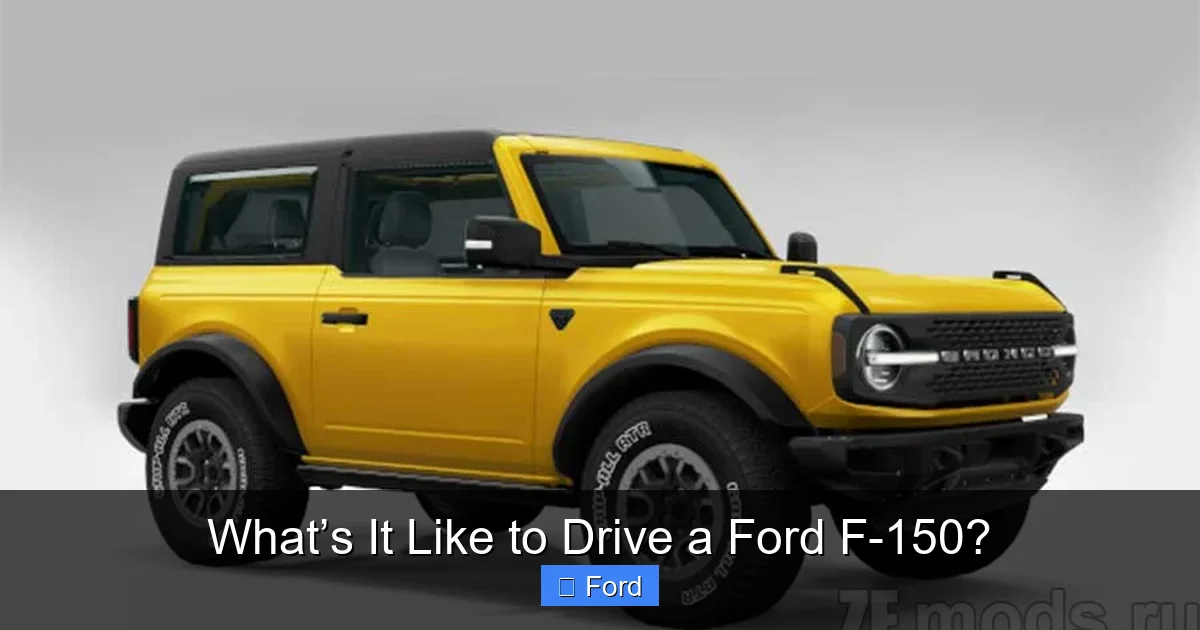
The F-150’s driving character is defined by its powertrain. Gone are the days of a single, burly V8 as the only option. Ford’s EcoBoost turbocharged engine strategy has paid off, offering a family of engines that blend power with surprising efficiency. The standard 3.3L V6 is adequate, but the sweet spot for most buyers lies with the 2.7L or 3.5L EcoBoost V6s. These engines deliver torque—the stuff that moves weight—low and hard. The 3.5L, in particular, is a rocket, with 400+ lb-ft of torque available at low RPMs. This means when you press the throttle, the truck downshifts and surges forward with real authority, whether you’re merging onto a highway with a trailer or just passing a slow-moving vehicle. The 10-speed automatic transmission is a key partner. It’s quick to shift and smart about keeping the engine in its power band, though it can be hesitant to downshift when you ask for a sudden burst of power. For the ultimate in smooth, silent, and powerful towing, the hybrid PowerBoost system is a masterpiece, adding electric torque to the 3.5L V6 for incredible response and best-in-class fuel economy when towing.
Visual guide about What’s It Like to Drive a Ford F-150?
Image source: zemods.ru
Towing and Hauling: More Than Just a Number
Driving a fully loaded F-150 with a trailer is where its engineering truly shines. The integrated trailer brake controller, trailer guidance cameras, and available smart trailer tech make the process less intimidating. The truck feels stable and composed. The weight of the trailer is managed well, with minimal sway thanks to the standard trailer sway control. You feel the extra mass in the braking and acceleration, but the powertrain’s abundant torque means you rarely feel strained. It’s a confidence booster. For those who use their truck for serious work, the available payload and towing capacities are staggering, but the daily driving experience remains largely unfazed by the potential. It’s built for the job, not to feel like a job every time you drive it.
On-Road Behavior: A Surprising Road Companion
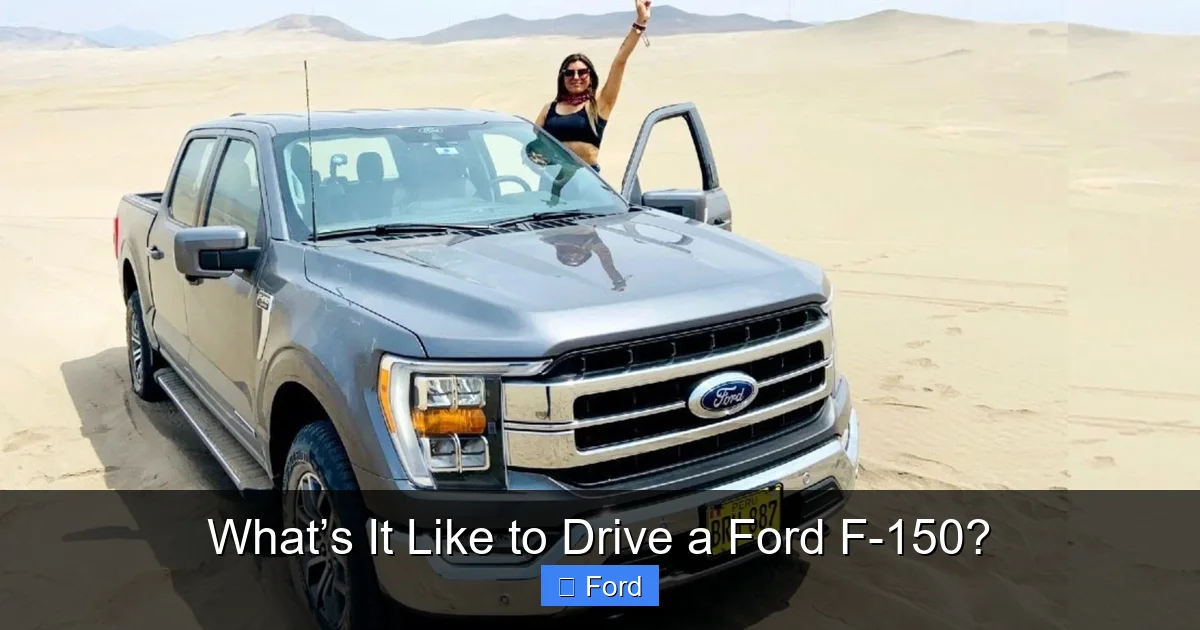
Let’s be clear: this is a full-size truck. It’s wide, long, and tall. However, its on-road demeanor is arguably class-leading. The switch to an independent rear suspension ( IRS ) on most models for the current generation was a game-changer. It eliminates the typical “bucking” feel of a solid axle over bumps and significantly improves handling stability. The ride is absorbent and quiet. Road imperfections are filtered out effectively, and the cabin remains serene at highway speeds. The steering, while not sporty, is precise and weighted well. You always know where the front wheels are pointing. This makes the F-150 less tiring to drive on long trips than you might imagine. The braking performance is strong and predictable, a critical factor with all that mass. Wind noise is well-contained, though the large A-pillars can create some blind spots that you’ll need to compensate for with your mirrors. Overall, it behaves more like a large, comfortable SUV than a traditional body-on-frame truck, which is a major selling point for non-work-focused buyers.
Visual guide about What’s It Like to Drive a Ford F-150?
Image source: nitrodigital.pe
Fuel Economy in the Real World
EPA ratings for the F-150 are respectable for its segment, especially with the EcoBoost and PowerBoost engines. The real-world experience varies dramatically with driving style, load, and drivetrain. A lightly loaded 2.7L EcoBoost 4×2 can easily see low 20s on the highway. The 3.5L and any 4×4 model will see that number drop, particularly in city driving. The PowerBoost hybrid is the efficiency champion, often delivering 20-25 MPG combined even with some light towing. The key takeaway is that you must manage expectations. You are not driving a sedan. Your right foot has a direct and significant impact on the fuel gauge. However, for what it does—moving tremendous weight and potential—the efficiency is impressive. For those keeping track, understanding the real cost to own and drive your car means including these fuel costs, which are a significant part of the F-150’s ownership equation.
Off-Road Capability: Serious Business When You Need It
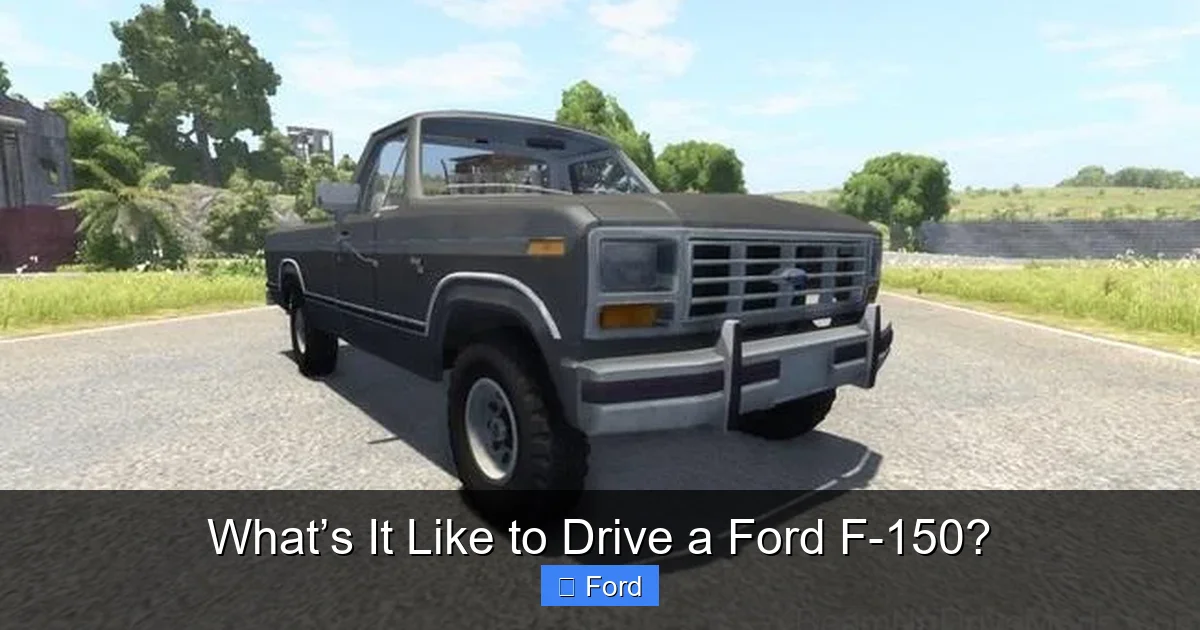
While many F-150s never leave pavement, the truck’s off-road competence is a core part of its identity and a major reason for its popularity. Driving it off-road is an exercise in control and capability. The available 4×4 systems (electronically controlled two-speed transfer cases) are robust. The FX4 off-road package adds skid plates, off-road-tuned shocks, and a rear-locking differential (on some models). For the truly adventurous, the Tremor model is a dedicated off-road package with massive all-terrain tires, a lifted suspension, unique axle ratios, and specialized drive modes. The experience is one of immense traction and ground clearance. The truck claws its way over rocks, ruts, and steep grades with minimal drama. The approach and departure angles are generous, and the high seating position gives you a fantastic view of the terrain ahead. The system’s “Off-Road” mode alters throttle response, transmission shifts, and traction control to be more forgiving and progressive, allowing for more wheel slip before intervening. It’s surprisingly playful for something so big, though its size is always the limiting factor on narrow, technical trails. For those who regularly tackle snow, mud, or gravel, the best winter tires for Ford F-150 or best off-road tires are the single most important upgrade you can make, dramatically changing the truck’s ability.
Visual guide about What’s It Like to Drive a Ford F-150?
Image source: beamngdrivemods.com
Interior Comfort, Technology, and Daily Usability
This is where the modern F-150 truly separates itself from older truck paradigms. The interior is a masterpiece of functional design. The available 12-inch or 15-inch touchscreen running SYNC 4 is a standout. It’s responsive, has a clear interface, and includes wireless Apple CarPlay and Android Auto. The system also integrates unique truck features like trailer tire pressure monitoring, onboard scales (available), and a smart backup guide for trailers. The digital gauge cluster is sharp and informative. For families, the rear seats in the SuperCrew are cavernous, with enough legroom for adults. The flip-up rear seats (on some trims) are a brilliant touch, creating a flat load floor. Noise, Vibration, and Harshness (NVH) control is exceptional. Wind and road noise are minimal, a testament to the sound-deadening materials used. The seats, especially in the higher trims, are plush and supportive for long drives. You can easily spend hours in this cabin without fatigue. Storage solutions are everywhere—from the under-seat bins to the configurable center console. It’s a space that works as hard as the truck does, whether that’s as a mobile office, a family hauler, or a gear depot.
The Ownership Reality: Costs, Maintenance, and Long-Term Value
Driving an F-150 is one thing; owning it is another. The purchase price is just the beginning. Fuel costs are the largest variable. Maintenance is generally straightforward and affordable for a modern vehicle, with Ford’s extensive dealer network a plus. However, wear items are more expensive due to the truck’s size and weight. Tires are a significant cost—a set of all-terrains or high-performance all-seasons for a truck this heavy doesn’t come cheap. Brakes, too, wear faster than on a sedan. Using the best brake pads for your specific model year, like the 2016 F-150, can optimize performance and longevity. Repairs, while infrequent if maintained, can be costly due to the complexity of modern systems (turbochargers, hybrid components, advanced 4×4). Resale value, however, is historically strong. The F-150 holds its value better than almost any other vehicle on the market, which is a critical factor in the total cost of ownership. It’s an investment that pays you back when you sell or trade. Reliability is generally good, but as with any complex vehicle, staying on top of scheduled maintenance is non-negotiable for long-term durability.
Conclusion: Who Is the F-150 For?
The Ford F-150 is not a single vehicle; it’s a platform. Its driving experience ranges from basic, no-frills workhorse to luxurious, tech-laden cruiser, and everything in between. The common thread is a sense of solid, unflappable capability. It drives smaller than it is, rides smoother than any truck before it, and offers a level of comfort and technology that surprises first-time drivers. It’s for the contractor who needs to haul tools and a trailer. It’s for the family that needs three rows of space and safety but wants the security of 4×4 for winter storms. It’s for the weekend adventurer who dreams of a camper shell and mountain trails. It’s for anyone who values a vehicle that feels genuinely useful and immensely confident in almost any situation. The trade-offs are its footprint—it’s a challenge to park and maneuver in tight urban settings—and the associated costs of ownership. But for millions of drivers, the feeling of capability, the commanding view of the road, and the sheer versatility make those trade-offs not just acceptable, but worthwhile. Driving an F-150 isn’t just about getting from A to B. It’s about having the right tool for any job, any day, and feeling utterly in control while doing it.
Frequently Asked Questions
Is the Ford F-150 hard to drive for someone used to a car?
Not at all. The steering is light and the visibility is excellent, making it easy to handle at low speeds. The main adjustment is its length; you’ll need to be mindful in tight parking lots and take wider turns. The ride is also much smoother than older trucks, so it feels familiar quickly.
Which F-150 engine is best for daily driving?
For most, the 2.7L or 3.5L EcoBoost V6 offers the best balance of power, responsiveness, and fuel economy. The 2.7L is incredibly efficient for its output, while the 3.5L provides the most grunt for heavy towing. The PowerBoost hybrid is the top choice if you prioritize maximum fuel savings and smooth, quiet power.
How does the F-150 handle on the highway?
Exceptionally well. It’s stable, quiet, and tracks straight with minimal effort. The independent rear suspension keeps the ride comfortable over long distances, and the cabin is well-insulated from wind and road noise. It feels secure and planted, even in crosswinds.
What’s the biggest surprise when first driving an F-150?
>The refined, car-like ride and quiet cabin are the most common surprises. People expect a rough, noisy, truck-like experience but are immediately impressed by how smooth and isolated the interior is, especially in trims with the IRS.
Is an F-150 a good family vehicle?
Absolutely, especially the SuperCrew (4-door) model. The rear seats are spacious, the cabin is safe and quiet, and there’s incredible storage space for strollers, sports gear, and groceries. It’s a very safe and versatile family hauler.
Should I get 4×4 if I don’t go off-road?
It depends. 4×4 adds cost, weight (slightly reducing fuel economy), and maintenance. It’s invaluable for severe winter weather, steep muddy or gravel driveways, or occasional light off-pavement use. If you live in a flat, mild climate with paved roads only, 4×2 is sufficient and more efficient.
