
What Oil Does a Volvo D13 Take

Choosing the correct oil for your Volvo D13 engine is non-negotiable for performance and longevity. This powerhouse diesel requires a full synthetic 15W-40 oil that meets the latest API CK-4 or FA-4 specifications and Volvo’s own VDS-4.5 or VDS-5 approval. Using the wrong oil can lead to premature wear, failed emissions components, and voided warranties. Always consult your owner’s manual for the exact specification for your model year and operating conditions.
Key Takeaways
- Mandatory Full Synthetic: The Volvo D13 requires full synthetic oil to withstand extreme pressures and temperatures, protect advanced emissions systems, and enable extended drain intervals.
- Critical Viscosity is 15W-40: For most applications and climates, SAE 15W-40 is the standard. Some newer models with specific aftertreatment systems may allow or require SAE 10W-30/40 (FA-4), but 15W-40 is the safe, universal choice.
- API & ACEA Certifications are Key: Look for the latest diesel engine oil ratings: API CK-4 (for most) or API FA-4 (for select newer engines). It must also meet ACEA E9 or E10 standards.
- Volvo VDS Approval is Non-Negotiable: The oil must carry Volvo’s own specification: VDS-4.5 for older engines or VDS-5 for the newest. This is the ultimate stamp of approval from the engine maker.
- OEM vs. Aftermarket: Genuine Volvo oil is guaranteed to meet specs. Reputable aftermarket brands (like Mobil, Shell, Pennzoil) also offer excellent, approved options—just verify the labels.
- Capacity Matters: A standard oil change for a D13 typically requires about 11-12 quarts (10.4-11.4 liters), but always check your manual for the exact capacity with filter change.
- Follow the Manual, Always: Your vehicle’s owner’s manual is the final authority. It lists the precise oil specification for your specific engine variant, model year, and regional requirements.
📑 Table of Contents
- Introduction: The Heart of Your Volvo Rig
- Decoding the Label: Understanding Volvo D13 Oil Specifications
- OEM vs. Aftermarket: Where to Buy Your D13 Oil
- The Oil Change Process for a Volvo D13: A Professional Overview
- Common Mistakes and How to Avoid Them
- Conclusion: Your D13’s Lifeline is in Your Hands
Introduction: The Heart of Your Volvo Rig
You’re behind the wheel of a Volvo truck with a D13 engine. That’s not just an engine; it’s the heart of your livelihood. It’s a marvel of modern engineering—a 12.8-liter, turbocharged, intercooled inline-6 diesel designed for relentless hauling and maximum fuel efficiency. But this sophistication demands respect, and it starts with what you pour into its sump. Using the wrong oil isn’t just a minor misstep; it’s a direct path to expensive repairs, failed emissions tests, and catastrophic engine failure. So, the question “What oil does a Volvo D13 take?” is one of the most critical you can ask as an owner or operator. This guide will cut through the confusion, decode the labels, and give you the absolute clarity you need to protect your massive investment.
We’ll break down everything: the exact viscosity, the mysterious codes like API CK-4 and VDS-5, why full synthetic is mandatory, how to choose between OEM and aftermarket brands, and the vital step-by-step of a proper oil change. Think of this as your owner’s manual companion, written in plain English. By the end, you’ll walk into any parts store or service bay with the confidence of a master technician, knowing exactly what your Volvo D13 needs to run strong for a million miles.
Decoding the Label: Understanding Volvo D13 Oil Specifications
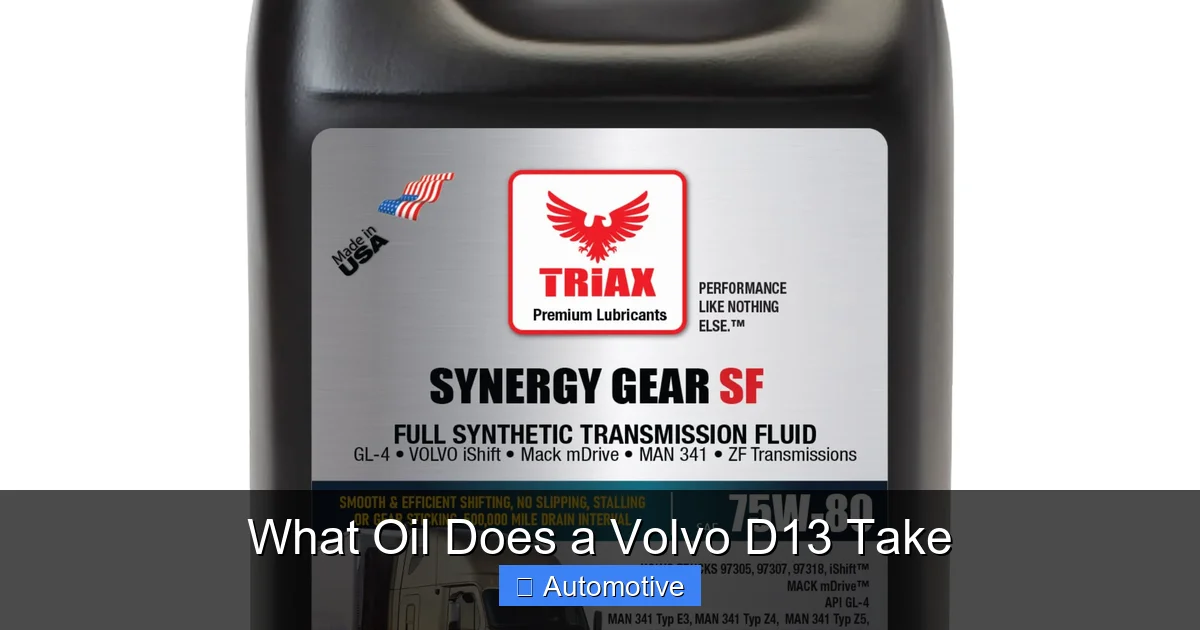
Grab a bottle of oil. The label looks like a secret code. SAE 15W-40, API CK-4, ACEA E9, Volvo VDS-4.5. What does it all mean? Let’s crack the code, piece by piece. Each part of this specification is a critical layer of protection for your high-tech diesel engine.
Visual guide about What Oil Does a Volvo D13 Take
Image source: m.media-amazon.com
The Non-Negotiable Foundation: SAE Viscosity (15W-40)
This is the first thing you’ll see. SAE 15W-40 is the standard, recommended viscosity for the vast majority of Volvo D13 engines across all climates and seasons. Let’s translate that. The “W” stands for winter. The number before it (15) indicates how easily the oil flows when cold. A 15W oil is thicker when cold than a 5W or 0W oil. For a heavy-duty diesel like the D13, this is intentional and beneficial. A slightly thicker cold-start oil provides better film strength to protect massive bearings and clearances from the moment you turn the key, before it fully warms up. The “40” is the viscosity rating at 100°C (212°F), the standard operating temperature. It ensures the oil is thick enough to maintain a protective film between all the high-load components—pistons, cylinder walls, camshafts—under extreme heat and pressure.
What about 10W-30 or 10W-40? Some of the very latest D13 engines, particularly those with the most advanced aftertreatment systems for 2021+ model years, may be certified for lower viscosity oils like API FA-4, which are typically 10W-30. This is engine-specific and MUST be confirmed in your owner’s manual. Using a 10W-30 FA-4 oil in an older D13 designed for CK-4 15W-40 can cause severe damage. When in doubt, 15W-40 is the universally safe and approved choice for all D13 generations. If your manual specifies FA-4, you must use only FA-4 oils, as they are formulated differently for lower fuel consumption.
The Performance Benchmarks: API and ACEA Ratings
The viscosity tells you the oil’s thickness. The performance ratings tell you what the oil can *do*. These are the industry standards set by the American Petroleum Institute (API) and the European Automobile Manufacturers Association (ACEA). They are your guarantee that the oil has passed a brutal battery of lab and engine tests for wear protection, sludge prevention, and compatibility with emissions systems.
- API CK-4: This is the current top-tier standard for most heavy-duty diesel engines, including the Volvo D13 (for engines not requiring FA-4). It provides superior protection against piston deposits, wear, and oxidation. It’s backward-compatible with older API specs like CI-4. This is your primary target for a D13.
- API FA-4: A newer standard designed specifically for 2017+ model year engines to improve fuel economy through lower viscosity. It is NOT backward-compatible and is NOT recommended for older engines. Only use if explicitly called for in your manual.
- ACEA E9/E10: These are the European heavy-duty diesel standards, often even more stringent than API. Volvo, being a European manufacturer, requires its oils to meet the latest ACEA E9 or E10 specification in addition to the API rating. Look for both on the bottle.
A bottle that says “API CK-4” and “ACEA E9” is hitting the major industry benchmarks. But for a Volvo, there’s one more, most important layer.
The Golden Seal: Volvo VDS (Volvo Driver Specification)
This is the most crucial part of the puzzle. The API and ACEA ratings are general highway standards. Volvo VDS is Volvo’s own, proprietary specification that an oil must meet to be considered “approved” for their engines. Think of it as Volvo’s final, grueling exam. They test oils in their own engines under extreme conditions to ensure ultimate protection for their specific designs, materials, and—critically—their advanced emissions systems (like the EGR, DPF, and SCR systems on the D13).
- VDS-4.5: This is the specification for most D13 engines from approximately 2013 to 2020/2021. It meets the needs of engines with EGR and DPF systems.
- VDS-5: This is the latest specification for the newest D13 engines (typically 2021+), designed to work seamlessly with the most advanced aftertreatment hardware and for even longer drain intervals.
You MUST use an oil that is explicitly labeled “Volvo VDS-4.5” or “Volvo VDS-5” approved. Many top-brand synthetics carry this approval. The label will have the Volvo VDS logo or clearly state “Approved to Volvo VDS-4.5 spec.” Using a non-VDS-approved oil, even if it has API CK-4, risks voiding your warranty and can lead to premature wear or damage to sensitive emissions components. This is the single most important filter in your selection process.
OEM vs. Aftermarket: Where to Buy Your D13 Oil
Now you know what to look for on the bottle. But whose bottle do you buy? You have two main paths: Genuine Volvo oil or a reputable aftermarket brand. Both can be excellent, but there are differences in philosophy and price.
Visual guide about What Oil Does a Volvo D13 Take
Image source: dpfpartsdirect.com
The Case for Genuine Volvo Oil
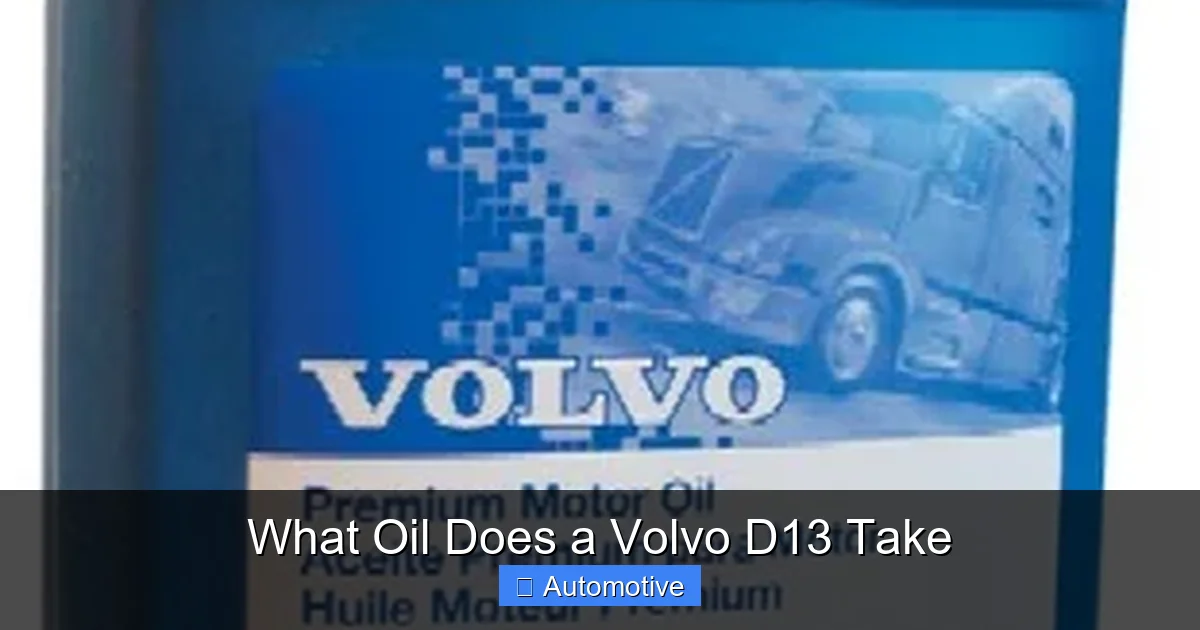
When you buy a quart of “Genuine Volvo” oil from a dealer, you are buying absolute certainty. It is formulated by Volvo’s lubricant partners (historically and currently, often a collaboration with major oil companies like Shell or Mobil) to meet and exceed the VDS specification for your specific engine. You get:
- Zero Ambiguity: It is guaranteed to be correct. No reading fine print, no worrying about batch variations.
- Warranty Harmony: Using OEM oil provides the simplest, most defensible record for warranty claims. There is no question about specification compliance.
- Integrated System: Volvo engineers the entire powertrain, including the oil, as a system. They claim optimal performance and drain intervals with their branded product.
The downside is almost always cost. Genuine Volvo oil is typically the most expensive option on the market.
The Aftermarket Powerhouses: Brands That Meet the Spec
The good news is that you have excellent, often more cost-effective, alternatives. Every major lubricant manufacturer produces heavy-duty diesel synthetics that are rigorously tested and officially licensed to meet Volvo VDS-4.5 or VDS-5. The key is verification. You must check the bottle or the manufacturer’s product data sheet for the explicit “Volvo VDS-4.5” or “VDS-5” approval. Do not assume a “heavy-duty diesel” oil is approved.
Leading brands with confirmed VDS approvals for the D13 include:
- Mobil Delvac 1 (e.g., Mobil Delvac 1 SHC 15W-40)
- Shell Rotella (e.g., Shell Rotella T6 Full Synthetic 15W-40, T7 for some FA-4 applications)
- Pennzoil PlatinumEuro L (specifically formulated for European heavy-duty diesel)
- Valvoline Premium Blue (Extended Life formulations)
- Chevron Delo (e.g., Chevron Delo XSP)
- Cummins CES oils (often meet or exceed Volvo specs)
Pro Tip: Buy from reputable distributors (truck stops, major auto parts stores, or online retailers specializing in commercial vehicle parts). Beware of counterfeits or oils with faded labels. Always check for the VDS specification on the bottle itself before purchasing.
The Oil Change Process for a Volvo D13: A Professional Overview
Knowing the right oil is only half the battle. The change process itself must be done correctly to avoid contamination and ensure the new oil performs as intended. While a full service should be done by trained technicians, understanding the steps helps you verify quality work.
Visual guide about What Oil Does a Volvo D13 Take
Image source: wheelingtruck.com
Step 1: Warm the Engine & Drain
Run the engine until it reaches full operating temperature (150°F/65°C or more). Warm oil flows faster and carries more suspended contaminants out of the engine. Park on a level surface. Place a large-capacity drain pan (the D13 holds ~11 quarts) under the oil pan. Remove the drain plug. Let it drain completely—this can take 10-15 minutes due to the volume. Inspect the drain plug and washer; replace the washer if it’s damaged or compressed.
Step 2: Replace the Oil Filter
This is the most critical step for contamination control. The D13 uses a high-capacity spin-on filter. Use a filter wrench to remove the old one. Before installing the new one, lightly coat the rubber gasket with fresh oil. Screw the new filter on by hand until the gasket contacts the mounting surface, then tighten according to the manufacturer’s specification (usually 3/4 to 1 turn after contact—never over-tighten). Dispose of the old filter and oil properly.
Step 3: Refill with the Correct Oil
Reinstall the drain plug and torque it to specification (typically 30-40 ft-lbs, but check manual). Remove the oil fill cap. Using a clean funnel, slowly pour in the specified full synthetic oil. The total capacity is usually around 11-12 quarts (10.4-11.4 liters), but always check your manual for the exact “with filter change” capacity. Fill it about 1 quart less than the total capacity initially.
Step 4: Check Level and Prime
Replace the fill cap. Start the engine and let it idle for about 30 seconds. This allows the oil to circulate and the filter to fill. Turn the engine off and wait 2-3 minutes for oil to settle back into the pan. Pull the dipstick, wipe it clean, reinsert it fully, and pull it again to check. The level should be between the MIN and MAX marks. Add oil as needed to reach the full mark, but do not overfill. Overfilling can cause aeration (foaming), which destroys the oil’s lubricating ability and can lead to engine damage.
Step 5: Final Check and Record
Inspect the drain plug and filter for any signs of leakage. Start the engine again, let it reach operating temperature, and re-check for leaks. Record the date, mileage, oil type, viscosity, and filter part number in your maintenance log. This is vital for warranty and resale.
Common Mistakes and How to Avoid Them
Even with the right oil, simple errors can undermine everything. Here are the most frequent pitfalls with the D13:
- Using the Wrong VDS Specification: The #1 mistake. Using a non-VDS oil or the wrong VDS version (e.g., VDS-4 in a VDS-5 engine) can harm emissions equipment and wear surfaces. Always match the manual.
- Mixing Oil Brands or Types: Never top off with a different brand or viscosity than what’s already in the engine. In a pinch, it’s generally okay to add a different brand of the *exact same specification* (e.g., adding Shell to Mobil, both VDS-4.5 15W-40), but a full change should always be with one consistent, approved product. Never mix conventional and synthetic.
- Overfilling the Crankcase: More oil is not better. Overfilling causes the crankshaft to whip through the oil, creating foam (aeration). Aerated oil cannot lubricate, leading to severe wear. Always check the dipstick level carefully after a change.
- Neglecting the Filter: Using a cheap, non-OEM filter that doesn’t meet Volvo’s filtration efficiency standards allows abrasive particles to circulate. Use only high-quality filters from Volvo, Fleetguard, Donaldson, or other reputable brands.
- Extending Drain Intervals Too Far: While D13 engines with VDS oil can go long distances (often 50,000+ miles under ideal conditions), “ideal conditions” mean stable loads, clean fuel, and normal operating temperatures. Severe service (lots of idling, dusty environments, short trips) requires much shorter intervals. Never blindly follow a max interval; use oil analysis to guide you.
- Ignoring the Oil Analysis Report: For a $10,000+ engine, a $30 oil analysis is the best insurance policy. It tells you about engine wear (metals), fuel dilution, coolant contamination, and remaining oil life. Use it to fine-tune your drain intervals and catch problems early.
Conclusion: Your D13’s Lifeline is in Your Hands
Your Volvo D13 engine is a work of art—a symphony of forced induction, precise fuel injection, and complex aftertreatment. It demands a lubricant that is up to the task. The formula is clear: Full Synthetic, SAE 15W-40 (or specified FA-4), meeting API CK-4/FA-4 and ACEA E9/E10, and most importantly, carrying the official Volvo VDS-4.5 or VDS-5 approval. There are no shortcuts here. This isn’t about brand loyalty; it’s about engineering specification. Whether you choose the peace of mind of Genuine Volvo oil or the proven performance and value of an approved aftermarket brand like Mobil Delvac or Shell Rotella, the label must be unambiguous.
Pair the right oil with a meticulous change procedure—proper warm-up, full drainage, a premium filter, correct fill level, and diligent record-keeping—and you are doing everything in your power to ensure that D13 heart keeps pounding strong for the long haul. Remember, the cost of the right oil is trivial compared to the cost of an engine rebuild or a failed emissions test. Invest in the correct lubricant, follow the procedures, and your Volvo will reward you with years of reliable, powerful service.
Frequently Asked Questions
Can I use 15W-40 oil that is NOT Volvo VDS approved in my D13?
Technically, it might lubricate, but you should never do it. Non-VDS-approved oil has not been validated by Volvo for use with their specific engine designs and emissions systems. Using it risks voiding your warranty, can cause premature wear, and may damage sensitive components like the EGR cooler or DPF. Always choose an oil with explicit Volvo VDS-4.5 or VDS-5 approval.
Is it okay to use API FA-4 oil in my older Volvo D13?
No. API FA-4 oils are a lower-viscosity category designed specifically for newer engines (typically 2017+) to improve fuel economy. They are not backward-compatible and can cause inadequate lubrication and potential engine damage in older D13 engines designed for higher-viscosity CK-4 oils. Only use FA-4 if your owner’s manual explicitly states it is approved for your specific engine model year.
What happens if I accidentally overfill the oil in my D13?
Overfilling is serious. The excess oil will be churned by the spinning crankshaft, causing it to foam and lose its lubricating properties (a condition called aeration). This can lead to a sudden loss of oil pressure, severe bearing wear, and engine failure. If you suspect an overfill, drain the excess immediately to bring the level to the proper mark on the dipstick.
How often should I really change the oil in my Volvo D13?
There is no single answer. While VDS oils allow for very long drain intervals (up to 50,000 miles in ideal line-haul conditions), your actual interval depends on your duty cycle. Severe service—frequent idling, short trips, dusty environments, extreme temperatures—requires much shorter intervals (e.g., 15,000-25,000 miles). The best practice is to use a regular oil analysis program to determine the true health of your oil and engine wear, then adjust your drain interval accordingly.
Are genuine Volvo oil filters really necessary, or are aftermarket ones okay?
Genuine Volvo filters are engineered to meet exact specifications for filtration efficiency and capacity. High-quality aftermarket filters from brands like Fleetguard (a Volvo/Mack partner), Donaldson, or Baldwin are also excellent and often meet or exceed OEM standards. The key is to avoid cheap, unknown brands. Use only filters from reputable manufacturers that specify compatibility with the Volvo D13 engine.
My D13 has a DPF. Does the oil choice affect it?
Absolutely, yes. The Diesel Particulate Filter (DPF) is extremely sensitive to ash content. Oils with high-ash additives (like some older formulations or non-VDS oils) can rapidly clog the DPF, leading to constant regeneration issues, poor fuel economy, and costly cleaning or replacement. VDS-4.5 and VDS-5 oils are specifically formulated with “low-SAPS” (sulfated ash, phosphorus, sulfur) additives to protect the DPF and other aftertreatment systems. This is a primary reason the VDS specification is mandatory.