
How to Start a Buick Verano with a Key

Starting a Buick Verano with a physical key is a straightforward process that remains a critical backup skill in our increasingly keyless world. Even in a 2026 model equipped with advanced push-button start, the traditional metal key slot provides a reliable failsafe. This guide walks you through every step, from locating the hidden key cylinder to understanding the ignition positions and solving common problems like a steering wheel lock.
So, you’re standing next to your sleek 2026 Buick Verano, key fob in hand, ready to go. You press the start button, and… nothing. The dashboard remains dark. Panic starts to set in. Is it a dead battery? A faulty starter? Before you call for a tow, take a deep breath. Your Verano, like all modern cars, has a secret, old-school backup plan: the physical key. Knowing how to start a Buick Verano with a key isn’t just a nostalgic skill—it’s an essential piece of modern roadside knowledge. This comprehensive guide will turn you from a worried driver into a confident problem-solver, covering everything from finding that elusive key slot to starting your car in a blizzard.
Key Takeaways
- The physical key slot is often hidden: In modern Veranos, look for a small cap or door on the steering column that reveals the traditional key ignition.
- Ignition positions are universal: The key turns through LOCK (0), ON (II), and START (III) positions—a standard sequence across most vehicles.
- A steering wheel lock can prevent key turning: Gently rocking the wheel while turning the key releases this common security feature.
- Key fob battery death doesn’t always mean you’re stranded: Most systems have a mechanical emergency key hidden inside the fob and a backup starting procedure.
- Extreme temperatures affect starting: Very cold weather can thicken oil, while extreme heat can vaporize fuel—both may require slightly longer cranking.
- Regular key and ignition maintenance prevents issues: Keep the key clean, avoid overloading the fob, and have the ignition inspected if you feel excessive play or resistance.
- When in doubt, consult your owner’s manual: Your 2026 Verano’s specific procedures and warnings are detailed there, especially for unique emergency starts.
📑 Table of Contents
- Understanding Your 2026 Buick Verano’s Ignition System
- Step-by-Step: Starting Your Verano with the Physical Key
- Starting in Extreme Conditions: Cold, Heat, and Long Storage
- Troubleshooting: Why Won’t the Key Turn or Start?
- Emergency Key Procedures: When the Fob is Dead or Lost
- Maintenance and Best Practices for Long-Term Reliability
- Comparing Manual Key Start to Push-Button Start in Your Verano
- Conclusion: Confidence Through Knowledge
Understanding Your 2026 Buick Verano’s Ignition System
First, let’s demystify what’s under that steering column. The 2026 Verano, while a continuation of a model known for its comfort and efficiency, fully embraces modern keyless technology. The primary method is the “push-button start” or “keyless ignition” system. However, federal safety regulations and smart engineering mandate a manual override. This means your Verano has a physical key cylinder, but it’s cleverly concealed to maintain the vehicle’s clean, button-free interior aesthetic.
The Two-Tier Key System: Fob and Emergency Key
Your primary tool is the key fob—a sophisticated radio transmitter that talks to your car’s security module. Inside that fob is a hidden, removable metal emergency key. This key is not for daily use but is your lifeline when the fob’s battery dies or its electronics fail. The physical key slot on the Verano is designed to accept this emergency key. It’s a physical connection that bypasses all wireless systems, communicating directly with the ignition lock cylinder and the car’s immobilizer chip.
Ignition Positions: What That Turn of the Key Actually Does
When you insert and turn the key, it moves through distinct mechanical positions, each triggering a specific electrical state:
- LOCK (Position 0): The key can be inserted or removed. The steering column lock may engage. The steering wheel is locked.
- ON / ACCESSORY (Position II): You turn the key here after starting. This powers the dashboard, infotainment, fuel pump, and other accessories without cranking the engine. All warning lights (check engine, oil pressure, etc.) will illuminate for a bulb check.
- START (Position III): This is the spring-loaded position you move to from ON. It engages the starter motor to crank the engine. Once the engine starts, you release the key, and it springs back to the ON position.
Understanding these positions is crucial because if you try to start from LOCK or remove the key while in ON, the car won’t start or will shut off.
Step-by-Step: Starting Your Verano with the Physical Key
Now, let’s get practical. Here is the definitive procedure for 2026 models. The steps are simple, but the location of the key slot is the first hurdle.
Visual guide about How to Start a Buick Verano with a Key
Image source: images.startmycar.com
Step 1: Locate the Hidden Key Slot
Look at the bottom of the steering column, near where the steering wheel meets the dashboard. You’re searching for a small, round, plastic cap or a narrow slit. This is the cover for the manual key ignition. On the 2026 Verano, it’s typically on the right side of the column when viewed from the driver’s seat. Use your fingernail or a small flat-head screwdriver (wrapped in cloth to avoid scratches) to gently pry off this cap. It should snap off easily, revealing a keyhole.
Step 2: Prepare Your Emergency Key
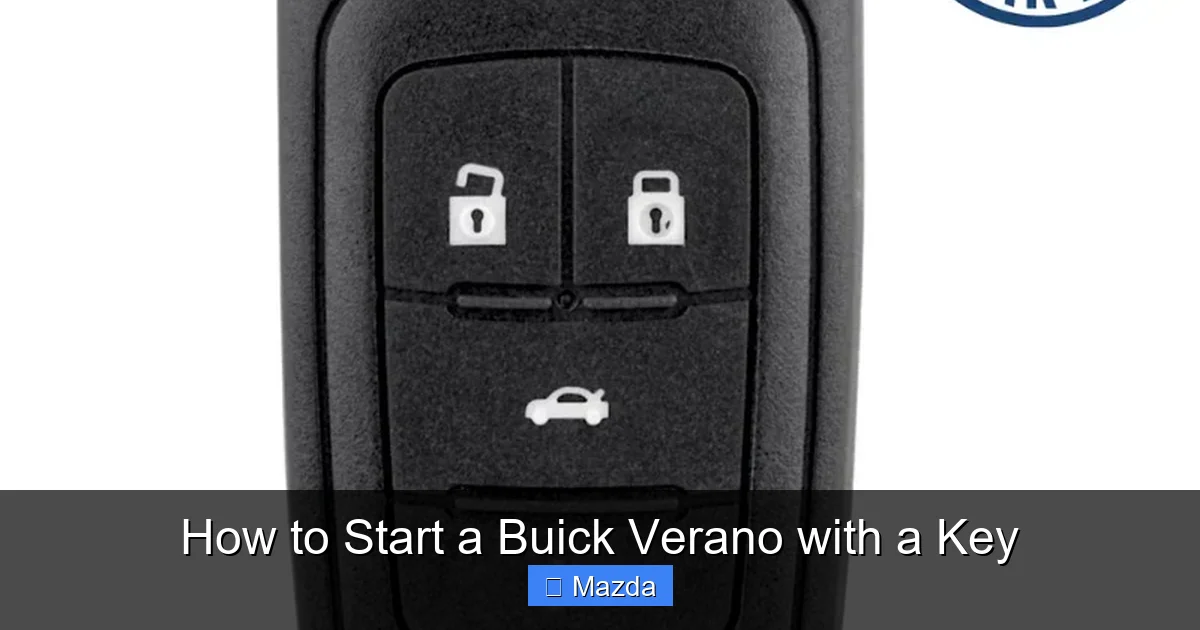
Flip over your key fob. On the side opposite the buttons, you’ll find a small release button or a notch. Press the button or slide the cover to access the hidden emergency key. Pull the metal key out. It’s usually a simple, single-cut key without any electronic buttons.
Step 3: Insert and Start
Insert the emergency key into the now-exposed keyhole. Push it in firmly until it seats completely. Now, turn the key clockwise. You’ll feel resistance. Keep turning it through the LOCK position into the ON position. Dashboard lights should illuminate. This is your cue. Continue turning the key firmly to the START position. You’ll hear the engine crank. The moment it fires up, release the key. It will automatically spring back to the ON position. Leave it there while the engine warms up.
Step 4: Driving and Shutting Down
Once the engine is running, you can shift into Drive (or Reverse) and go. To turn the car off, shift to Park, turn the key back to LOCK, and remove it. In many modern cars with this system, the key can be removed only when the car is in Park. Note: If your Verano has an electronic parking brake, ensure it’s disengaged before trying to turn the key to LOCK, as some systems interlock these functions.
Pro Tip: Practice this process in your driveway when you have time. Locate the cap, remove the emergency key, and simulate the turns. Muscle memory will serve you well in a stressful situation.
Starting in Extreme Conditions: Cold, Heat, and Long Storage
Environmental factors can make a simple key turn feel like a monumental task. Here’s how to adapt.
Visual guide about How to Start a Buick Verano with a Key
Image source: remotesandkeys.com
Conquering the Cold Crank
In freezing temperatures, engine oil thickens, and battery chemical reactions slow down. This means the starter has to work harder, and the engine may take an extra second or two to fire.
- Before you turn the key: Turn the key to ON (Position II) and wait 3-5 seconds. This activates the fuel pump and primes the fuel system. Then turn to START.
- If it doesn’t start immediately: Crank for no more than 10-15 seconds at a time to avoid overheating the starter. Wait 30 seconds between attempts. This is crucial.
- For severe cold: Use an engine block heater if equipped. Also, ensure your battery is fully charged and rated for cold cranking amps (CCA). A weak battery is the #1 cause of cold-weather no-starts.
Beating the Heat
Extreme heat can cause fuel to vaporize in the lines (vapor lock) and also stresses the battery. The procedure is similar to cold weather:
- Let it rest: If the car has been sitting in direct sun, open the hood for a few minutes to let heat escape from the engine bay before starting.
- Pedal to the floor: On older carbureted cars, you’d pump the gas. On your fuel-injected 2026 Verano, this is unnecessary and can flood the engine. Just turn the key normally.
- Watch for warning lights: If the temperature gauge is already high before start, do not start the engine. You may have a cooling system issue.
Starting After Months of Storage
If your Verano has been in storage, the battery is likely weak or dead. Before trying the key:
- Charge or jump the battery first. A severely discharged battery may not provide enough power even if the key turns.
- Check fluids: Ensure engine oil and coolant levels are correct.
- Pump the brake pedal: With keyless systems, pressing the brake is required to start. With the manual key, it’s not always necessary, but doing so can help activate certain safety circuits.
Troubleshooting: Why Won’t the Key Turn or Start?
You’ve found the slot, inserted the key, but it won’t budge, or it turns but the engine stays silent. Don’t panic. Diagnose systematically.
Visual guide about How to Start a Buick Verano with a Key
Image source: lost-car-keys-replacement.com
Problem 1: The Key Won’t Turn in the Ignition
This is the most common manual start issue. The cause is almost always the steering wheel lock.
- The Fix: The steering wheel is likely under tension from the lock. Gently place your hand on the wheel and try to turn it slightly left or right while slowly turning the key. You’ll feel a slight “pop” as the lock disengages, and the key will turn freely. Never force the key violently.
- Other causes: A worn-out key or damaged lock cylinder. If the key is worn, you may need a new key cut from your VIN. If the cylinder is damaged, a mechanic or dealer must replace it.
Problem 2: Key Turns to ON, but Engine Doesn’t Crank
Dashboard lights come on, but you hear no sound from the engine bay when you turn to START.
- Check the brake pedal: Even with a manual key, many modern cars require the brake pedal to be depressed to allow the starter to engage. Press the brake firmly and try again.
- Shift lever position: The car must be in Park (P) or Neutral (N). Ensure it’s firmly in Park.
- Dead battery: The dashboard lights might be dim. If they are bright, the battery has some charge. If they are very dim or go out when you try to start, the battery is dead. You need a jump start.
Problem 3: Engine Crank But Won’t Fire
The starter turns the engine over, but it doesn’t start.
- Out of fuel? Check the fuel gauge. Seems obvious, but it happens.
- Fuel system issue: A failed fuel pump or clogged filter. You might hear a brief whir from the rear when turning the key to ON (the fuel pump priming). No sound could indicate a pump problem.
- No spark: A faulty ignition coil, spark plug, or sensor. This is a more complex repair requiring a professional.
- Security system active: If the security light is blinking rapidly, the car’s immobilizer isn’t recognizing the key’s chip. This could mean a dead fob battery (even for the emergency key, some systems need the fob present) or a faulty chip. Try placing the dead fob right next to the start button (if there is one) or key slot during the start attempt, as some systems have a backup RFID reader.
Emergency Key Procedures: When the Fob is Dead or Lost
This is the core reason for learning the manual start. Your key fob battery will die. You might lock the fob inside the car. Here’s your action plan.
Scenario A: The Key Fob Battery is Dead
The buttons don’t work. You can’t unlock the doors remotely. Here’s what to do:
- Unlock the door manually: Use the hidden emergency key to unlock the driver’s door. The keyhole is usually on the door handle itself, hidden under a cap. Remove the cap, insert the key, and turn.
- Enter and start: Once inside, place the dead fob directly into the designated spot (often a cup holder or compartment marked with a key symbol) or simply insert the emergency key into the steering column ignition as described above. The car’s RFID reader will detect the chip in the fob even with a dead battery if it’s in close proximity, or will use the emergency key’s chip directly.
Scenario B: The Key Fob is Inside the Car (Locked Out)
This is a classic “keys locked in car” scenario with a keyless entry system.
- Do not smash a window. Call a locksmith or roadside assistance. They can use a long tool to unlock the door from the outside.
- Alternative: If you have a spare key fob at home, have someone bring it to you. Use the spare’s physical emergency key to unlock the door.
- Proactive tip: Many Veranos have a door handle with a small hidden keyhole on the rear passenger door as a backup. Check your owner’s manual to see if your model has this feature.
Understanding the Immobilizer Chip
Both your main fob and the emergency key contain a unique transponder chip. When you turn the key (or press the start button with the fob present), the car’s antenna reads this chip. If the code matches the one stored in the car’s computer, the immobilizer disengages, allowing the starter to work. This is why a copied key from a hardware store won’t work—it lacks the programmed chip. If your emergency key is lost, you must get a replacement from a Buick dealer who can program the new key’s chip to your vehicle’s VIN.
Maintenance and Best Practices for Long-Term Reliability
An ounce of prevention saves you from being stranded. Treat your key and ignition system well.
Caring for Your Key and Fob
- Avoid physical damage: Don’t throw your fob or use it as a hammer. The internal circuit board and buttons are fragile.
- Keep it dry: Water damage can short the electronics. If it gets wet, dry it thoroughly immediately.
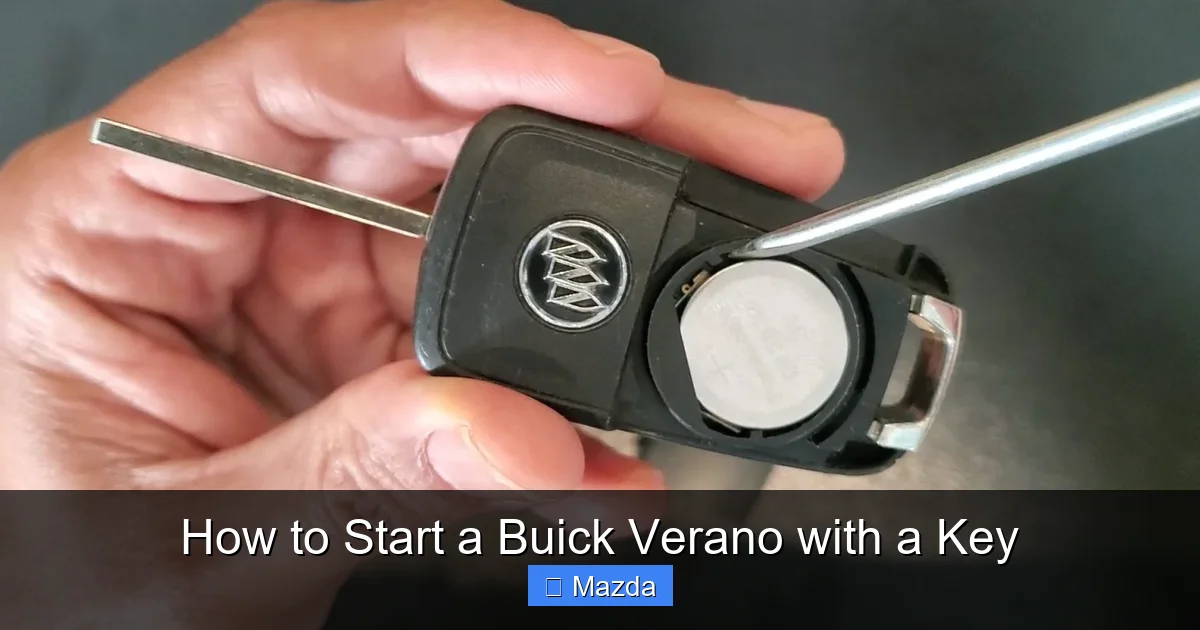
- Replace the battery proactively: A typical fob battery lasts 2-3 years. When you notice reduced range (having to be closer to the car), replace it. Use the exact battery type specified in your owner’s manual (usually a CR2032 or similar).
- Don’t overload the keyring: A heavy keyring with many keys can cause wear on the ignition cylinder over time. Use a separate key for your home/office if possible.
Ignition Lock Cylinder Care
The physical key slot and cylinder need occasional attention:
- Keep it clean: Dust and debris can enter the slot. Use a can of compressed air to blow it out periodically.
- Lubricate sparingly: Once a year, insert a graphite-based lock lubricant (NOT oil or WD-40, which attract dust) into the keyhole. Turn the key back and forth to distribute it. This keeps the tumblers moving smoothly.
- Notice the signs: If the key feels loose, wobbly, or requires jiggling, the cylinder is wearing out. Have it inspected before it fails completely.
Battery Health is Paramount
A healthy battery is the #1 requirement for starting any modern car, key or no key.
- Test it annually: Most auto parts stores offer free battery testing.
- Clean the terminals: Corrosion buildup prevents proper electrical connection. Clean terminals with a baking soda/water solution and a wire brush.
- Consider a battery tender: If you store your Verano for long periods, a trickle charger will keep the battery at peak charge without overcharging.
If you experience repeated starting issues, especially with the manual key, it’s time to visit a certified Buick technician. They can run diagnostics on the ignition switch, starter, and security system.
Comparing Manual Key Start to Push-Button Start in Your Verano
You might wonder, “Why have a manual key at all in a 2026 car?” Understanding the rationale helps you appreciate the backup system.
The Advantages of the Manual Key
- Absolute reliability: No batteries, no radio signals, no software glitches. It’s a pure mechanical connection. When all else fails, metal in a lock works.
- Speed in emergencies: In a true electrical system failure (e.g., after an accident that disables the CAN bus), the manual key is often the only way to start the car to move it to safety.
- Simplicity: No learning curve. Insert, turn, go. It’s universal knowledge.
The Advantages of Push-Button Start
- Convenience: The key fob can stay in your pocket or bag. You just press the button with the brake pedal.
- Safety: The engine will not start unless the brake pedal is depressed and the car is in Park/Neutral.
- Keyless entry integration: The same fob unlocks the doors and tailgate.
When to Use Which Method?
Use the push-button start for 99% of your daily driving. Reserve the manual key for:
- Dead key fob battery.
- Fob electronic failure.
- Extreme cold where you want to pre-lubricate by turning to ON first.
- Teaching a new driver the fundamentals of an ignition system.
- Any situation where the car’s computer doesn’t recognize the fob’s presence.
It’s a fantastic dual-system approach: maximum convenience with a rock-solid fallback. For owners of other GM brands or even different manufacturers, the process is remarkably similar. For instance, the steps to start a Dodge Journey with a manual key follow the same universal ignition position logic, even if the key slot location differs.
Conclusion: Confidence Through Knowledge
Your 2026 Buick Verano is a masterpiece of modern engineering, blending comfort, efficiency, and technology. Yet, at its heart, it retains a simple, mechanical soul through its manual key ignition. Mastering this process transforms you from a passive driver into an empowered one. You no longer need to fear a dead fob battery or a quirky security light. You have the tools and the knowledge to take control.
Remember the core sequence: Find the hidden slot, insert the emergency key, turn to ON, then to START, release. Keep your emergency key accessible (not buried in a glovebox), maintain your battery, and occasionally practice the motion. This small investment of time pays enormous dividends in peace of mind. The next time your key fob is silent, you’ll simply smile, reach for that little metal key, and drive on. That’s the true mark of an automotive expert—not just knowing how to use the tech, but knowing how to live without it.
Frequently Asked Questions
Where exactly is the manual key hole on a 2026 Buick Verano?
It’s located on the bottom of the steering column, usually on the right side. Look for a small round plastic cap. Pry it off carefully with your fingernail or a flat tool to reveal the keyhole.
My key turns but the engine doesn’t crank. What’s wrong?
First, ensure your foot is firmly on the brake pedal and the shifter is firmly in Park. If that’s correct, your battery is likely too weak to engage the starter. Dashboard lights may be dim. You need a jump start or battery charge.
Can I start the car if the key fob battery is dead and I don’t have the emergency key?
No. The emergency key is your only physical backup. If it’s lost, you must have a new key fob programmed to your car by a Buick dealer. Always keep the emergency key in a separate, safe place (like a wallet) as a spare.
Is the process different for a Verano with a traditional key (not a fob)?
No. If you have an older Verano model with a standard metal key (not a fob), the process is identical: insert key, turn to ON, then to START. The steps are universal for traditional ignitions. For more on basic key systems, see guides on how to start a car with a key.
What if the steering wheel is locked and won’t let the key turn?
This is very common. Gently place pressure on the steering wheel in the direction it wants to turn (usually slightly to the left or right) while slowly turning the key. You’ll feel it release. Never use excessive force.
Will using the manual key disable my keyless entry or remote start features?
No. The manual key is only for starting the vehicle and manually unlocking the door in an emergency. Your key fob’s remote functions (lock, unlock, trunk release, remote start) will work normally once you replace the fob battery and resume using it. The car’s memory does not “forget” the fob because you used the emergency key once.
