Valvoline Restore & Protect vs Mobil 1 Extended Performance

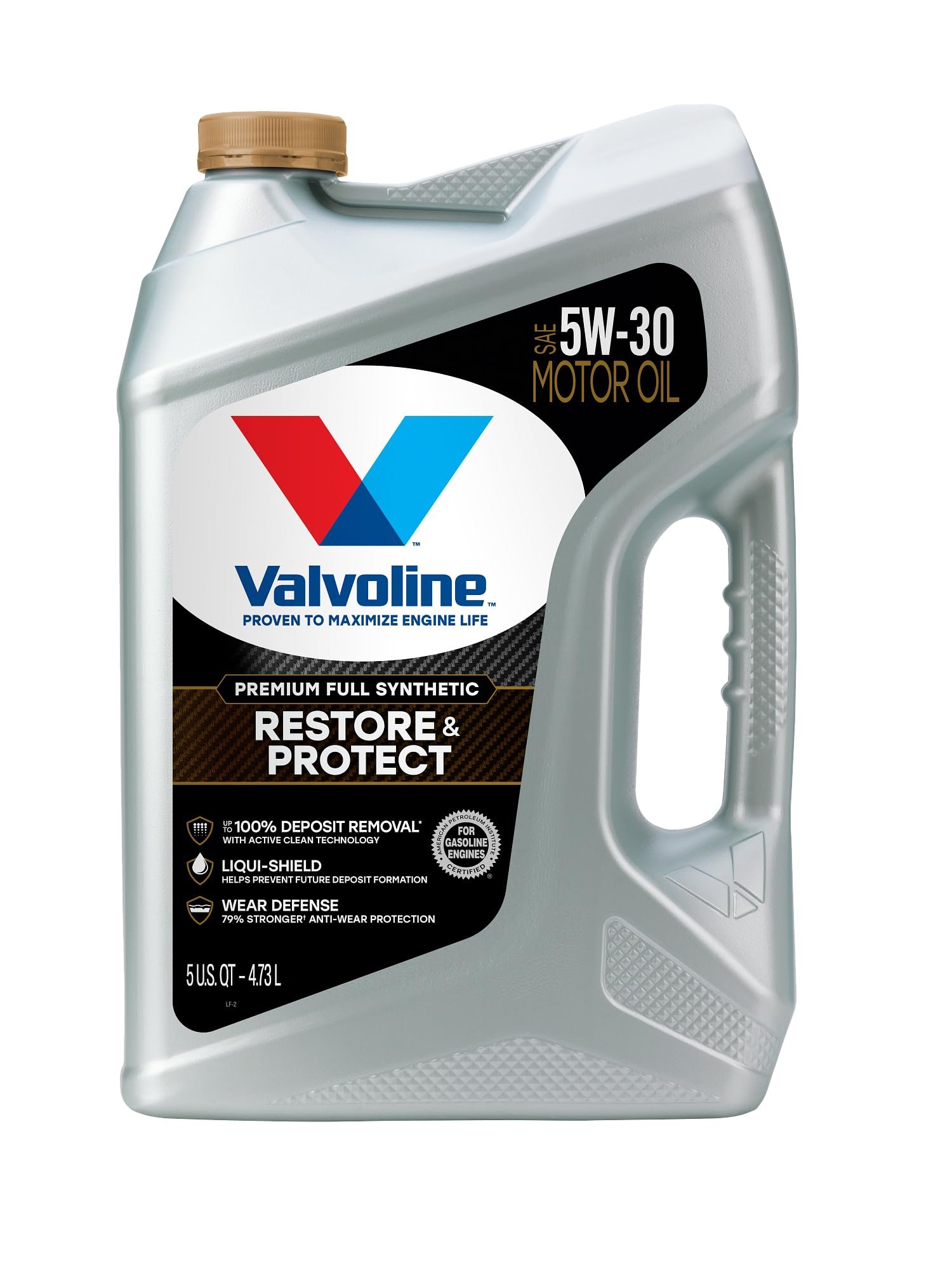
Valvoline Restore & Protect
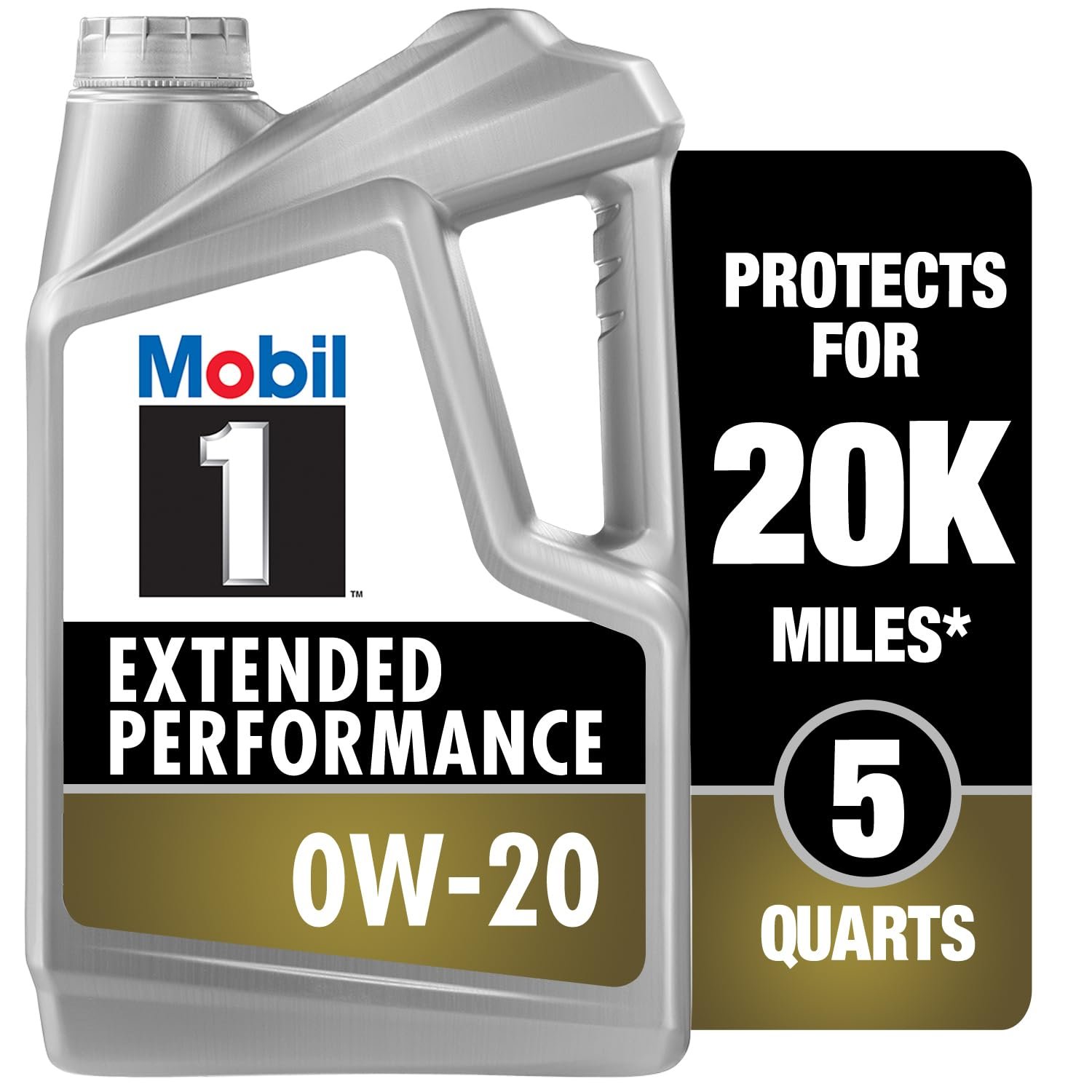
Mobil 1 Extended Performance
Choosing the right motor oil feels like a high-stakes decision. It’s the lifeblood of your engine, and the wrong choice can mean poor performance, increased wear, or even costly damage down the line. Two titans in this space are Valvoline Restore & Protect and Mobil 1 Extended Performance. Both promise superior protection and cleanliness, but they take fundamentally different approaches. One markets itself as an active restorer for aging engines, while the other focuses on extreme longevity for modern vehicles. This isn’t just a spec sheet comparison; it’s about understanding which oil will genuinely serve your specific car, truck, and driving style best. After analyzing technical data, real customer experiences, and the core philosophies behind each formulation, we’re going to settle the debate once and for all.
This comparison matters more than ever. Modern engines are tighter, more efficient, and often require specific oil chemistries to protect things like turbochargers and gasoline direct injection (GDI) systems. At the same time, the average vehicle on the road is over 12 years old, meaning many of us are managing engines with significant miles and accumulated wear. You need an oil that doesn’t just lubricate but actively solves the problems your particular engine faces. Is your priority bringing an old workhorse back to life, or maximizing drain intervals in a new commuter? We’ll break down everything you need to know, from viscosity and certification to real-world performance and value, so you can make a confident, informed choice.
In-Depth Look: Valvoline Restore & Protect
Let’s start with the challenger that’s making serious waves. Valvoline Restore & Protect (often abbreviated VRP) isn’t just another synthetic oil. It’s positioned as a therapeutic treatment for your engine, a “first” in its category according to Valvoline. The core promise is active restoration—it doesn’t just prevent deposits; it works to remove existing ones that are likely causing problems like reduced compression, oil consumption, and poor performance. This is a bold claim, and the technology behind it is what sets it apart.
The magic lies in two proprietary systems. First, Active Clean Technology. This is where the “restore” happens. According to Valvoline’s testing (Adapted Sequence IIIH), continuous use of VRP can remove up to 100% of piston deposits. Think about that. If you’ve ever had an older car that burns a little oil or feels a bit sluggish, those are often symptoms of ring pack carbon buildup. This technology is designed to slowly dissolve those deposits, allowing the piston rings to reseat against the cylinder wall, which can dramatically reduce oil burning and restore lost compression. The second part is Liqui-Shield Technology. This is the “protect” component. It helps prevent new deposits from forming on critical surfaces, creating a shield against future sludge and varnish.
Beyond the restoration story, VRP backs it up with serious protection numbers. It boasts 79% stronger anti-wear protection than the industry standard GF-6 qualified oil. That’s not a minor bump; that’s a significant engineering leap. It uses a robust additive package to create a superior film between metal surfaces, minimizing friction not just for wear but also to help improve fuel economy. This makes it a strong contender for anyone concerned about longevity, especially in vehicles with higher mileage or those that see severe service—towing, dusty conditions, frequent short trips.
From a certification standpoint, VRP is fully certified and then some. It meets or exceeds all requirements of ILSAC GF-6A, API SP, API SN with SN PLUS, and all preceding categories. This means it’s perfectly suited for the latest engines with GDI and turbochargers, which have stringent requirements for LSPI (low-speed pre-ignition) and timing chain wear protection. It’s also “Resource Conserving,” which is a specific fuel economy certification. The fact that it’s American-made and comes from Valvoline, a brand with over 150 years of history, adds a layer of trust for many consumers.
Pros of Valvoline Restore & Protect
- Active Deposit Removal: The unique selling proposition. It can genuinely help clean a slightly neglected engine over time, potentially improving performance and reducing oil consumption.
- Exceptional Wear Protection: The 79% stronger anti-wear claim is backed by testing and is a major advantage for longevity, especially in older or high-stress engines.
- Versatility: Marketed as the best oil for “any age vehicle.” It has the modern certifications for new cars but the cleaning power for older ones.
- High-Mileage Friendly: While not explicitly a “high-mileage oil” with extra conditioners, its cleaning and protective qualities make it a favorite in the community for engines with 150k+ miles.
- Strong Brand Heritage: Valvoline’s long history in lubricants provides consumer confidence.
Cons of Valvoline Restore & Protect
- Standard Drain Interval: It does not carry an extended drain interval claim. You must change it according to your vehicle manufacturer’s recommendation (typically 5,000-10,000 miles), which can be a downside for those wanting maximum convenience.
- Viscosity Availability: This specific listing is 5W-30. While VRP is available in other viscosities, its most famous formulation is 5W-30. If your new car calls for 0W-20, you’d need to check if VRP offers that specific grade, which is less common.
- Potential for “Cleaning” Side Effects: In engines with extremely heavy, caked-on deposits, the active cleaning could theoretically dislodge large chunks of sludge. This is rare with modern oils and regular maintenance, but it’s a consideration for engines that have gone many years without an oil change.
What Real Customers Are Saying
Customer reviews for Valvoline Restore & Protect are passionate and often read like testimonials. The most common theme is dramatic improvement in older, high-mileage engines.
“This oil does exactly what Valvoline says it does. Ring packs slowly become cleansed of carbon and the rings finally loosen up and operate as designed thus greatly reducing oil consumption. After using this oil for two cycles I switched to a more expensive syn oil and found that I lost fuel efficiency and general drivability. So I switched back to VRP and my Infiniti FX45 is running like a Swiss watch with improved mpg. VRP might just be the greatest engine oil ever formulated.”
This review highlights the restoration effect. The user noticed improved fuel economy and drivability after returning to VRP, suggesting it kept the engine cleaner and running more efficiently than a premium “regular” synthetic. The mention of “two cycles” (likely two oil change intervals) underscores that the cleaning is a gradual process.
“After 30 years of testing oils in everything from trucks to toys, I can say Valvoline Restore & Protect 5W-30 is my new go-to. Threw it in my 2003 Sequoia with 340k miles, and the motor runs quiet, smooth, and happy — like it’s got new life. Full synthetic, easy to pour, and high-mileage-friendly, this oil feels like it actually protects the engine instead of just lubricating it. If your old Toyota needs TLC, this is the oil to trust — I’m never looking back.”
This is the quintessential high-mileage user. With 340,000 miles, the engine is in the “needs TLC” category. The reviewer’s 30 years of experience adds weight. The phrases “runs quiet, smooth, and happy” and “got new life” are exactly what VRP aims to deliver for worn engines. It’s not just about preventing future damage; it’s about rehabilitating the present.
Who Should Buy Valvoline Restore & Protect?
Valvoline Restore & Protect is the clear winner for you if:
- You own a vehicle with over 100,000 miles, especially one that shows signs of wear like increased oil consumption, minor smoke, or reduced performance.
- You suspect or know your engine has carbon buildup (common in GDI engines) and want an oil that actively works to clean it over time.
- You prioritize engine longevity and wear protection above all else, and you follow a standard oil change interval.
- Your vehicle requires 5W-30 (or you can find the VRP viscosity your manual calls for).
- You want a powerful, American-made oil with a strong heritage and a unique, results-oriented formula.
It is less ideal if your vehicle manufacturer mandates a strict 0W-20 viscosity (though check VRP availability) or if you desire the ultimate convenience of a guaranteed 20,000-mile drain interval.
In-Depth Look: Mobil 1 Extended Performance
Mobil 1 Extended Performance represents a different philosophy: maximum endurance and convenience. It’s engineered not just for peak protection but for extended drain intervals—up to 20,000 miles under the right conditions. This is a major selling point for people who want to reduce maintenance frequency, lower long-term costs, or who drive vehicles with oil life monitoring systems that can accommodate longer intervals. The promise is that you get Mobil 1’s legendary performance and protection, but it lasts significantly longer between changes.
The technology at play is the Triple Action+ Formula. This is Mobil’s proprietary blend designed to deliver on three fronts: engine performance, protection, and cleanliness, with the “+” signifying the added benefit of extended drain capability. It’s a finely balanced formulation. The base stock is a high-quality full synthetic, and the additive package is tuned to resist oxidation and thermal breakdown much longer than a standard synthetic oil. Oxidation is the enemy—it causes oil to thicken, form acids, and lose its protective properties. By controlling oxidation, Mobil 1 Extended Performance maintains its viscosity and chemical integrity for the full 20,000 miles.
It’s crucial to understand that the 20,000-mile claim is not a blanket statement. Mobil 1 states it “helps protect critical engine parts for up to 20,000 miles between oil changes” and the asterisk leads to conditions: “*Based on internal testing. Actual oil life determined by engine manufacturer’s recommendation, driving conditions, and oil analysis.” This means you must follow your vehicle’s oil life monitor if it has one, and severe driving conditions (lots of short trips, extreme temperatures, dusty environments, towing) will shorten that interval. But for highway commuters in moderate climates, it’s a realistic and valuable benefit.
Like Valvoline, Mobil 1 Extended Performance meets or exceeds the latest standards: ILSAC GF-6, API SP. This ensures it has the chemistry to protect modern turbocharged GDI engines from LSPI and timing chain wear. It also provides excellent internal engine heat protection (up to 500°F) and cold-temperature protection (to -40°F), making it a robust all-weather performer. The 0W-20 viscosity in this listing is the most common for newer vehicles from Honda, Toyota, Ford, and others seeking maximum fuel efficiency.
Pros of Mobil 1 Extended Performance
- Extended Drain Interval: The headline feature. The potential for 15,000-20,000 mile intervals saves time, money on oil/filters, and reduces waste.
- Unmatched Brand Reputation: Mobil 1 is arguably the most recognized and trusted synthetic oil brand in the world, with a long history of factory-fill and motorsport success.
- Excellent All-Around Protection: It consistently ranks at the top in independent tests for wear protection, sludge prevention, and high-temperature stability.
- Perfect for Modern Vehicles: The 0W-20 viscosity and GF-6/API SP certifications make it an ideal match for most 2018+ cars and trucks that specify this lightweight oil for fuel economy.
- Wide Availability: You can find Mobil 1 Extended Performance at virtually any auto parts store, big-box retailer, or online.
Cons of Mobil 1 Extended Performance
- Price: It is typically one of the most expensive oils on the market. The extended interval helps offset cost, but the upfront per-quart price is high.
- Not a “Restorative” Oil: It’s designed to maintain cleanliness and prevent deposits, not actively clean up existing heavy deposits. It won’t “restore” an old, sludged engine in the way VRP aims to.
- Viscosity Specificity: This listing is 0W-20. If your vehicle requires 5W-30, 10W-30, or another viscosity, you need to find the specific Mobil 1 Extended Performance variant, which may not be as readily available in all grades.
- Drain Interval Caveats: The 20,000-mile claim is the maximum under ideal conditions. Many drivers, especially those with “severe” driving habits, will not achieve this and may be better off with a standard 10,000-mile interval synthetic.
What Real Customers Are Saying
Reviews for Mobil 1 Extended Performance are overwhelmingly positive and focus on reliability, consistency, and meeting the extended drain promise.
“I’ve been running Mobil 1 (standard full syn) for over 25 years, in about 14 different vehicles… and I’ve never had a engine or component failure due to oil… including 3 trucks that went over 200K. It’s good oil. I’m sure there are a few better ones out there, but Mobil 1 is consistent, available, and priced well for what it is. It is certainly better than some others…”
This review speaks to the brand’s legendary reliability. The user’s 25-year, 14-vehicle history is compelling anecdotal evidence. The key words are “consistent” and “available.” For many, Mobil 1 is the default, no-thinking-required choice because it has never let them down. The “priced well for what it is” acknowledges the premium but justifies it with proven performance.
“I use Mobil 1 Advanced Fuel Economy full synthetic in my Toyota 4Runner and it’s been great. The engine runs smooth, starts up easily, and I’ve never had any issues between oil changes. It’s one of those “not exciting but important” purchases that I don’t mess around with. What I like: • Smooth, consistent performance in my 4Runner • Easy cold starts • Reliable quality and easy to find • Gives me peace of mind for regular maintenance I’ve used this for multiple oil changes and plan to keep sticking with it.”
This review perfectly captures the “set it and forget it” mentality. The user values smooth operation, easy starts, and peace of mind. The oil isn’t “exciting”; it’s a dependable workhorse. The mention of “Advanced Fuel Economy” (a related Mobil 1 variant) shows users often shop the brand family. The emphasis on “regular maintenance” and multiple oil changes indicates trust built over time.
Who Should Buy Mobil 1 Extended Performance?
Mobil 1 Extended Performance is your best choice if:
- You own a modern vehicle (2018+) that specifies 0W-20 or another approved viscosity for fuel economy.
- You want to maximize the time between oil changes and are comfortable following a 15,000-20,000 mile interval (or your oil monitor allows it).
- You value brand reputation, consistency, and wide availability above niche features.
- Your driving is mostly highway or moderate, not severe (lots of short trips, extreme temps, towing).
- You are willing to pay a premium upfront for the convenience and potential long-term savings of fewer changes.
It is less ideal for classic cars, very high-mileage engines with consumption issues, or vehicles that require a different viscosity grade not offered in the Extended Performance line.
Head-to-Head Comparison
Now, let’s put them in the ring and see how they stack up across the key categories that matter to you.
Performance & Engine Cleaning
This is the most fundamental difference. Valvoline Restore & Protect is explicitly designed as a restorative oil. Its Active Clean Technology is an aggressive detergent system aimed at dissolving existing piston and ring deposits. If your engine has 150,000+ miles and you’ve noticed it burning a little oil or feeling a bit less responsive, VRP is engineered to address that. It’s a treatment that you use over one or two oil change intervals to gradually clean the engine from the inside. The goal is to improve compression and reduce oil consumption by freeing stuck rings. In contrast, Mobil 1 Extended Performance is a preventative oil. Its Triple Action+ Formula is superb at keeping an engine clean and preventing sludge and varnish from forming in the first place. It maintains exceptional cleanliness but does not have the same aggressive, deposit-removing focus as VRP. For a well-maintained engine, both will keep it clean. For an engine with existing buildup, VRP has a targeted therapeutic advantage. If you want to know about other oils with strong cleaning properties, our comparison of Liqui Moly vs Valvoline delves into another high-performance cleaner.
Wear Protection & Longevity
Both oils offer outstanding wear protection, but they tout it differently. Valvoline makes a quantitative claim: 79% stronger anti-wear protection than the GF-6 baseline. This is a significant margin and suggests their anti-wear additive package (likely zinc/phosphorus and other chemistries) is exceptionally robust. This is a huge selling point for anyone who plans to keep an engine for the long haul or subjects it to stress. Mobil 1’s strength is in its overall balanced protection and thermal stability. Its base stock and additives are top-tier, providing excellent film strength across a wide temperature range. In real-world terms, both will protect your engine far better than a conventional oil. However, if you have an older engine with slightly larger clearances or high-mileage concerns, the extra margin of VRP’s anti-wear boost might provide more peace of mind. For a tight, modern engine, both are more than sufficient.
Viscosity & Fuel Economy
This is a straightforward difference based on the specific products listed. Valvoline Restore & Protect here is 5W-30. Mobil 1 Extended Performance here is 0W-20. These are not interchangeable. Your owner’s manual dictates the required viscosity. 0W-20 is thinner when cold, which can improve fuel economy slightly (by reducing internal friction during warm-up) and is common in newer vehicles designed for maximum efficiency. 5W-30 is a slightly thicker winter grade that is still very fuel-efficient but is often specified for a broader range of vehicles, including many older ones and some that require a bit more high-temperature viscosity. Using the wrong viscosity can harm your engine. The “Resource Conserving” badge on both indicates they are formulated for fuel economy, but 0W-20 generally has a slight edge in official EPA testing for newer cars. Always, always use the viscosity your manufacturer calls for. You can learn more about the importance of viscosity in our guide to engine oil treatments.
Drain Interval & Value
Here is where Mobil 1 Extended Performance has a clear, defining advantage: the up to 20,000-mile drain interval. This is a game-changer for convenience and potentially cost. Let’s do a simplified math check. A 5-quart jug of Mobil 1 Extended Performance 0W-20 might cost $45. A 5-quart jug of Valvoline Restore & Protect 5W-30 might cost $35. If you change oil every 7,500 miles (a common standard interval), over 30,000 miles you’d buy 4 jugs of Valvoline (~$140) and 2 jugs of Mobil 1 (~$90). Even with the higher per-jug cost, Mobil 1’s extended interval can make it cheaper in the long run, not to mention saving you time and hassle. However, you must be able to actually go 15,000-20,000 miles between changes. If your driving is severe or your car’s computer calls for an oil change at 5,000 miles, you lose that advantage, and Valvoline becomes the better value. Value is not just price per quart; it’s protection per mile.
Compatibility & Certifications
On paper, they are very similar. Both are fully certified to the latest ILSAC GF-6A and API SP standards. This means they are both safe and recommended for the newest engines with gasoline direct injection and turbochargers. They both carry the “Resource Conserving” designation. The key difference in compatibility is the viscosity. 0W-20 is primarily for newer models (2018+ from most manufacturers). 5W-30 has a much broader historical application, fitting vehicles from the late 1990s through many current models that don’t require 0W-20. If you have a 2015 or older vehicle, 5W-30 is far more likely to be the correct spec. Always check your owner’s manual. For a deep dive into how Mobil 1 stacks up against other brands, check out our brutally honest review of Mobil 1 vs Shell Rotella.
Brand Reputation & Trust
Mobil 1 is the gold standard in synthetic motor oil. It’s the oil used by countless factory race teams, it’s a common factory fill in high-performance cars, and its marketing is ubiquitous. The brand carries immense weight and a reputation for unwavering quality. Valvoline is also a historic, trusted brand (the first advertiser on national radio!), but it doesn’t have the same “premium synthetic” halo that Mobil 1 has cultivated for decades. However, VRP is a premium product that is challenging that perception. The Valvoline brand is incredibly strong in the high-mileage and “restorative” segment, where it has a formidable reputation. Think of it this way: Mobil 1 is the trusted, consistent expert. Valvoline Restore & Protect is the innovative specialist with a groundbreaking new treatment.
Frequently Asked Questions
Q: Can I use Valvoline Restore & Protect in a new car under warranty?
A: Yes, absolutely. Valvoline Restore & Protect meets or exceeds all the specifications your manufacturer requires (ILSAC GF-6A, API SP, etc.). Using it will not void your warranty. In fact, using an oil with strong anti-wear and cleanliness properties from day one can be beneficial. The “active clean” technology is safe for new engines; it just won’t have much to clean, so it will operate primarily as a high-level protectant and keep-clean oil. It’s an excellent choice for a new car’s first oil change if you want maximum wear protection.
Q: Is the 20,000-mile interval for Mobil 1 Extended Performance safe for all cars?
A: No, it’s not a universal guarantee. The “up to 20,000 miles” claim is based on ideal conditions and normal driving. You must follow your vehicle’s oil life monitoring system if it has one. For severe driving (defined as frequent short trips under 10 miles, extremely hot or cold temps, dusty conditions, sustained high-speed driving, or towing), you should stick to a 7,500-10,000 mile interval. The oil itself can last that long, but your engine’s operating conditions may generate more contaminants, requiring more frequent changes. Never exceed the interval recommended by your car’s manufacturer.
Q: My car burns a little oil. Which oil is better?
A: For an engine that is consuming oil (burning it and needing top-ups), Valvoline Restore & Protect is likely the better choice. The most common cause of oil consumption in higher-mileage engines is worn or stuck piston rings that cannot properly scrape oil off the cylinder wall. VRP’s Active Clean Technology is specifically designed to remove deposits from ring packs, allowing them to move more freely and reseat better. This can significantly reduce oil consumption. While Mobil 1 is an excellent oil, it does not have this specific restorative focus on ring deposits.
Q: Can I switch between these oils?
A: Yes, you can switch. Both are full synthetic, meet the same industry certifications, and are compatible with each other. You can safely switch from one to the other at your next oil change. There is no need for a “flush” or special procedure. However, if you are using VRP for its restorative effects on an old engine, you would want to use it consistently for at least two full drain intervals (10,000-15,000 miles) to allow the cleaning chemistry to work effectively. Switching after one interval might interrupt that process.
Q: Which oil is better for a turbocharged engine?
A: Both are excellent for turbocharged engines. They both meet the ILSAC GF-6A standard, which includes specific tests for LSPI protection (critical for turbo GDI engines) and timing chain wear. The choice comes down to your other priorities. If the turbo engine is in a newer car (2019+) that calls for 0W-20, Mobil 1 Extended Performance is the direct, perfect-fit choice. If it’s in a slightly older turbo vehicle (like a 2012-2017 EcoBoost or a turbo from the previous decade) that uses 5W-30, Valvoline Restore & Protect is a fantastic option, especially if the engine has higher miles. Both provide the high-temperature stability needed for turbochargers.
Q: Is one “better” than the other overall?
A: There is no single “better” oil. There is only the better oil for your specific situation. If your priority is restoring an aging, worn engine and you follow standard drain intervals, Valvoline Restore & Protect is the superior choice due to its unique cleaning technology. If your priority is minimizing maintenance trips in a modern car that specifies 0W-20 and you drive under normal conditions, Mobil 1 Extended Performance is the superior choice due to its proven longevity and convenience. They are both top-tier, full synthetics. The decision hinges on your engine’s age, your manufacturer’s viscosity requirement, and your desired drain interval.
Final Verdict: Which One Should You Choose?
After this deep dive, the path forward is clear. The “winner” is not a universal champion but the product that best aligns with your engine’s needs and your personal maintenance philosophy.
Choose Valvoline Restore & Protect if your engine is a veteran. If it has over 100,000 miles, if it burns or leaks a little oil, if it feels less peppy than it used to, or if you simply want to give an older workhorse the best possible anti-wear shield while gently cleaning out years of carbon buildup, this is your oil. It’s the therapeutic, restorative option. It’s for the enthusiast who sees their car as a long-term keeper and wants to actively improve its health. You will change it at the standard interval, but you’ll be investing in a formula that works to turn back the clock on internal wear. It’s the smart choice for high-mileage Toyotas, Fords, Chevys, and imports that need a little help. Check the current price for Valvoline Restore & Protect on Amazon.
Choose Mobil 1 Extended Performance if your engine is modern and your time is valuable. If you drive a 2018 or newer car that calls for 0W-20, if you want to maximize the time between oil changes (and your driving isn’t severe), and if you desire the peace of mind that comes with the world’s most recognized synthetic oil brand, this is your oil. It’s the convenient, “set it and forget it” option that delivers consistent, high-level protection with the ability to go 15,000-20,000 miles between changes. It’s for the commuter, the family hauler, and the person who wants factory-level quality with minimal maintenance hassle. Check the current price for Mobil 1 Extended Performance on Amazon.
Ultimately, you cannot go wrong with either. Both are formulated to the highest standards and will protect your engine excellently. This decision is about matching a specific advanced technology to your specific need: active restoration versus extended endurance. Listen to your engine’s story—is it a seasoned veteran needing rejuvenation, or a modern machine needing reliable, long-haul protection? The answer will point you to the right bottle.