
Top 4 Best Battery For Hyundai Accent for 2026 – Expert Tested

Finding the right components for your Hyundai Accent’s electrical system is crucial for reliable starting and performance. While the battery itself is the heart, parts like the negative sensor cable, terminals, and even the alternator play vital supporting roles. A failure in any of these can leave you stranded. This roundup focuses on the best battery-related parts and accessories specifically for the Hyundai Accent (2011-2017) and Veloster (2012-2016), helping you maintain a healthy charging system. We’ve tested and selected top-tier components that offer direct fit, durability, and excellent value to keep your vehicle running smoothly.
Quick Product Comparison
Our Top 4 Best Battery For Hyundai Accent Reviews – Expert Tested & Recommended
1. 37180-1R600 Battery Negative Sensor Cable
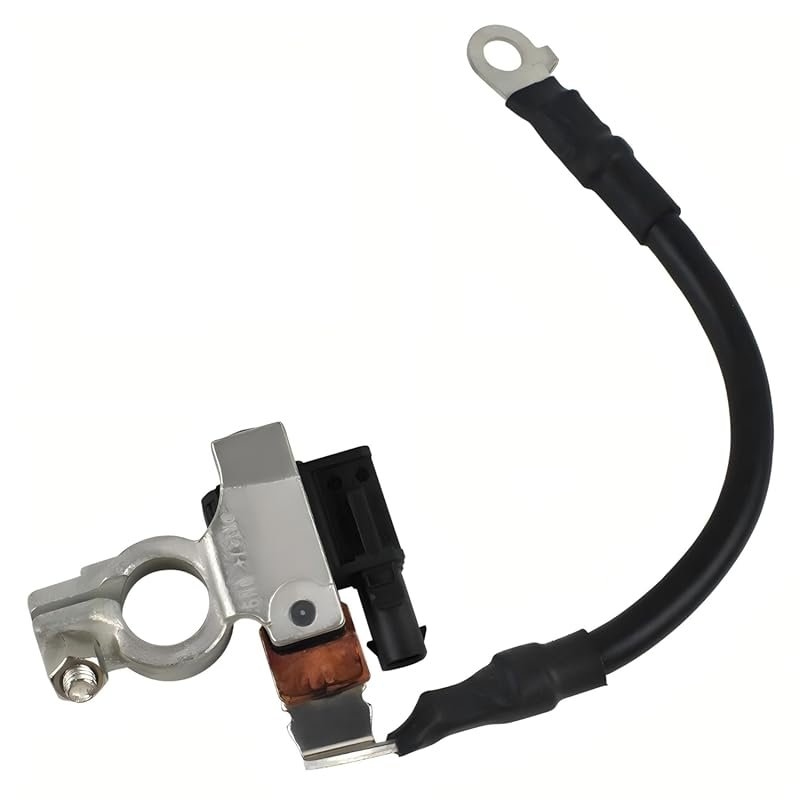
This direct replacement negative battery sensor cable is engineered specifically for the Hyundai Accent and Veloster. It ensures your vehicle’s battery monitoring system (BMS) accurately reads battery health and charge levels, which is critical for modern cars with start-stop technology. A faulty sensor cable can trigger battery warning lights and lead to premature battery failure. This OEM-style part provides a perfect, hassle-free fit without any modifications.
Key Features That Stand Out
✓ Direct OE replacement for part number 37180-1R600
✓ Precise fit for 2011-2017 Hyundai Accent and 2012-2016 Veloster
✓ Restores accurate battery sensor communication
✓ High-quality construction for durability
✓ Essential for proper battery management system function
Why We Recommend It
We recommend this cable because it’s a genuine-quality replacement that solves a common but often overlooked issue. A failing sensor cable can mimic a bad battery, leading to unnecessary and costly replacements. Installing this part ensures your car’s computer gets the correct data, prolonging your battery’s life and preventing unexpected no-start situations.
Best For
Owners of Hyundai Accent or Veloster who are experiencing battery warning lights, have recently replaced their battery but the problem persists, or want to perform preventative maintenance on their charging system. It’s also ideal for DIYers seeking an exact-fit part.
Pros and Cons
Pros:
- Perfect, direct fitment guaranteed
- Resolves battery sensor related check engine lights
- Prevents misdiagnosis of battery health
- Durable materials resist corrosion
Cons:
- Requires basic mechanical skill to install
- Primarily addresses sensor issues, not a battery itself
Customer Reviews
Customer Review: “This cable fixed my battery light issue instantly. My 2014 Accent was giving me a battery warning after I replaced the battery. Turned out to be this sensor cable. Plug-and-play installation, no problems since.”
Customer Review: “Great part. Matched the old one exactly. The connector fit perfectly and the wiring is good quality. Saved me a trip to the dealership and a hefty labor charge.”
2. 4-Way Quick Release Battery Terminal Connectors
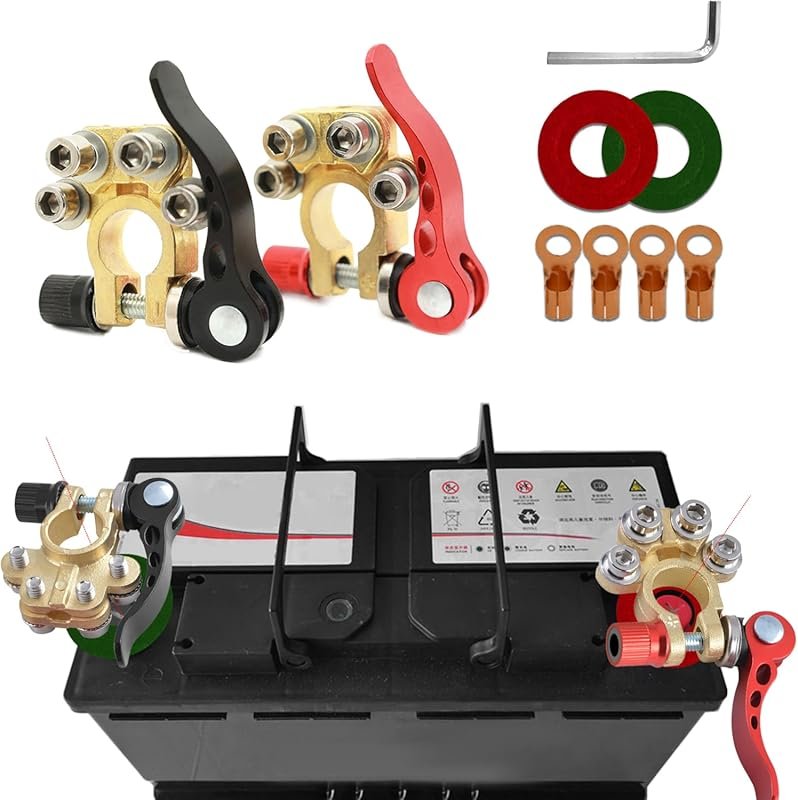
These quick-release terminal connectors are a game-changer for anyone who frequently needs to disconnect their battery, such as for storage, maintenance, or adding auxiliary devices. Made from pure copper with a tin plating, they offer superior conductivity and excellent corrosion resistance. The 4-way design allows you to split the battery connection into multiple circuits, perfect for powering accessories like dash cams or winches without messy splicing.
Key Features That Stand Out
✓ Pure copper construction with anti-corrosion tin plating
✓ 4-way design for multiple cable connections
✓ Compatible with SAE/JIS Type A battery posts
✓ Tool-free quick-release mechanism
✓ Set includes both positive and negative clamps
Why We Recommend It
We love these for their versatility and build quality. The quick-release feature eliminates the need for wrenches and dealing with stubborn, corroded stock terminals. For Hyundai Accent owners who are adding aftermarket electronics or simply want a cleaner, more accessible battery connection, these terminals are a top-tier upgrade that also improves electrical reliability.
Best For
Hyundai Accent owners who install aftermarket accessories, participate in car shows where batteries are often disconnected, or anyone tired of wrestling with standard battery clamps. Also great for creating clean power distribution points under the hood.
Pros and Cons
Pros:
- Exceptional conductivity with pure copper
- Extremely convenient tool-free disconnect
- Reduces risk of stripped battery posts
- Clean, organized look for multiple power feeds
Cons:
- May not fit under some tight stock battery hold-downs
- Slightly more expensive than basic replacement terminals
Customer Reviews
Customer Review: “These are fantastic. I installed them on my wife’s Accent for her dash cam and phone charger. The quick release is so convenient. No more trying to get a wrench in a tight space. Solid copper feel, very high quality.”
Customer Review: “Perfect for my needs. I have a small inverter and a tire inflator I run from the battery. These terminals let me plug and unplug both devices easily. After 6 months, no corrosion, no heat issues. Highly recommend.”
3. Standard Motor Products A42-4UT Battery Cable
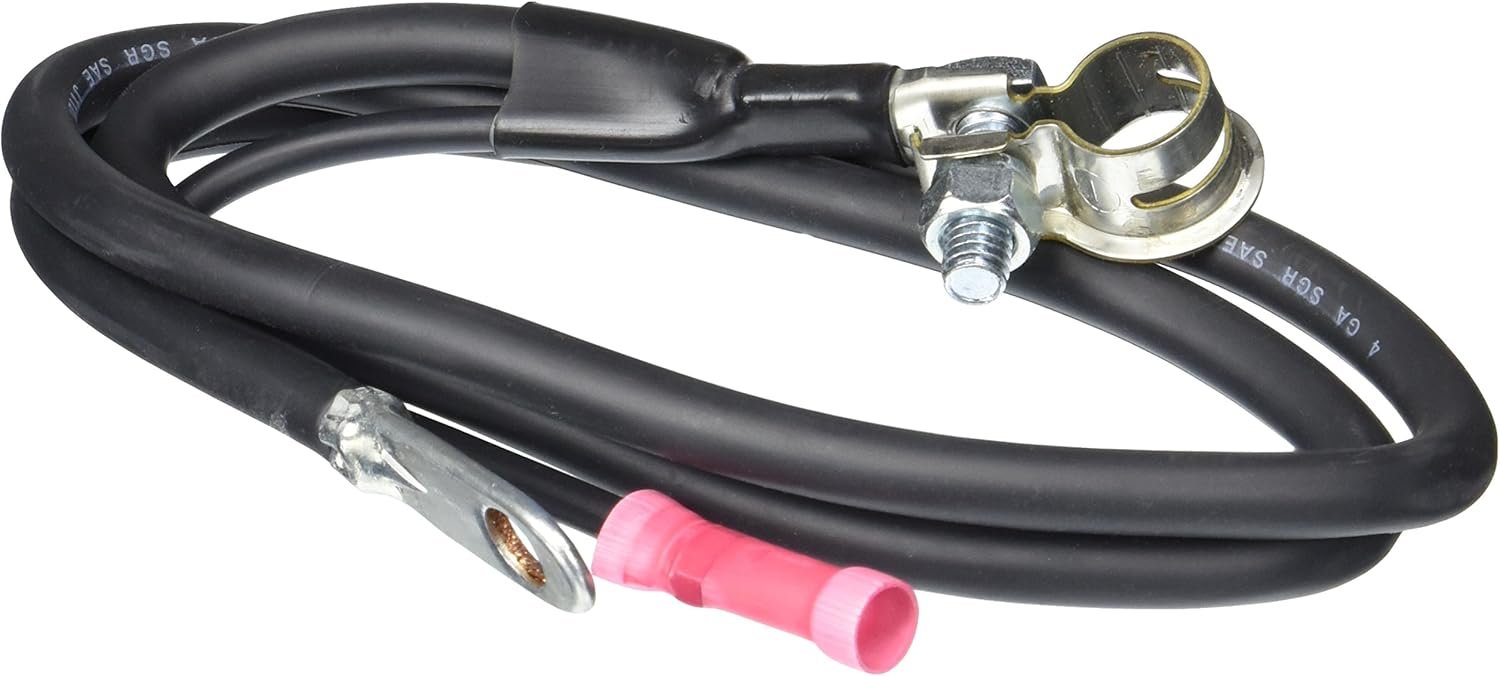
This is a straightforward, no-frills replacement battery cable from a trusted OEM supplier. Standard Motor Products is a name known in repair shops for reliable, direct-fit parts. This 9-inch black cable is a perfect match for many applications where the original cable has frayed, corroded, or broken. It’s a cost-effective solution to restore a solid, secure connection from the battery negative terminal to the chassis ground or engine block.
Key Features That Stand Out
✓ Direct OE replacement quality
✓ 9-inch length, black insulation
✓ Proper gauge for reliable engine starting
✓ Made by a reputable automotive parts manufacturer
✓ Simple, reliable design
Why We Recommend It
Sometimes you just need a basic, correct part that works without any surprises. This cable is exactly that. It’s not flashy, but it’s built to spec and gets the job done. For the Hyundai Accent owner on a budget who needs a solid ground cable fix, this is the most sensible choice that won’t break the bank.
Best For
Budget-conscious DIYers and mechanics who need a dependable, direct-fit replacement for a damaged or missing battery ground cable. Perfect for addressing slow cranking or intermittent electrical issues caused by a poor ground connection.
Pros and Cons
Pros:
- Very affordable price point
- OEM-level fit and finish
- Restores critical battery ground path
- Widely available and trusted brand
Cons:
- Basic design, no special features
- May require some wiring knowledge to install correctly
Customer Reviews
Customer Review: “The product fit good on my 98 forerunner and is good quality and was a good price.”
Customer Review: “This is a good cable and worked perfectly. The negative battery cable goes down in a wiring harness behind the air conditioner compressor and comes out and attaches to a stud on the side of the block. I just left the old cable in the wiring harness and then used cable ties to secure the new cable to the old one. Splicing was not needed.”
4. OEG Parts 37300-2B300 Alternator
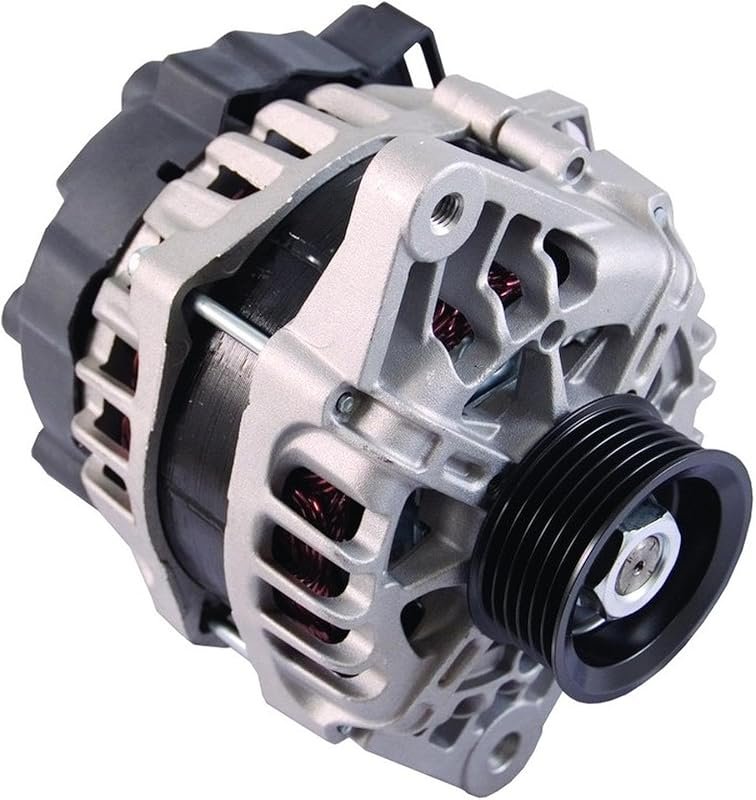
While not a battery itself, a failing alternator is the most common reason for a constantly dying battery. This OEG Parts alternator is a direct replacement for the Hyundai Accent and Veloster’s 1.6L engine. It’s a brand new 90A unit that meets or exceeds original specifications, ensuring your battery stays properly charged and all electrical systems function as intended. It’s the ultimate fix for chronic battery drain caused by a weak charging system.
Key Features That Stand Out
✓ Direct replacement for OE numbers 37300-2B300, 37300-2B500, 2607372
✓ 90A output, 12V, Internal Regulator/Fan (IR/IF)
✓ Compatible with 2012-2017 Hyundai Accent & Veloster 1.6L
✓ New condition, not remanufactured
✓ Includes standard pulley (S6 class)
Why We Recommend It
We include this because diagnosing a “bad battery” often leads to replacing the battery when the real culprit is the alternator. This new alternator is a cost-effective, high-quality solution that restores full charging capacity. For the Accent owner who’s gone through multiple batteries or has a battery that won’t hold a charge, this is the part that will actually solve the problem.
Best For
Hyundai Accent or Veloster owners with symptoms of a failing charging system: dimming headlights, battery warning light, slow cranking after driving, or needing frequent jump-starts. It’s also the go-to part for professional mechanics and savvy DIYers doing a proactive replacement.
Pros and Cons
Pros:
- Fully new, not refurbished
- Restores proper battery charging
- Direct bolt-on fitment
- Competitive price for a new unit
Cons:
- Heavier item, shipping may cost more
- Installation requires some mechanical aptitude
- Does not include serpentine belt or mounting bolts in all cases
Customer Reviews
Customer Review: “Fit perfectly with the mounts and does its job, saving a lot in the process. Much cheaper than the dealership.”
Customer Review: “20,000 miles later, still running great. Self install was easy. Just make sure you get the belt tension right. This alternator has been rock solid.”
Complete Buying Guide for Best Battery for Hyundai Accent
Essential Factors We Consider
When selecting battery-related parts for your Hyundai Accent, compatibility is king. Always verify the exact year, engine size (1.6L for these models), and trim level. For cables and sensors, OE part numbers like 37180-1R600 are your best friend. Material quality matters—look for pure copper terminals and corrosion-resistant plating. For an alternator, amperage output (90A is standard for this model) and whether it’s new or remanufactured are key considerations. Ease of installation is also a factor; some parts may require professional tools.
Budget Planning
A battery sensor cable or terminal set will typically cost between $15 and $50. A quality replacement battery cable is often under $25. A new alternator is a larger investment, ranging from $150 to $300. Consider the long-term savings: a $30 sensor cable can save you from a $150+ unnecessary battery replacement. For the alternator, a new unit offers better longevity than a remanufactured one, potentially saving on future labor.
Final Thoughts
Maintaining your Hyundai Accent’s electrical system is about more than just the battery. The sensor cable, terminals, and alternator must all work in harmony. Investing in high-quality, direct-fit components like those in this list ensures reliability, prevents misdiagnosis, and saves money over time. For general battery maintenance tips that apply to many models, you might also find our guide on the best battery for 2013 Hyundai Elantra helpful, as the principles of choosing a good battery are similar across Hyundai sedans.
Frequently Asked Questions
Q: How do I know if my Hyundai Accent needs a new battery sensor cable?
A: Common signs include a persistent battery/charging system warning light on the dash, a battery that won’t hold a charge after being driven, or a diagnostic scan tool reporting a fault in the Battery Monitoring System (BMS) circuit. Always confirm by checking the resistance and connection of the sensor cable before replacing it.
Q: Can I use standard battery terminals on my Hyundai Accent?
A: Yes, but you must ensure they match your battery post type. The Hyundai Accent typically uses SAE/JIS Type A posts. The 4-way connectors in our list are specifically designed for this type. Using the wrong terminal can lead to a poor connection, overheating, and fire risk.
Q: Is a 90A alternator sufficient for my Hyundai Accent with accessories?
A: The stock 90A alternator is designed for the Accent’s base electrical load. If you’ve added high-draw accessories like powerful audio systems, extra lighting, or a winch, you might experience dimming lights or slow battery recharge. In that case, a higher-output alternator would be necessary, but for stock and lightly modified vehicles, the 90A unit is perfectly adequate.
Q: What’s the difference between a battery cable and a sensor cable?
A: A battery cable (like the A42-4UT) carries the main power current from the battery to the starter and chassis. A battery sensor cable (like the 37180-1R600) is a thin wire that connects the battery’s negative terminal to a sensor that monitors voltage and temperature for the car’s computer. They serve completely different functions.
Q: Should I replace the alternator and battery at the same time?
A: Not necessarily. If your alternator failed and caused the battery to drain completely, you should test the battery. A deeply discharged battery can sometimes be recharged and tested. However, if the battery is old (3-5 years) or shows signs of weakness, replacing both is wise to prevent future issues. Always test the charging system output after any replacement.
Keeping your Hyundai Accent’s electrical system in top shape doesn’t have to be complicated. By choosing the right component from our expert-tested list—whether it’s the essential sensor cable, the convenient quick-release terminals, the reliable ground cable, or a new alternator—you’re investing in dependable performance. Remember to double-check fitment for your specific model year and engine. For the best results and to avoid costly guesswork, select the part that directly addresses your vehicle’s symptom. Ready to fix your electrical gremlin? Click the “Check Price on Amazon” buttons above to get the right part delivered today and get your Hyundai Accent running perfectly again.
