
What Oil Does a 2017 Nissan Rogue Take?

Your 2017 Nissan Rogue runs best on 0W-20 full synthetic oil, as recommended by Nissan. Using the correct oil ensures fuel efficiency, engine protection, and longevity. Always check your owner’s manual and consider driving conditions when choosing oil.
Key Takeaways
- Recommended Oil Viscosity: The 2017 Nissan Rogue requires 0W-20 motor oil for optimal performance in most climates.
- Synthetic Oil Preferred: Nissan recommends full synthetic oil to protect the engine, improve fuel economy, and extend oil change intervals.
- Oil Change Interval: Under normal driving conditions, change the oil every 5,000 to 7,500 miles; severe conditions may require more frequent changes.
- Check the Owner’s Manual: Always refer to your vehicle’s owner’s manual for the most accurate and up-to-date oil specifications.
- Use API and ILSAC Certified Oils: Ensure the oil meets API SN or newer and ILSAC GF-5 or GF-6 standards for compatibility and performance.
- Consider Driving Conditions: Frequent short trips, towing, or extreme temperatures may require adjustments to oil type or change frequency.
- Professional vs. DIY Oil Changes: While you can change the oil yourself, professional service ensures proper disposal and system checks.
📑 Table of Contents
- What Oil Does a 2017 Nissan Rogue Take?
- Recommended Oil Viscosity for the 2017 Nissan Rogue
- Synthetic vs. Conventional Oil: What’s Best for Your Rogue?
- Oil Specifications and Certifications to Look For
- How Often Should You Change the Oil in a 2017 Nissan Rogue?
- Tips for Choosing the Right Oil and Maintaining Your Rogue
- Common Mistakes to Avoid
- Conclusion
What Oil Does a 2017 Nissan Rogue Take?
If you own a 2017 Nissan Rogue, one of the most important things you can do to keep your SUV running smoothly is using the right motor oil. It might seem like a small detail, but the type of oil you use directly affects your engine’s performance, fuel efficiency, and lifespan. Whether you’re a seasoned car enthusiast or just trying to keep up with routine maintenance, understanding what oil your 2017 Nissan Rogue takes is essential.
The 2017 Nissan Rogue is a popular compact SUV known for its reliability, fuel efficiency, and comfortable ride. Under the hood, it’s powered by a 2.5-liter four-cylinder engine that’s designed to deliver a balance of power and economy. To keep this engine in top shape, Nissan has specific recommendations for motor oil. Using the wrong type can lead to increased wear, reduced fuel economy, and even potential engine damage over time.
In this guide, we’ll walk you through everything you need to know about the oil requirements for your 2017 Nissan Rogue. From the recommended viscosity and oil type to how often you should change it, we’ll cover all the bases. We’ll also discuss the benefits of synthetic oil, how driving habits affect oil life, and tips for choosing the best oil for your vehicle. By the end, you’ll have the knowledge to make informed decisions and keep your Rogue running like new for years to come.
Recommended Oil Viscosity for the 2017 Nissan Rogue

Visual guide about What Oil Does a 2017 Nissan Rogue Take?
Image source: davesoilchange.com
One of the first things to understand about your 2017 Nissan Rogue’s oil needs is viscosity. Viscosity refers to how thick or thin the oil is, and it’s typically expressed as a two-number code like 0W-20. The “W” stands for winter, indicating how the oil performs in cold temperatures, while the second number shows its flow at operating temperature.
For the 2017 Nissan Rogue, Nissan officially recommends using 0W-20 motor oil. This lightweight oil is ideal for modern engines because it flows easily in cold weather, ensuring quick lubrication during startup. At the same time, it maintains the right level of protection when the engine heats up. The 0W-20 viscosity is specifically engineered to meet the demands of the Rogue’s 2.5-liter engine, helping to reduce internal friction and improve fuel efficiency.
You might wonder why Nissan doesn’t recommend a thicker oil like 5W-30 or 10W-30. The answer lies in engine design and efficiency goals. Modern engines, including the one in your Rogue, are built with tighter tolerances and advanced components that perform best with low-viscosity oils. Thicker oils can increase resistance, reduce fuel economy, and even cause the engine to work harder. In contrast, 0W-20 oil helps your Rogue achieve its EPA-estimated fuel economy of up to 26 mpg city and 33 mpg highway.
It’s also worth noting that 0W-20 oil is widely available and used in many late-model vehicles. This makes it easy to find at auto parts stores, dealerships, and even big-box retailers. Just make sure the oil you choose meets the proper industry standards, which we’ll cover in a later section.
Why 0W-20? The Science Behind the Recommendation
The choice of 0W-20 isn’t arbitrary. It’s based on extensive testing by Nissan engineers to ensure optimal engine performance across a range of temperatures and driving conditions. In cold climates, 0W-20 flows quickly to critical engine parts, reducing wear during startup. In warmer weather, it maintains the right film strength to protect moving components.
Additionally, low-viscosity oils like 0W-20 help reduce pumping losses—energy wasted as the engine pushes oil through the system. This translates to better fuel economy, which is a major selling point for the Rogue. In fact, using the correct oil can improve your gas mileage by up to 2% compared to using a thicker oil.
Can You Use Other Viscosities?
While 0W-20 is the recommended oil for the 2017 Nissan Rogue, there may be rare exceptions. For example, if you frequently drive in extremely hot climates or tow heavy loads, your mechanic might suggest a slightly thicker oil like 5W-20. However, this should only be done under professional guidance and with approval from Nissan.
Using a different viscosity without consulting your owner’s manual or a certified technician can void your warranty or cause long-term damage. Stick with 0W-20 unless you have a specific, documented reason to switch.
Synthetic vs. Conventional Oil: What’s Best for Your Rogue?
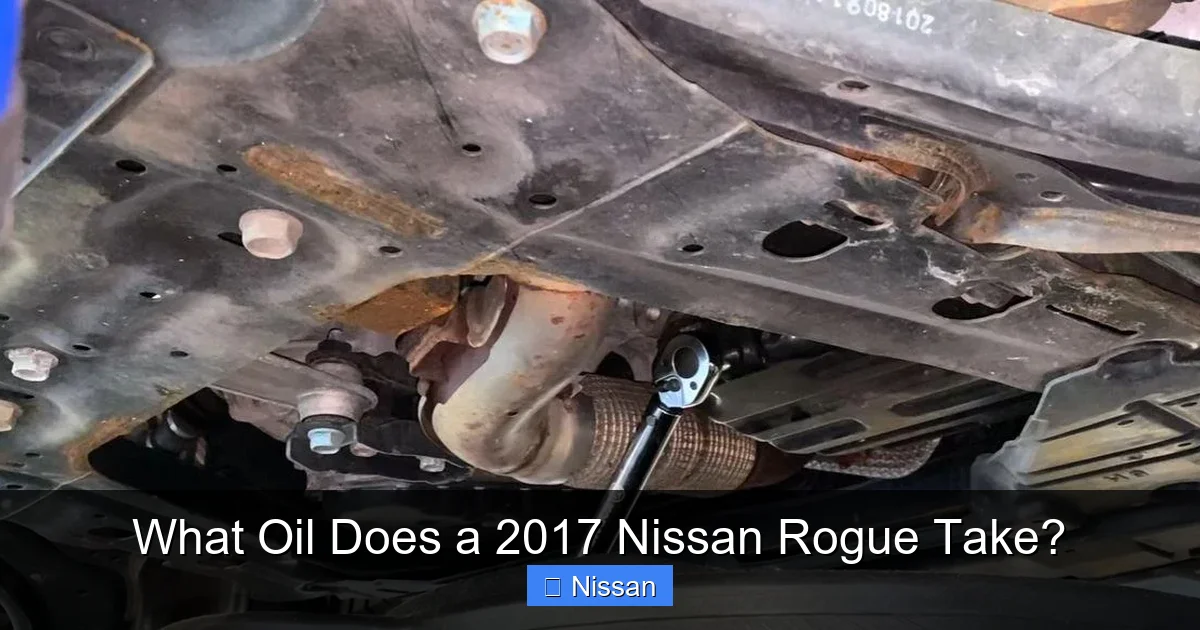
Visual guide about What Oil Does a 2017 Nissan Rogue Take?
Image source: davesoilchange.com
Now that you know the recommended viscosity, the next big question is whether to use synthetic or conventional oil. For the 2017 Nissan Rogue, the answer is clear: Nissan recommends full synthetic oil.
Synthetic oil is engineered in a lab to have a more uniform molecular structure than conventional oil, which is refined from crude oil. This gives synthetic oil several advantages, including better performance in extreme temperatures, improved engine protection, and longer service life.
One of the biggest benefits of synthetic oil is its ability to flow easily in cold weather. This means your engine gets lubricated faster during startup, reducing wear on critical components like the camshaft, pistons, and bearings. In hot conditions, synthetic oil resists breakdown better than conventional oil, maintaining its protective properties even under high stress.
Another advantage is fuel efficiency. Because synthetic oil creates less internal friction, your engine doesn’t have to work as hard. This can lead to a noticeable improvement in gas mileage, especially over time. For a vehicle like the Rogue, which is designed for efficiency, this is a major plus.
Extended Oil Change Intervals
Synthetic oil also allows for longer intervals between oil changes. While conventional oil typically needs to be changed every 3,000 to 5,000 miles, synthetic oil can often go 7,500 to 10,000 miles—depending on driving conditions and the oil brand.
Nissan recommends changing the oil in your 2017 Rogue every 5,000 to 7,500 miles under normal driving conditions. However, if you frequently drive in severe conditions—such as stop-and-go traffic, extreme temperatures, or dusty environments—you may need to change it more often, even with synthetic oil.
Cost Considerations
It’s true that synthetic oil costs more than conventional oil—usually about 30% to 50% more per quart. However, the long-term benefits often outweigh the upfront cost. Better engine protection, improved fuel economy, and fewer oil changes can save you money over the life of your vehicle.
Plus, many auto shops and dealerships offer synthetic oil changes at competitive prices, especially during promotions. Some even include free top-offs or inspections, making it a smart investment.
Oil Specifications and Certifications to Look For
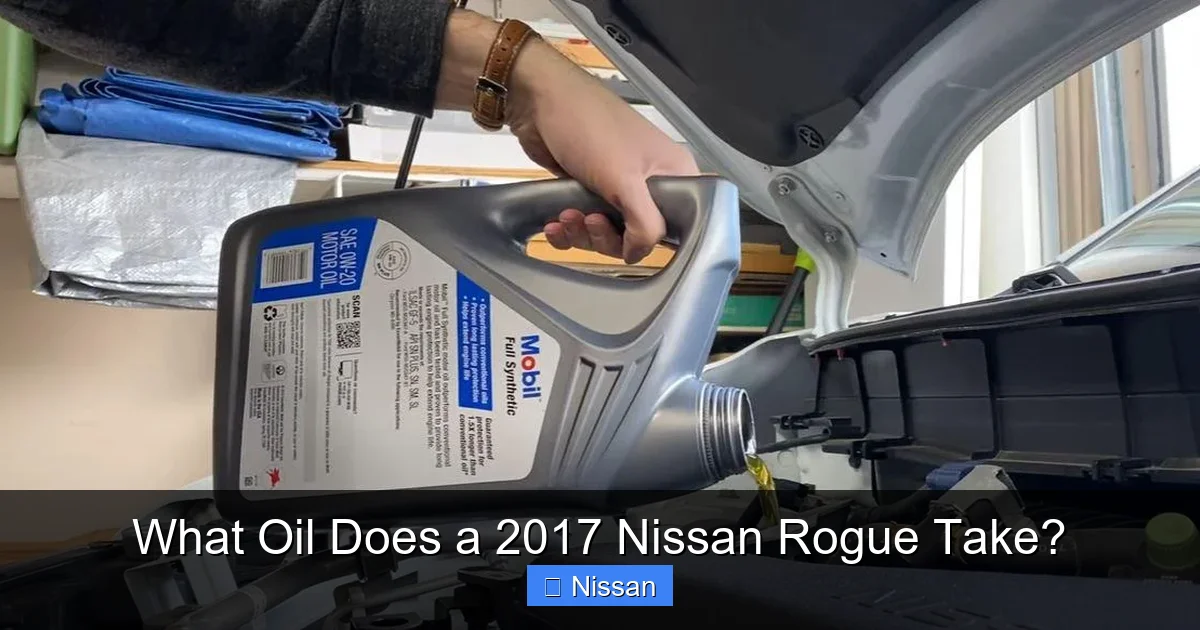
Visual guide about What Oil Does a 2017 Nissan Rogue Take?
Image source: davesoilchange.com
Not all 0W-20 synthetic oils are created equal. To ensure you’re using a high-quality product that meets Nissan’s standards, look for specific certifications on the oil container.
The two most important certifications are API and ILSAC ratings.
The API (American Petroleum Institute) rating indicates that the oil has been tested and approved for use in gasoline engines. For your 2017 Nissan Rogue, look for an API rating of SN or newer. The “SN” rating was introduced in 2010 and includes improvements for engine cleanliness, wear protection, and fuel efficiency.
The ILSAC (International Lubricant Standardization and Approval Committee) rating is another key indicator. ILSAC GF-5 or GF-6 certification means the oil meets strict standards for fuel economy, emissions system protection, and engine durability. Most modern synthetic oils, including those recommended for the Rogue, carry this certification.
What Happens If You Use the Wrong Oil?
Using oil that doesn’t meet these standards can lead to a host of problems. For example, oil that’s too thick can cause poor cold-start performance, while oil that’s too thin may not provide enough protection at high temperatures. Oil that lacks proper additives can lead to sludge buildup, reduced fuel economy, and even engine damage.
In extreme cases, using the wrong oil can trigger the check engine light or cause the vehicle to fail emissions tests. It can also void your powertrain warranty if Nissan determines that improper maintenance contributed to a failure.
Brand Recommendations
While Nissan doesn’t endorse specific brands, many owners and mechanics recommend trusted names like Mobil 1, Pennzoil, Castrol, and Valvoline. These brands offer high-quality 0W-20 synthetic oils that meet API SN and ILSAC GF-5/GF-6 standards.
You can also use Nissan Genuine Motor Oil, which is formulated specifically for Nissan vehicles. It’s available at dealerships and is a safe choice if you prefer OEM products.
How Often Should You Change the Oil in a 2017 Nissan Rogue?
Knowing what oil to use is only half the battle—knowing when to change it is just as important. The 2017 Nissan Rogue is equipped with an oil life monitoring system that calculates when an oil change is needed based on driving habits, mileage, and engine conditions.
Under normal driving conditions, Nissan recommends changing the oil every 5,000 to 7,500 miles. However, this interval can vary depending on how you drive.
Normal vs. Severe Driving Conditions
Nissan defines “normal” driving as highway driving in moderate temperatures with minimal stop-and-go traffic. If your Rogue fits this description, you can safely follow the 5,000 to 7,500-mile interval.
“Severe” driving conditions include:
– Frequent short trips (less than 10 miles) in cold weather
– Driving in dusty or sandy environments
– Towing a trailer or carrying heavy loads
– Stop-and-go traffic or idling for long periods
– Extreme temperatures (below 10°F or above 90°F)
If you frequently experience any of these conditions, Nissan recommends changing the oil every 3,000 to 5,000 miles. This helps prevent sludge buildup and ensures the oil maintains its protective properties.
Using the Oil Life Monitor
The 2017 Rogue’s oil life monitor is a helpful tool, but it’s not foolproof. It uses algorithms to estimate oil life based on engine speed, temperature, and driving patterns. However, it can’t detect contamination or oil degradation directly.
For the most accurate assessment, check your oil level and condition regularly. Pull the dipstick, wipe it clean, reinsert it, and check the level and color. Fresh oil is amber and translucent. If it’s dark, gritty, or smells burnt, it’s time for a change—even if the monitor hasn’t alerted you.
DIY vs. Professional Oil Changes
You can change the oil in your Rogue yourself if you have the tools and experience. You’ll need a wrench, oil filter wrench, drain pan, funnel, and about 4.8 quarts of 0W-20 synthetic oil (plus a new filter).
However, many owners prefer professional service. Dealerships and reputable shops use the correct oil and filters, properly dispose of old oil, and often perform a multi-point inspection. Some even reset the oil life monitor for you.
Tips for Choosing the Right Oil and Maintaining Your Rogue
Choosing the right oil is just one part of maintaining your 2017 Nissan Rogue. Here are some practical tips to help you get the most out of your vehicle:
Check the Owner’s Manual
Your owner’s manual is the ultimate source of truth for oil recommendations. It includes detailed information about viscosity, oil type, change intervals, and driving conditions. If you’ve misplaced your manual, you can download a digital copy from Nissan’s website.
Use the Right Oil Filter
Always replace the oil filter when you change the oil. A quality filter ensures contaminants are removed and oil flows properly. Nissan recommends using OEM or equivalent filters designed for your Rogue.
Monitor Oil Levels
Check your oil level at least once a month. Low oil can cause engine damage, while overfilling can lead to foaming and reduced lubrication. Add oil gradually and recheck the level.
Consider an Oil Additive (With Caution)
Most modern synthetic oils don’t need additives. However, if you’re concerned about engine wear or performance, consult a mechanic before adding anything. Some additives can interfere with oil chemistry or void your warranty.
Keep Records
Maintain a log of oil changes, including date, mileage, oil type, and filter brand. This helps track maintenance and can increase resale value.
Common Mistakes to Avoid
Even experienced drivers can make mistakes when it comes to oil changes. Here are some common pitfalls to avoid:
– Using the wrong viscosity (e.g., 5W-30 instead of 0W-20)
– Mixing synthetic and conventional oil (not recommended)
– Overfilling the oil (can cause engine damage)
– Skipping the oil filter replacement
– Ignoring the oil life monitor or driving with low oil
Conclusion
Taking care of your 2017 Nissan Rogue starts with using the right oil. By following Nissan’s recommendation of 0W-20 full synthetic oil, you’ll protect your engine, improve fuel efficiency, and extend the life of your vehicle. Always check your owner’s manual, use certified oils, and change the oil at the recommended intervals—especially if you drive in severe conditions.
Whether you choose to do it yourself or visit a professional, regular oil changes are one of the simplest and most effective ways to keep your Rogue running smoothly. With the right care, your SUV can deliver reliable performance for hundreds of thousands of miles.
Frequently Asked Questions
Can I use 5W-20 oil in my 2017 Nissan Rogue?
While 5W-20 is close to the recommended 0W-20, it’s not ideal. Nissan specifically recommends 0W-20 for optimal performance and fuel economy. Using 5W-20 may reduce efficiency and could affect warranty coverage.
How much oil does a 2017 Nissan Rogue take?
The 2017 Nissan Rogue holds approximately 4.8 quarts of oil when changing both the oil and filter. Always check the dipstick after adding oil to ensure the correct level.
Can I mix synthetic and conventional oil?
It’s not recommended to mix synthetic and conventional oil. While it won’t immediately damage your engine, it can reduce the performance benefits of synthetic oil. Stick to one type for best results.
How often should I check my oil level?
Check your oil level at least once a month or before long trips. Regular checks help you catch leaks or consumption issues early and ensure your engine stays properly lubricated.
What happens if I don’t change the oil on time?
Delayed oil changes can lead to sludge buildup, reduced lubrication, increased engine wear, and lower fuel efficiency. In severe cases, it can cause engine overheating or failure.
Is it okay to go over the recommended oil change interval?
It’s not advisable to exceed the recommended interval, especially under severe driving conditions. Even with synthetic oil, contaminants and heat can degrade oil over time, reducing its effectiveness.
